
A California sheriff thought an Auburn investor ran a drug cartel. Was he after the wrong man?
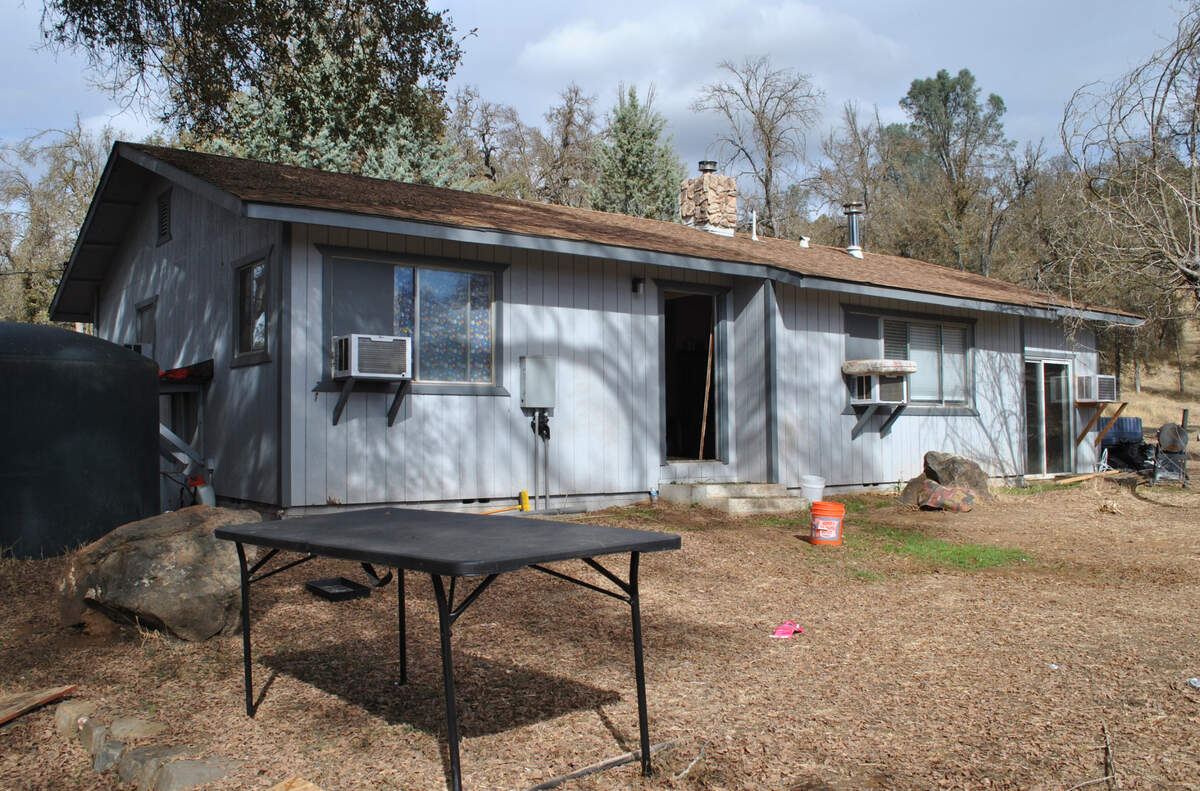
After rattling up the washboard gravel road, sheriff’s deputies fanned out on foot across the hilltop. A sniper team and lookouts crouched in the oak and manzanita brush. Others closer to the rundown house ordered everyone out with their hands in the air.
From the driveway at the end of Gavilan Road, they soon had 10 people in handcuffs and headed to the local jail. Several said they were paid cash to process marijuana.
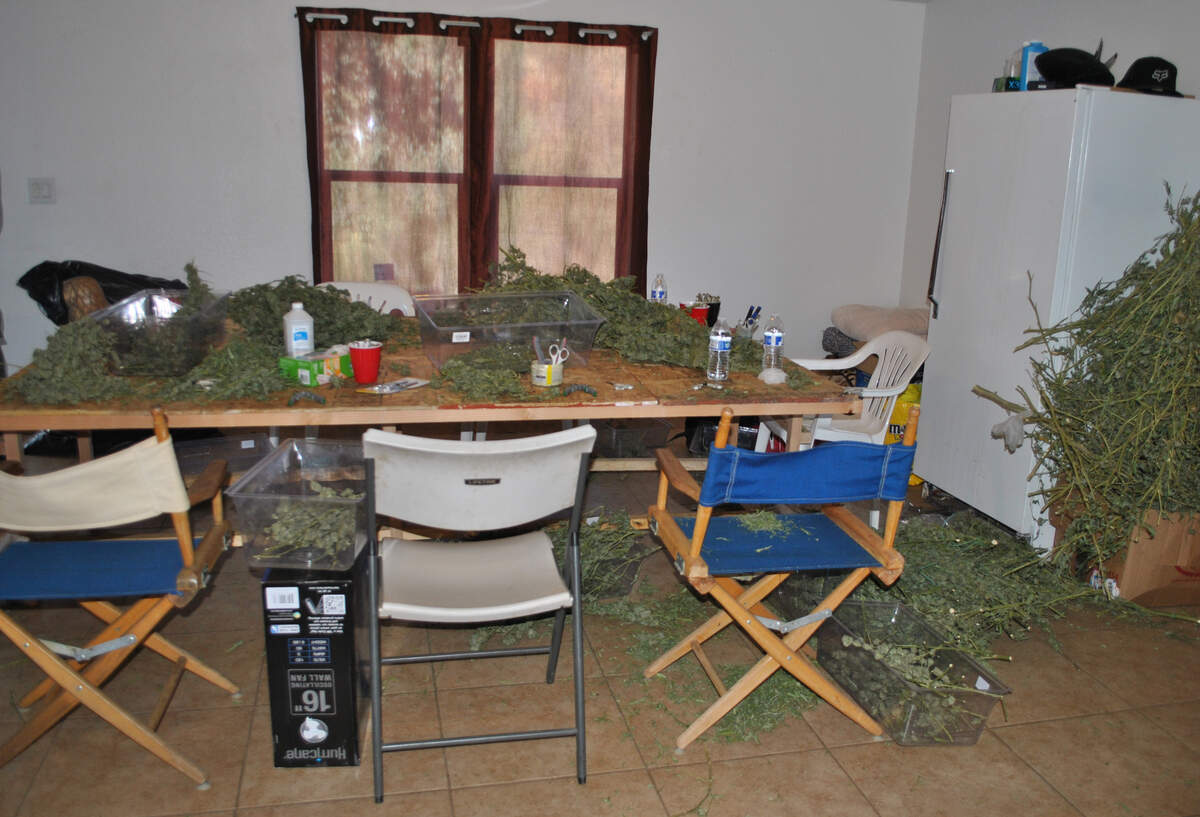
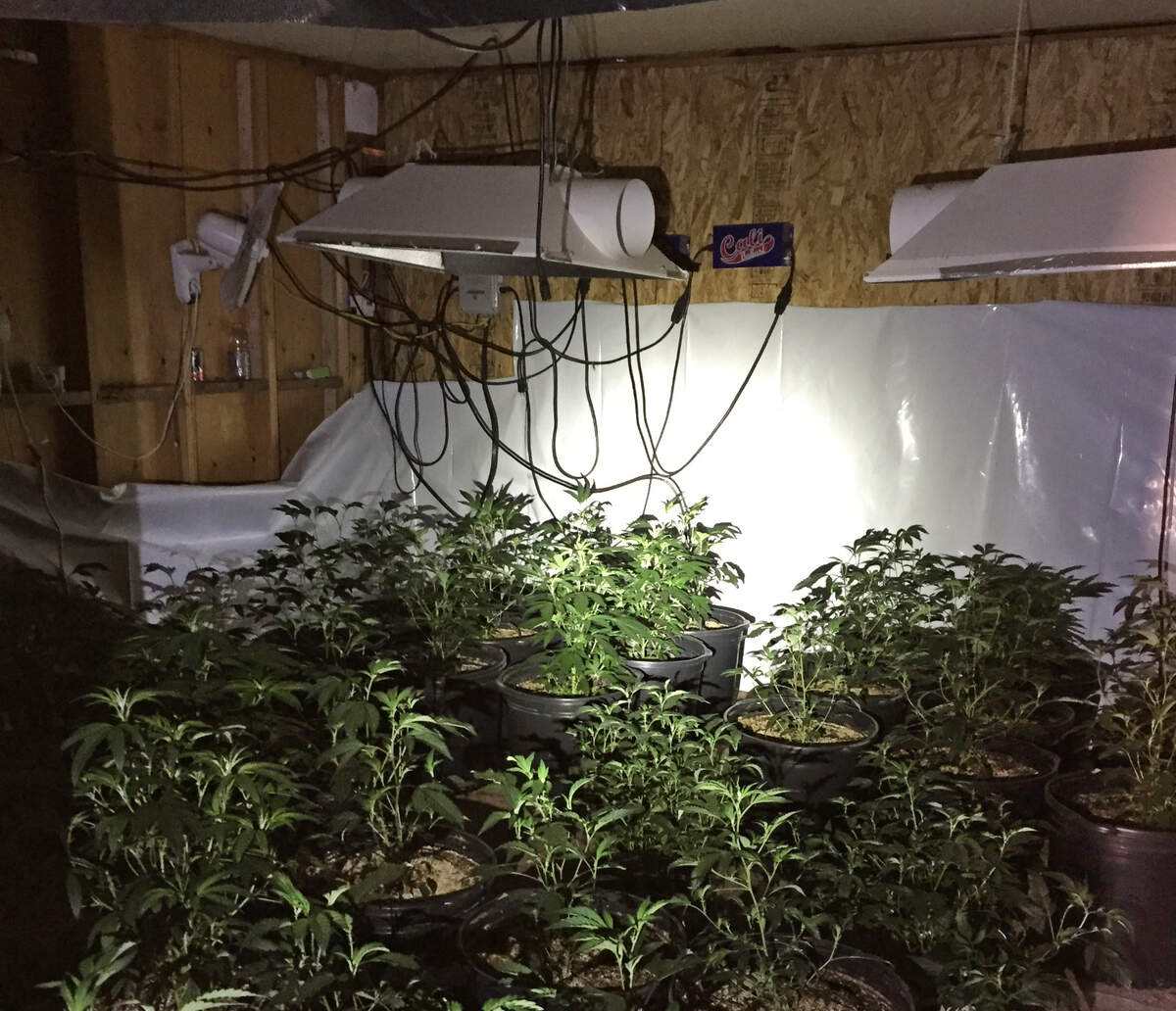
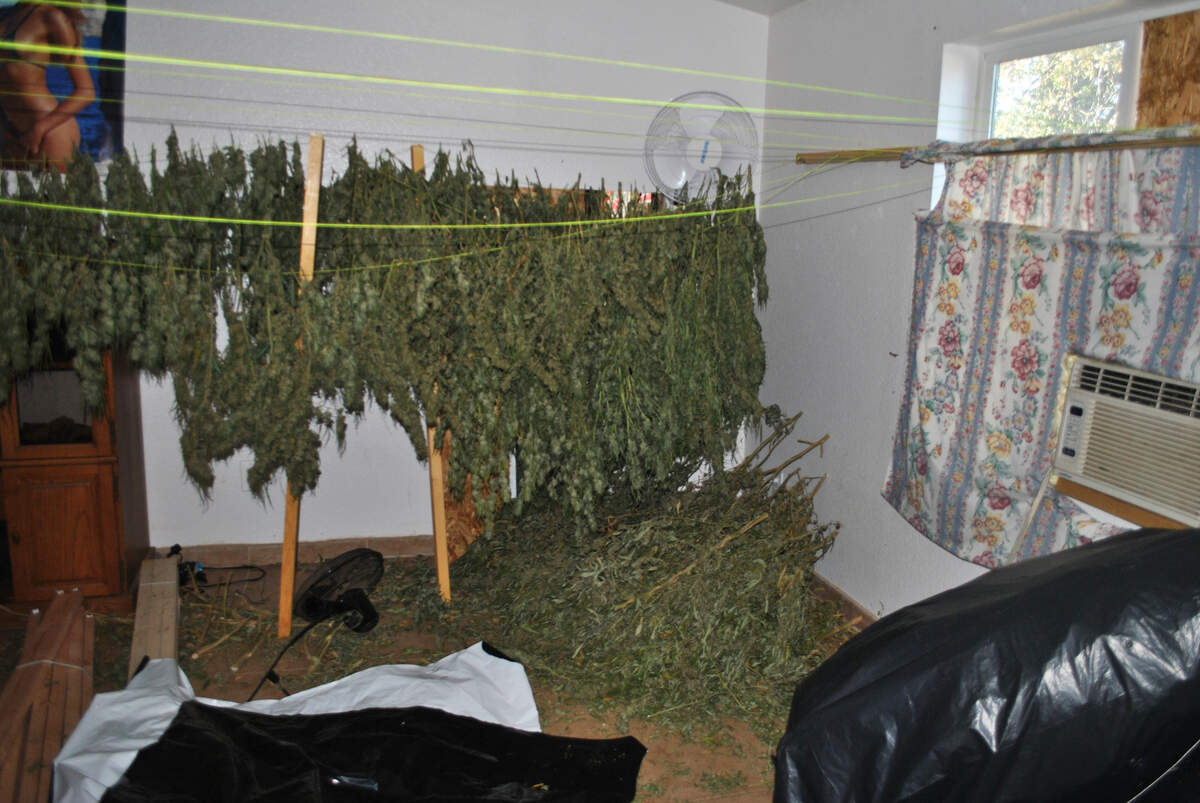
Deputies stepped into the living room and found a plywood table piled with drying marijuana plants. Several 55-gallon trash cans were filled with cannabis, as were the plastic bags someone stuffed into the kitchen cabinets. They found a .22-caliber Beretta next to more processed pot and a mound of serrano peppers.
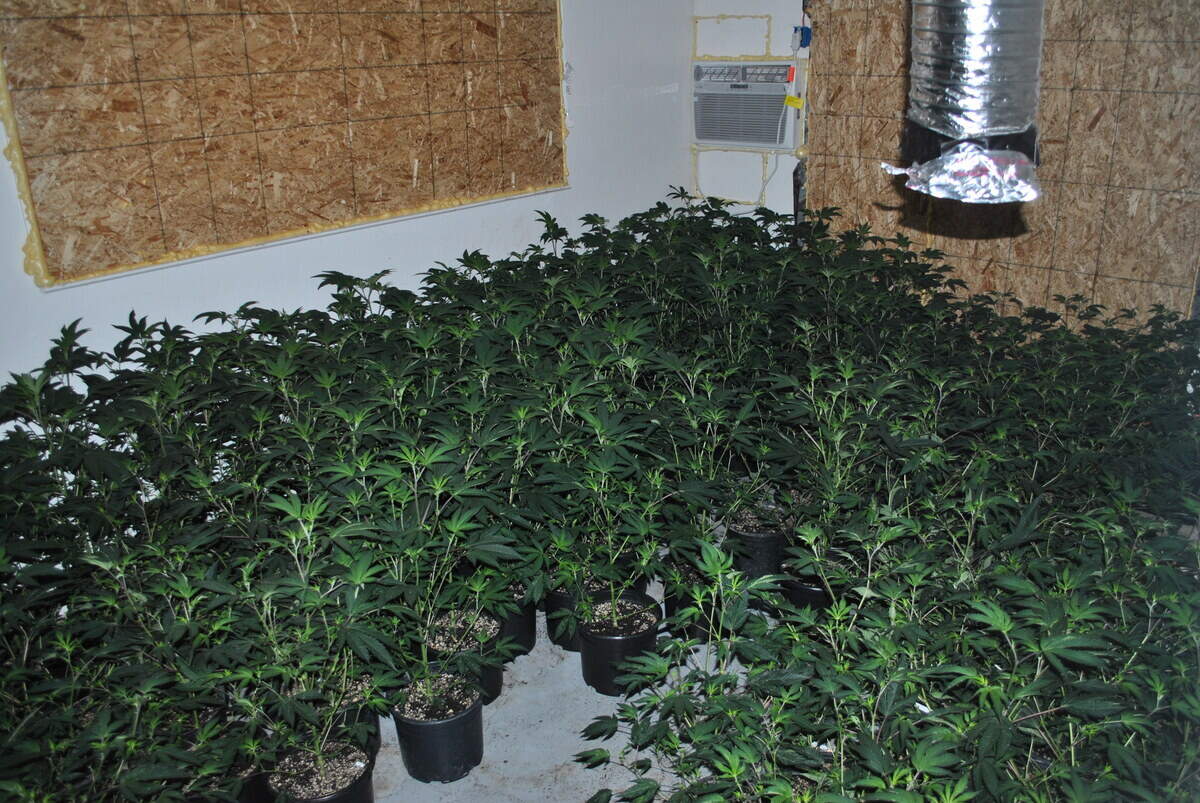
Nearly 800 marijuana plants grew outside, deputies detailed in their reports. What was happening on Gavilan Road that day in 2016 was “consistent with a large-scale marijuana operation.”

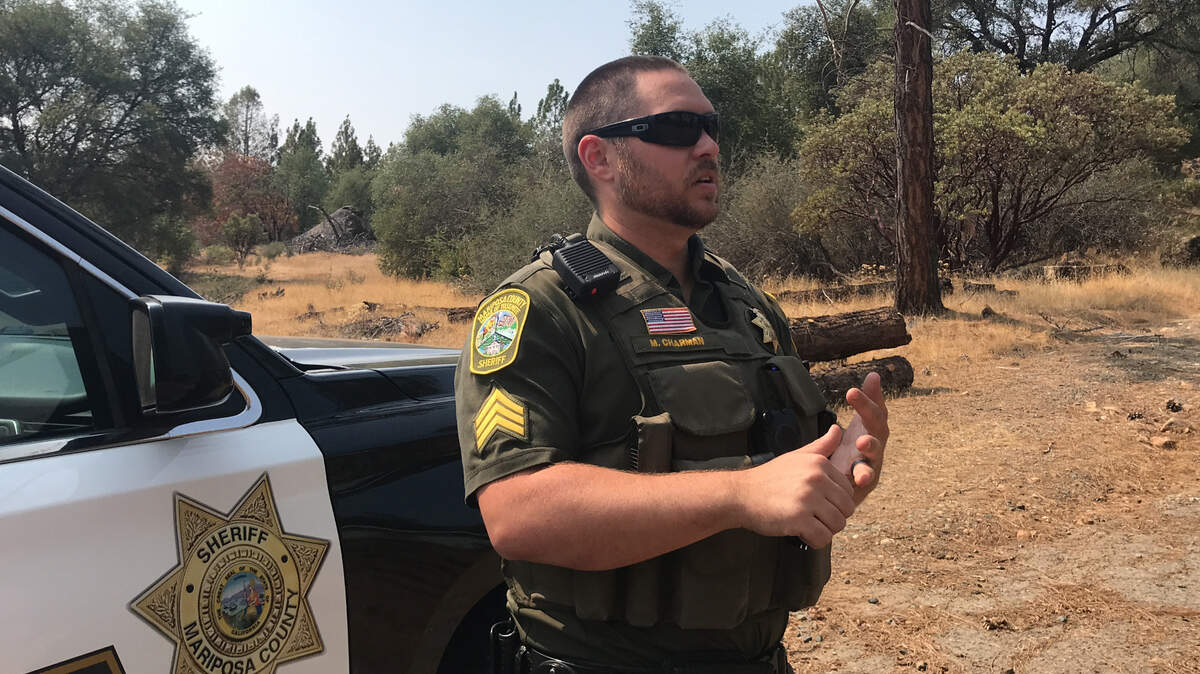
Although this seemed like another routine bust at a grow house tucked away in the Sierra Nevada foothills, Sgt. Mike Charman soon believed he was chasing something bigger and orchestrated with links to international financing. A California real estate investor might be providing a front for a multinational drug cartel, Charman thought.
That assumption would help Mariposa County win $660,000 in federal funds to help pay for the investigation.
There was just one problem. The sheriff’s office might have been pursuing the wrong people.
While a new and legal marijuana marketplace has boomed in the five years since California voters legalized recreational cannabis, that huge cultural and governmental shift has done little to put a dent in the illicit marijuana trade, according to local, state and federal records. After a slight decline, seizures and arrests have soared in Mariposa County and across the state.
Charman’s yearslong pursuit provides a dramatic example of how California has created parallel worlds of cannabis — one open, legal and celebrated, the other illegal, still operating in the shadows and draining resources from local law enforcement.
A Sacramento Bee review of Mariposa County’s investigation into the alleged real estate-backed “cartel” provides a lens into a system unable to keep up with illegal growing operations, even as legal grows and cannabis shops flourish in many parts of the state. Investigators find themselves out of their element to tackle the complex operations.
When Charman and his colleagues searched property records after the bust, a single name stood out. Something familiar: Saratoga Group Partners LLC., a real estate company headquartered three hours away in Auburn, near Sacramento.
The company and its affiliates, they learned, also owned another property that Charman’s team had recently raided for illegal marijuana. The size of the grows were similar. The equipment and techniques matched.
“It just kept adding up,” Charman said.
Time seemed to support his theory. In the ensuing years, all but one of the 21 Mariposa County properties linked to Saratoga Group would be raided for illegal grows. They would account for tens of thousands of illicit plants and scores of arrests and seized firearms.
For years, the investigators connected more dots back to Saratoga Group and its partners, Cosmo LLC and Terrawood LLC. They pitched their case to federal prosecutors and combed the company’s financial records. To help pay for the sheriff’s drug investigations, officials presented their problems to a California board that awards law enforcement grants.
While the sheriff was digging into Saratoga Group’s history after the Gavilan Road raid, the company’s CEO, Sam Hales, was looking into the matter.
He emailed the Merced-based broker who had sold the property. Hales pledged to put a clause in all new leases that barred the use and growing of marijuana on his properties.
“As we have discussed,” he wrote to the broker, “I am deeply concerned about what happened.”
Hales didn’t know that the sheriff was investigating his business as a possible front for a transnational drug cartel. He didn’t know law enforcement had been probing Saratoga Group’s tax records and business licenses or getting grant cash to help dig into his business.
He didn’t know investigators had gone so far as to contact federal prosecutors, or that the sheriff still thought Hales’ company was behind illegal grows as recently as this summer.
Working to push marijuana out of his properties, Hales apparently became the unwitting target of yearslong investigation into his own business deals — until a reporter called him for this story.
Foreign investment, real estate boom
Out of the recession in 2009, real estate was a buyer’s market. Hales was looking to spend.
Hales started by purchasing single-family homes in the Bay Area and Sacramento region. With prices low after the market crashed, Hales’ investors, especially those from China, backed properties that he turned into lease-to-own arrangements for people with damaged credit.
As the economy rebounded, Saratoga Group Partners LLC grew. In 2015, Chinese investors committed $10 million to Hales’ work on lease-to-own properties, according to public financial disclosures.
In an interview at the time with the Sacramento Business Journal, Hales said the foreign investors were looking to get involved in California real estate just as it was starting to boom again. This kind of thing was happening all over the country.
It would later help fuel investigators’ suspicions of an internationally backed marijuana enterprise.
From there, Hales turned to local brokers to help hunt down properties.
Tolley Gorham, a longtime Mariposa real estate agent, helped Saratoga Group find a handful of properties in the rolling foothills. Gorham said the company wanted homes to buy on the cheap, and he had a couple that fit the description. The deals wrapped up quickly.
“I wasn’t in the business of going out and, you know, surveying these properties after they were sold,” Gorham told The Bee this summer. “You know, they just came in, and usually they paid the listing price. And, you know, that was pretty much the end of that.”
Saratoga Group also tapped Laura Pasley, a Merced-based broker, to help find properties in Mariposa County. In an interview for this story, Pasley said she and her colleagues did their “due diligence” when they were vetting potential buyers. Everybody had money, jobs and tax forms, she said. It was all above board, at least from what she saw.
Still, she said, “They may have let their cousin Joe-the-weed-grower on the property.”
Tucked in the foothills east of Merced, Mariposa County, population 17,000, is not a rich place. Even with a boom in housing prices in the past year, a typical home still goes for around $400,000 — about half the statewide median.
The county’s budget depends largely on tourism to nearby Yosemite National Park, but the coronavirus pandemic shot a hole through the local coffers. Combined with wildfires, the pandemic was the 12th local emergency in four years. That’s on top of an ambush attack on a deputy serving civil papers in 2020 and the death of a family on a hiking trail this summer
“We’re having the same issues with staffing and trying to keep up,” Sheriff Jeremy Briese told The Bee.
The sparse team of sheriff’s office investigators knows they can’t root out all illegal grows and run down every lead they get about potential marijuana-related crimes. They pick their battles. And as one year turned to another, they couldn’t ignore the circumstantial connections that pointed back to Hales’ businesses.
A Bee review of property records on file at the assessor’s office turned up 21 addresses associated with those three companies.
One by one, Charman moved down a reporter’s list of addresses written on a legal pad, and marked in pencil which ones had been raided for illegal marijuana. He recited from memory details about which operations had multiple houses, and the ones that were particularly noteworthy.
“They could 100% be just a 100% legitimate company that just coincidentally owns 20-plus properties in Mariposa County, all of which grew weed,” Charman said. “I find that hard to believe. But I would have to prove beyond a reasonable doubt.”
In response to a Public Records Act request, the sheriff’s office turned over hundreds of pages of police reports and photos describing the marijuana investigations linked back to the Saratoga addresses. The documents show in remarkable detail how investigators dashed from one grow to another and gradually came to build a case against Saratoga Group.
In 2017, the Detwiler Fire forced the entire town of Mariposa to evacuate.
.JPG "JRW DETWILER FIRE 13 (1).JPG")
As law enforcement patrolled neighborhoods, they noticed arcing lines and a power bypass, records show. Pilfering power from the grid, a tactic used by illegal pot growers, can be incredibly dangerous and risk starting another fire. While they investigated on East Whitlock Road, they found 1,000 illegal marijuana plants.
They traced the property back to Saratoga Group.
In 2018, an investigator with Pacific Gas & Electric reported thousands of dollars in power was being stolen from an address southwest of Mariposa. Deputies showed up and seized more than 1,000 plants and a rifle.
It was owned by Cosmo, a Saratoga affiliate.
And another, in August 2018, started as a compliance check — residents are permitted to grow up to 24 plants on their property for medicinal purposes and six for recreational use. Deputies instead saw far more pot plants growing between stalks of corn and, as they got closer to the house, noticed the doors were wide open.
Inside were three firearms, including a shotgun that was reported stolen from a residential burglary in Fresno. They hauled the 2,762 plants to the landfill and ran property records searches.
The report was the first to mention Hales by name, identifying him as the “contact person on record.”
State, federal funding under scrutiny
An announcement in December 2018 reaffirmed the sheriff’s office’s belief that they were onto something big. A federal grand jury indicted a Sacramento-area real estate broker for marijuana manufacturing and money laundering. Investigators said the woman used wire transfers to buy properties that could be converted into marijuana grows. Investigators said the money came from China.
The case had some similarities to Charman’s. But given the staffing limitations in the small department, he knew he needed outside help.
“I’m a drug cop. I know how to grow weed. I know how it’s sold. And I know all that kind of stuff,” Charman said. “But I don’t know LLCs and foreign bank account stuff and tax laws. That’s all outside of my wheelhouse.”
Charman and his team occasionally worked with federal investigators, including the DEA and FBI, on other drug cases. He had consulted with them during the Saratoga investigation too.
Gorham, one of the Mariposa brokers, said he got a knock on his door one day from federal investigators. They wanted to talk about his dealings with Saratoga Group. Who was involved? What were the conversations like? What did Gorham know?
Gorham, who by that point had stopped interacting with the company, said he told them what he could, which wasn’t much.
“If they wanted to know more,” he said, “they would have to go to the other end of the deal. And so that was pretty much the end of that.”
The investigators never went to Saratoga Group directly, Hales said.
Spokespeople with the FBI and U.S. Attorney’s Office declined to comment.
Meanwhile, Mariposa County in 2019 leveraged the grant money through the Edward Byrne Memorial Justice Assistance Grant, federal cash funneled to local law enforcement. County officials said Mariposa’s rural location made it ripe for depression and anxiety disorders as well as drugs.
An extra $220,000 annually, they said, would help them pay for their drug enforcement team.
“Another negative impact to the Mariposa community occurred when three transnational cartel groups purchased approximately 28 homes throughout the county,” county officials wrote in their grant application, referring to Saratoga Group, Cosmo and Terrawood. “The drug enforcement team determined that these homes were purchased for the sole purpose of growing marijuana.”
They won the grant and have filed quarterly updates ever since.
Again and again, they made misdemeanor arrests, seized guns and eradicated pot — cases spelled out in their reports to the state. Most people never turned up for their court dates, Charman said. Attempts to contact people jailed from the grows for this story were unsuccessful.
By the time Mariposa County applied, any hope that California’s marijuana legalization three years earlier would curtail illegal activity hadn’t been realized. If anything, some things were getting worse, state and federal eradication data show.
Seizures of marijuana plants have grown sharply in the past three years.
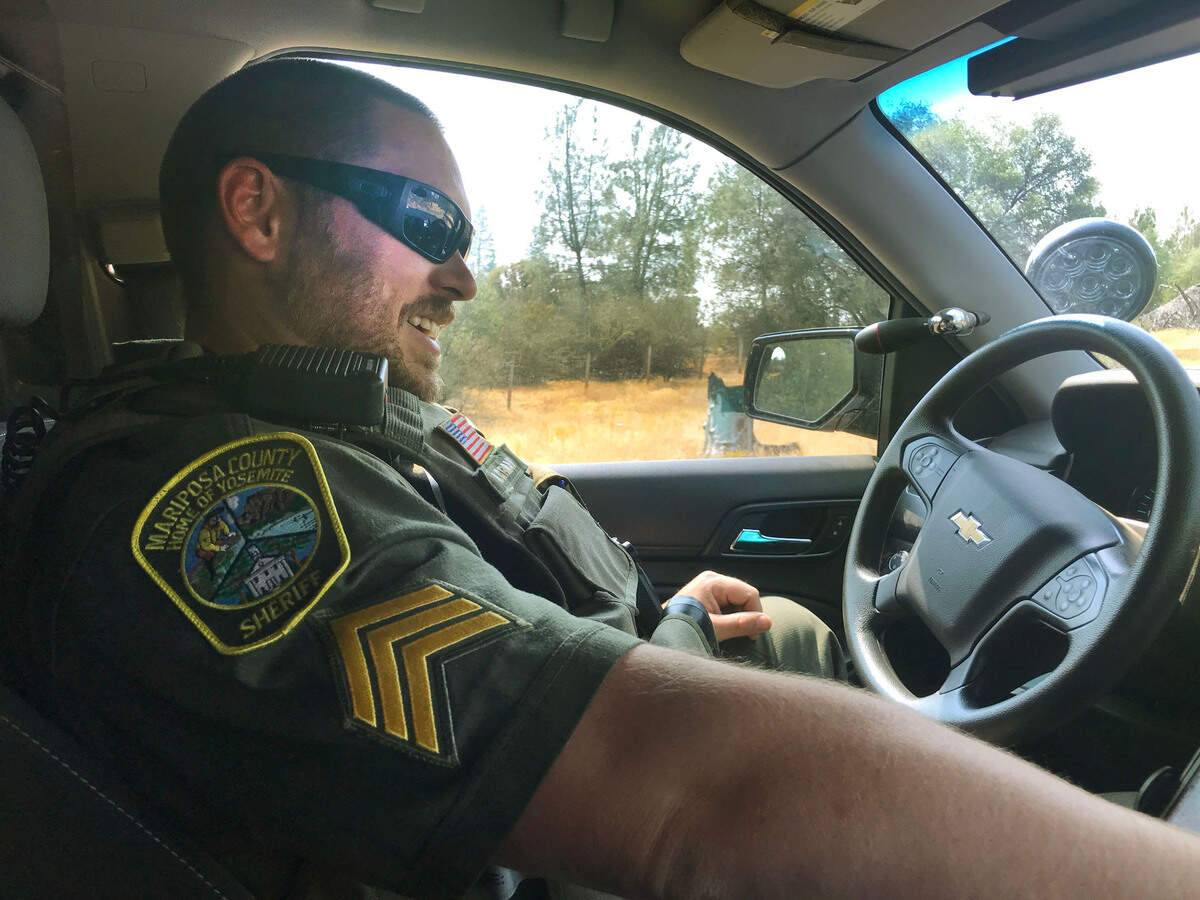
“There’s no secret. That’s the real problem with drugs is all the other stuff that goes hand in hand with it. The thefts. The assaults. Everything else,” Charman said as he drove with a Bee reporter around the county this summer. He listed a homicide, body dump and missing person’s case from the past year associated with the illegal grows.
“And if you could help prevent those things,” he said, “then the drug in and of itself wouldn’t be that big of a deal.”
‘A broken system’
Saying he was fed up with the travails of one-off home deals and bad tenants, Hales has gradually pulled out of California’s single-family housing market. He started acquiring rundown mobile home parks instead.
His strategy now is to buy distressed properties — mostly in the business-friendly, low-tax South — make improvements to the grounds, bring in new homes and, ultimately, raise the rents. The goal was to turn a profit of course, Hales said in an April interview for a real estate investment platform. But he couched it in more altruistic terms: Make the properties pass the “bus test,” where schoolkids could be proud, rather than embarrassed, for classmates to see where they live.
The profits and success would follow, he said.
When a Bee reporter first contacted Hales for this story, he said he knew he was still dealing with a handful of tenants growing illegal marijuana in Mariposa County. “It’s been really aggravating,” he wrote in an Oct. 19 email. “No way to get these people out because of the eviction moratorium.”
He said he was completely unaware of the intricacies and scale of the busts detailed in the sheriff’s office reports. He said that he, too, was trying to snuff out the illegal pot. Exhibit A: an email from three weeks after that October 2016 bust on Gavilan Road where he was calling for a no marijuana clause in every new lease.
Pasley said Saratoga “is an honorable company with honorable people.”
“They don’t cheat anybody. They have been victimized,” she said. “They’re doing a lot of business outside California because they’re just tired of this. Everybody is, everybody in real estate.”
Saratoga now manages 5,000 properties in more than a dozen states. Hales did not agree to an in-person interview for this story. But he did respond to several emails this fall.
In the end, Hales wrote that it was “unfortunate” that Charman never contacted anyone from Saratoga Group in the first place. “The plan going forward,” Hales wrote, “is a more hands-on approach to managing the properties with open communication and cooperation between the sheriff’s office and myself.”
He said he wants out of Mariposa County completely.
After exchanging emails with a reporter, Hales declined an in-person interview. “We will just need to have a phone call,” he wrote. But that call never happened. Hales stopped responding to emails and voicemails.
Charman declined to speculate about whether he believed Hales was telling the truth when he said he didn’t know the magnitude of what was happening at his properties. So did the Mariposa County District Attorney, Walter Wall, who in an interview said it defied logic for any property manager to be unaware that their entire portfolio in a county had been raided for major pot grows.
Both men said they’ve grown frustrated with the slow progress on complex drug investigations, especially in small counties like Mariposa. There’s still clear evidence that someone is running organized pot growing in the Mariposa County foothills, Charman said. He’s convinced a cartel-type operation is behind it.
“Ideally, we’d be able to keep chasing the rabbit down that rabbit hole and try to get closer to the source of the problem and hopefully create a bigger impact,” Charman said. “But it’s been difficult, if not impossible, to do so.
Hales has not been charged, and Charman declined to say whether the investigation continues.
Saratoga Group has gradually pulled out of Mariposa County, but marijuana grows remain a problem. In 2019, the sheriff’s office raided 16 locations and seized 41,642 illegal plants, county data show. Mega-grows, including one with more than 35,000 plants, shot the total north of 105,000 plants last year.
As for this year, Charman’s team busted at least 41 sites, seized 54,657 plants as well as a dozen firearms and made 35 more arrests.
“They know that they if bury us in enough in it that we can’t keep up,” Charman said one afternoon this summer. Organized groups know that even if deputies raid three of their four grow sites, the last one can more than make up the losses.
“In my opinion, it’s a broken system.”
The Bee’s Phillip Reese contribute to this story.
This story was originally published December 22, 2021 at 5:00 AM.