Cal Fire says federal partnerships still ‘strong’ ahead of peak months for wildfires
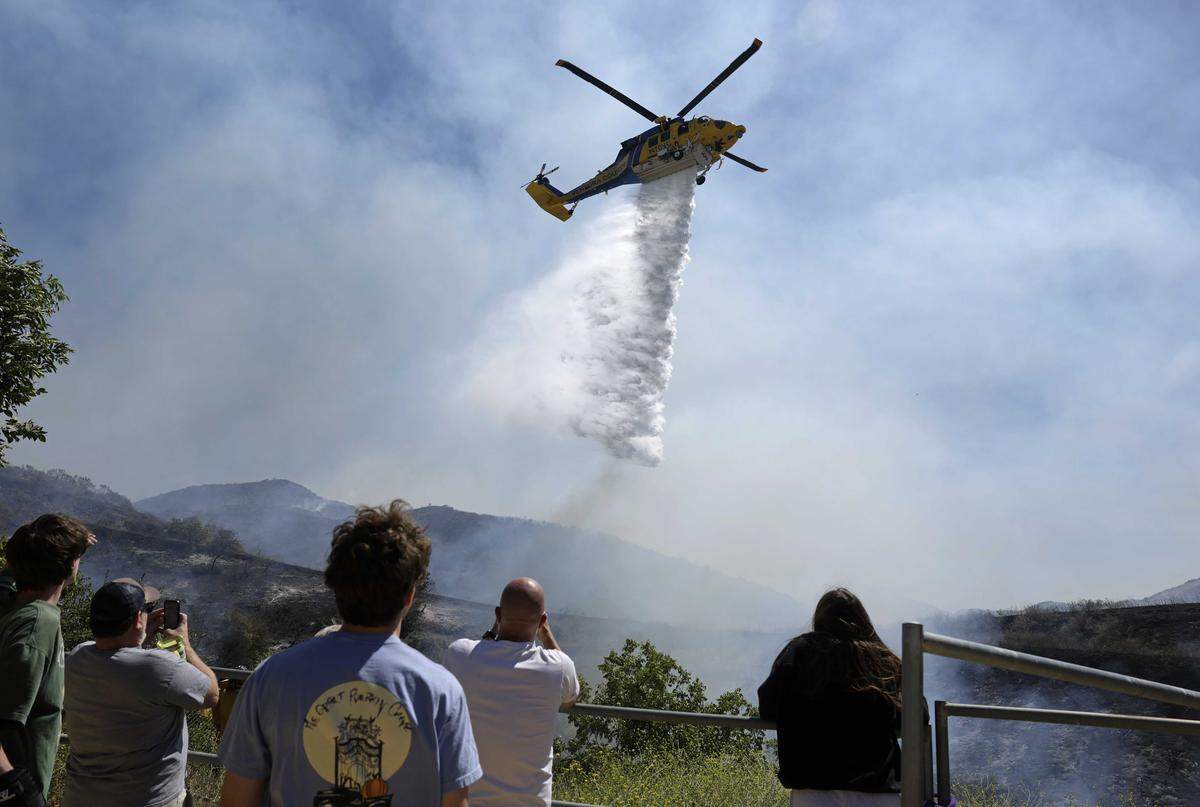
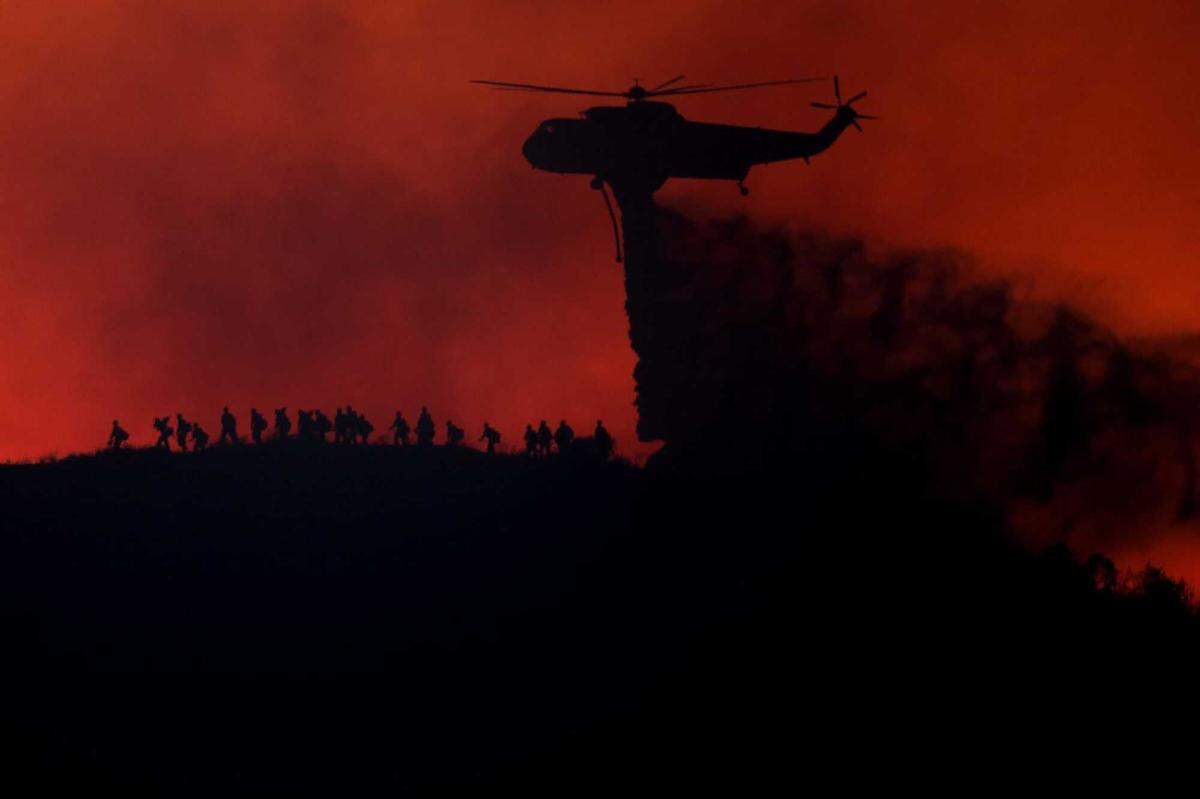
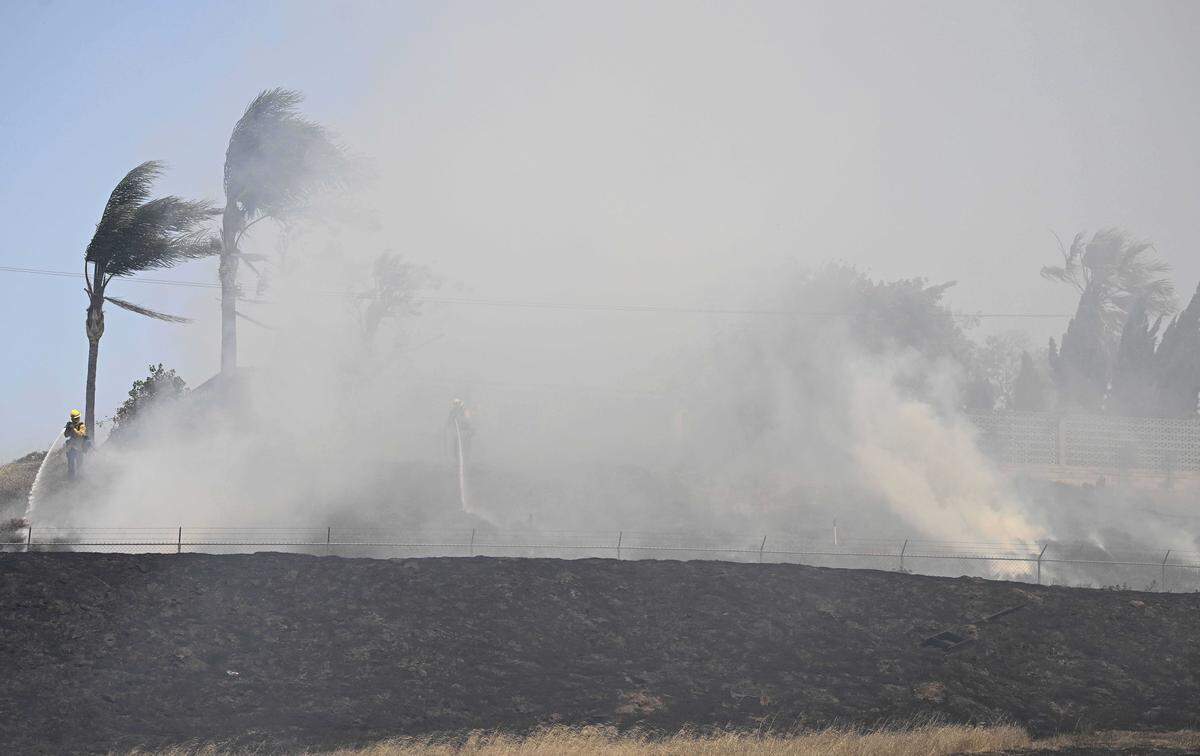
Crews are already battling significant wildfires in Southern California, as a record-low snowpack in the Sierra Nevada has the state’s top fire officials worried about how intense this summer’s wildfire season could become.
Recent wet years allowed grasses and brush to grow thicker in the state’s foothills and valleys. Now, those plants are drying out.
“In the Central Valley and in Southern California, the grass is cured,” Cal Fire Chief Joe Tyler said during a Tuesday online town hall with California Natural Resources Secretary Wade Crowfoot. “That fine fuel as we call it is cured and ready for ignition by sparks, by embers picked up by the wind.”
The resulting wildfires could move quickly, making them difficult for firefighters to contain, Tyler said.
About 60% of California is in a state of abnormal dryness or moderate drought. The northern third and eastern parts of the state, including the Sierra Nevada and low deserts near the Mexican border, are abnormally dry.
That dryness is spreading particularly quickly in Northern California — especially along the northern Sierra and Cascades in Lassen and Plumas counties — because of the disappearing snowpack, Tyler said.
By June, much of Northern California, including the Sacramento Valley, is forecast to enter above-normal fire risk.
The noteworthy fires burning now are confined to Southern California.
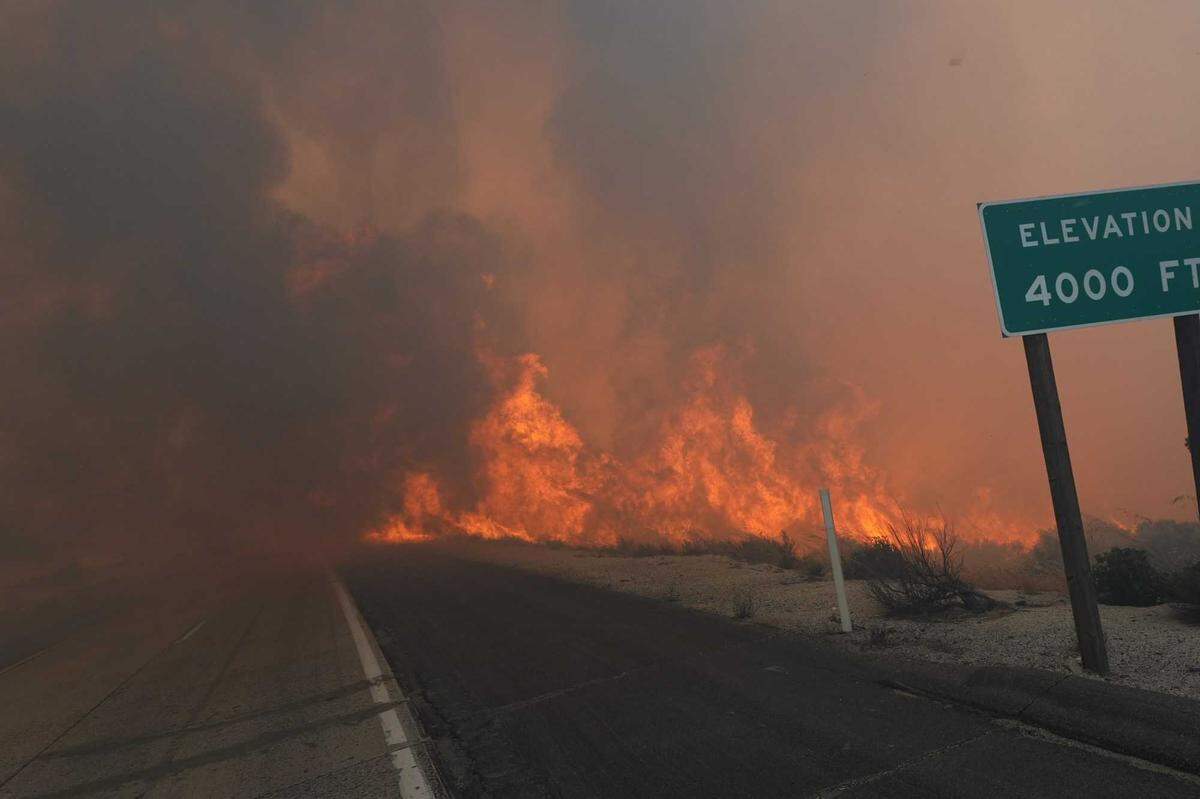
The River Fire has burned more than 3,500 acres east of Bakersfield, though firefighters on Wednesday had reported 70% containment. Two more fires near Los Angeles — the Sandy Fire in the Simi Valley and the Bain Fire near Riverside — have each grown to more than 1,500 acres and have prompted evacuation orders affecting tens of thousands of people.
Federal firefighters were also contending with an unusual offshore fire. The Santa Rosa Island Fire has burned nearly 17,000 acres on the remote Channel Island of the same name.
The blaze ignited after a sailor crashed a boat into the island and set off an emergency flare. Cal Fire describes the fire as human-caused, and the U.S. Coast Guard reports the cause is under investigation. Santa Rosa Island is federally controlled as part of Channel Islands National Park.
Statewide, 48,135 acres have burned since Jan. 1, according to Cal Fire — more than double the 20,510-acre average for the same period over the previous four years, according to Bee analysis of the agency’s data.
And while May fires aren’t unusual, and periods of cool weather or moisture this summer could still ease the state out of a bad wildfire year, experts in California and across the West are worried about the coming season.
The concern stems from vanishingly low snowpack levels and the increasing chances of an El Niño climate pattern, in which a warm Pacific Ocean drives extreme weather, including higher temperatures and storms that could bring either moisture or the kind of widespread lightning that can spark difficult-to-fight wildfires.
State, feds allies despite tensions, Forest Service cuts
At Tuesday’s meeting, Tyler and Crowfoot emphasized that Cal Fire, formally the Department of Forestry and Fire Protection, has grown significantly over the last decade to meet moments like this.
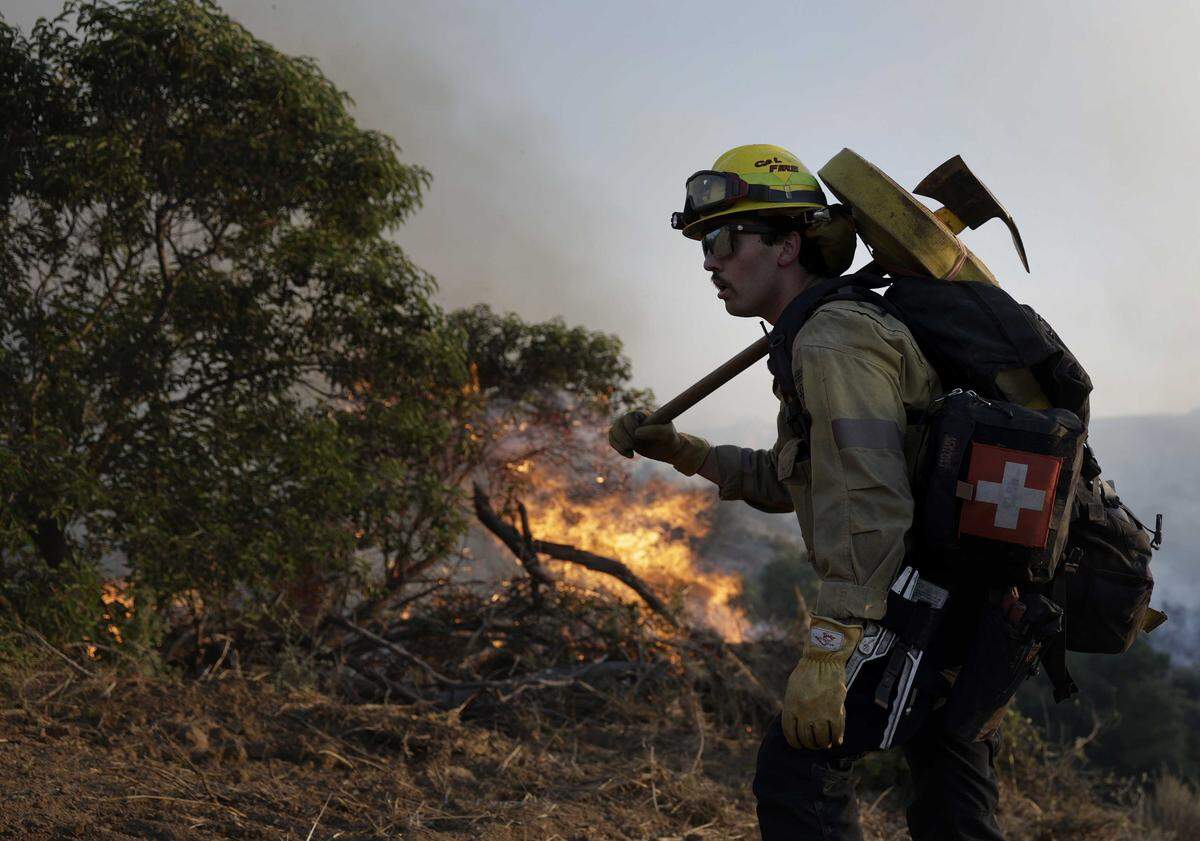
The agency employs more than 12,000 firefighters and has one of the largest aerial firefighting forces in the world. Despite deep cuts made by President Donald Trump’s administration to the U.S. Forest Service, estimated to have cost the agency 16% of its workforce, “operational coordination between Cal Fire and the Federal Firefighting Force is as strong as ever,” Crowfoot said.
While optimistic about operational coordination, Crowfoot is among the many natural resource leaders worried the Trump administration has hobbled the Forest Service ahead of a dangerous environmental year for the West.
“While I understand the intention to operate a more efficient federal agency, many of these changes could impact our state’s wildfire readiness and create added public safety risks,” Crowfoot wrote in a May 12 letter to U.S. Secretary of Agriculture Brooke Rollins.
Crowfoot worried in particular about a reduction in the number of “red card” workers — trailbuilders or other agency employees who are not full-time firefighters but are certified to assist when the fire season intensifies. The closure of six federal forest research centers in California and the layoff of researchers who study fire science and forest resilience, Crowfoot wrote, could also have a detrimental effect on the ability of state and federal firefighting forces to combat wildfires, particularly over the long term.
Neither those cuts nor the deepening antipathy between California’s elected leadership and the Trump administration have affected the commitment of the two firefighting agencies to work together on the ground, Tyler said Tuesday.
“Their fire and aviation management program are untouched,” he said of the Forest Service. “They will have the same resources across the state of California this year that they have had last year and previous years.”
On Wednesday, however, Gov. Gavin Newsom’s press office — which has taken on the role of a caustic, internet-savvy critic of the Trump administration — took perhaps the season’s first swipe at the federal government’s firefighting response.
In a social media post about the fire on Santa Rosa Island, the governor’s spokespeople highlighted a story from SF Gate in which a former park superintendent questioned how long it was taking to get specialized firefighting equipment to the island.
“This is federally-managed land and these crews are working hard,” the post read. “The question is whether the Trump administration, which gutted the Forest Service by 16% and left it in disarray, has given them everything they need.”
Many of the federal on-the-ground personnel and managers who have worked with Cal Fire for years remain at their posts, according to Riva Duncan, a retired Forest Service fire chief and president of the advocacy group Grassroots Wildland Firefighters. She said she does not doubt that Cal Fire and the Forest Service will maintain cooperation in the hot and dry months ahead.
“They’ve got strong relationships that they’ve worked on developing, you know, over the years fighting fire together,” she said.
The test of whether Trump’s budget reductions have undercut the Forest Service’s firefighting capabilities will come in the late summer and fall, Duncan said, if large wildfires strain the resources available to combat them.
Although firefighter ranks themselves haven’t been culled, cuts have been made to staff who support them logistically.
“The concern is we’re going to get to August and September, and we are going to see the whole wildland fire system really, really stressed,” she said.
This story was originally published May 21, 2026 at 5:00 AM.