
Deadline passes with no deal on Southern CA drought crisis. What’s next for rest of the state?
With drought conditions in the West nearing a crisis point, the Biden administration was poised to bring the hammer down Tuesday on California, six neighboring states and Mexico, imposing draconian cutbacks in water supplies from the Colorado River.
Instead, the feds decided to give the states more time to figure out how to share the misery.
Two months after telling the states they needed to negotiate a plan for allocating unprecedented reductions in Colorado River supplies, the Department of Interior and the Bureau of Reclamation let Tuesday’s deadline pass. Bureau of Reclamation Commissioner Camille Calimlim Touton said the states could continue to negotiate, although she vowed that at some point the agency would come up with its own formula if no deal is made.
“We’re working with the basin states because we believe that the solution here is one of partnership,” she told reporters.
The Colorado River is normally a major source of water for urban and rural Southern California but has suffered through two decades with precipitation well below average. The Metropolitan Water District of Southern California, which serves 19 million urban residents, has already imposed unprecedented restrictions on outdoor watering for about one-third of its customers.
Given its huge population and considerable clout in the Legislature, Southern California’s problems could affect the entire state. Metropolitan has made deals to buy water this year from several Sacramento-area water agencies, including the city of Sacramento, and Northern California water officials acknowledge that pressure could build to make additional deals if Southern California can’t solve its problems on its own.
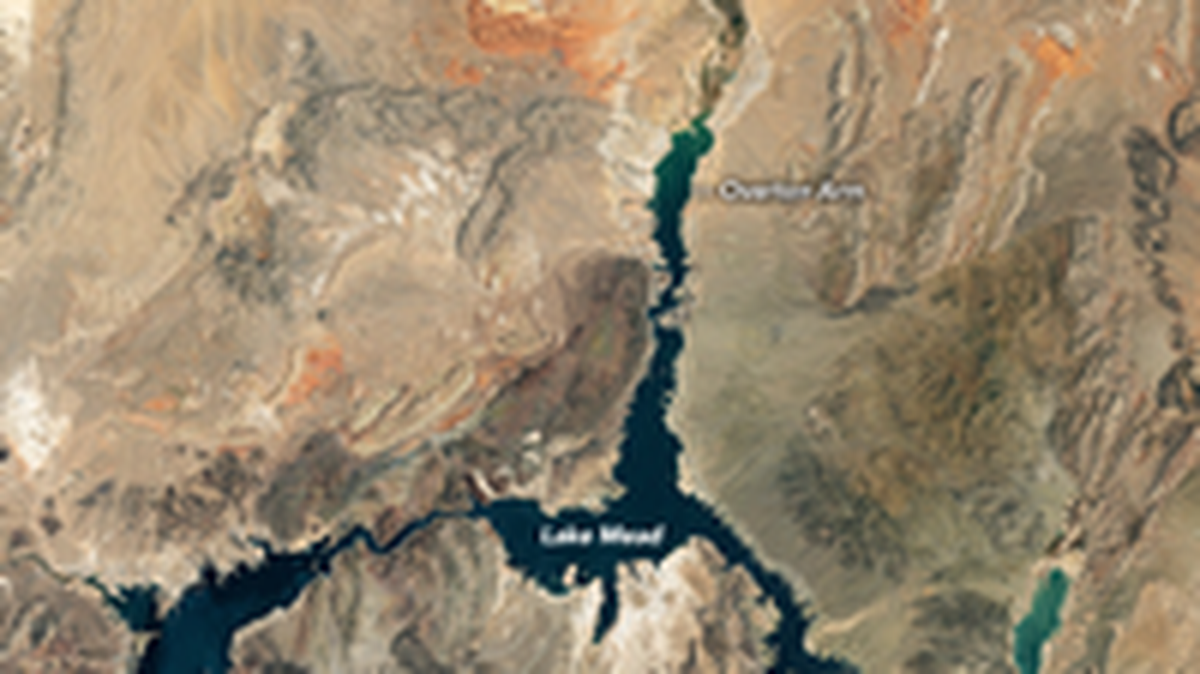
River consumption must fall or water levels on the two big reservoirs on the Colorado, Lake Mead near Las Vegas and Lake Powell in Arizona, could fall so low that hydro power production would become impossible — jeopardizing electricity supplies in Southern California and across the Southwest.
Two months ago, Touton said the seven states needed to reduce Colorado River consumption by as much as 25% next year. She set a deadline, which passed Tuesday with still no deal in sight. In the meantime, she did impose smaller cutbacks on Arizona, Nevada and Mexico — but none on California.
As the negotiations on a larger agreement continue, frustrations began boiling to the surface.
John Entsminger, the head of the Southern Nevada Water Authority in Las Vegas, compained that two months of talks produced “exactly nothing in terms of meaningful collective action.” He accused unnamed negotiating partners of offering “drought profiteering proposals,” meaning hefty demands for cash to relinquish water.
Arizona officials said they’d presented a plan that would have met Touton’s demands.
“That proposal was rejected,” they said.
Adel Hagekhalil, general manager of Metropolitan, said, “We have worked earnestly with our colleagues in the basin to develop an aggressive but realistic plan to reduce demands. We’re not there yet, but we are committed to working with our partners to develop a viable plan. We have no choice.”
While much of California is in the third year of drought, the Colorado is in far worse shape. “The Colorado River basin is in its 23rd year of historic drought,” Touton, said.
This story was originally published August 16, 2022 at 1:24 PM.