
Interactive map shows latest California drought conditions as winter storms persist
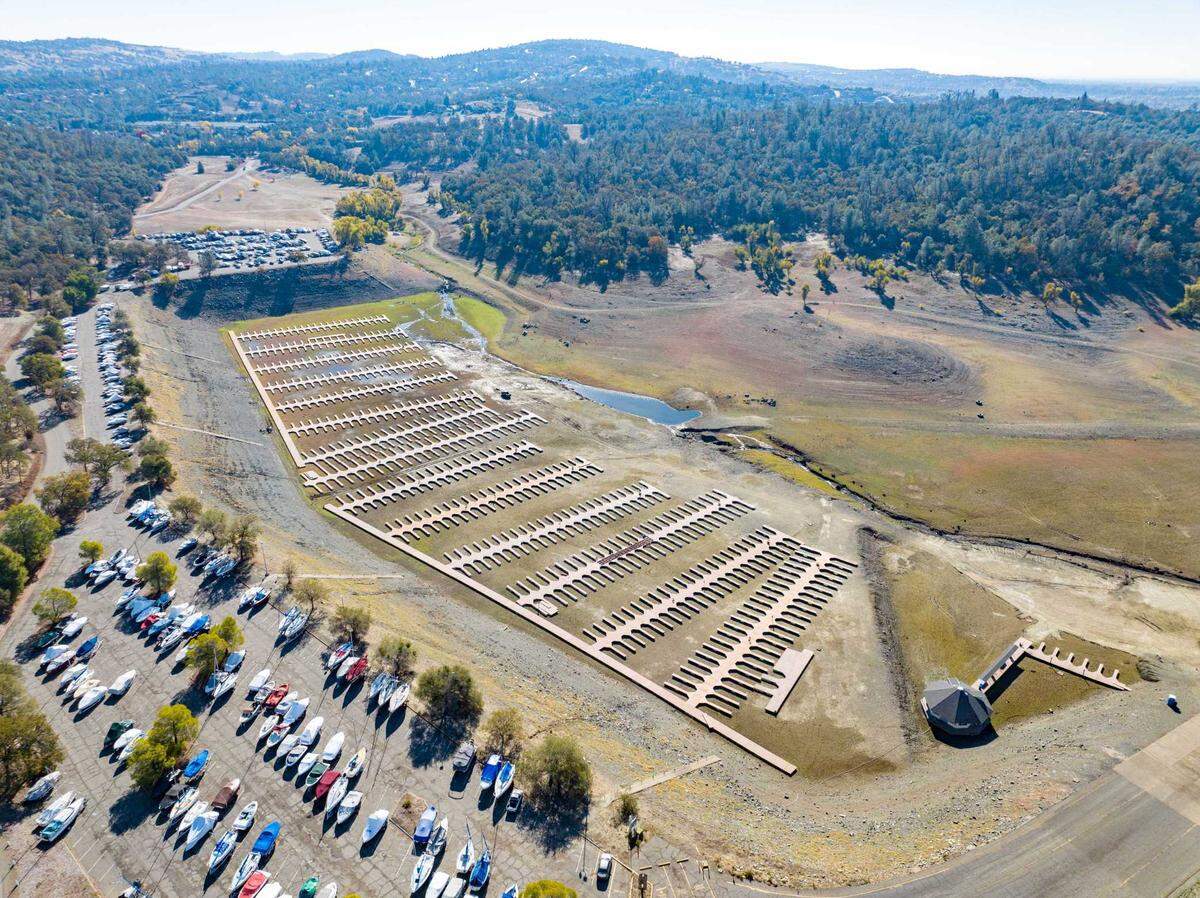
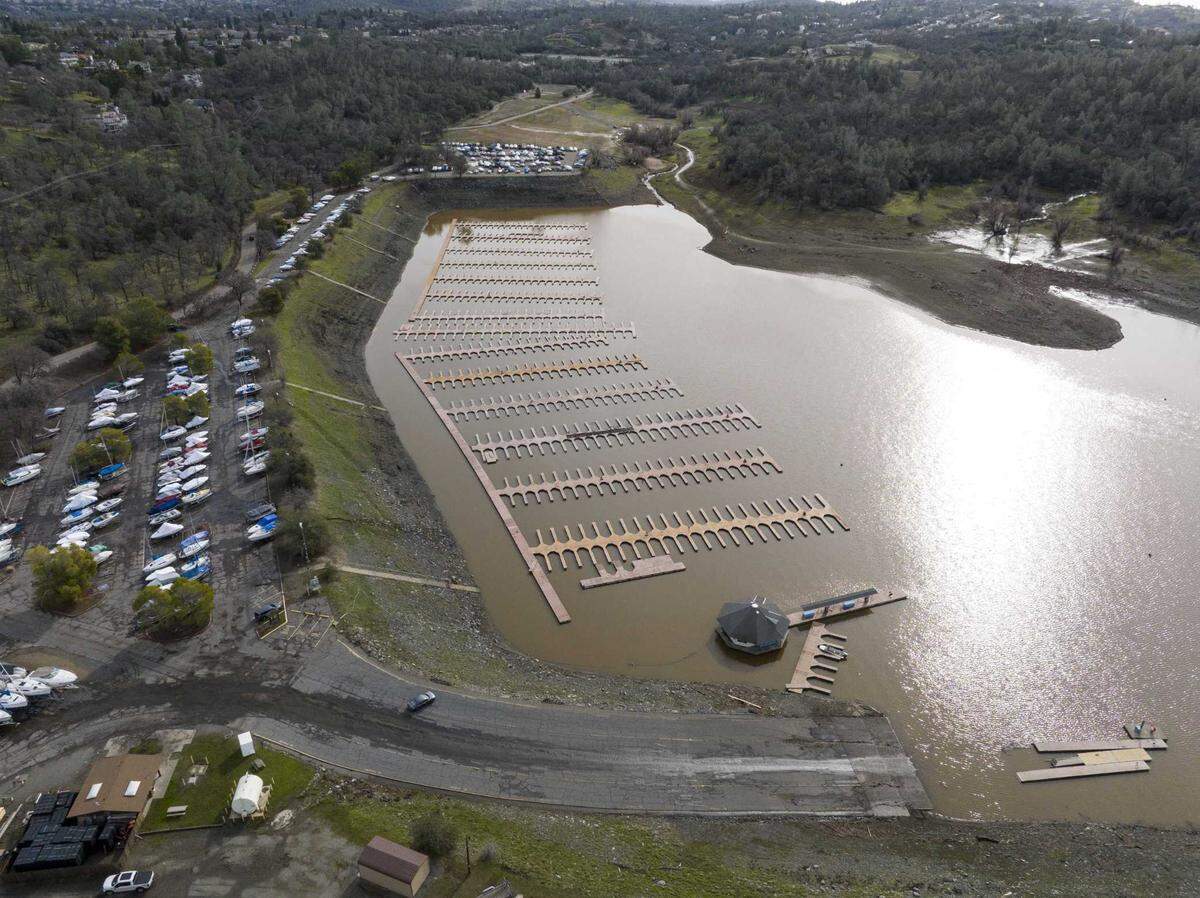
California’s drought-stricken reservoirs have recovered due to January’s string of “atmospheric river” storms, according to the U.S. Drought Monitor, but don’t let what seems like copious amounts of water fool you.
The storms were “likely insufficient to reverse” California’s drought, according to the NASA. Plus notoriously hot and dry California summers, which typically fuel worsening drought conditions and breed seasonal wildfires, is just around the corner.
For now, drought statuses remain relatively the same, compared to one week ago.
The U.S. Drought Monitor — in a weekly update published Thursday — reports the state’s “abnormally dry” status increased less than one percentage point to nearly 99.4%. The other conditions across the Golden State remained the same.
In other words: The drought is far from over.
The U.S. Drought Monitor reports majority of California’s land or 84.6% remains at least in “moderate drought.” The state has been free of both “extreme” or “exceptional” drought for more than a month.
California’s Central Coast, which was devastated by the severe storms in January, remains “abnormally” dry for the fifth week in a row but exited more intense conditions after the rain. In the northwest corner of the state, the majority of Del Norte County is drought free for at least the sixth the week in a row.
The information used in this interactive map, collected from the U.S. Drought Monitor, was updated Thursday with data through Feb. 21. Here are the drought conditions in California. See where your area lands:
When will it rain and snow again in California?
Snow (yes snow) made an appearance in Sacramento’s forecast this week.
Meteorologist Courtney Carpenter with the National Weather Service warned The Bee that flurries probably wouldn’t fall Wednesday or Thursday. She was right, but the lucky ones saw something just as picture worthy: graupel.
The best chances of actual snow will be across the Northern Sacramento Valley, from Redding to Red Bluff. Western parts of the valley and foothills including Yolo County could also see some low elevation snow. If you plan to travel “very far” into the foothills, Carpenter said you’ll likely be hit with “heavy snow.”
Cities across California are gearing up for rare weather this week.
Snow hit the Central Coast Thursday. Plus blizzards, flooding rain and low temperatures are making their way to Southern California.
Thunderstorms, rain, high wind and chilling morning temperatures, are a pretty sure thing for the city this week.
Showery thunderstorms are forecast throughout the day Thursday, according to the National Weather Service, with gusts as high as 38 mph and south winds between 10 to 25 mph.
Snowpack levels
According to the Department of Water Resources, 51 stations in the Central Sierra Nevada are reporting at 174% of normal on Thursday.
Peak snow season is generally on April 1. As of Thursday, snowpack throughout California is 142% of average.