
Adapt or close: How Sacramento restaurants and bars are surviving the coronavirus shutdown
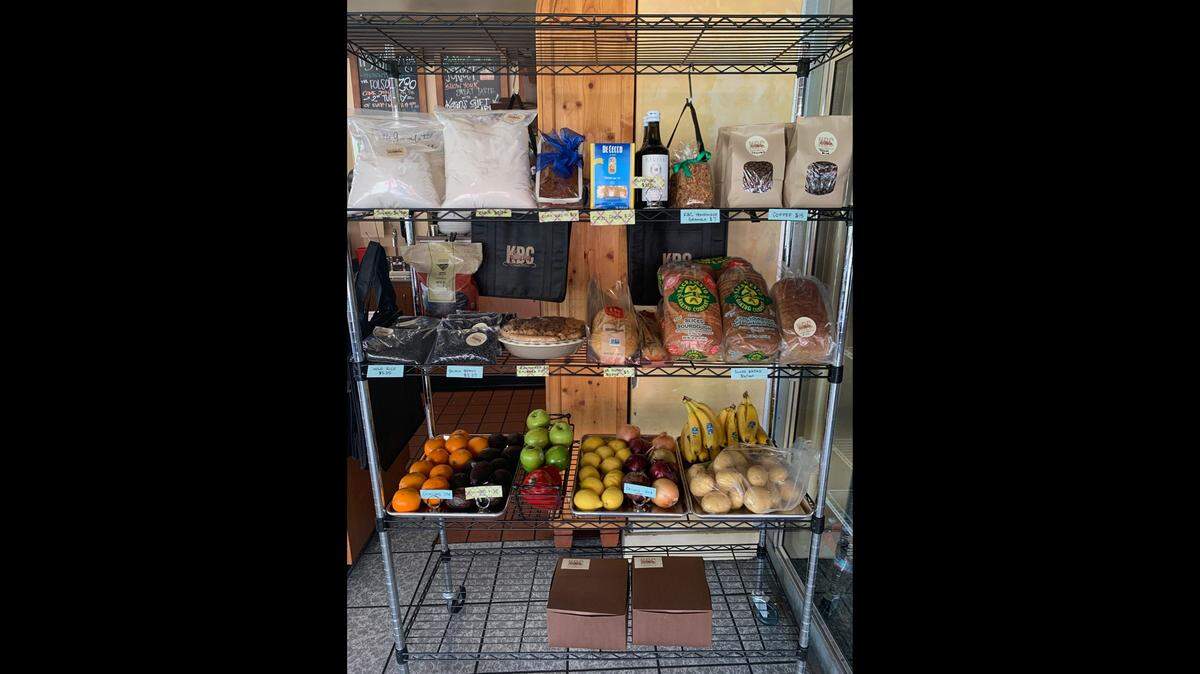
Karen’s Bakery & Cafe had 16 cases of eggs delivered last Monday. On Wednesday, Sacramento County health officials told all area restaurants to stop serving dine-in customers.
Thus was born Karen’s Bakery, Cafe & Marketplace, which began selling customers raw ingredients in addition to prepared food last Wednesday. Eggs, chicken and milk, now hard to find on grocery store shelves, are being sold to-go alongside baked goods and newly-introduced dinner kits.
The 21-year-old Folsom bakery furloughed all but six of its 40 employees after the ban on in-housing dining and needed to clear $1,000 to remain operational, Holmes said. Karen’s has cleared that mark every day thanks in large part to sales of produce, bread, meat, dairy and dry goods, which Holmes said account for 25-30 percent of the business’ revenue.
“It’s all just a matter of trying to figure out how to work within the new rules and how to reinvent ourselves,” Holmes said. “I’m not even trying to make money. All we want to do is make our ends meet and come out on the other side of this with our doors open.”
As restaurants struggle to figure out how to survive without sit-down service, several have pivoted to selling what they’d normally use to make meals. Aioli Bodega Espanola made news last week when owner Aziz Bellarbi-Salah converted his Spanish restaurant into a corner market, complete with a stipend for furloughed employees at Aioli and Bellarbi-Salah’s two other establishments.
Woodland restaurants Maria’s Cantina and Morgan’s on Main now sell disaster packs of 30 eggs, four rolls of toilet paper, six bottles of water and a loaf of bread for $25. Forty dollars buys three pounds of chicken breasts, 15 eggs, a gallon of whole milk, a loaf of bread, three rolls of toilet paper, a pound of butter and two pounds each of uncooked rice, yellow onions, carrots and red potatoes at Southern California-based Lazy Dog’s Folsom and Roseville locations.
The California Department of Alcoholic Beverage Control also began permitting to-go cocktail sales with food last week, a timely concession Tank House BBQ & Bar owners Tyler and Melissa Williams immediately took advantage of. The midtown smokehouse started selling fruity mixed drinks from the Jungle Bird tiki bar, located five blocks down J Street and also owned by the Williamses, on Friday.
Tank House’s in-house bar program, meanwhile, has been mostly replaced with a small-scale butcher shop. House-smoked bacon and dry-rubbed ribs, pork butt and whole chickens have joined prepared barbecue on the take-home menu available 3-9 p.m. Tuesday through Sunday, as have toilet paper, white bread, eggs and paper towels.
“We’re super busy ... it’s been nonstop orders,” an employee said before declining to comment further and hanging up the phone.
Food isn’t the only way to help
One producer, however, essentially threw in the towel on his business to serve a greater good. Dry Diggings Distillery owner Cris Steller and his staff have ditched craft liquors to produce high-alcohol hand sanitizer and disinfectant spray, both of which are then bottled and donated to first responders.
The 8-year-old El Dorado Hills distillery has distributed 50-100 gallons of each, with at least another 175 gallons of hand sanitizer produced and ready to be bottled. Most have gone to units in Amador, El Dorado and Sacramento counties, though bottles have been shipped as far as Cleveland and Pennsylvania.
The spray is made from 190 proof alcohol distilled down to about 140 proof, while glycerine and hydrogen peroxide are needed to make the sanitizer. Each of those liquids, plus the bottles and spray nozzles, cost money. Dry Diggings is still selling its existing stock of vodka, rum, gin, brandy and whiskey, though with 10 bottles sold over the last eight days, they’re not much of a revenue generator.
A GoFundMe page established by head distiller Casey Newman had raised north of $10,000 as of Thursday morning. As long as Steller can keep his three kids, Newman and Dry Diggings’ two other employees paid, he’ll keep the sanitation factory open.
“It’s going to put me out of business,” Steller said. “Between the shutdown and no revenue coming in and the money we’re spending to do the products, I’m sure it’s going to catch up and it’s going to crush us.
“But the community needs what we’re doing. People will be like, ‘How can you keep going up there, doing what you’re doing, knowing that every dollar you spend gets you closer to going out of business?’ Well, a lot of my friends are firefighters and doctors and nurses – not only my customers, but my friends. To me, you have to do this, even if you don’t want to.”
This story was originally published March 26, 2020 at 5:00 AM.