
Merck says its COVID-19 pill cuts hospitalization, death by 50%. Here’s what we know
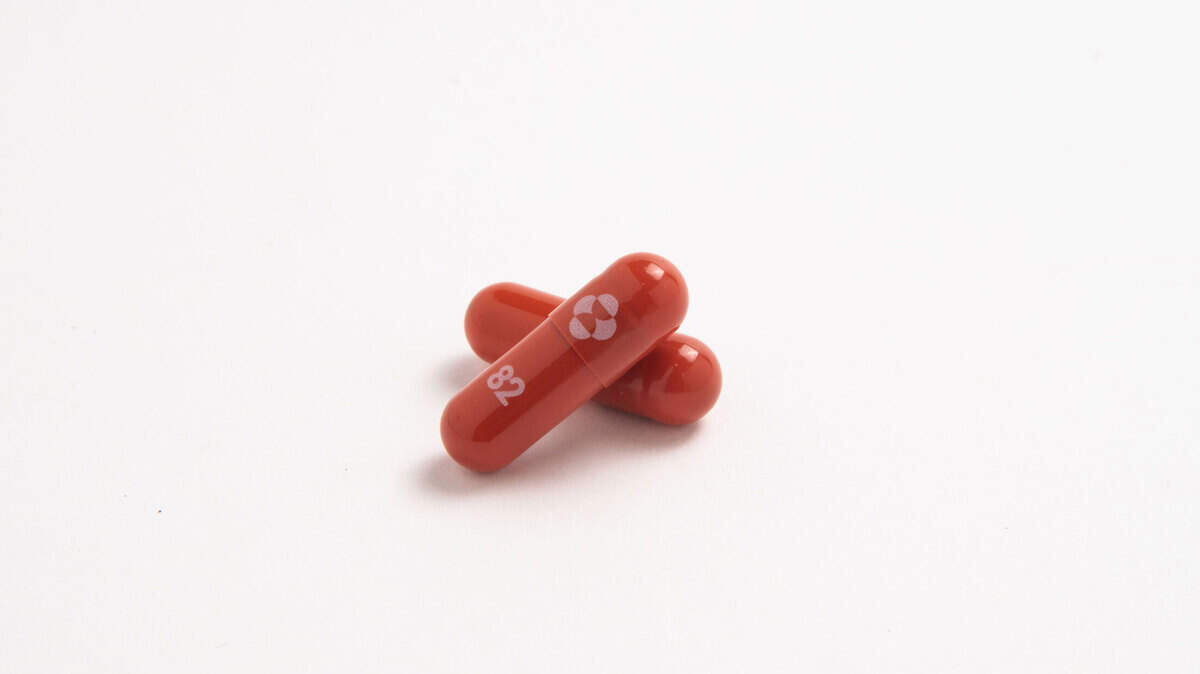
Pharmaceutical company Merck took the internet by storm when it announced Friday morning that findings from a recent study showed its experimental oral pill molnupiravir reduced COVID-19 related hospitalizations and deaths by 50%. Merck and partner Ridgeback Biotherapeutics plan to seek emergency use authorization in the U.S. as soon as possible.
If authorized, molnupiravir could be the first oral antiviral medicine for COVID-19.
If authorized by the U.S Food and Drug Administration (FDA), the company will supply about 1.7 million courses of treatment at $700 per course. In anticipation of the results from the MOVe-OUT trial, which is set to conclude in November, Merck has been producing molnupiravir at risk.
In the interim analysis, 7.3% of patients who received molnupiravir were hospitalized through day 29, compared with 14.1% of placebo-treated patients who were hospitalized or died from COVID-19. The drug was performing so well in its late-stage trial that Merck and Ridgeback Biotherapeutics said they stopped enrolling subjects after discussion from the FDA.
“More tools and treatments are urgently needed to fight the COVID-19 pandemic, which has become a leading cause of death and continues to profoundly affect patients, families and societies and strain healthcare systems all around the world, ‘‘ said Robert M. Daivs, the chief executive officer and president of Merck. “With these compelling results, we are optimistic that molnupiravir can become an important medicine as part of the global effort to fight the pandemic and will add to Merck’s unique legacy of bringing forward breakthrough in infectious diseases when they are needed the most.”
Merck expects to produce 10 million courses of treatment by the end of 2021 and more doses are in 2022.
About Merck’s experimental drug study
The MOVe-OUT trial was a global phase 3, randomized, placebo-controlled, double-blinded, multi-site study of non-hospitalized adults patients with confirmed COVID-19 diagnoses, according to Merck. Patients had to have mild-to moderate-symptoms within the five days of study randomization and all patients were required to have at least one risk factor associated with serious disease.
Patients within the study, who were selected from around the world, were given molnupiravir to take every 12 hours for five days.
Results from Merck’s planned interim analysis
The interim analysis found that within the 775 patients in the Merck study, 7.3% of patients given molnupiravir were either hospitalized or died 29 days after treatment, compared to the 14.1% of placebo patients. There were no deaths in the molnupirvir group, but there were eight deaths in the placebo group.
The most common risk factors induced obesity, older age, diabetes, mellitus and heart disease. According to the study, molnupiravir reduced the risk of hospitalization and death across all key subgroups. Approximately 40% of participants demonstrated effectiveness against viral variants gamma, delta and mu.
How the new drug Molnupiravir works
Molnupiravir inhabits the replication of SARS-CoV-2, a member of a large family of viruses called the coronavirus.
This story was originally published October 1, 2021 at 8:48 AM.