Omicron prompts new COVID booster guidance. Here’s where the Sacramento area stands
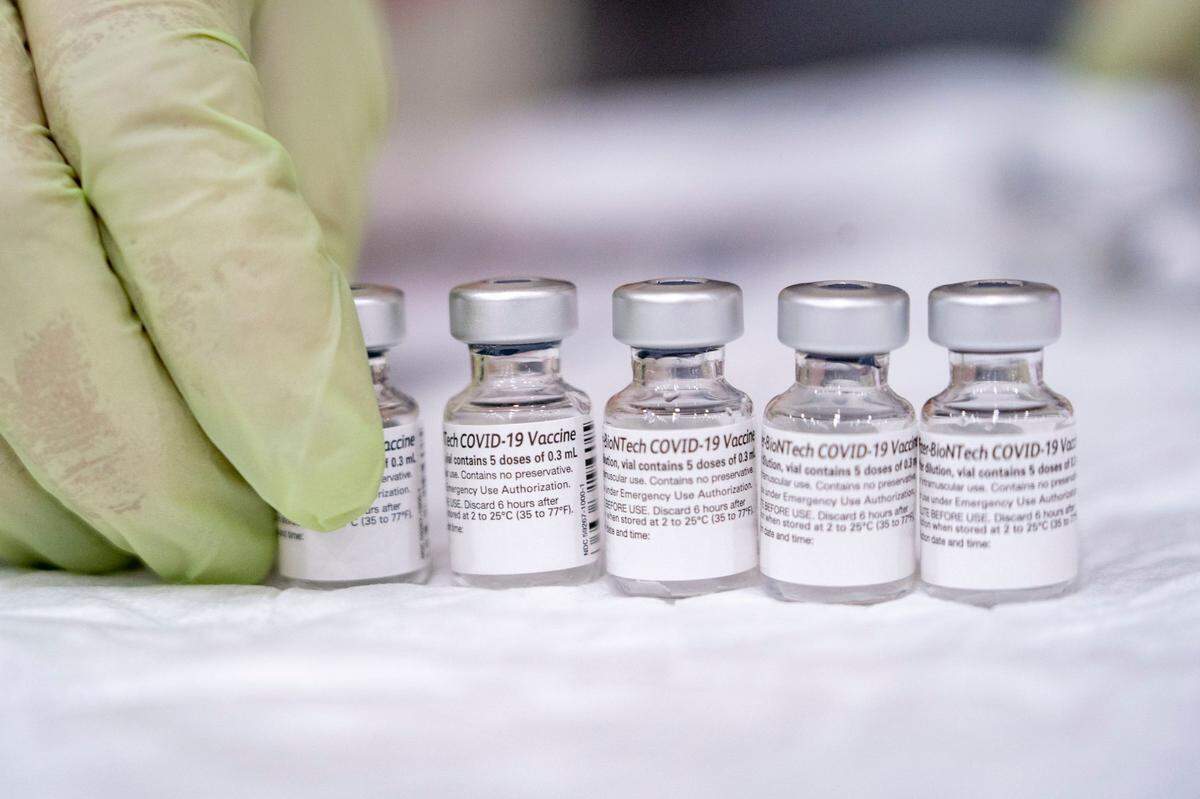
More than 350,000 residents of the four-county Sacramento region have received a COVID-19 booster dose but about two-thirds of eligible adults have yet to get one, as health officials strengthen calls for the general public to get boosted in light of the newly discovered omicron variant.
Data from the California Department of Public Health show that, through Monday, about 31% of Californians eligible for a booster dose have gotten one.
CDPH recently updated its data to include county-level numbers for boosters, which show that rates among Sacramento, El Dorado, Placer and Yolo county residents are above the state average: 37% for Placer, 36% for El Dorado, 34% for Sacramento and 32% for Yolo.
However, those numbers are not necessarily reflective of general uptake rates for those communities.
That’s because for most of the booster rollout to date — from late September up until health officials in early November expanded eligibility to all adults who are a sufficient time period beyond being fully vaccinated — boosters were available only for those 65-plus or with underlying health conditions.
About 22% of El Dorado County residents and 20% of Placer County residents are at least 65 years old, according to the 2020 Census, compared to California’s overall proportion of 15% and Sacramento’s of 14%. Only 13% of Yolo County residents are 65 or older.
CDPH has not yet provided a breakdown of booster doses by age group or other demographics, which would give better insight into general uptake rates among fully vaccinated adults. The county-level data from CDPH also does not track booster doses by brand.
The U.S. Centers for Disease Control and Prevention in updated recommendations Monday said all adults six months beyond their second dose of Pfizer or Moderna, or two months beyond receiving Johnson & Johnson, “should” get a booster.
CDC guidance previously said older adults and those with underlying health conditions should get boosters, while younger adults without conditions “may” seek boosters. The CDC strengthened the guidance in direct response to omicron, which was designated a variant of concern by the World Health Organization last week.
Health agencies and vaccine manufacturers are racing to determine whether omicron is more transmissible, more dangerous or more resistant to immunity from vaccination and previous infections. As of Tuesday morning, it had not yet been detected in the U.S.
California ‘closely monitoring’ omicron, urges vaccination
Even with research still underway on omicron’s impact, health officials say vaccinations and booster doses should provide at least some level of protection against omicron. They also continue to provide strong protection against the delta variant, which as of late November continued to make up virtually 100% of samples tested for variants in California, CDPH reports.
“California is closely monitoring the new Omicron variant, which has not yet arrived in California or the U.S.,” Dr. Tomás J. Aragón, director of CDPH and California’s public health officer, said in a weekend statement.
“Vaccines continue to be our best way through the pandemic by safely protecting us against severe illness from COVID-19 and its variants.”
California had something of a head start. State Health and Human Services Secretary Dr. Mark Ghaly on Nov. 11 said any adult who wants a booster dose may get one, an announcement that came more than a week ahead of similar guidance from the CDC.
The statewide pace for boosters has increased about 15% since then, from an average of about 108,000 doses per day for the week ending Nov. 11 to 126,000 over the seven days leading up to last week’s holiday, CDPH data show. On Nov. 19, the Friday before Thanksgiving, more than 171,000 Californians got a booster.
The nationwide booster rate in the U.S. is about 22%, according to the CDC, nearly 10 points behind California.
“We are ordering more vaccine in anticipation of increased demand and remind everyone they can get a dose at sites across the county – in hospitals, physicians’ offices, local pharmacies, pop-up clinics, and more,” Sacramento County’s health office said in a Nov. 23 news release.
Through Monday, about 5.8 million Californians have received a COVID-19 booster, which is about 19% of the state’s 30.6 million adults across all vaccination statuses.
Statewide, 68% of residents ages 5 and older have been fully vaccinated with two doses of an mRNA vaccine or one dose of J&J, and 76% have had at least one dose, according to CDPH.
Across California, the percentage of eligible, fully vaccinated adults who have received a booster varies. But in 50 of 58 counties, at least 25% of eligible adults have been boosted.
Topping the list was a mix of rural populated counties with large proportions of elderly residents — Inyo (43% of fully vaccinated with a booster dose), Trinity and Modoc (each at 40%) — along with the Bay Area counties of Marin and San Mateo (each at about 40%).
Near the bottom is a mix of rural and Southern California counties with small or near-average shares of elderly residents, such as Merced (21% with a booster dose), San Diego (24%) and Yuba (24%).
This story was originally published November 30, 2021 at 10:56 AM.