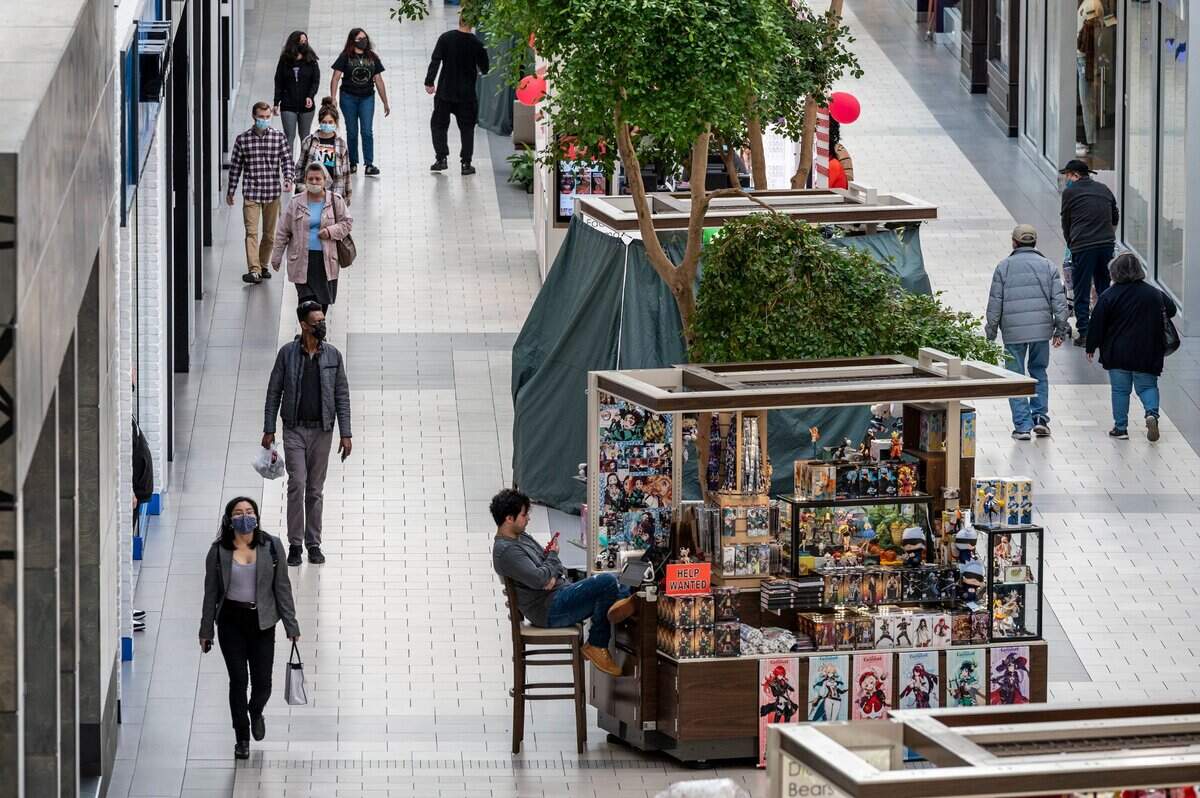
As most California counties end COVID mask mandates, here’s why some are keeping them
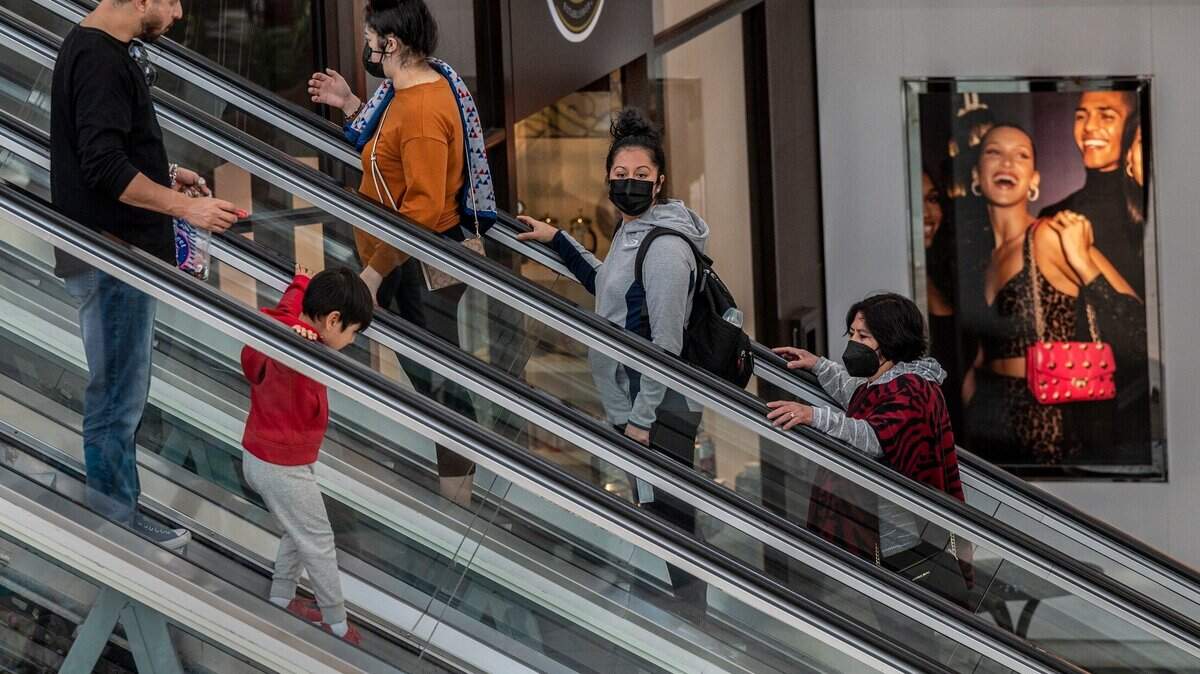
As Sacramento and Yolo counties faced last summer’s surge from the delta variant of COVID-19, local health officials set targets to reach before removing indoor masking requirements for the fully vaccinated.
Sacramento health officer Dr. Olivia Kasirye said she’d likely end the universal mask order, imposed in late July, once the county returned to a rate of around five daily cases per 100,000 residents.
Yolo health officer Dr. Aimee Sisson set an even tighter threshold — two cases per 100,000.
Both seemed achievable.
Then came omicron.
The recent, extremely steep surge saw case rates explode to about 250 per 100,000 in each county by early January, according to state and local health data – roughly 125 times higher than Sisson’s target and 50 times higher than Kasirye’s.
Now, a few weeks later, numbers are fast improving but both counties are still recording dozens of daily infections per 100,000 residents, according to the California Department of Public Health.
Yet the two health officers ended their local masking orders.
They’ll align with loosening restrictions at the state level. Gov. Gavin Newsom last week announced California would let its indoor mask requirement for the fully vaccinated to expire after Tuesday, though masks remain mandatory in a number of places including health care settings and K-12 schools.
At the same time, two of the state’s most populous counties — Los Angeles and Santa Clara — decided to maintain stricter mask requirements until COVID-19 numbers improve further.
So, is now the appropriate time for state and local mask mandates to end? How are those decisions being made? What do experts think?
Here are some of the explanations, arguments and counterarguments being given amid a shifting mask landscape.
Timeline for state mask orders
California returned to an indoor mask requirement, regardless of vaccination status, on Dec. 15. Initially, a one-month measure set to last through Jan. 15, state health officials extended it Feb. 15 as transmission rates reached all-time records.
California’s COVID-19 numbers remain above pre-omicron levels — test positivity and case rates as of Tuesday were roughly three and four times higher, respectively, than on Dec. 15, according to the state health department — but have maintained a sharp, steady decline since early January.
The case rate by Tuesday was 51 per 100,000, a little more than one-sixth of the peak of 299 per 100,000 recorded Jan. 10.
State Health and Human Services Secretary Dr. Mark Ghaly in a Monday news conference said masks are just one layer of protection from COVID-19. Others include avoiding large gatherings, spending more time outdoors, and getting vaccinated and boosted.
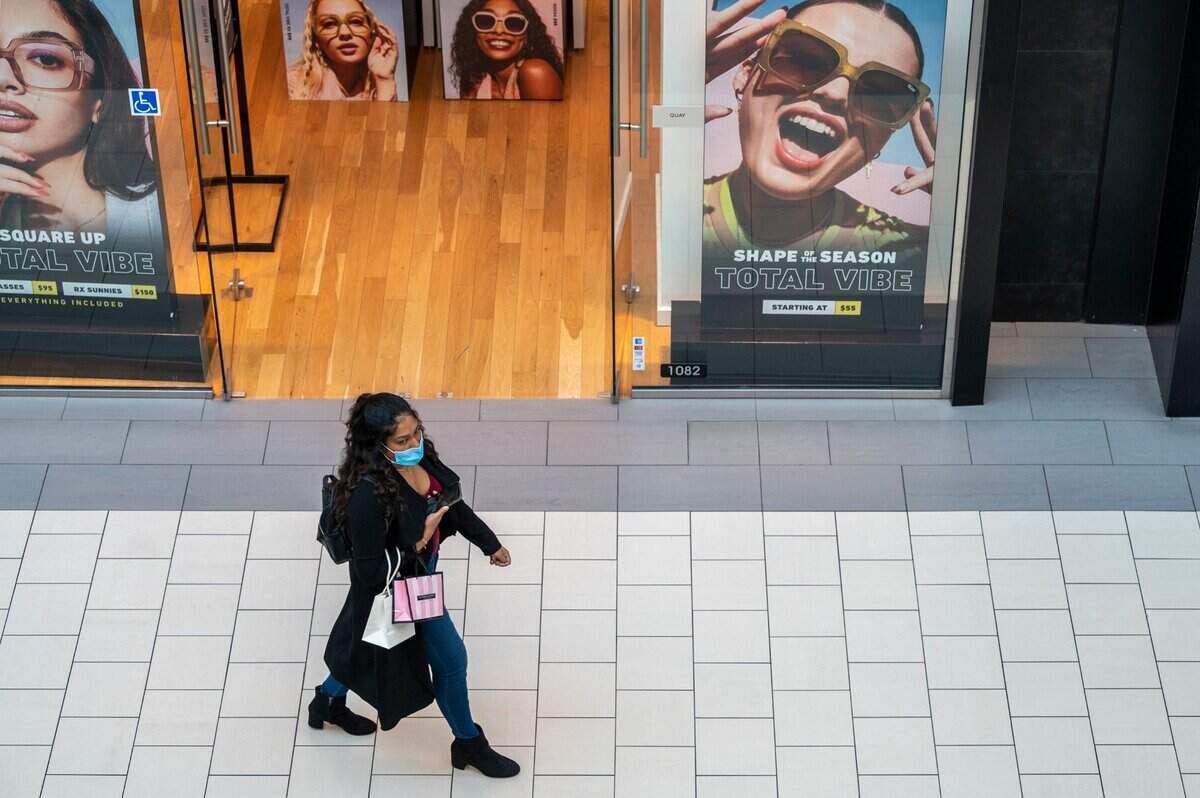
Ghaly referred to masks as a tool and, like all tools, “you need to use it at certain times more than other times.”
He also noted the state’s improving hospital situation, with the daily number of COVID-19 admissions dropping to 1,047 on Monday from 2,808 on the same day last month.
‘Learning to live with COVID-19’
Andrew Noymer, an epidemiologist and public health professor at the University of California, Irvine, calls himself a “mask freak” who wears one whenever he’s indoors other than in his own home. They’re required at his workplace, a rule he supports.
But Noymer is in favor of the state lifting its universal indoor mandate with some “caveats and asterisks.”
“I’d like people to mask,” he said. “But I think there are issues strategically with having mandates that are starting to abrade people.”
He predicted another wave this calendar year, “probably sometime in December,” when masking “will genuinely be needed again.”
“And I feel like we want to keep our powder dry for that day.”
Noymer said there are essentially three camps when it comes to public mask use: those who will mask “regardless of what the state requests;” those “flouting the order already” who won’t mask; and those who are following the “letter of the law,” only masking if there’s a mandate.
“I think that third group of people is actually relatively small, and the effect of lifting the order will be relatively small,” Noymer said.
In her rescission notice, Sisson gave detailed rationale for ending Yolo County’s mandate.
Sisson cited improving case rates; wide availability of vaccines and growing access to other therapeutics such as antiviral pills; the “decoupling” of infection and severe illness that’s been observed with the omicron variant; and the fact that “COVID will always be with us.”
Sisson still strongly recommends wearing a mask in public indoor settings, and also said Yolo could return to a mask order in the future if needed.
“Learning to live with COVID-19 will involve fewer government mandates and more government recommendations,” Sisson wrote. “Persons with a lower risk tolerance, perhaps because of underlying medical conditions or age, can choose to take additional precautions, such as by wearing masks.”
Noymer agreed people must “calibrate” their risk tolerance.
The case for keeping mask orders
Barbara Ferrer, Los Angeles County’s public health director, puts forward a straightforward argument: The COVID-19 numbers are simply too high at the moment to lift mask requirements.
“We should not be lifting the masking mandate when we are reporting thousands and thousands of new cases every day,” Ferrer told L.A. supervisors. “That doesn’t make sense to us here at public health.”
Ferrer has said the indoor mask order won’t end until either the county’s COVID-19 transmission rate drops to “moderate,” as defined by the U.S. Centers for Disease Control and Prevention — seven daily cases per 100,000 residents or fewer — or until vaccines have been available for children younger than 5 for eight weeks.
Los Angeles as of Tuesday had a case rate of 52 per 100,000, according to CDPH.
Santa Clara County’s health director, Sara Cody, set a similar case rate target and said she would also take hospitalizations into account. Santa Clara’s latest case rate was 57 per 100,000.
Cody and Ferrer each estimated it’d be a few more weeks before the necessary metrics are met, likely sometime in April.
Noymer argues that strict data thresholds are inflexible.
“I think you always need to assess what’s going on, at any given moment,” Noymer said.
At the same time “some would say that that preserves flexibility to cave into political or public pressure,” Noymer said. “And having rigid thresholds is a way around that.”
Sisson wrote that it’s “unlikely” that her July target of two cases per 100,000 “can be reached in the near future, if ever.” CDPH reported Yolo County on Tuesday at 51 per 100,000.
Long COVID and other unknowns
Noymer says some of his peers disagree on when to end mask mandates. He concedes that in a perfect world, the order would probably stay in place a few more weeks.
“In a purely epidemiological space, you would say, ‘leave it in place longer.’ But epidemiology has to have a practical side.”
Noymer said he hears three main arguments among experts on why to keep mask orders in place.
The first is the idea that we can still get to zero COVID.
“Eradicating COVID is a fantasy at this point,” Noymer said. “It’s a pipe dream.”
The second is that scientists still don’t understand the long-term effects of COVID-19, both in those with “long COVID” and those who recover and don’t appear to have long COVID.
“COVID affects our health in ways that we are far from understanding, so the precautionary principle would say you have to mask,” Noymer said. “It’s part of the reason I am masking.”
The third argument is that mandates maximize the number of people wearing masks, increasing the protection of everyone who’s masking.
“In theory, I agree with that,” Noymer said. “In practice, I just worry about the long-term costs.
“‘You’re gonna wear a mask and you’re gonna wear a mask until I say you can take it off, potentially indefinitely’ is not how to win hearts and minds.”