
Kids under 5 can now get COVID vaccine after FDA authorization. What to know
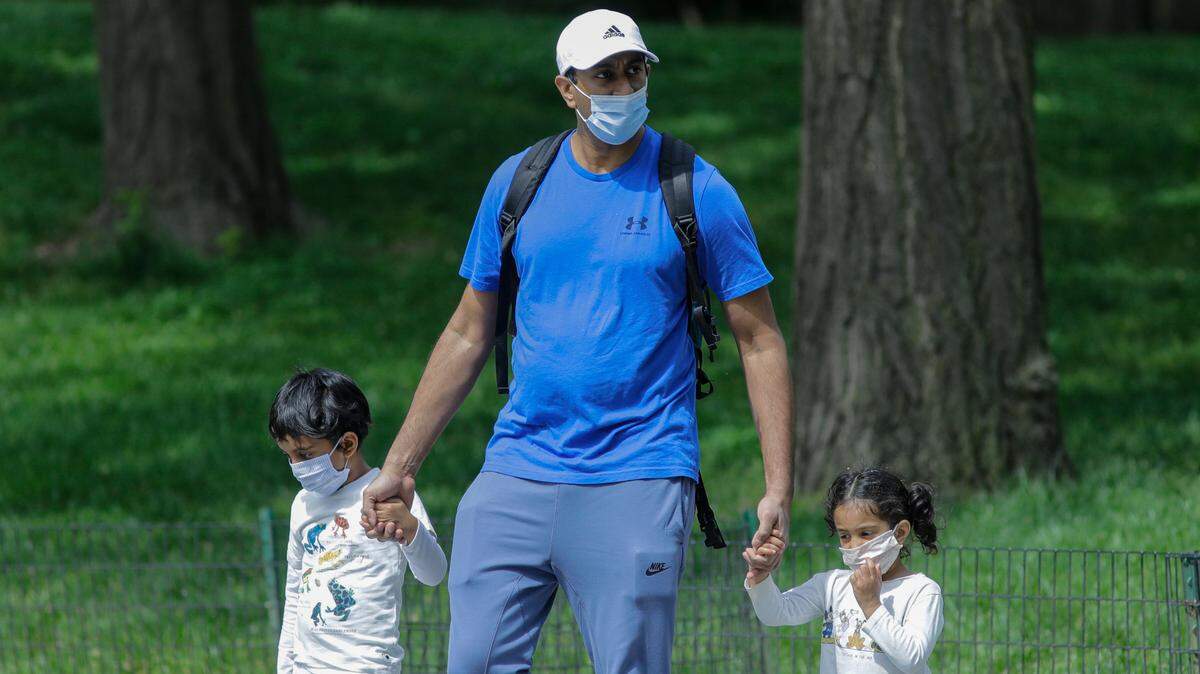
Update: The Food and Drug Administration authorized Pfizer and Moderna’s COVID-19 vaccines for children as young as 6 months old on June 17.
The original article continues below.
Food and Drug Administration vaccine advisors recommended authorizing Pfizer and Moderna’s COVID-19 vaccines for emergency usein U.S. babies and children 6 months and older on Wednesday, June 15.
This came after the FDA’s Vaccines and Related Biological Products Advisory Committee reviewed whether the benefits of the shots outweigh potential risks based on the data presented by both companies. For both vaccine brands, committee members voted unanimously in support of their use for young children, The Associated Press reported.
Now it is up to the FDA to decide whether to issue the authorization that would allow the youngest age groups in the country to get vaccinated against COVID-19.
Here’s what to know.
The FDA’s advisory committee decision came one day after it voted to recommend Moderna’s COVID-19 vaccine to children and teens ages 6-17 on Tuesday, June 14, according to The Associated Press.
As of June 15, the only COVID-19 shot authorized by the FDA for children ages five and older is Pfizer’s vaccine. Meanwhile, Moderna’s shot is authorized for those 18 and older and Johnson and Johnson’s COVID-19 vaccine has been limited to use in certain adults by the FDA.
Both Pfizer and Moderna provided FDA advisors with safety and effectiveness data on their shots for young children for the committee meeting on June 15, according to FDA briefing documents.
Findings on the Pfizer vaccine
On May 27, Pfizer submitted a request to the FDA asking that it expand the eligibility of its vaccine to babies and children ages 6 months and older, a FDA briefing document said.
If authorized, children in this age group would be eligible for a “3-dose primary series,” the FDA noted. In comparison, adults who receive the Pfizer shot receive a 2-dose primary series.
“The 3-µg dose level, which is one-tenth the dose for adults, was selected for children under 5 years of age based on safety, tolerability and immunogenicity,” the company said in a news release following the results of a study.
In a study of more than 1,600 children 5 and under, Pfizer said the third dose was “well-tolerated” and demonstrated 80.3% effectiveness against COVID-19, including the omicron variant, according to Pfizer.
After reviewing the data, the FDA said in its briefing document that Pfizer doses would likely be beneficial for young children.
“Given the uncertainty of the COVID-19 pandemic and likelihood of continued SARS-CoV-2 transmission during the ensuing months, deployment of the vaccine for use among children 6 months through 4 years of age will likely have a beneficial effect on COVID-19 associated morbidity and mortality in this age group,” the agency wrote.
The FDA emphasized that the rates of COVID-19 hospitalizations and deaths are higher for children 6 months to 4 years old compared with children and teens ages 5-17.
When it came to the Pfizer vaccine’s safety for young children, the FDA said the data did “not suggest any new safety concerns compared with the safety profile described in older age groups.”
The agency named some potential health reactions to the Pfizer vaccine, including allergic reactions and myocarditis/pericarditis in the document.
Findings on the Moderna vaccine
In late April, Moderna submitted a similar request to the FDA asking to allow babies and children ages 6 months to 5 years old to get vaccinated with a two-dose primary series.
A company study on roughly 6,700 children of this age group who received two Moderna vaccine doses found the shots were “generally well tolerated” and “significant vaccine efficacy was observed during the Omicron wave,” according to a company news release. The dosages were lower compared with Moderna doses for adults.
“Vaccine efficacy in children 6 months to 2 years was 43.7% and vaccine efficacy was 37.5% in the 2 to under 6 years age group.”
After reviewing the data, the FDA determined in its briefing document that the results showed “effectiveness against COVID-19 caused by the ancestral strain, Alpha, and Delta variants and more modest effectiveness against COVID-19 caused by the Omicron variant.”
The FDA mentioned that a potential risk of the Moderna vaccine for young children was the possibility of a fever. However, the agency wrote that the fever rates were not “substantially different” compared to reactions following “routine childhood vaccines.”
Similarly to the Pfizer vaccine, the agency noted that allergic reactions and myocarditis/pericarditis are a known potential risk associated with the Moderna vaccine.
Amid the FDA’s committee meeting, the Centers for Disease Control and Prevention advised pediatric providers to “be prepared to talk with parents and caregivers about #COVID19 vaccines and boosters for children,” on Twitter.
Pfizer and Moderna COVID-19 shots are expected to be available for administering as soon as next week if “all the regulatory steps are cleared,” according to The Associated Press.
This story was originally published June 15, 2022 at 2:47 PM with the headline "Kids under 5 can now get COVID vaccine after FDA authorization. What to know."
.jpg)