
The state of emergency is over, but how well do you know what is true or false about COVID?
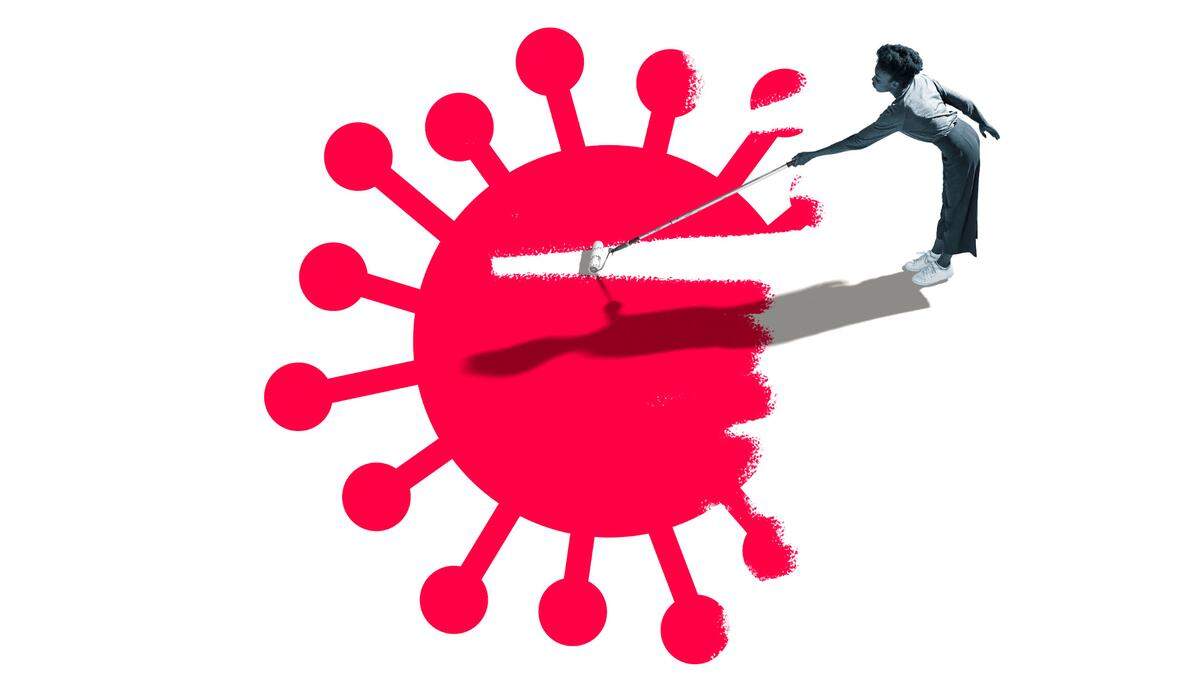
California’s COVID-19 state of emergency came to its ceremonial end Tuesday without much ceremony at all, Sacramentans likely thinking more about low snow on a chill, damp February day than mask mandates.
Three years after Gov. Gavin Newsom put pen to paper in March 2020 enacting the emergency order, what have we Californians learned about the virus, do we know what we thought we knew and how well do we know it? The pandemic feels over, even though, of course, cases persist. What also persists is the examination of what we experienced, what was right, what was true, what we knew and what we thought we knew.
So let’s take an exam of that examination.
Call this a refresher, an update, or C) all of the above; our questions — and answers — to test your COVID-19 knowledge. Here we go, we’ll do this as a true or false quiz:
True or False? You don’t have to wear a mask
True.
Mostly.
Now that the state of emergency has been lifted, to mask or not to mask is today’s first question.
Sacramento County does not have any mask requirements in place, says county spokeswoman Samantha Mott, however, California Department of Public Health does still have masking orders.
Yolo County Board of Supervisors voted Feb. 21 to lift the emergency order effective Tuesday. Yolo County recommends wearing masks indoors and when respiratory virus levels are high.
The end of the emergency declarations does not end mask requirements in certain situations under California’s COVID-19 rules, including in health care settings such as hospitals and nursing homes.
True or False? The flow of free COVID tests and vaccinations will change
True.
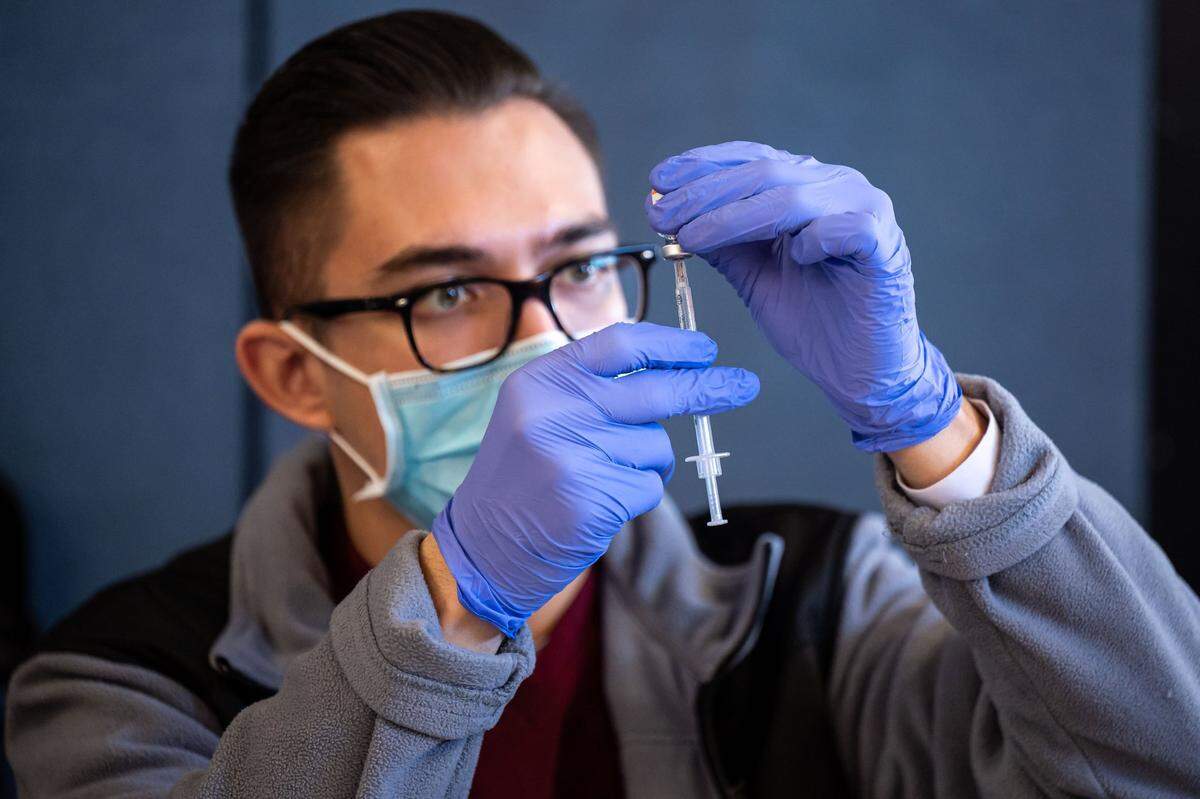
California law requires health plans to cover the cost of COVID-19 therapeutics and vaccines and, until Nov. 11, reimburse the cost of at-home tests. After Nov. 11, drugs and tests will be covered only if obtained from providers inside a patient’s insurance network.
Uninsured Californians should be able to access the government’s stockpile of COVID-19 drugs and vaccines into the summer months at the earliest. But Dr. Robert Wachter, chairman of the Department of Medicine at UC San Francisco, said low-income Californians could face more hurdles in accessing free COVID care if policies change.
True or False? Kids need to have a COVID vaccination to attend school
False.
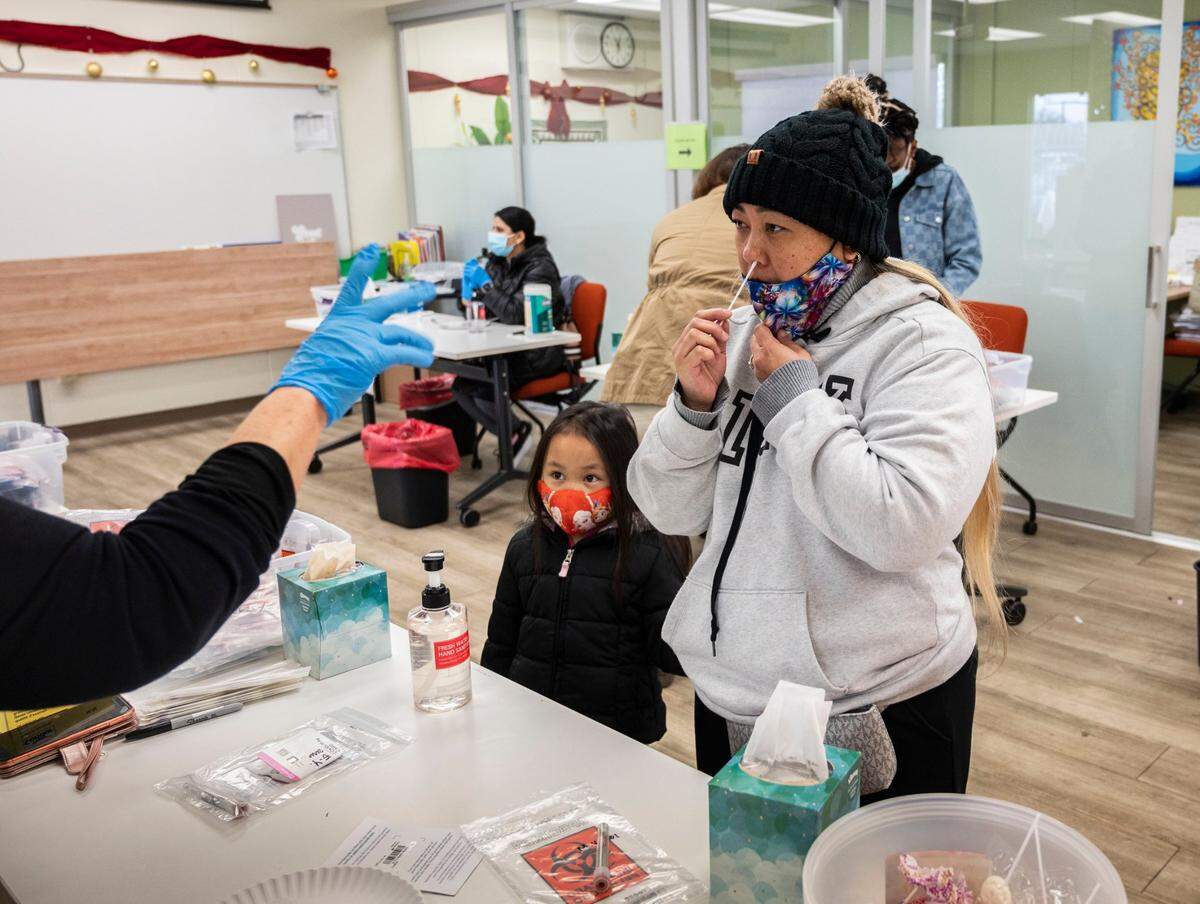
As of today, no, reports education news website EdSource. State public health officials have said that Tuesday’s end to the state of emergency would also halt Department of Public Health plans to add COVID-19 vaccinations to the list of 10 vaccinations children must receive before attending school in person.
California Department of Public Health continues to “strongly recommend” COVID immunizations for students and staff, officials said.
True or False? The face coverings worked
The professor will accept an essay answer.
Don’t worry, it’s not a timed exam.
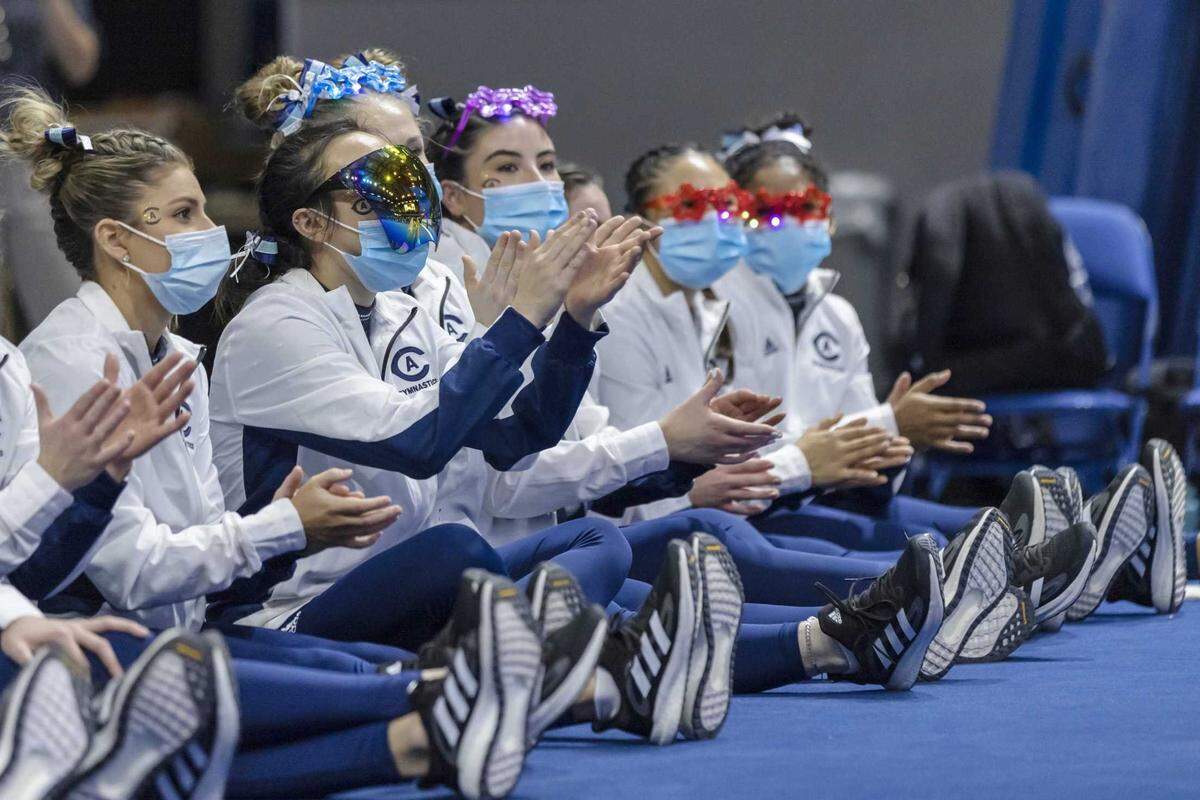
Strong evidence shows that N95 masks offer “the highest level of protection” from the virus that causes COVID-19, said UC Davis Health on Tuesday, citing the U.S. Centers for Disease Control and Prevention; surgical masks are also effective.
Masking generally can significantly reduce transmission of COVID-19 and other respiratory infections in health care and community settings, evidence shows.
But a new Cochrane study disputes the efficacy of masks — and states’ mask mandates. It has sparked heated debate.
Conservative New York Times columnist Bret Stephens latched onto the study and argued masks were useless and that the mandates bombed. (Headline: The Mask Mandates Did Nothing. Will Lessons Be Learned?).
“No study — or study of studies — is ever perfect. Science is never absolutely settled. What’s more, the analysis does not prove that proper masks, properly worn, had no benefit at an individual level,” Stephens writes.
He adds: “But when it comes to the population-level benefits of masking, the verdict is in: Mask mandates were a bust.”
His piece generated close to 4,000 comments.
Both the study and opinion piece now are being panned by medical and public health experts, scientists, journalists and commentators who call the analysis and opinion piece misleading, harmful and worse.
The analysis, some medical academics said, relies on apples-and-oranges comparisons that don’t fully consider how COVID spreads and how masks work.
Meantime, the Los Angeles Times’ Michael Hiltzik has called Stephens’ conclusions “abject twaddle.”
True or False? The virus’ origin has been determined
False.
But competing theories that the COVID virus was either transferred from animals to people at a Wuhan, China, wet market or that it was mistakenly released by a Chinese virology lab a few miles from the viral epicenter in Wuhan have gained new momentum with the Department of Energy’s conclusion that a lab leak was to blame.
Energy’s conclusion, reported by the New York Times and Wall Street Journal, that the lab’s mishandling likely triggered the global contagion, was “relatively weak,” USA Today reported, saying it couldn’t independently confirm the reports. Meantime, federal agencies have also come to differing conclusions, USA Today said.
The Department of Energy’s conclusions, which echo what have been main GOP allegations about the origins of the virus, have added a spark to congress’ investigations into the pandemic.
Former “Daily Show” host Jon Stewart, who now presents “The Problem with Jon Stewart” for Apple, received sharp criticism for posing this possibility as a guest on “The Late Show with Stephen Colbert” in June 2021.
He reacted this week. “The larger problem with all of this is the inability to discuss things that are within the realm of possibility,” he said.
And on Wednesday, Director Christopher Wray spoke publicly for the first time about the FBI’s assessment, saying that the coronavirus “most likely” originated from a lab incident.
“The FBI has for quite some time now assessed that the origins of the pandemic are most likely a potential lab incident in Wuhan,” he told Bret Baier in an interview on Fox News.
True or False? California law prohibits the spread of misinformation about COVID
True.
But hold on ...
The law that sanctions physicians who spread bogus information about COVID-19 to their patients is being challenged in the courts. A Sacramento federal judge blasted language in one of its key provisions as “nonsense.”
The law, AB 2098, went into effect Jan. 1, and states that doctors who share false information about COVID-19 treatment options and vaccines, whether they did so deliberately or not, could be disciplined for “unprofessional conduct” and potentially lose their license to practice.
Senior Judge William Shubb at a January hearing in Sacramento took issue with how “misinformation” is defined in the legislation — false information “contradicted by contemporary scientific consensus” — and said physicians may not know what may violate the law when consulting with their patients.
As for “contemporary scientific consensus, the order said: “The statute provides no clarity on the term’s meaning, leaving open multiple important questions. For instance, who determines whether a consensus exists to begin with? If a consensus does exist, among whom must the consensus exist (for example practicing physicians, or professional organizations, or medical researchers, or public health officials, or perhaps a combination)?”
This story was originally published March 3, 2023 at 5:00 AM.
.JPG)