
How you get rid of food waste in Sacramento will change next year. Here’s how to prepare
Starting next year, all Sacramento residents, regardless of their jurisdiction, will be required to recycle organic waste to curb the effects of climate change.
The statewide mandate, or SB 1383, requires Californians to reduce organic waste disposal by 75% and to increase edible food recovery by 20% by 2025.
California disposed of roughly 27 million tons of organic waste in 2017, all while one in eight Californians experience food insecurity, according to the official City of Sacramento website.
Jesa David, a spokesperson with the Sacramento Recycling and Solid Waste Division, said the city is currently focused on developing the program and educational outreach.
“We’ll start really pushing that campaign and just making sure that all the individuals of Sacramento get some information about what this will look like at home, how to discourage pests and odor because we know there are a lot of practical issues that come with recycling food waste in with your yard waste” David said.
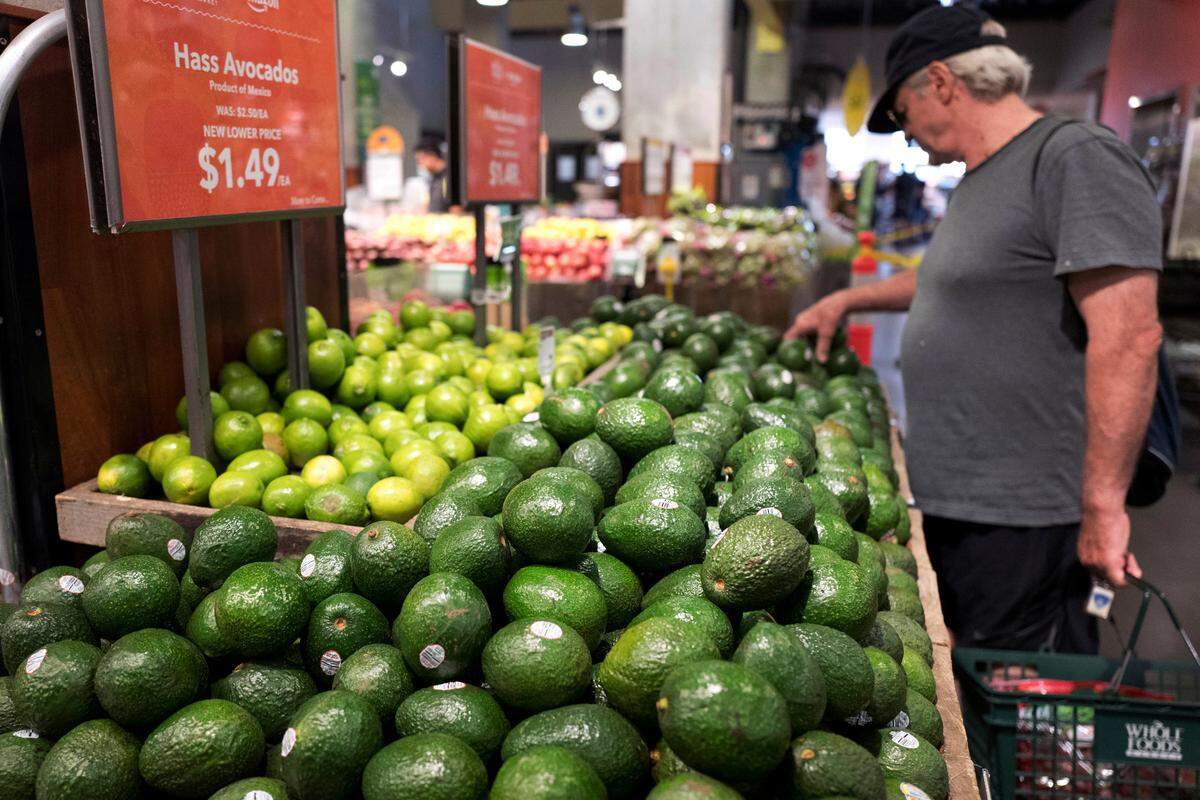
Californians send 11.2 billion pounds of food to landfills every year, with some still fresh enough to have been recovered to feed people in need, according to Cal Recycle, the California Department of Resources Recycling and Recovery.
SB 1383 was passed in 2016.
Along with the upcoming mandate, some food service businesses must donate edible food to food recovery organizations. By 2025, the state hopes to redirect 20% of edible food currently being thrown away to people who need it.
This will be in addition to the organic waste disposal reduction program that took effect in July 2021, where businesses and other commercial entities in Sacramento were required by law to start separating organic material from their garbage for recycling — regardless if they sold food.
“Anything unfamiliar is going to cause questions,” David said. “And so there’s ‘how will this actually work, how can we make this easy on ourselves at home, why are we doing this?’ in anticipation of the program starting,” David said.
Here’s what you need to know about the upcoming organic waste mandate set to hit Sacramento residents:
When does the law take effect?
The state’s regulations to meet the organic waste reduction targets take effect and are enforceable starting Jan. 1, 2022. But Cal Recycle is leaving enforcement and program development up to individual jurisdictions.
Sacramento is scheduled to launch its organic waste disposal reduction program for residents later next year. Residents will dispose of their organic waste in a specified bin, instead of their garbage bin. But you will start to see messaging around the change earlier in the year, David said. And it’s not too soon to start preparing.
Here’s a timeline of the statewide organic waste program, according to the official the city’s website (* indicates 2022 dates):
July 1, 2020 - Cal Recycle begins analyzing the progress that the waste sector, state governments, and local governments have made in reaching organic waste reduction targets for 2020 and 2025.
July 1, 2021 - Businesses in Sacramento must meet state mandates for diverting recyclables and organic material.
*Jan. 1, 2022 - Cal Recycle’s regulations to meet the organic waste reduction targets for 2020 and 2025 take effect and are enforceable.
*Summer 2022 - The City of Sacramento is expecting to launch its organics recycling program for residents.
Jan. 1, 2024 - Cal Recycle may require local jurisdictions to impose penalties for non-compliance on regulated entities subject to their authority.
Jan. 1, 2025 - By this date, the state must achieve a 75% reduction in the level of statewide disposal of organic waste from the 2014 level. In addition, not less than 20% of currently disposed edible food must be recovered for human consumption.
Accepted materials
The City of Sacramento accepts these organic waste materials:
- Vegetable and fruit scraps
- Eggshells
- Meat
- Dairy
- Bones
- Rotting food
- Food-soiled paper (pizza boxes, coffee filters and paper napkins)
- Yard trimmings
- Green material
- Landscape and pruning waste
- Clean lumber and wood
- Paper products
- Printing and writing paper
Jurisdictions can select from a variety of organic waste collection services to match their unique communities and local infrastructure, according to the website.
Collection requirements
Single-family home residents and multifamily complexes will be required to subscribe to and participate in their jurisdiction’s organic curbside collection service. Residents must properly sort their organic waste into the correct containers.
Complex property owners or managers must provide waste collection services for their employees and tenants and must supply an adequate number of sizes and locations of containers.
For more resident requirements and collection systems, container colors and labeling, visit the Cal Recycle website.
Waste inspections
To keep organic waste streams clean, jurisdictions will be monitoring containers for contamination.
If a jurisdiction provides a three-container or two-container organic waste collection service, the jurisdiction must either conduct route reviews of residents’ containers or waste evaluations at the solid waste facilities.
For more information on how to prepare for the new organic waste program for residents, watch this short video provided by Cal Recycle:
Ways to reduce wasted food
To start preparing for the upcoming mandate, practice minimizing food waste and purchase a countertop compost can available at places like Amazon, Target, Crate and Barrel to name a few.
Leading up to the launch of the organic waste residential program next year, the City of Sacramento’s Recycling and Solid Waste Division will provide free small kitchen countertop containers, a roll of compostable bags and informational handouts to residents, David said.
According to the United States Environmental Protection Agency, planning, prepping and storing food can help households waste less food.
Here’s how you can help the reduction of food waste, according to the United States Environmental Protection Agency:
Plan your grocery trips
- Make your shopping list based on how many meals you’ll eat at home.
- Plan your meals for the week before you go shopping and buy only the things needed for those meals.
- Before going shopping, check your refrigerator and pantries first to avoid buying food you already have.
How you store your food matters
- Freeze, preserve or can surplus produce.
- Wait to wash berries until you want to eat them to prevent mold.
Perishable foods goes first
- When you get home from the store, take the time to wash, dry, chop, dice, slice, and place your fresh food items in clear storage containers for snacks and easy cooking.
- Freeze food like bread, sliced fruit, or meat that you know you won’t be able to eat in time.
For more tips on how to reduce food waste at home, visit the EPA website.
This story was originally published November 22, 2021 at 6:00 AM with the headline "How you get rid of food waste in Sacramento will change next year. Here’s how to prepare."