
New report shows California air quality among worst, and best, in the US
California is home to some of the U.S.’s most polluted cities, a new report from the American Lung Association showed.
The medical organization recently published its 2026 State Of The Air report, showing short-term and year-round impacts of ozone and particle pollution on populations across the country.
In its key findings, the report showed many of California’s cities and counties earned a failing grade for the number of days they faced high amounts of particulate pollution between 2022-2024. Of the 23 cities nationwide with the worst year-round particle pollution, seven were in California.
At the same time, other regions of the state had some of the country’s cleanest air during 2022-2024. Some major cities in California even celebrated their lowest-ever number of days with poor ozone or particle pollution.
The association grades cities and counties on the number of days annually they had high ozone and particle pollution, as well as and year-round average particle pollution concentration.
Grades are issued based on the number of days on average each year that are considered high pollution days and amount of pollution concentration above a stated baseline. Particle pollution, according to the EPA, is a general term for a mix of solid and liquid droplets in the air that can include smoke, soot or dust particles, aerosolized cleaning products, and pollen and mold spores.
Here’s what to know about the state of California’s air, according to the American Lung Association.
Which of California’s cities and counties were the most polluted?
Two Southern California cities were reportedly the nation’s worst offenders for ozone pollution and year-round particle pollution, the report showed.
The Los Angeles-Long Beach metropolitan area topped the American Lung Association’s list for most ozone-polluted cities.
During the 2022-2024 reporting period, the metro saw a weighted average of 159.2 days of high ozone, the report said. A passing grade for high ozone days would be only 3.2 days annually.
The Los Angeles area has failed the association’s ozone days assessment by a significant margin during every reporting period since 1996. The lowest recorded annual average was 142.3 days, between 2013-2015.
Seven other California metro areas were on the report’s worst ozone offenders list:
- Visalia, No. 2
- Bakersfield-Delano, No. 3
- Fresno-Hanford-Corcoran, No. 5
- San Diego-Chula Vista-Carlsbad, No. 7
- El Centro, No. 10
- San Jose-San Francisco-Oakland, No. 14
- Sacramento-Roseville, No. 16
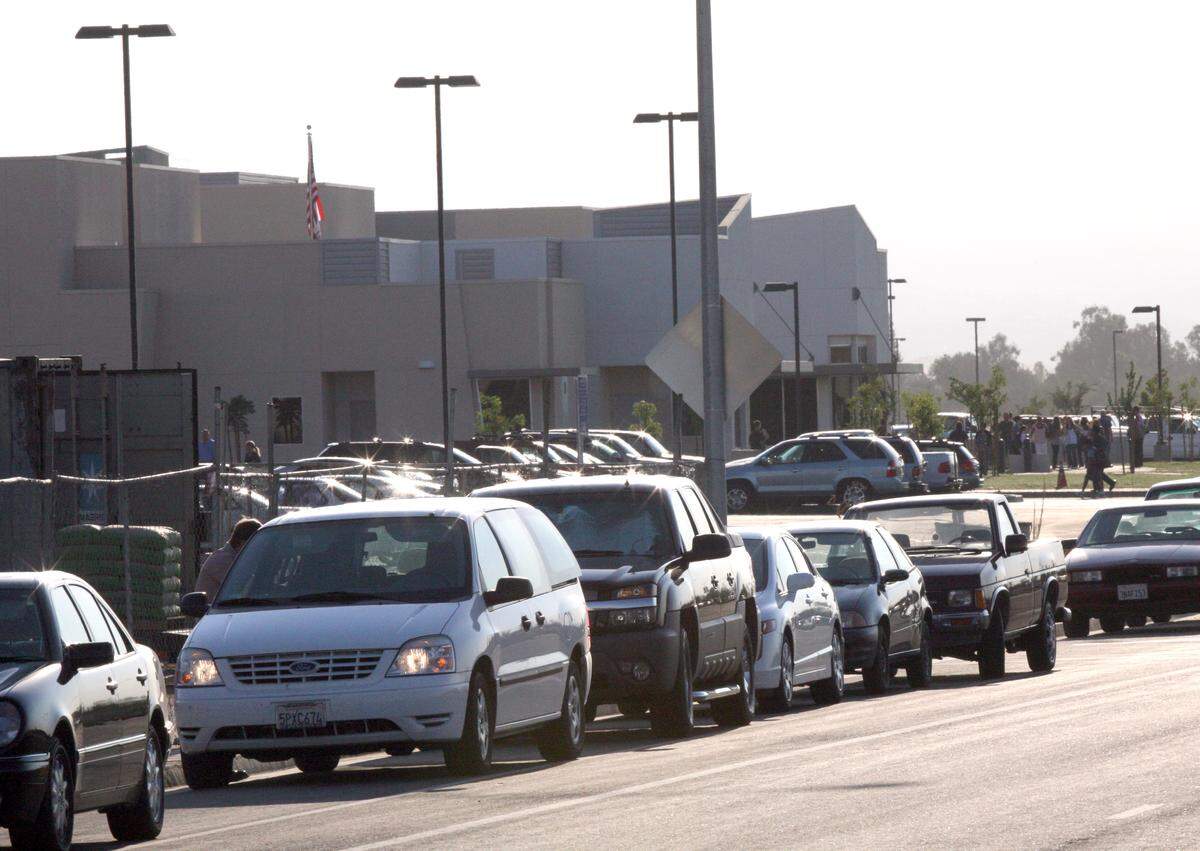
For year-round particle pollution, the Bakersfield-Delano region experienced the nation’s highest annual average concentration of particle pollution during the reporting period.
According to the report, Bakersfield-Delano had an average of 14.7 micrograms per meter cubed of particle pollution annually in 2022-2024, which was a record low for the area. A passing grade would require an average concentration of only 9 micrograms per meter cubed per year.
Six other California cities made appearances in the worst year-round particle pollution list:
- Fresno-Hanford-Corcoran, No. 4
- San Diego-Chula Vista-Carlsbad, tied for No. 5
- Visalia, tied for No. 5
- Los Angeles-Long Beach, No. 7
- San Jose-San Francisco-Oakland, No. 13
- El Centro, No. 21
Though California cities didn’t top the list for short-term particulate pollution, there were a number of top-25 entries:
- Bakersfield-Delano, No. 3
- Visalia, No. 5
- Fresno-Hanford-Corcoran, No. 6
- Los Angeles-Long Beach, No. 7
- El Centro, No. 14
- San Jose-San Francisco-Oakland, No. 20
Additionally, 10 of the state’s counties failed all three pollution metrics in 2022-2024:
- Fresno
- Imperial
- Kern
- Kings
- Los Angeles
- Merced
- Riverside
- San Bernardino
- Stanislaus
- Tulare
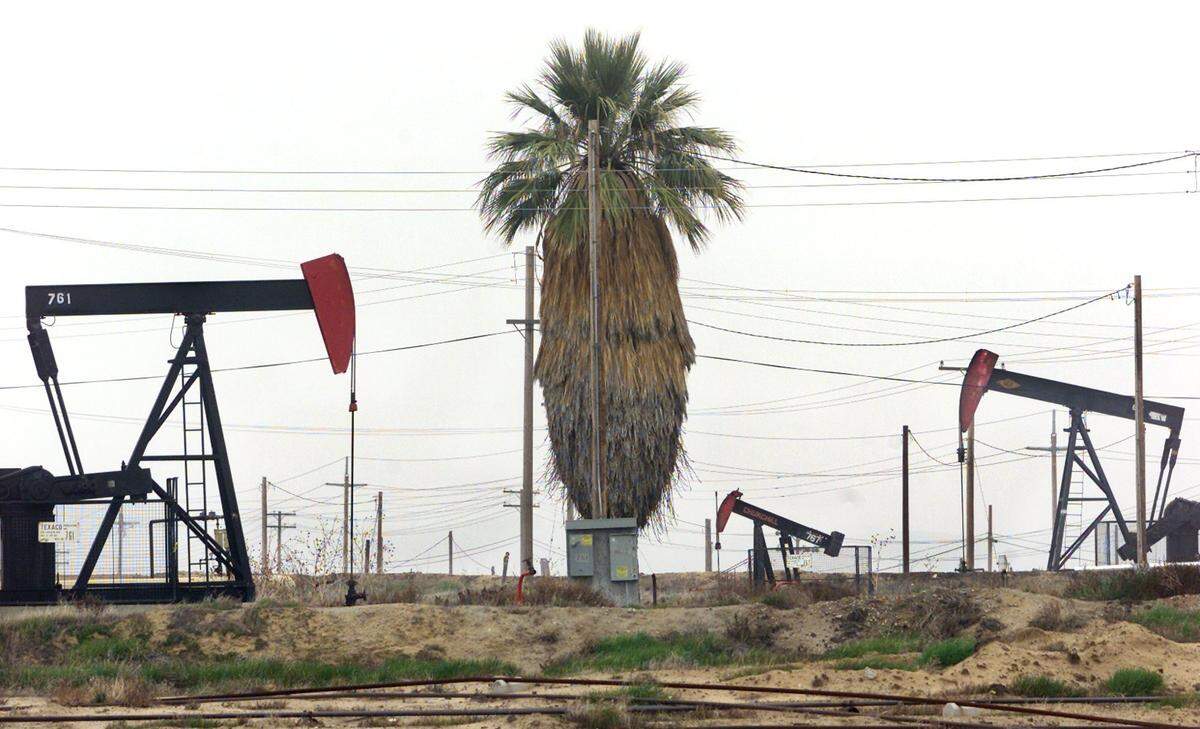
Where in California is the cleanest air?
Multiple California cities were recognized by the American Lung Association’s report for having zero days of bad ozone or particle pollution.
Chico had its first-ever reporting period with zero poor ozone days in 2022-2024, while Salinas extended its streak of no high ozone days starting in 2010.
The San Luis Obispo-Paso Robles area celebrated four years with zero high particulate pollution days, and the Santa Maria-Santa Barbara community had fewer than one day per year on average with high particulate pollution.
Cities with the lowest average annual particle pollution concentration were ranked, and two California communities made the top-25 list.
Redding-Red Bluff came in at No. 21, with 6.1 micrograms per meters cubed of particle pollution on average annually. This didn’t mark the area’s lowest ever pollution concentration, but it continued a downward slope after multiple years of failing levels of annual concentration.
The report ranked Salinas at No. 23 for particle pollution concentration. The Central Coast city had an average annual pollutant concentration of 6.3 micrograms per meters cubed, continuing a long-standing streak of concentration staying within the “pass” grade range.
Lake County in Northern California was the sole county that had zero days of either high ozone or high particle pollution during the reporting period.
This story was originally published April 23, 2026 at 12:26 PM.
.jpg)