Sacramento faces ‘above average’ drowning reports. Why did a prevention program end?
The Sacramento and American rivers are known to be deceptively dangerous for years, with their confluence infamous for being deadly, experts said.
As a result, Sacramento county implemented the Proactive Patrol program. This program allowed the nonprofit Drowning Accident Rescue Team to monitor the river’s beaches to assist in life jacket usage, patrol the safety and swimmers and educate those of the river’s risks. But last year, Sacramento County Regional Parks opted out of the program, said Zachary Corbo, DART’s president.
“There is no external organization, to my knowledge, that’s walking the beaches every summer or every weekend,” Corbo said.
That component, Corbo said, was sunset, and the patrol program was not renewed for this summer.
This year, Sacramento has seen 20 reported drowning deaths. Metro Fire said it has responded to 54 water rescues from May to July this year. Most recently, a 32-year-old man from Hayward died after drowning in the American River. There have been four drowning deaths at the American River this year.
Corbo said this report is “above average” from what Sacramento typically sees.
The Proactive Patrol program is typically contracted with a nonprofit or government agency, and utilized DART’s services, Carbo said. But this summer, DART was informed that Sacramento would no longer use their services for the patrol program. Carbo was informed that county parks was going to “in house” the program.
The program began in 2015, when more than a dozen drownings were reported along the stretch of the river between 2014 and 2015.
In a statement sent The Sacramento Bee, the Sacramento County Regional Parks said they ceased the Proactive Patrol Program after determining they had “adequate staffing levels” to handle responsibilities internally.
“This service was primarily focused at the Discovery Park/Tiscornia Beach area, and was for a limited number of days in the summer (weekends and holidays), versus our Ranger Patrol which is seven days a week over the entirety of the Regional Parks system.” wrote Kenneth Casparis, public information manager for Sacramento County Regional Parks.
Sacramento County Regional Parks is only responsible for observing the American River.
Casparis said the county is still monitoring the rivers’ beaches through its Ranger Patrol who provide “educational outreach to hundreds of visitors every day.”
Issues with life jackets and other waterway concerns
During this uptick in 2015, Sacramento county began installing life jacket boards, Corbo said. These life jackets boards are only located at “recognized river access points,” he added, not all parts of the river.
For life jackets that are stationed, Casparis said they are checked and inspected daily. Jacket stations are located at eight rivers that fall under their jurisdiction. Each station will offer up to 12 jackets.
Sacramento also launched the “Life Looks Good on Sacramento” campaign. ‘Life Looks Good on Sacramento’ is an educational program that spreads public awareness on how to wear a life jacket.
Despite these initiatives, Sacramento residents still struggle with life jacket safety knowledge. People don’t know how to put them on, how to use them properly and the different sizes and types they come in. There’s also a language barrier, Corbo said. In the absence of instructions to English speakers, there’s even less direction for other languages.
“(We need) more public information efforts to be in a diverse set of languages,” Corbo said. “Obviously, that comes at an increased cost, and we want to make sure it’s culturally competent. But that’s a cost worth bearing.”
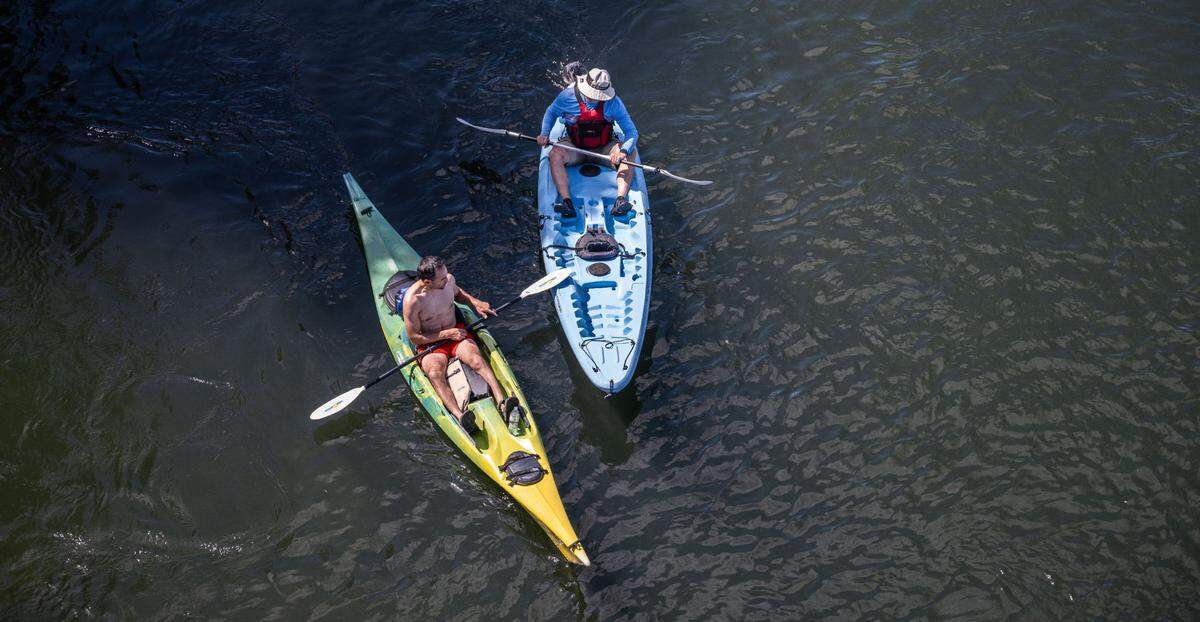
In DART’s experience, Corbo said a majority of drowning calls they respond to are reports of young adults and adults without life jackets. Sometimes they’ll even be individuals who come into the water to rescue a drowning victim.
Usually swimmers will overestimate their ability in the water and underestimate the importance of a jacket. A jacket is just as important as a seat belt is in a car, Corbo said. It’s recommended everyone wears one, regardless of age and swimming skill.
When people have worn life jackets, Corbo said there is sometimes confusion on how to put one on. The county offers three different sizes of life jackets: one that fits “most adults,” one for youth and another for infants. What DART commonly sees is individuals wearing the wrong size or putting on a life jacket incorrectly.
“That’s my biggest concern,” Corbo said. “Just because the life jacket boards are stocked and folks are told to wear them, they may not even be wearing them right, which then may lead to further issues.”
The county law requires children under the age of 13 to wear an approved life preserver. If in violation of this ordinance, Sacramento residents will be charged $500.
Even through enforcement of this fine, it doesn’t necessarily make a difference, Corbo said. Unless told to wear one in-person, or given proper instruction on how to use a jacket effectively, people may not wear a preserver.
“You can tell them about the fine all you want on the website or through social media, but unless a human being walks up to you while you’re (swimming) and says ‘hey, would you like me to put this on for you?’ They won’t think about it,” Cobo said. “And then even if you make your own personal decision to wear it, you may not wear it correctly, and then it may not do its job.”
It’s about time for a “renewed effort” on proactive prevention measures and life jacket safety in Sacramento, he added. Response is reactive, and the county needs to start taking
“I would hope that we take a look at the successful model that occurred over the last number of years that almost eliminated the recreational drownings in the river, and we would apply that to other sections of the river with the same level of activity,” Corbo said.
This story was originally published August 9, 2024 at 5:00 AM.
CORRECTION: This story has been updated to include additional information about the Sacramento County Regional Parks, its jurisdiction area and to clarify which of the 20 drowning deaths occurred on the American River.