There’s a ‘lack of respect’ when you’re poor in Sacramento. California needs to act, residents say
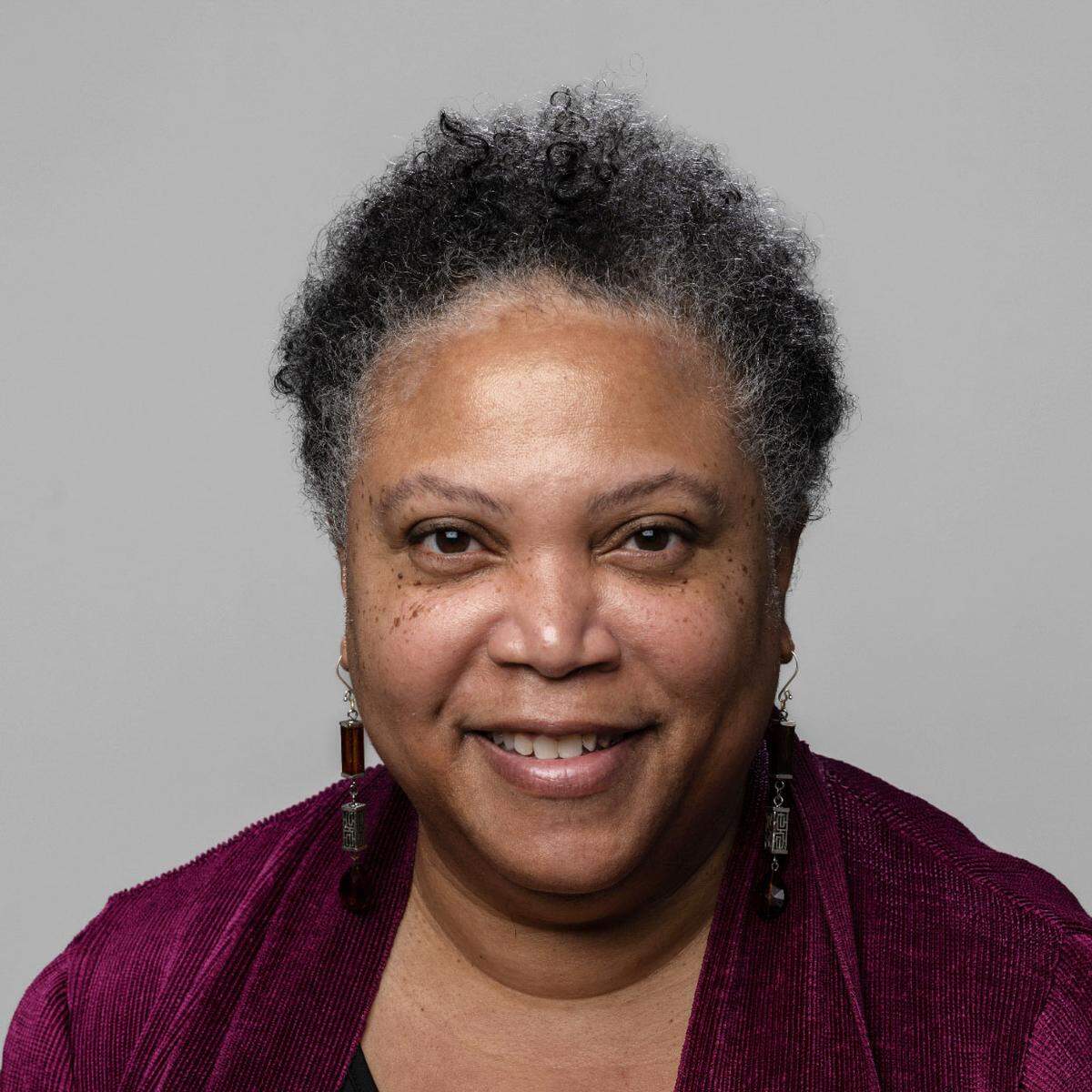
Tak Allen, a 36-year-old mother of five, garnered thunderous applause with her description of obstacles she has faced as a result of where she lives and what she earns.
“Poverty looks like playing by all the rules that were laid out in the dream and still taking a loss. It looks like coming home with your college degree and not finding a job that’s going to pay you enough to survive but you get paid too much to get welfare benefits.”
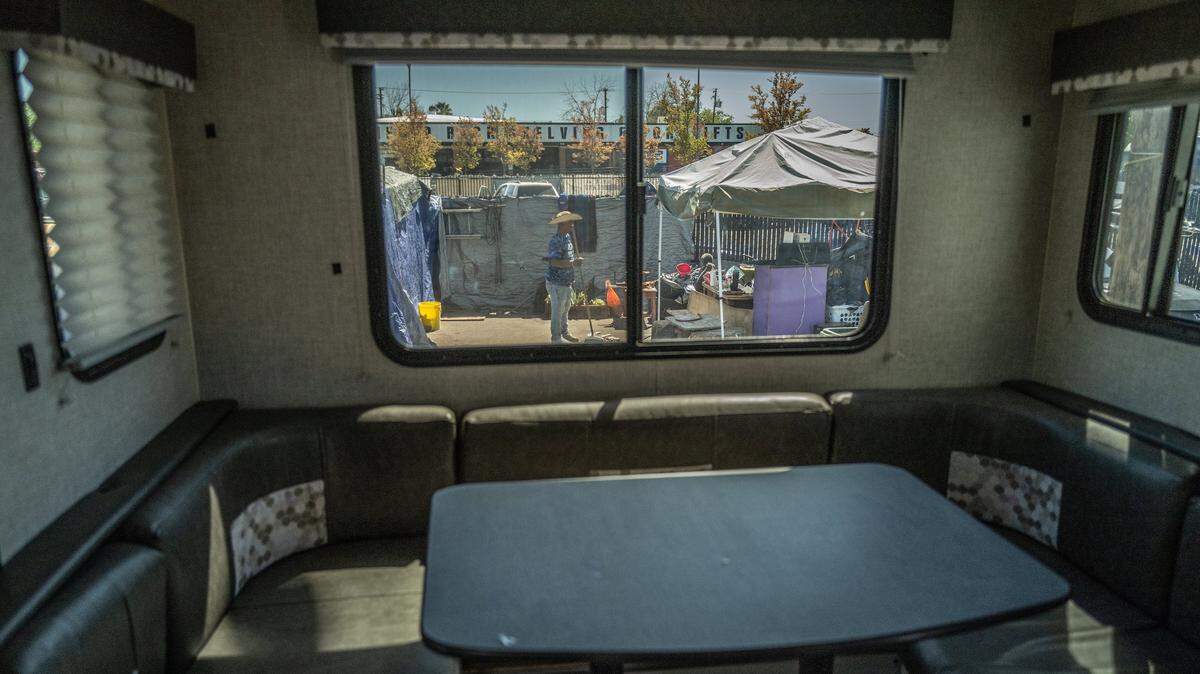
Pattie Shaw, a 73-year-old who lives in East Del Paso Heights, expressed moral repugnance at how her homeless neighbors are being treated.
“What poverty means is a total lack of respect, a total lack of dignity,” Shaw said. “I watch people who are on the streets be treated like human garbage, like they aren’t worth anything, being thrown in jail for just being poor.”
Dawn Basciano, a Natomas resident who grew up in Del Paso Heights, said being poor means “being told you … can’t because you don’t have the economic means to better yourselves. Poverty is despair.”
Allen, Shaw, Basciano and others spoke during a Friday listening session organized by former Stockton Mayor Michael Tubbs, who has conducted such conversations statewide as a way to elevate the voices of the poor and remain in touch with their needs.
He personally led the discussion on at Sacramento’s Hagginwood Community Center, and Sacramento Mayor Darrell Steinberg joined in to listen.
Session participants talked about long-delayed infrastructure improvements that they would like to see done or infrastructure projects that seemed to take forever to get completed. And, then, they also expressed frustration that neighbors whose lives had been impacted by the criminal justice system are having a hard time finding work.
Charles Goodman, a North Sacramento resident who has a past history with the justice system, said he knows there are times when incarceration looks more appealing to some people than life on the streets. Inside, he said, they have toilet paper and a safe place to sleep.
Marjorie Beazer, a homeless Sacramento resident, said many people have a poverty of spirit, and she’d like to see programs that will empower residents with the training, credentials, access and confidence they need to succeed.
EPIC: End Poverty in California
Tubbs teamed up with Stanford University researchers to study potential strategies that could alleviate poverty, and they compiled a 51-page blueprint for a just and inclusive economic system.
Tubbs is best known for his experiment with a guaranteed basic income in Stockton, something nonprofits, local governments and philanthropists have since embraced around the United States.
The California Department of Social Services already has begun a pilot program in this area, starting with concepts that serve state residents who age out of extended foster care at or after 21 years of age or who are pregnant individuals.
Since leaving office, Tubbs has served as an unpaid adviser to California Gov. Gavin Newsom on economic mobility and opportunity, and he founded a nonprofit organization known as EPIC: End Poverty in California.
The comprehensive EPIC blueprint actually includes a number of items that Sacramento residents suggested during the listening session. For instance, it calls for expanding the number of slots in job training programs in certain sectors and subsidizing trial employment opportunities among some subpopulations.
The researchers also urged governments to look at ways to use tax credits to subsidize training, employment, and new models for real-time data-driven casework to advise and mentor the trainees.
This extra assistance could help with a critical issue that Del Paso Heights homeowner SaQuoia Durham said she and her mother faced as a child, where they struggled to meet even basic needs for food and shelter.
“To me, (poverty) looks like unnecessary resilience,” she said. “Oftentimes when my mother was evicted, we’d go from house to house. Us not being stable was a big deterrent to me thriving as a child.”
Reports offer strategies to end Black poverty
The blueprint also calls for more widespread use of guaranteed basic income and including households without any workers or with only part-time workers in safety net programs by reforming eligibility rules or providing parallel state-funded programs.
Like her mother, Durham said, she too has faced incredible difficulty with housing expenses. There were times, she said, when she had to spend more than 80% of her small income on housing. Only when that percentage significantly decreased, she said, was she able to invest in enrichment programs for her daughter or in supporting neighborhood businesses.
“I didn’t start seeing myself thriving until I wasn’t paying more than 80% of my income toward my house,” she said.
The Stanford researchers called for expanding programs that provide home buyers with loans and down payment assistance, expanding self-help housing plans, and expanding shared equity programs that let borrowers buy a home at a below-market price.
The Black Futures Lab, a think-tank established by Black Lives Matter co-founder Alicia Garza, recently released a Black Economic Agenda that proposes some of the same ideas in the EPIC blueprint. To develop the agenda, the Black Futures Lab surveyed more than 200,000 African Americans to determine the obstacles they faced to financial security.
Echoing the frustrations that Allen expressed at Friday’s listening session, the report from the Black Futures Lab stated: “The economic insecurity experienced by Black communities cannot be resolved solely by individual actions like working more hours, getting a college degree, or saving money to buy a home. These issues are systemic, and government intervention is required to eliminate these inequities and improve outcomes for our people.”
Even though the U.S. political system, laws and policies have continually failed to protect Black prosperity, the Black Futures Lab researchers said, African American communities still believe that government can lead in solving these inequities if leaders do their job. Ultimately, they said, policies that benefit indigent African Americans will benefit everyone living in poverty.
Bloomberg Philanthropies is betting that government leaders, working directly with citizens, can solve these challenges. Through the Cities for Financial Empowerment Fund, Bloomberg has provided Sacramento and seven other cities with $75,000 each to develop strategies to address the racial wealth inequities in Black communities. It’s known as the CityStart initiative.
The wealth gap is evident when you look at the median net worth of U.S. households by race. In 2021, Asian households led with a median net worth of $320,900, compared with $250,400 for white households, $48,700 for Hispanic households and $27,100 for Black households, according to the Pew Research Center.
As part of the CityStart grant, city leaders must engage in intensive stakeholder roundtables to identify key challenges and opportunities, including a deliberate resident engagement effort.
Over the last eight months, Sacramento Community Engagement Manager Lynette Hall said, the city has worked with its consultants to draft a blueprint that focuses on three key areas: housing, banking, and workforce development. She expects to present that draft to the public early this fall.
Allen and other residents said there’s been a lot of talk about the issues that the poor face, but not enough seems to come of discussions like the one they were in. North Sacramento resident Sebastian Montalban, for instance, elicited thunderous applause with his call to action.
“A lot of people (are) in the streets, and the law is just punishing them rather than helping them,” he said through an interpreter. “Let’s do something. Let’s do it as a neighborhood. More action and less words.”