
Sacramento students fell behind in online learning during COVID. Can they recover?
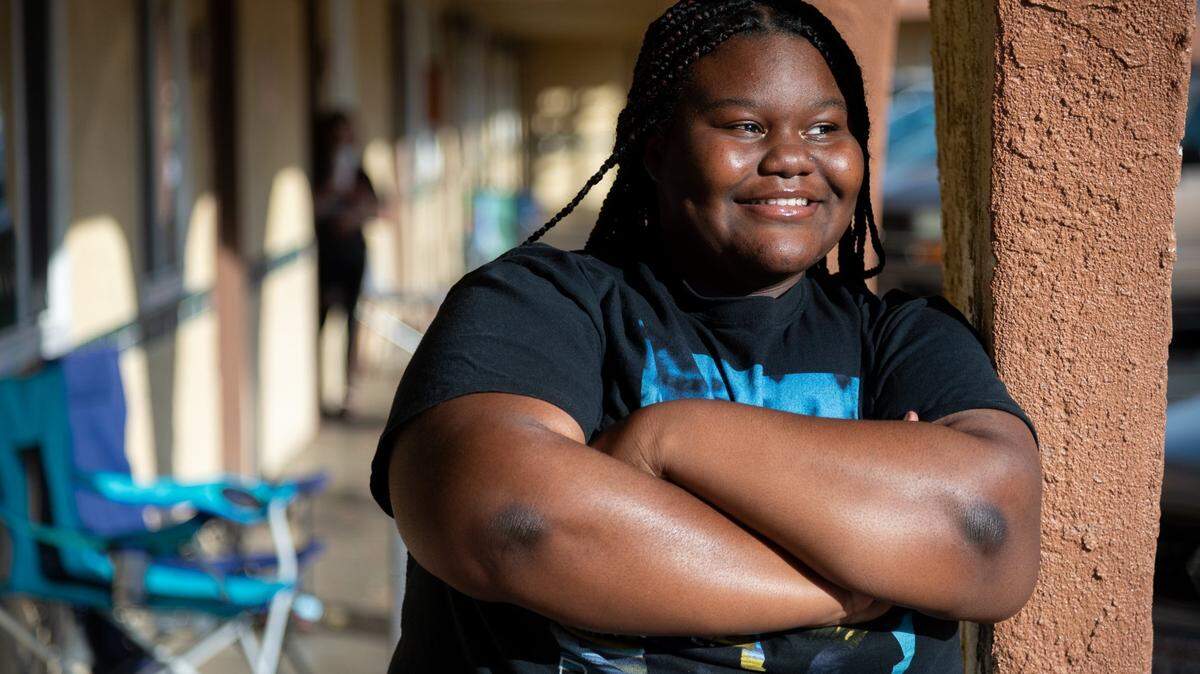
Jen Phanh was a model student as a sophomore attending Hiram W. Johnson High School. Acing her classes with a 3.8 GPA, she earned a spot in an advanced math class by her second semester.
Then the pandemic hit. Her parents pulled her out of school after hearing news reports about attacks and hate crimes against Asians in the Bay Area. A few days later, school shut down completely. Overwhelmed, Phanh’s grades plummeted.
“I ended up failing my second-semester science class, and also got a bad grade in my math class,” said Phanh, 17. “I had a lot of trouble adapting to distance learning. ... I didn’t know what to do. I felt like I was going to give up on school work.”
Since COVID-19 shut down classrooms in March 2020, education advocates, teachers and parents have repeatedly sounded the alarm, saying extended closures and distance learning would stymie students’ achievements.
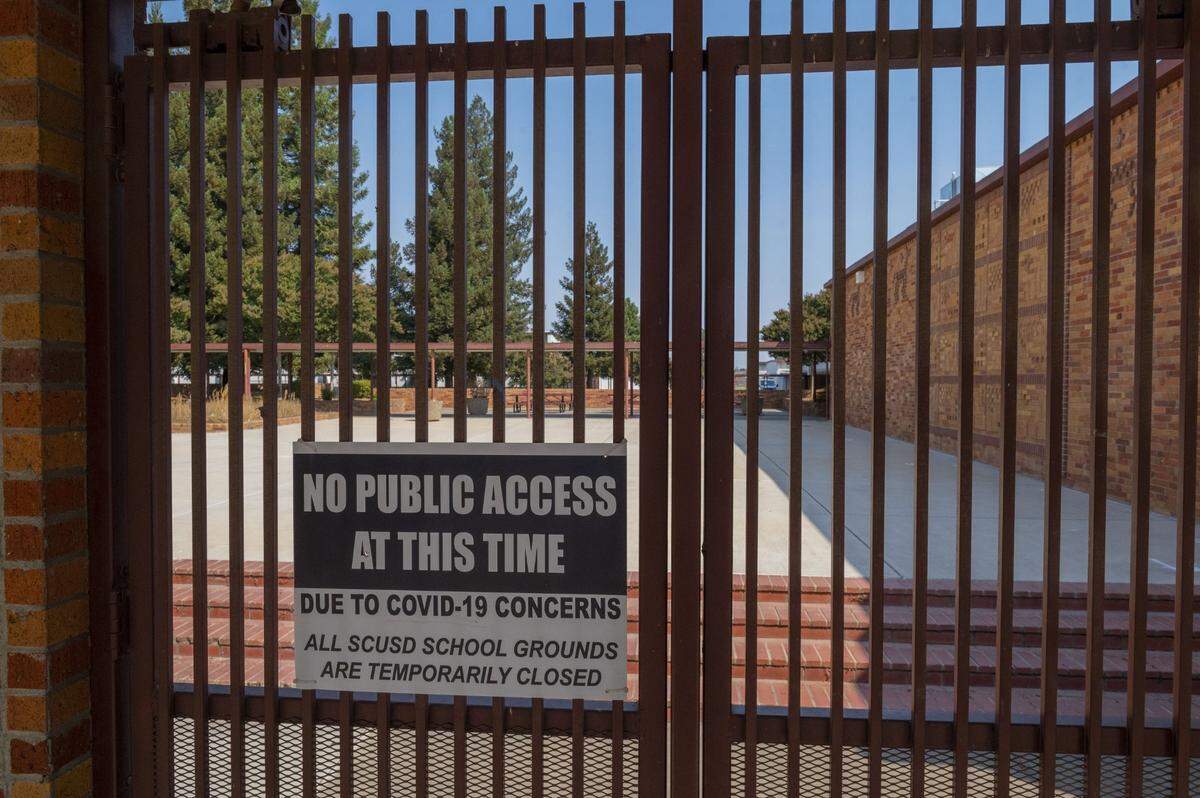
Data from the Sacramento City Unified School District’s 2020-21 academic year show that their fears were warranted.
The trends show troubling setbacks in several academic measures for some students — lower grades, drops in graduation rates and declines in college eligibility. A majority struggled to meet state goals for reading and math.
While many students experienced hardships during the pandemic, some communities fell behind more than others. Black, Latino, Pacific Islander and Native American students, as well as other vulnerable students such as English learners and homeless students, in particular experienced the academic consequences of the pandemic.
The graduation rate among Black students slipped 3 percentage points to 78%. Almost half of the grades earned by Pacific Islander students were Ds or Fs in spring 2021. A smaller percentage of American Indian and Alaskan Native and Hispanic high school students completed minimum admission requirements for California State University or the University of California compared to the prior year.
All told, 199 high school students dropped out in 2020-21, compared to 164 students in the previous year.
The vast majority of Sacramento City Unified students returned to the classroom this academic year as vaccines became widely available. But the learning gaps from last year illustrate the uphill battle educators face in addressing the extraordinary needs of students and families, particularly those who struggled prior to the pandemic.
“No one took into account the trauma that these students had just been through,” said Lorreen Pryor of the Black Youth Leadership Project. “With stuff changing overnight, they were expecting to return to the usual, but there is no return to normal. ... Everyone wants to go back to the old way, (but) normal wasn’t working for students before.”
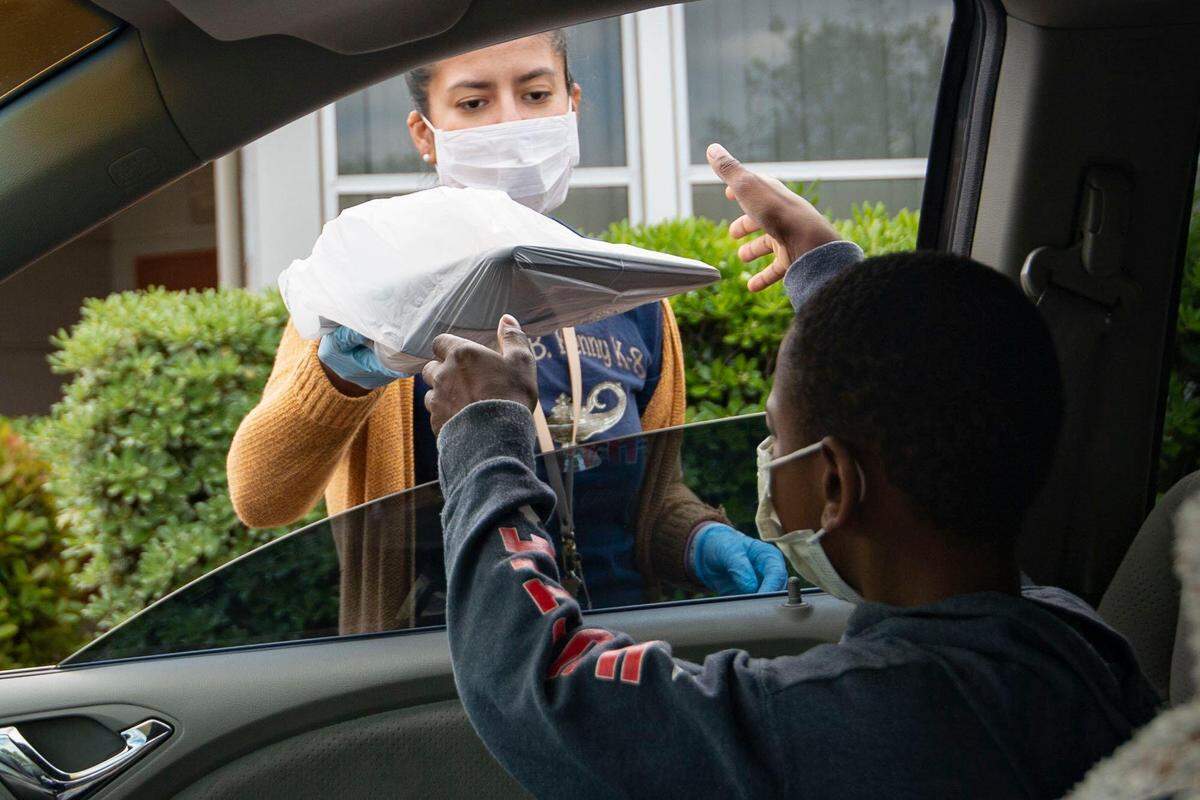
As COVID-19 cases fueled by the omicron variant soared during the winter, some educators feared that academic progress could backslide further. The district, already facing staffing shortages, saw droves of teachers stay home after being exposed or testing positive.
Sick students, forced to quarantine sometimes for weeks at a time, missed assignments and finals.
Accurately gauging just how far behind students may be academically will be a challenge, said Stephanie Nguyen, executive director of Asian Resources, Inc.
“You have a whole year where they did (school) via Zoom and nodded their heads and seemed like they understand, but they didn’t, and now they’re in a whole different grade level,” Nguyen said.
Phanh, now a senior, said she’s doing better in classes, “but to get to that point, it was a struggle.”
She had to retake two classes last summer to be eligible for college admissions. She recently was accepted into Sacramento State, but she still mourns what could’ve been.
“I kind of wish my GPA was higher now so I could go to a UC,” Phanh said. “I think if we were in person, it definitely would’ve been different.”
DECLINES IN GRADES, TEST SCORES
During the pandemic, students across ethnic groups saw an increase in Ds and Fs on their report cards, but district data reveals that learning disparities widened in some cases.
The percentage of Fs given to middle school students during the 2020-21 year doubled compared to the prior school year.
High school students similarly struggled: About 14% of grades given to high schoolers in 2020-21 were failing grades, compared to roughly 7% of grades during the prior school year.
Asian and Hispanic high school students experienced steep declines in grades, with Pacific Islander students seeing the most dramatic drop. For Pacific Islander high schoolers, As, Bs and Cs made up 56% of their overall grades in spring 2021 — compared to 69% in pre-pandemic fall 2019.
In the first term of the 2020-21 school year, white and multiracial middle school students were the only racial groups that received more A letter grades compared to the first term of the previous school year.
The graduation rate decreased for nearly every racial group during the 2020-21 school year compared to the previous year.
Hispanic students saw a 1 percentage point drop to 83%, Black students saw a 3 percentage point drop, down to 78%, and Pacific Islander students experienced a 9 percentage point drop to 63%. Economically disadvantaged students, foster youth and homeless students all saw decreases in graduation rates as well.
The graduation rate among Asian students overall increased slightly, though the graduation rate decreased for some such as Cambodian and Hmong students. The graduation rate among white students remained at roughly 92%.
Even single-digit percentage point drops in graduation rates are troubling, said Heather Hough, executive director at Policy Analysis for California Education.
“That’s kids. That’s some number of children who did not graduate from high school, and that dramatically changes their outlook for the rest of their life,” she said.
Students across the board also struggled to meet state reading and math goals during the pandemic, with disparities falling along racial and economic lines.
The drops in academic progress at Sac City are in line with similar declines experienced by districts across the Sacramento region and state.
Seven of the region’s ten largest school districts saw declining graduation rates, including Sac City Unified, according to state data. And while California’s overall high school graduation rate last school year stayed roughly the same as the previous year, racial disparities persisted. Statewide, Black, Latino, Pacific Islander and Native American students were less likely to meet state standards in English language arts and math.
The learning losses in 2020-21 at Sac City Unified are particularly demoralizing because the district had been recording steady improvements in graduation rates and percentage of students becoming college eligible, said school board member Leticia Garcia.
“I have a hard time losing one single student, one single student not graduating. It’s a failure because that’s our job, to get them across the finish line with the maximum number of opportunities available to them,” Garcia said.
With frequent disruptions caused by surging COVID-19 cases this year, Garcia said she anticipates “we’re going to see a bigger impact on our students” for the 2021-22 school year.
WHY STUDENTS FALTERED
When schools shut down in March 2020, Monique Young, then a freshman at Hiram Johnson, found sanctuary in her phone, “shelter from the outside world.”
She found herself texting, watching videos and FaceTiming constantly. Her phone was her only connection to the friends she once saw at school each day. Young became distracted at school, checking for updates on her phone during classes — a bad habit she said she never struggled with in person before.
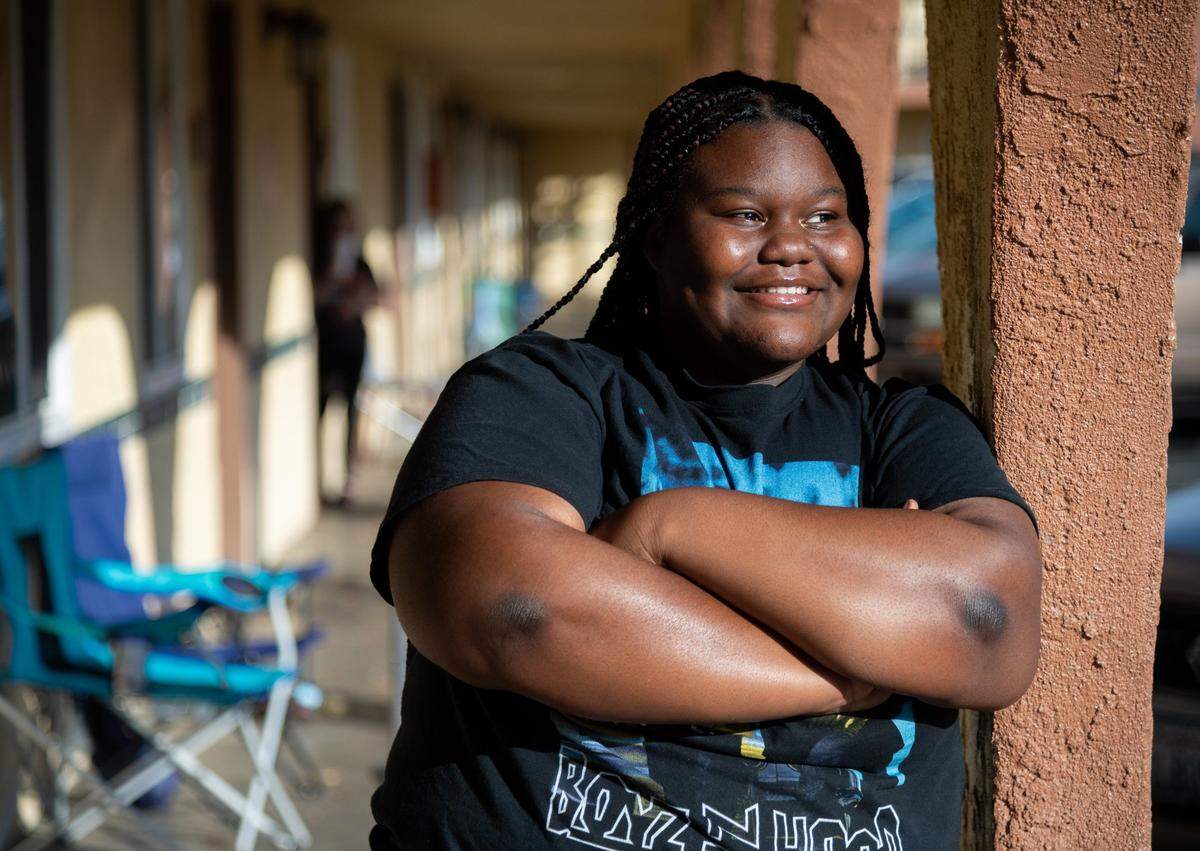
At first, Young attended online classes every day. But soon, she became overwhelmed by the amount of work her teachers assigned her, which she was substantially more than before the pandemic.
“I felt like I couldn’t do it all, so I started getting depressed because it was piling one thing after another, so I started missing classes,” Young said.
The reasons why some students faltered academically are diverse and complicated.
“Some people have the tools and resources to learn how to adapt and survive the circumstances perhaps better than the student population I serve,” said Elizabeth Villanueva, world language department chair at Luther Burbank High School. “A lot of them are English learners. Many of my students might be homeless. ... Those are all factors that affect the progress of academic learning.”
Many struggled to focus in an online setting without individualized attention, said Keya Bell, who works with Sac City students through a program called iQSQUAD. Those living in large families never had a quiet place to log on. Older siblings babysat younger family members while parents worked.
Students frequently found themselves taking care of sick loved ones, Nguyen said. A few experienced the death of a family member from COVID-19. Some low-income families couldn’t afford to keep the heat on, or turn on the AC, making distance learning at home uncomfortable. Many had spotty access to the internet and laptops.
“Every teacher, including me, had students Zooming in from parking lots and fast food places, wherever they could pick up a WiFi signal,” said Lori Jablonski, a geography and government teacher at McClatchy High School.
“Those on the cusp, they went over the edge,” she said.
Mariah Rembert, a mother of a fourth grader and first grader at A.M. Winn Public Waldorf in Rancho Cordova, said the hands-on lessons her children normally received didn’t translate well in online learning.
After a year of remote learning, Rembert said she felt like her children fell behind on developing key social skills. Despite COVID-19 concerns, she sent them back into the classroom immediately after the district partially reopened last spring.
“My son was saying, ‘I don’t remember the songs we sang, I miss my teachers,’ ” Rembert said. “My youngest said, ‘I want to learn how to make friends.’ ”
‘CATCH UP AND STABILIZE’
Schools across the district have attempted to adjust to the new normal of learning.
The district implemented a new grading policy last spring precluding students from receiving a grade lower than 50%, a move officials said was intended to create a more equitable grading system that helps students more easily dig out of failing grades.
While controversial among some educators, Jablonski said she has seen positive impacts, especially during the pandemic.
”When students feel like there’s no point, that’s when we start losing them,” she said.
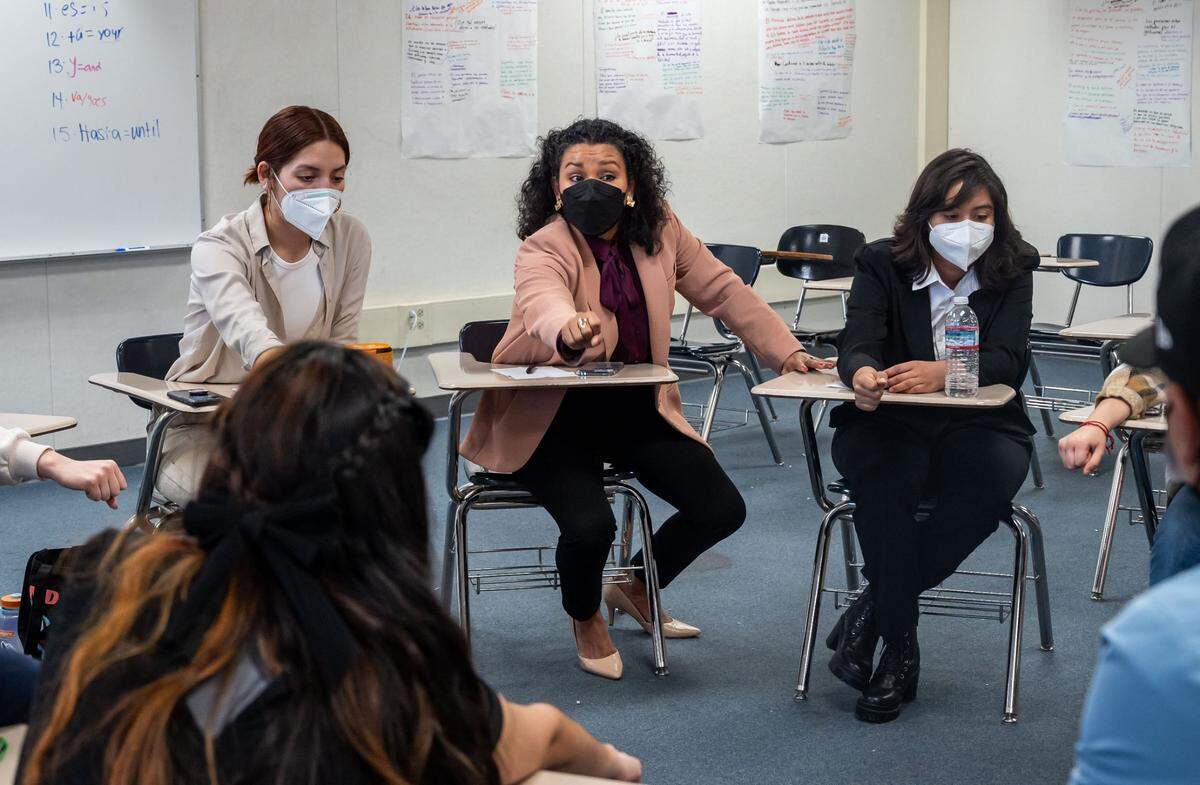
Last year, school districts in California received historic levels of state funding, buoyed by an unexpected budget surplus from increased tax revenues from high income earners. K-12 schools and community colleges are again poised to receive another boost in funding, an additional $24 billion this year under Gov. Gavin Newsom’s proposed budget.
Garcia hopes that state investment will allow the district to grow after school activities, support summer classes, develop workforce training programs, and hire additional teaching staff.
“In many ways, this is a planning year to catch up and stabilize,” Garcia said. “I just want to make sure historic investments districts are receiving are going to meet the needs of kids.”
A 2021 report from the Policy Analysis for California Education details a number of recommendations to redesign the education system with equity in mind, including hiring more tutors and community liaisons, regularly conducting wellness screenings, providing mental health services and expanding after school and summer learning activities.
The Black Parallel School Board, a community organization that works with the district, is demanding specifically that the school district hire 200 additional teaching aides to help support struggling students, said member LaShanya Breazell.
Breazell said instructional aides can act as a kind of child parent advocate, providing additional one-on-one support for students in classrooms, or calling families when a student is absent while teachers are in the middle of lessons.
“It’s a tool and resource that’s needed, and it works,” Breazell said. “It doesn’t take a rocket scientist to see that it works.”
Teaching aides have been particularly helpful to Young, the student who found herself distracted by her phone and missing classes during the pandemic. She said she does better when an extra adult is in the classroom helping her understand material.
Now a junior, she’s started to eye her future after high school, and is racing to get her grades back up. She failed some classes during the pandemic and received several Ds. This semester, Young is retaking math. Over the summer, she plans to retake an English class and an art history class.
She dreams of following in her sister’s footsteps and attending a four-year college — maybe, UC Merced, or maybe a historically Black college or university.
“It’s really kicking me in the behind right now, and I’m trying to catch up,” Young said. “I feel like if I really try, I could probably get there, but it’d be really hard.”
This story was originally published February 20, 2022 at 3:00 AM.