
Sacramento delivered $2 million in COVID relief to artists. Where did the money go?
Surviving as a working artist in Sacramento was already hard.
Then the pandemic hit. Concerts and theater performances were canceled. Mural projects scrapped. Convention halls shuttered.
Creative people in Sacramento — many of whom already worked additional precarious side gigs and part-time jobs to make ends meet — saw their way of living evaporate overnight, said Latino Center of Art and Culture board chair Carissa Gutiérrez.
“The inequities in our artist community were exacerbated,” Gutiérrez said. “These are people who work in the service industry, individuals we interact with on a daily basis. If they can’t produce art, they were facing not being able to pay bills and additional pressures.”
There was some relief: The city of Sacramento distributed $2 million in federal CARES Act funds to individual artists in 2020. Filmmakers, videographers, visual artists, musicians, performers and more living in the city could apply.
The city placed a special emphasis on connecting the grants to people of color, conducting outreach campaigns meant to spread the money around.
Marianne Sousa was one of those awardees. A Black author and multimedia specialist, her work involves wearing many different hats — performance artist, emcee, mental health and wellness coach, motivational speaker.
She received just under $5,000 in CARES Act grant funding, a reimbursement for canceled events spring 2020. It wasn’t a lot of money, Sousa said. “I was still struggling.”
It was enough, however, to buy a new camera and lighting equipment as she pivoted to holding virtual workshops and online training sessions. Sousa has since been able to expand her business, working with clients in New York and Washington D.C.
“Every amount helps,” Sousa said.
The city’s Office of Arts and Culture engaged in dual purposes. It aimed to help those suffering from the consequences of the pandemic. And after the George Floyd murder in 2020, the subsequent protests and increased awareness of racial inequity pushed the city to prioritize diversity at a new level in distributing pandemic grants.
Even though a large number of historically marginalized groups, such as Black and multiracial artists, were able to secure grants, disparities remained — fewer Asian American and Pacific Islander artists and Latino artists, for example, were awarded grants compared to the overall population.
Now, flush with a new round of federal COVID-19 relief funds, the city is exploring better ways of investing equitably in the Sacramento art scene. That includes a new guaranteed basic income program for artists, which would give participants $450 a month for two years.
“We know where there’s more outreach needed (and) we need to target that and make time and build those relationships,” said Megan Van Voorhis, the city’s cultural and creative economy manager. “We need to explain, ‘This is what’s happening,’ and make sure you’re connected and driving participation.”
In the first round of pandemic grants, the office saw an overrepresentation of Black, multiracial and Native American artists apply compared to city demographics, suggesting outreach efforts in those communities were successful. But fewer Asian American and Pacific Islander artists and Latino artists applied compared to their representation in the artist population and the community overall.
And even with a focus on diversity, of the nearly $2 million, white artists received the largest amount of COVID-19 relief funding totaling about $813,000, or about 41%.
Multiracial artists received about $373,000, Black artists received about $291,000, Latino artists received about $158,000, Asian American and Pacific Islander artists received about $88,000 and Native American artists received about $85,000. About $191,000 was distributed to artists where their race was unknown.
And in general, Black and multiracial artists received average awards that were lower compared to all applicants. Female and non-binary artists also received lower average awards.
Why art funding disparities exist
Van Voorhis said the office pursued aggressive social media and emailing, offered office hours application mentors, hosted grant workshops, and even held one-on-one meetings with individual artists.
But it faced pressure to get CARES Funding out the door quickly, Van Voorhis said, and only to those who could prove they lost work — through paystubs, contracts or receipts — could secure money.
Being able to show proof of a lost job with a large price tag “in and of itself has the potential to demonstrate existing disparities,” Van Voorhis said. Artists from marginalized communities may be less likely to secure formal, high-paying contract work. And in the art community, handshake deals or verbal contracts are commonplace, she said.
Language barriers may have also been a factor, Gutiérrez said, and some artists might be unfamiliar with how to apply for grants and tailor applications.
“All those things are recipes for success and failure,” Van Voorhis said. “We could see on a number of fronts ... where we did well on outreach and where we did poorly.”
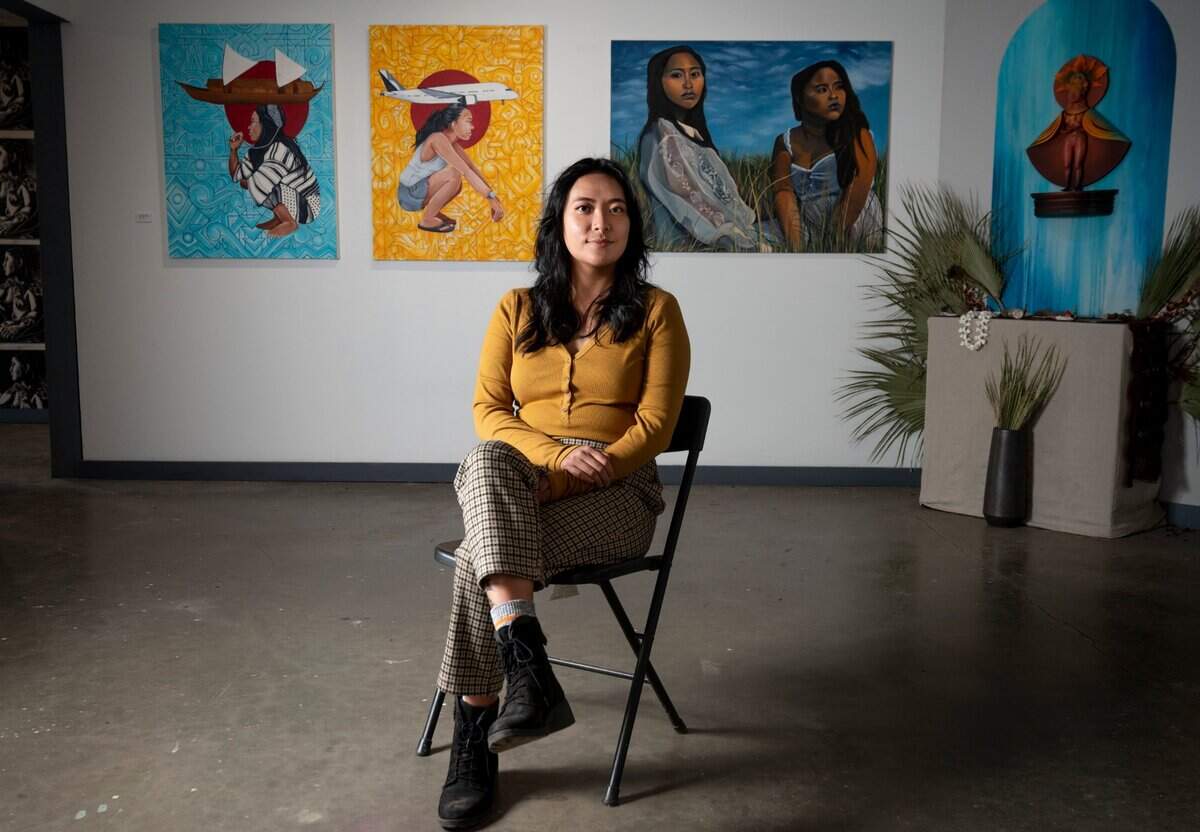
Building on lessons learned from the first round of COVID-19 relief funding to individual artists, the city plans to continue to find thoughtful and sustainable ways to financially support the diverse artist community here, Van Voorhis said.
Later this spring, the city plans to distribute $500,000 in grant money from the National Endowment for the Arts to local artists. And by the end of the year, Sacramento will launch a $2.75 million guaranteed basic income program for artists funded by the American Rescue Plan Act.
“This city has such incredible potential around being the center of arts and culture,” said Mayor Darrell Steinberg. “We have so many young, diverse artists who are choosing to make Sacramento home, because we’ve sent the signal that this is a sector of our economy and community we want to grow.”
Maya Wallace, who was on the Sacramento Metropolitan Arts Commission in 2020, helped review applicants for CARES Act funding. Historically, the preference for grants was toward “good fiscal stewardship” and longterm art projects — and less of a focus on equity and diversity.
But the data from the CARES Act artist grants, the release of which itself is a new level of transparency for the department, suggest that old criteria is changing, she said.
“There’s a bias toward the negative, and I’m just really hopeful that people can see movement” toward centering equity in the arts, Wallace said. “It makes me happy this is finally happening.”
HOW GRANTS WERE DISTRIBUTED
Of the 325 artists who applied for CARES Act funding, 231 received grants, or about 71% of people who applied, according to data compiled by the city’s Office of Arts and Culture.
Latino, Black, multiracial and white applicants had the highest success of winning an grant. Asian American and Pacific Islander artists and Native American artists had a lower success rate, but fewer applied for COVID-19 grants compared to artists from other backgrounds.
The average award size was about $8,651. Individual awards for artists who are Asian American and Pacific Islander, white or Latino were on average higher compared to overall award amounts. Black and multiracial artists on average had a lower award amount, as did artists where their race was unknown.
Male artists, who made up a majority of grant awardees where gender was known, also received a higher average award — $9,968, compared to $8,512 for female artists and $4,458 for non-binary artists.
Artists with disabilities and artists who are gay, lesbian or bisexual also had a lower success rate, and lower average award amount, compared to applicants overall, but fewer of them applied.
Some disparities may be a reflection of artists from marginalized groups being historically excluded from the creative community, or lacking the wealth and knowledge to seek out resources, said Sacramento artist Taylor Pannell.
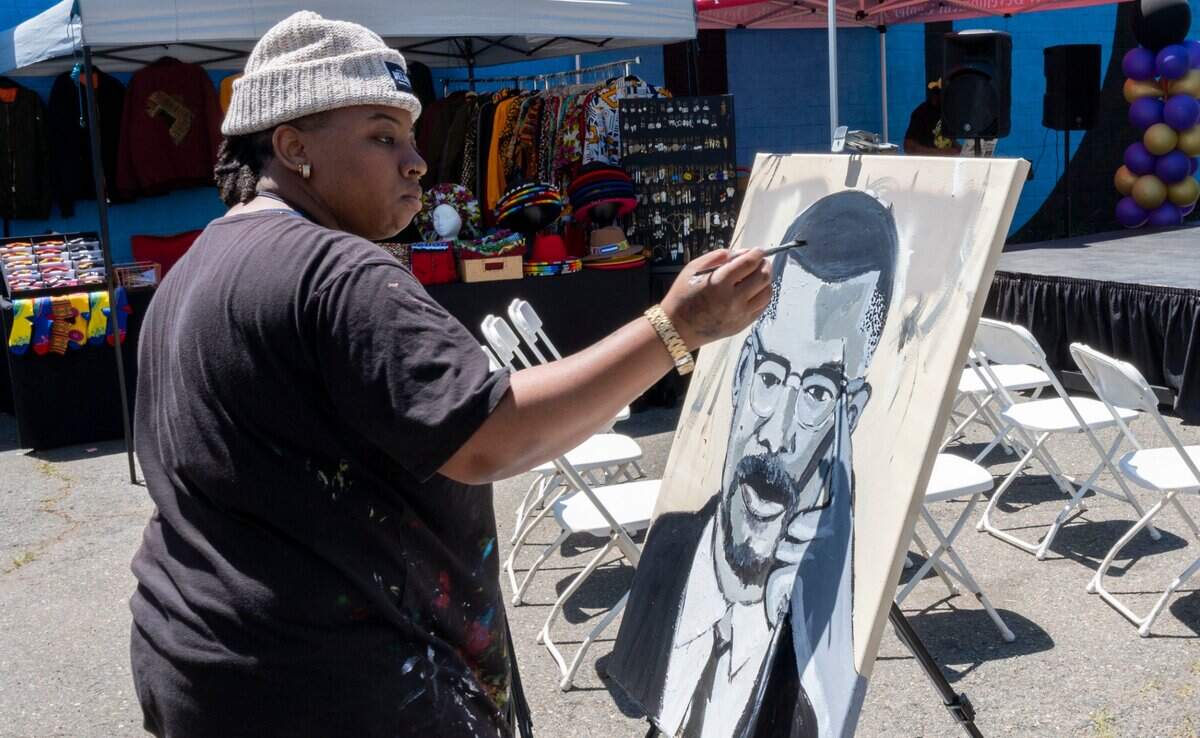
“People of color and Black individuals don’t even know about grants, don’t even know that it’s a possibility,” said Pannell, who did not apply or receive a COVID-19 grant. “We’re not taught stuff like that, our families don’t know something like that.”
Delgreta Brown wished she had known about the city grants in 2020. Brown has worked as a visual artist for over a decade, with much of her work conducted through verbal agreements. She had only secured a couple of gigs — like leading a “paint and puff” workshop at a dispensary — when COVID-19 shut everything down two years ago.
“I didn’t even bother to breach the subject of how do I get a grant,” Brown said. “I must’ve missed all the initiatives Sacramento was offering.”
But for those who did receive funding, the grants were a lifeline.
As a full-time comic book writer and cartoonist, Eben Burgoon used to attend go to conventions regularly to showcase his work, and attend and lead educational workshops around the world.
But when COVID-19 began to surge, a $5,000 gig at a festival in the United Arab Emirates disappeared. He still paid half the rent for an art studio in Curtis Park he couldn’t use. It’s hard to quantify the loss of in-person sales due to the pandemic.
“What this has really exposed is the fragility of my art existence. That cobbling-together work, this is a house of cards, and it got blown down,” said Burgoon, who received about $8,000 in grant funding in 2020. “Without the light at the end of the tunnel with these grants, I don’t know if I would’ve gotten through this.”
.JPG "SAC_xm0419artGrants050056 (1).JPG")
More relief? Guaranteed income for artists
Even before the pandemic, too many artists in Sacramento struggled “invest in themselves.” Many cannot afford to dedicate time to their craft while also trying to eke out of living wage, Van Voorhis said.
“That’s true of artists, and a lot of people in low-income and marginalized communities living in poverty,” Van Voorhis said.
So the office is exploring on a new experiment — a guaranteed basic income program for artists, using $2.75 million in American Rescue Plan Act funds.
The program would be separate from a broader guaranteed basic income program the city of Sacramento is planning on sponsoring in partnership with local nonprofit United Way California Capital Region.
It’s part of a “new trajectory” for the city, Steinberg said, redefining the core responsibilities of local government as not only providing basic services, but supplying “investment directly into the community.”
“This is one of the most exciting parts of this new direction, to make artists and the creative economy a higher priority,” Steinberg said. “My hope and belief is that this is going to be so successful that we’re going to find ways to expand it.”
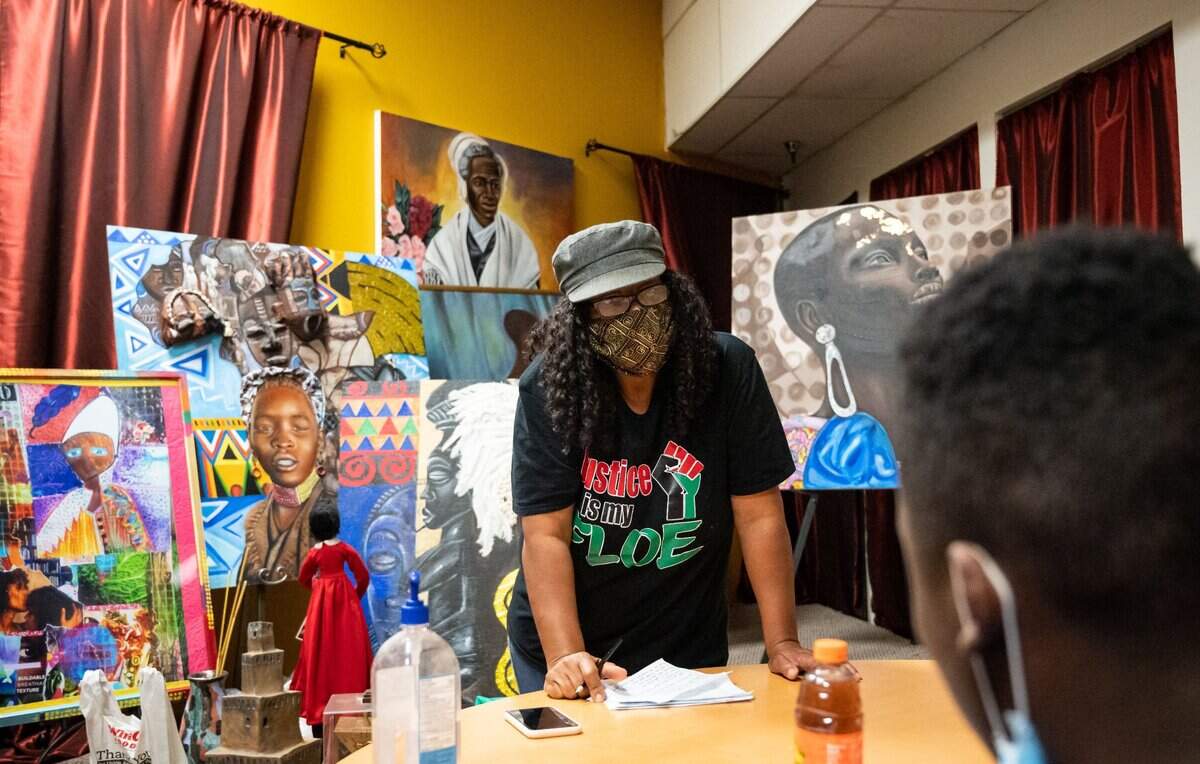
For two years, a group of at least 225 artists will receive at least $450 each month, Van Voorhis said, no strings attached. The city plans to include professional development for participating artists, and will do a comprehensive analysis of the how the program impacts artists.
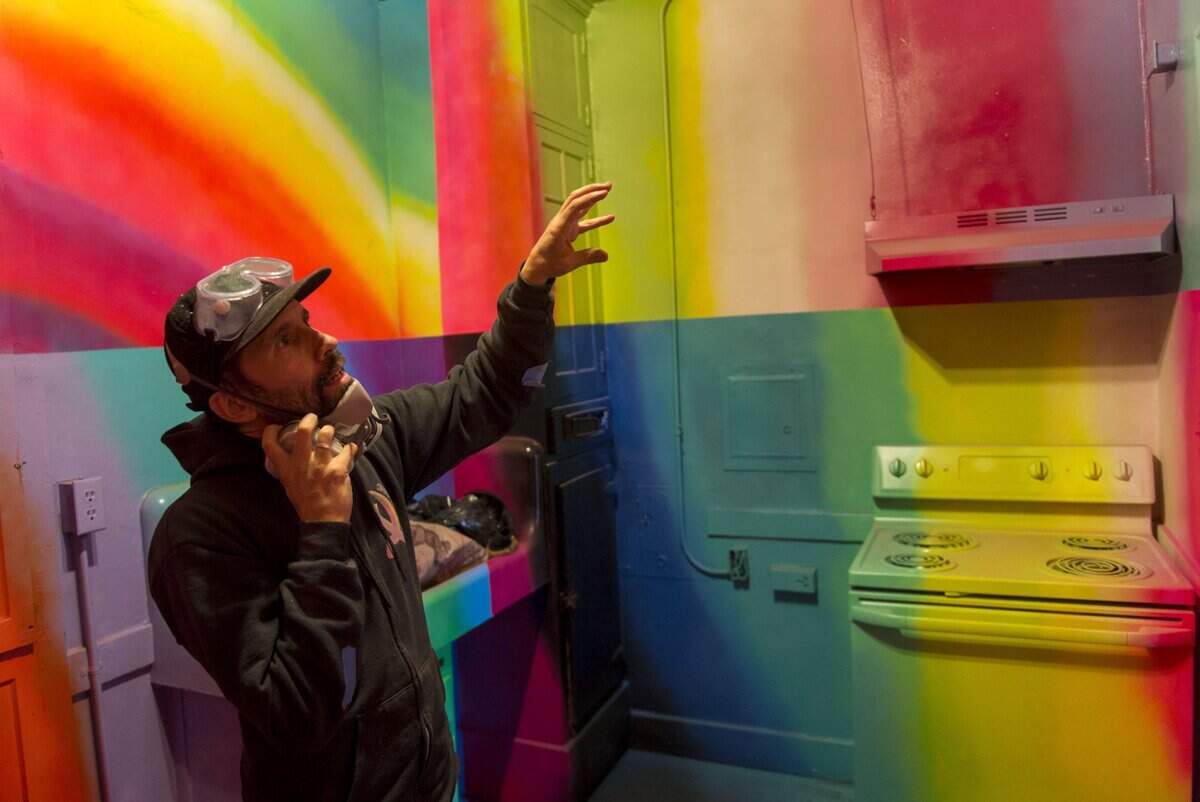
Among the potential applicants will be Janine Mapurunga, a local photographer and textile artist. She had planned to open a major exhibit at city hall in April 2020 when the coronavirus shutdown public events, and her “whole work life was turned upside down.”
She received about $7,000 in grant funding from the city in 2020, but still struggles to make ends meet. Most of her income used to come from event photography and documentary work. Now, she’s focused on growing her artisan textile business.
“It’s a very civilized way of recognizing the role of artists,” Mapurunga said of basic income programs. “It’s become more clear since the pandemic the place that the arts hold in the well-being of society in general, so it just makes sense.”
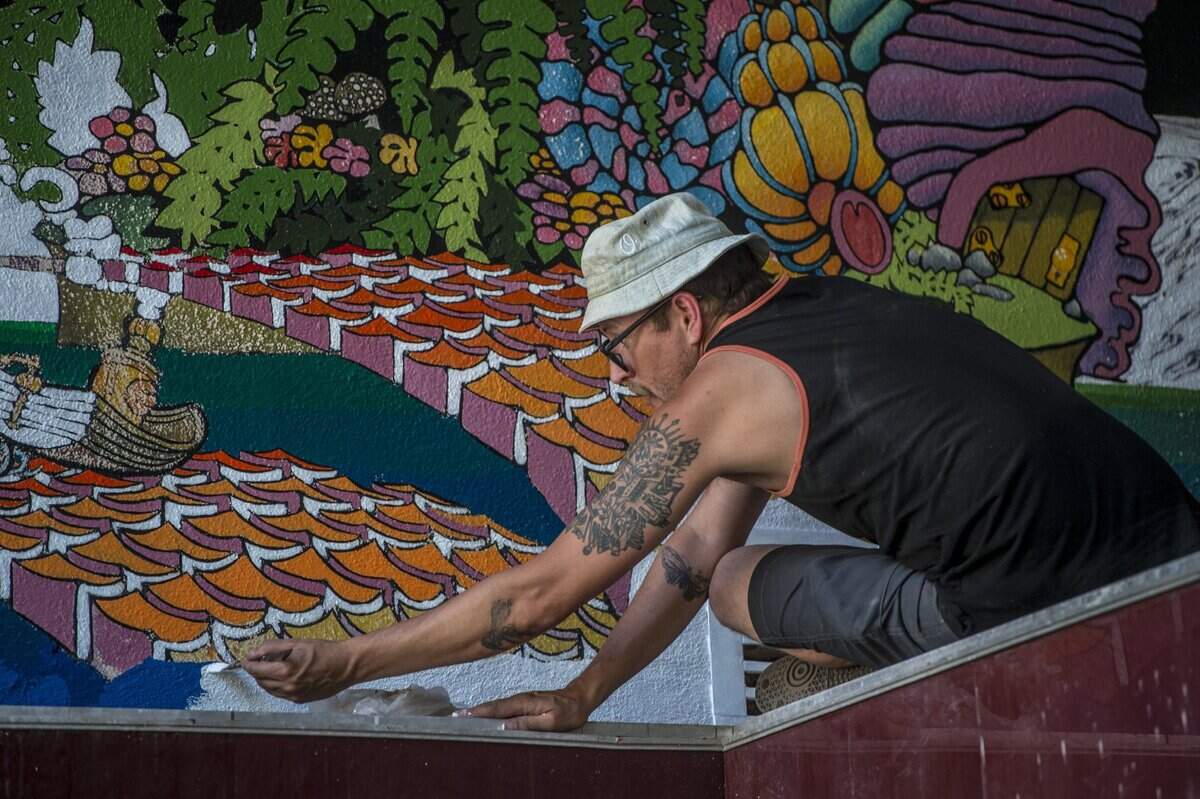
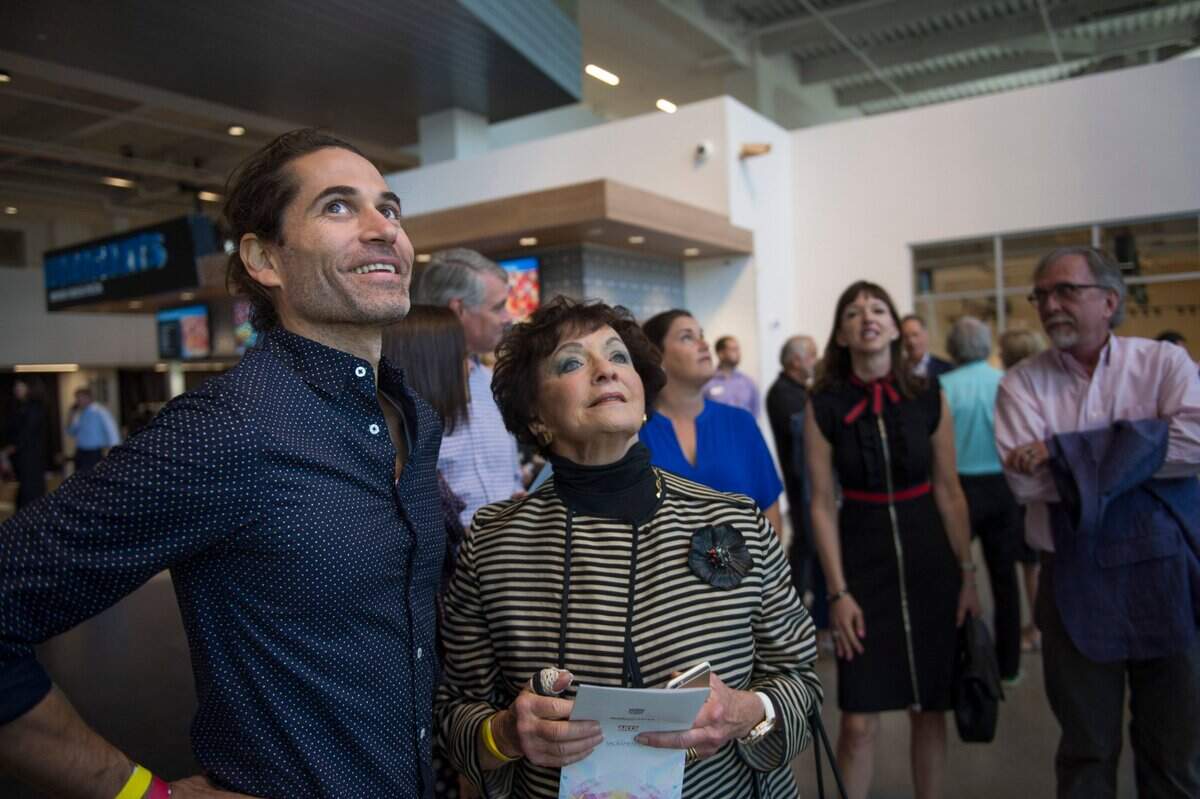
It’s hard to quantify an artist’s impact “because it’s not something that goes on a spreadsheet,” said Shira Lane, founder and CEO of a local art hub called the Atrium.
But artists offer significant contributions to the community, Lane said, working with youths and leading conversations around mental health, for example. Murals on vacant storefronts and live performances can help shape revitalization efforts and neighborhood culture, Van Voorhis said.
Beyond that, investing in a more equitable arts community means creating a more equitable community overall, Sousa said.
“The artists, the poets, the actors, the singers, the visual artists are direct voices to the communities” marginalized in society, Sousa said. “By not funding them, we’re complicit in silencing some of the most important issues we need to talk about.”
This story was originally published April 22, 2022 at 5:00 AM.