Tyre Nichols’ joy in Sacramento: Friends, family say skateboarder loved ‘capturing the moment’
Tyre Nichols mother, in her grief, said “something good will come of this.”
RowVaughn Wells, 61, hoped her son’s death at the hands of Memphis Police would be remembered as a way to force change for the better.
She sat in the Capitol chamber as President Joe Biden quoted her during his State of Union address last Tuesday. “Let’s commit ourselves to make the words of Tyre’s mom true,” he said. “Something good must come from this.”
Nichols’ family and friends in his hometown of Sacramento, where he lived, knew that is what he would have wanted, too. Since he died Jan. 10 at 29, three days after he was beaten, they remembered him as a joyful spirit who wanted to make his mark in the world.
His name is now known, sadly, as synonymous with tragedy – the latest unarmed Black man to be killed by police. He is also known, and remembered, by his family and Sacramento friends as a positive beacon of light.
Family and many friends remember him as a selfless, nice, optimistic individual who always put a smile on the faces of others.
“He was the person always there for you, he always checked in on you,” said Angelina Paxton, one of Nichols’ many childhood friends growing up.
Growing up in Sacramento
The youngest of four children, he was born on June 5, 1993, to Wells and Steven Nichols in Sacramento.
Wells worked as an accountant for for SKK Development. Her newest addition to the family was loved by everybody, the clear-cut favorite simply because he was the “baby” in the family, according to his oldest sibling, Keyana Dixon.
“He could do no wrong because he was the baby and we didn’t care,” said Dixon. “Like I would tell him to help me clean the bathroom and he would just look at me and dip off.”
She boasted that Nichols had a good army of brothers and sisters that protected him, allowing him to be himself, and not fit into a box.
She describes her “baby brother” as “goofy” and a “free spirit.”
“He didn’t care about what people thought about him and that’s what made everybody love him,” said Dixon. “At a time when there was heavy gang activity in Sacramento, (Tyre) just skated right on by and everybody loved him for that.”
As a kid growing up he was a laid back person, Dixon said.
He loved to watch cartoons, eat big bowls of cereal, and ride his bike outside for hours with his friends who lived in the same cul-de-sac, off of 47th Avenue in south Sacramento.
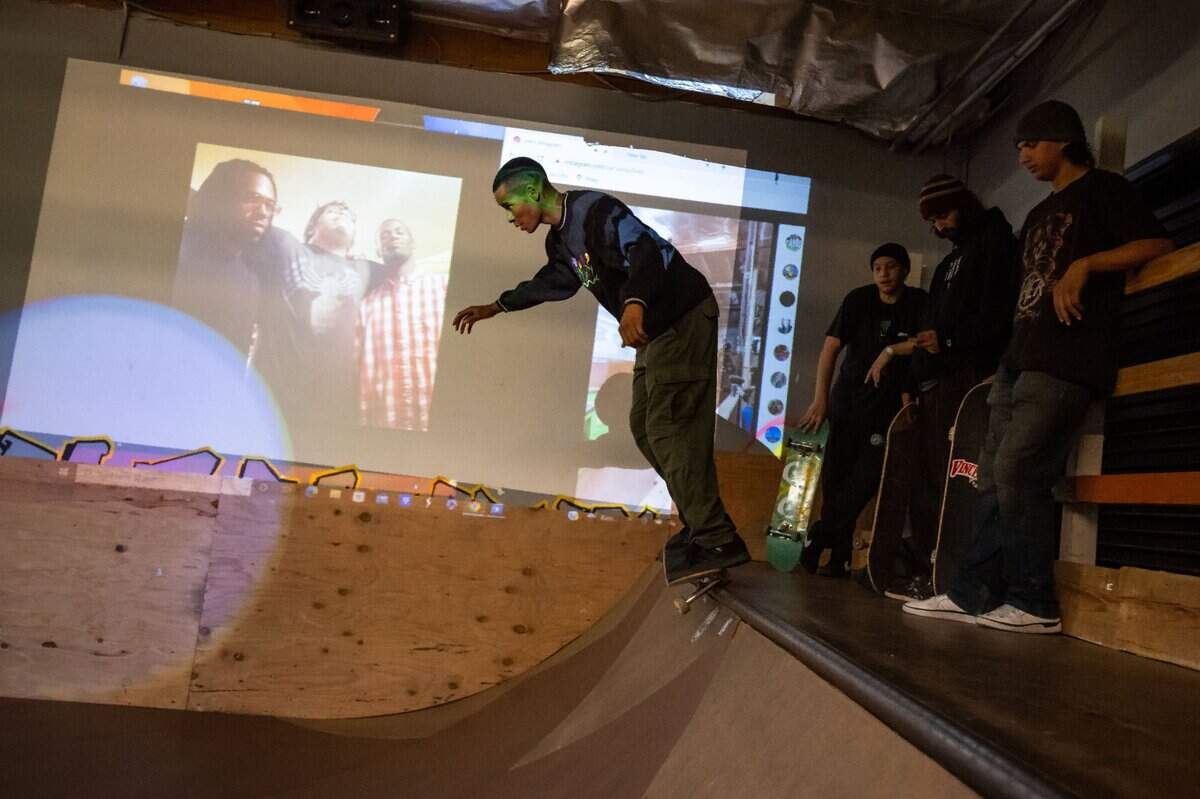
Nichols loved to get on his bike and go ride for hours before he took up skateboarding. He would hang out with other kids growing up, together they skated off of a ramp near Bowling Green – his old elementary school in south Sacramento.
Tyre Nichols was also a student at both Rio Linda High School and Pacific Career and Technology High School in Twin Rivers Unified School District. He graduated from Pacific in 2011.
Friends said he encouraged others, lifting them up. He participated in outreach programs with youth ministries.
“Tyre had this overwhelming urge to make others smile,” said Ryan Wilson, a close friend of Nichols growing up.
His favorite pastimes growing up were photography, watching sunsets, and of course, skateboarding.
One day, Nichols came home noticeably upset with a “jacked up skateboard” as Dixon recalled.
“He tried to put it back together but it just didn’t work,” said Dixon. “My mom actually surprised him with a new skateboard and the rest is history.”
Dixon said her brother didn’t get the chance to fulfill what he was supposed to do.
“He was a good little brother – he really was – up until his last breath. I just want him to be remembered as a fun, kind, free-spirited young man that did not deserve any of what he got that night,” said Dixon.
A local skateboard influencer
Nichols began skating at 6, his mother said at a press conference on Jan. 23. That early start was obvious to friends who later met Nichols in his teens.
Childhood friends, Nick Dragonetti and Dejon Hills, described him as an “all-around skater” and “natural” that was able to perform a number of ramp and rail tricks. Most notably, Nichols excelled at treflips and “buttery” heelflips.
“He just made it look effortless,” said Dragonetti.
Nichols’ love of skating led him to spend thousands of hours at Regency and Tanzanite Parks, two of Natomas’ most popular skate parks. These parks are where many friends recall their first, and best, memories of Nichols. Nichols stood out with his tall stature, lime-colored outfits and welcoming attitude.
“Every time you saw him, you just wanted to smile,” Hills said. “You just felt good being around him.”
But for some, Nichols was more than just a good skater. He was a mentor for Black kids who would hang out at the parks and became influenced to skate.
Hills was one of those kids.
“When I met him, he sparked a ‘wow there are Black skaters’ and it made not want to stop,” he said.
He recalls his first interaction with Nichols. They met and he uttered two words.
It was 2009, and Hills, then 16, had finished a school day at Inderkum High School. As Hills walked up to Regency Park for some skating, he spotted Nichols preparing for a trick, wearing one of his now-famous colorful flannels.
Nichols ran to him, offered a fist pump and said two words: “Black guy.”
Nichols, without missing a beat, ran off to continue skating. The brief interaction left Hills feeling accepted by the only other Black skater in the community.
“It made me feel good because back then you didn’t really see many Black kids skating,” said Hills.
The two soon became “literal brothers,” joked Hills. They would practice skating, try to steal each other’s flannels, exchange life goals and pretend to be related. As the sole Black skaters, Hills said it was relatively easy for people to believe them.
“Back then, it was harder to find my place in the skating community and he helped me find it,” he said.
An aspiring photographer
Nichols was on his way home from taking photos, when police pulled him over and killed him.
No one knows what he planned to do with the photos. Nichols sometimes shared images on Facebook, and other times posted on his Wix page dedicated to photography.
“My vision is to bring my viewers deep into what I am seeing through my eye and out my lens,” he wrote on his website. “I hope to let people see what I see and to hopefully admire my work based on the quality and ideals of my work.”
Nichols had been an avid photographer for years. He started off recording videos of skate tricks and friends at the park. The videos show Nichols and his friends skating on ramps and rails, flipping their boards in the air and sun shining through.
“He loved capturing the moments just as much as making them,” said Dragonetti.
Nichols got his first camera at 13.
According to Paxton, who is now a professional photographer, Nichols would routinely ask for advice. She remembers how Nichols would tell her that he wasn’t good with words, but he knew how to be empathetic and capture moments that matter the most.
“And he was right…Tyre had the gift,” Paxton said.
Nichols would take photos of landscapes and people. He’d take photos of bridges, lakes, bars, parks and street signs. Nichols loved taking photos of sunsets.
As Paxton and Nichols grew older, the two would often hop into her Nissan Maxima and drive south toward the heart of the Sacramento-San Joaquin River Delta. The goal was always the same: To catch the sunset.
On some days, as they blasted music and sped down the levee roads, Nichols would climb out and sit on the ledge of the window. Through her sunroof, Paxton said she would see her friend laughing with his arms up in the air as if trying to reach the sky.
“It showed his free spirit,” Paxton said. “I think that’s all he ever wanted. To just feel free.”
In early 2020, Paxton said, Nichols moved to Memphis to be closer to his mother and escape California’s high cost of living. He had struggled to secure a high-paying job and needed a “change of scenery.”
“He definitely got it when he got there (Memphis). He described it as God’s country,” Paxton said.
‘Denial and Shock’
Many friends are still coming to grips with the death of Nichols.
Paxton and Dragonetti described feelings of denial on the situation.
In Paxton’s case, she initially believed the police reports and thought the death may have happened accidentally or was influenced by Nichols’ health. At 6 feet, 3 inches, Nichols weighed only about 150 pounds because of the Crohn’s disease that he developed as a teenager.
Eventually, Nichols’ brother reached out to Paxton and explained what happened following the traffic stop in Tennessee.
“I have just been dealing with denial and shock ever since then,” Paxton said.
Dragonetti says the death still “doesn’t feel real.” But he will use skateboarding, and the videos recorded with Nichols, as an outlet to move forward.
“Everything I do, I’m gonna do for Tyre,” Dragonetti said. “Every time I get on a skateboard, he’s gonna be there with me.”
After his death
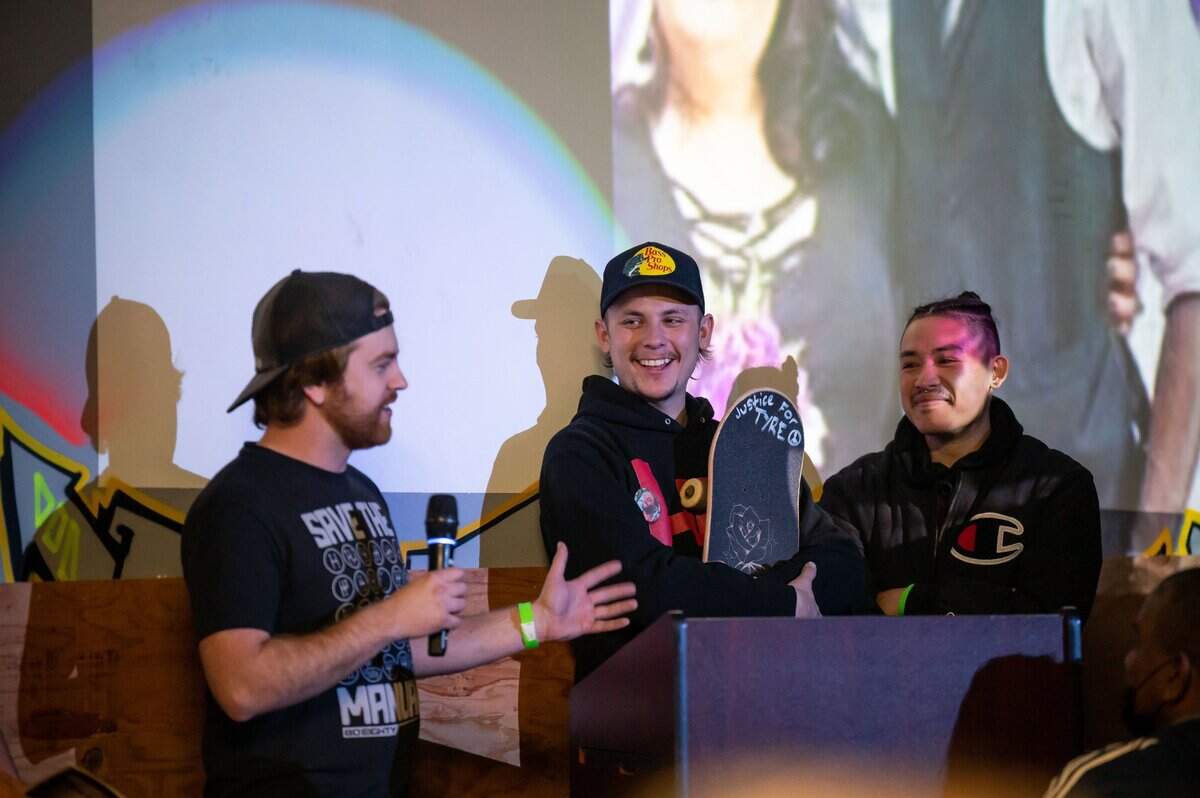
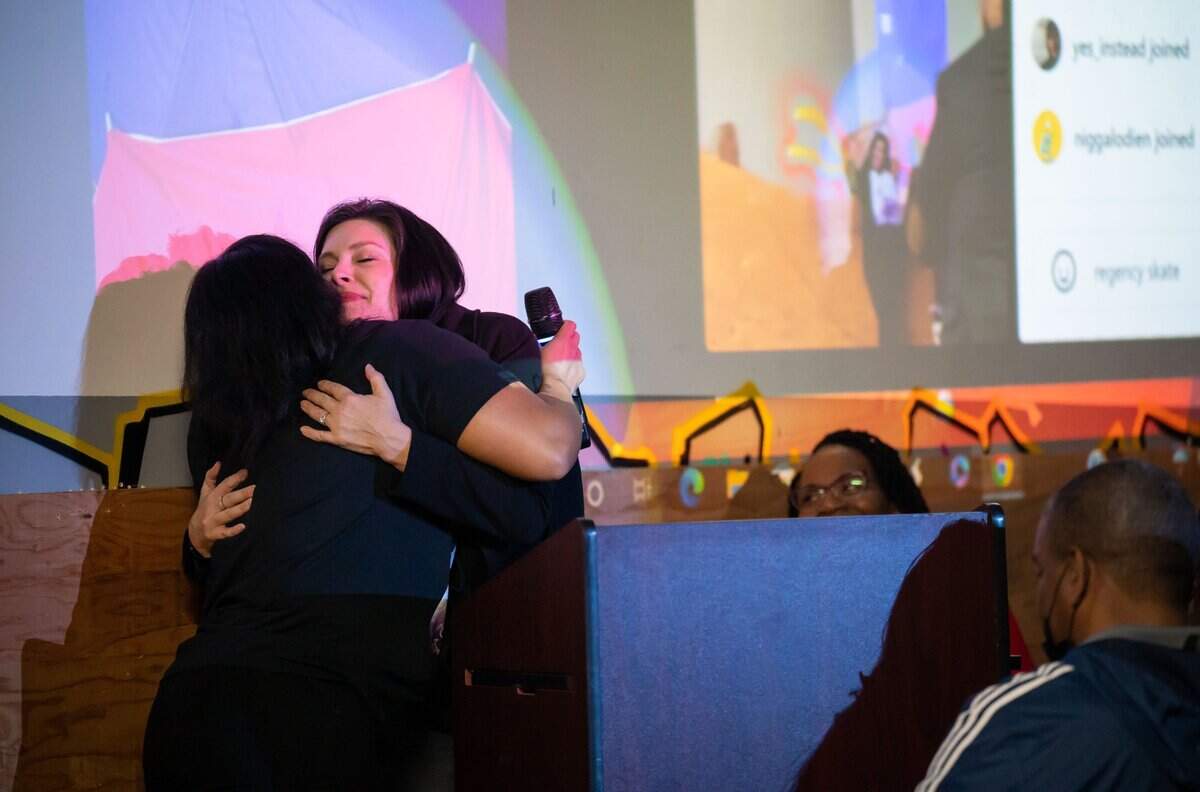
Since his death, protests at the Capitol have honored Nichols, as have vigils at various skate locations.
Thomas Nichols, one of his cousins, said demonstrations – such as the vigil at Regency skatepark, where he loved to spend time – was “a good start” to immortalizing his cousin’s name.
In the works is renaming Regency as “Tyre Nichols Skate Park,” according to councilwoman Lisa Kaplan. She recently announced the partnership between the Nichols family and the City of Sacramento.
“On behalf of myself and in partnership with the family and Mayor (Darrell) Steinberg,” Kaplan said at the memorial. “That is going to be the Tyre Nichols Skate Park.”
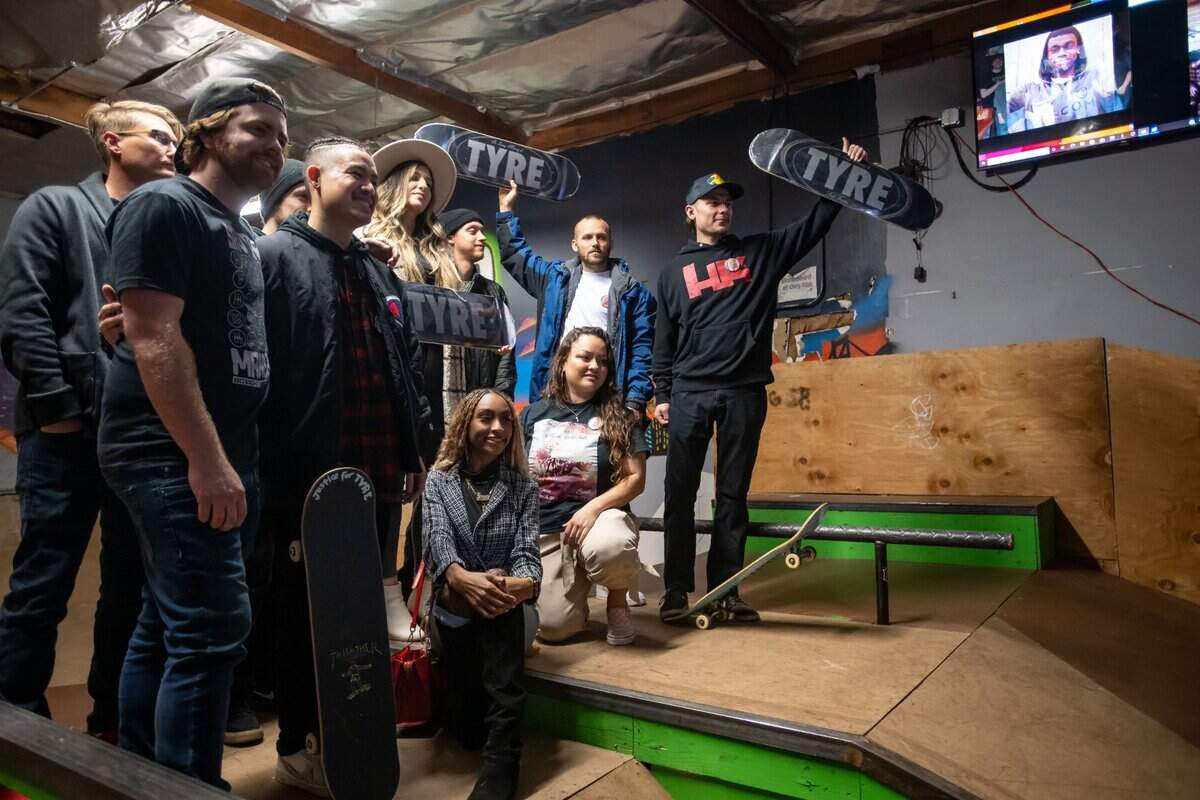
At the end of Nichols’ memorial on Jan. 30, his family was provided all black skateboard decks that had “Tyre” embroidered in white block letters on the bottom.
This story was originally published February 14, 2023 at 5:00 AM.