Is California killing fast-food jobs with new $20 hourly minimum wage? What new research says
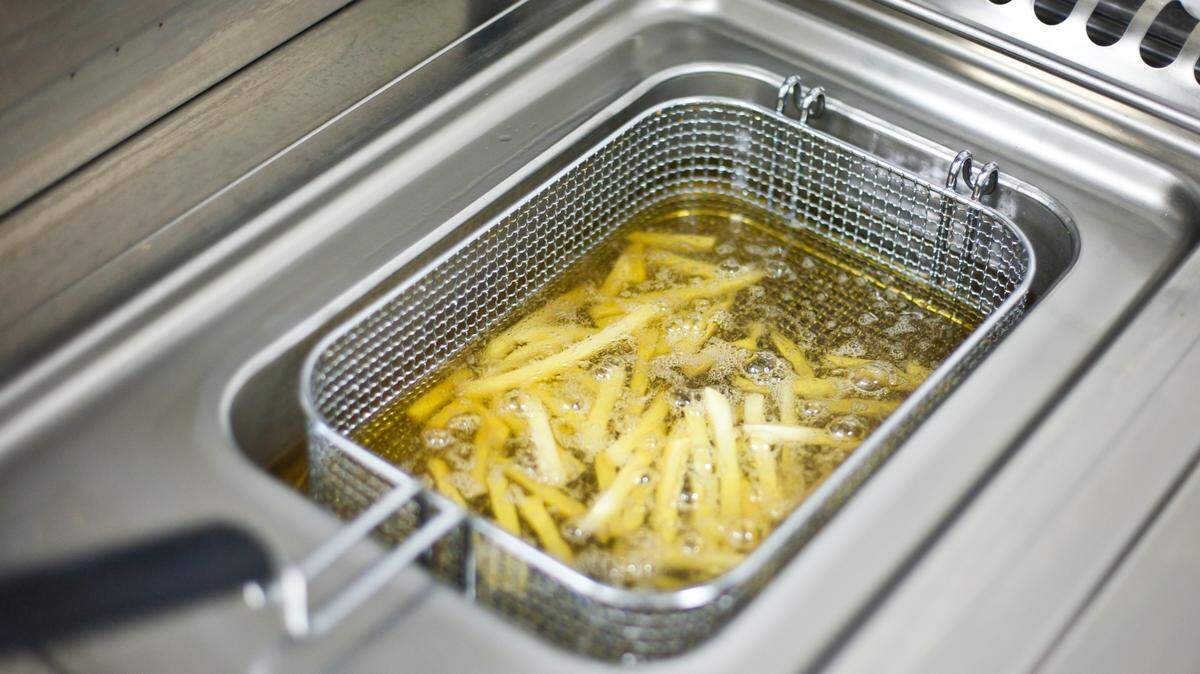
Fast-food employers predicted big price hikes as a result of the implementation of a $20-an-hour minimum wage on April 1, but new research found the average price of a small burger rose by just 15 cents within six weeks of the April 1 pay raise.
Economist Michael Reich of the University of California, Berkeley, said he relished the chance to explore the impact of this new hourly wage floor because it is so much higher than any previous minimum wage and affected hundreds of thousands of workers. The minimum wage applied only to large franchises such as McDonald’s, Burger King and the like or to Starbucks, Jamba Juice and other chain coffeehouses and juice bars.
“Wages increased an average of $3 per hour, or about 18% over the previous level,” Reich and UC Davis graduate student Denis Sosinskiy reported. “This translates into an average annual pay increase of over $4,000 for fast food workers. Employment, we find, was not affected at all. It changed by the same amounts — the same percentages, I should say — as in our control groups.”
Control groups, in this case, were made up of restaurants that didn’t have to implement the pay hike: small, local fast-food restaurants around California, big fast-food chains in other states where wages are lower, full-service restaurants in the Golden State such as Applebee’s or Buffalo Wild Wings, Reich said.
The report, released Monday under the scholarly title of “Sectoral Wage-Setting in California,” sparked a statement of protest from the restaurant industry and one of support from labor.
Save Local Restaurants, a coalition of the International Franchise Association, California Restaurant Association, National Restaurant Association, individual franchisees and brands, pointed to seasonally adjusted data from the Federal Reserve Bank of St. Louis that showed California has lost 5,416 fast-food jobs since January 2024.
“Many local restaurants have been forced to raise prices, reduce employee hours, turn to automation, or shut down entirely,” said Jeff Hanscom, vice president for state and local government relations for Save Local Restaurants. “It is imperative that we promote policies that uplift both workers and the family-owned restaurants that serve our communities.”
They pointed to dozens of articles by media outlets reporting big jumps in menu prices, reduced hours for workers, businesses relocations or closures, and losses in foot traffic at fast-food restaurants following the $20 minimum wage increase.
Carmichael franchisee: ‘I don’t believe this study’
Local franchisee Teghvir Toor said he’s raised prices 9% and has cut worker hours at his Arby’s restaurant at Madison and Manzanita avenues in Carmichael, but he’s still worried about making it.
“I don’t believe this study.” he said. “None of what’s in this report matches my experience or the experience of the dozens of other franchisees I’ve talked to. We’re hurting.”
Joseph Bryant, an executive vice president of the Service Employees International Union, said Reich’s report “undermines months of fear-mongering from global corporations about the impact of raising pay for California’s fast-food cooks and cashiers.”
Fast-food prices have gone up 52% in the last 10 years, compared with overall inflation of 32%, the SEIU asserted in its statement.
Assembly Bill 1228 established the $20 hourly minimum wage in September 2023 and founded a Fast Food Council composed of labor representatives, government officials and restaurateurs. The council will make decisions on future increases in the wage floor, up to 3.5% annually, and it will recommend standards for working conditions and employee training.
On average, menu prices rose by about 3.7% in the first six weeks following the April 1 wage increase, Reich said, and 62% of those cost increases were passed along to consumers.
He said they should have data soon that will help them figure out how restaurants avoided raising menu prices even higher. Profit margins may have allowed the eateries to absorb some of the increased labor expenses, he said, and the cost of hiring and retention may have declined as a result of pay increases.
When labor costs increase, Reich said, consumers can expect a one-time price increase. It’s not something restaurants will impose again and again and again because competing businesses could drop prices and win greater market share.
Reich said that he and Sosinskiy checked prices six weeks after the minimum wage rose to $20 an hour because that’s about the amount of time it takes for restaurants to establish what they will charge. However, he said, they are continuing to monitor the impact with a third wave of new data. They also checked prices two weeks before the $20-an-hour wage went into effect.
Reich said he would not have released this study if he wasn’t confident that the long term results would be pretty close to what they have found.
“Numerous critical articles in the business press marshaled anecdotal evidence of substantial cuts in jobs and hours,” Reich and Sosinskiy wrote in their report. “In a September 18, 2024 opinion column in Fox News, California Governor Gavin Newsom weighed in, citing BLS data that show consistent growth to date in year-over-year fast food employment.”
While the BLS data show small monthly gains in the fast-food industry jobs since January, Reich said, researchers really have to compare the California data to what’s happening in other states and in other sectors of the restaurant industry to credibly establish whether the new minimum wage is causing employment gains or losses.
When Reich and Sosinskiy did so, they found that “fast food employment grows after April 1, but it also did so before — at about the same rate. So it’s incorrect to say that the $20 policy increased employment.”
This story was originally published October 2, 2024 at 5:00 AM.