
The Sacramento Bee’s Black Change Makers: Meet the Top 20 leaders changing the region’s future
Guided by their compassion and dedication to service in the face of adversity, true change makers will look for ways to connect with their communities despite the odds.
This Top 20 Black Change Makers cohort does just that. Among these honorees are the founder of a nonprofit to feed food-insecure Sacramentans, a local labor leader and members of a health advocacy group serving African Americans and marginalized communities.
The Sacramento Bee’s Equity Lab, in partnership with the Nehemiah Emerging Leaders Program, celebrates a cohort of educators, nonprofit leaders and advocates in its third installment of the Change Maker series.
The Change Maker project underscores the contributions of leaders in the region’s Latino, Black and Asian American and Pacific Islander communities. Since 2022, the project has honored 195 individuals who are a driving force for good.
On April 4, we will bring together the latest group of 60 change makers for an event at Sacramento State’s University Ballroom to celebrate their achievements. Tickets can be purchased here.
The selection committee — composed of previous change makers, leaders of the Nehemiah Community Foundation and Sacramento Bee journalists — convened in January to consider the community’s nominations and narrow the list down to 20.
Our selection committee included: Ebony Chambers McClinton, adviser at Stanford Sierra Youth & Families; Robynne Rose-Haymer, vice president of Capitol Impact; Scott Syphax, founder of the Nehemiah Emerging Leaders Program; Scot Siden, chief operating officer of the Nehemiah Community Foundation; Deneva Shelton, chief executive officer of the Nehemiah Community Foundation; Cathie Anderson, reporter at The Sacramento Bee; Darrell Smith, reporter at The Sacramento Bee; Sabrina Bodon, editor of The Sacramento Bee’s Equity Lab; and Colleen McCain Nelson, executive editor of The Sacramento Bee.
Let’s meet our Top 20 Black Change Makers.
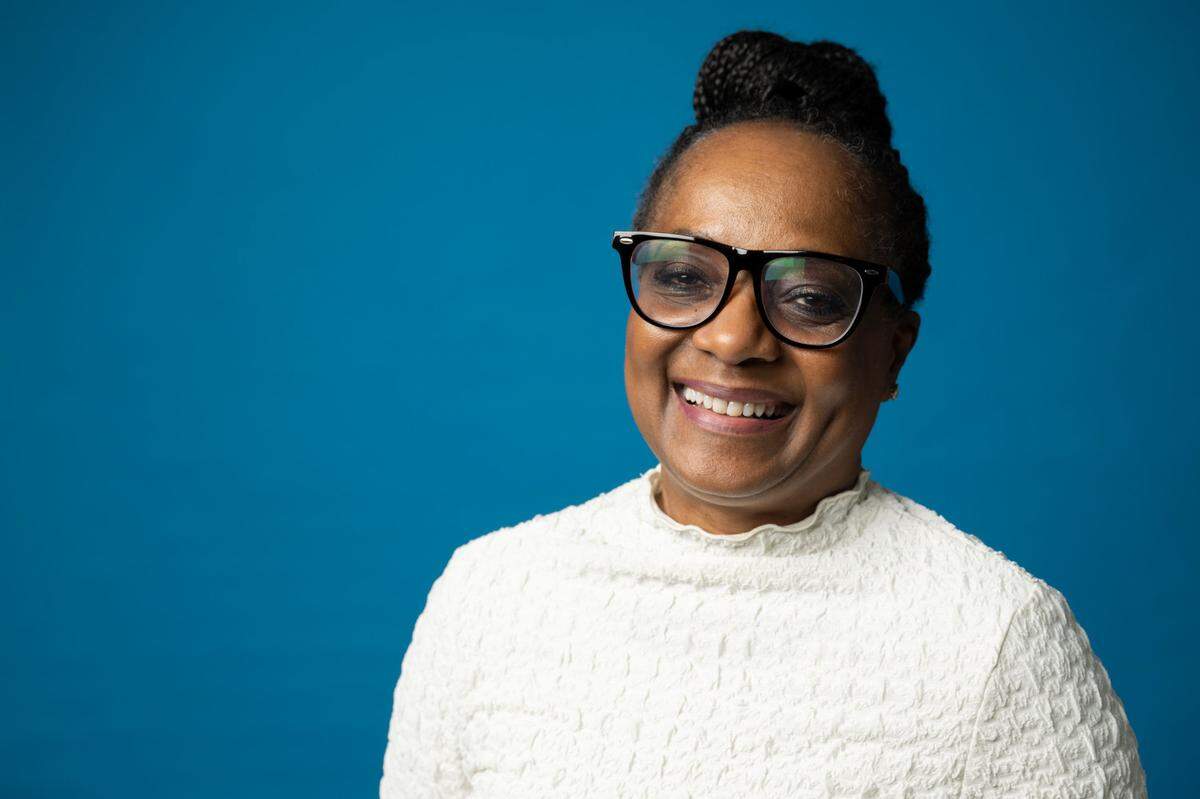
Twiana Armstrong
Founder, seeMYchild
In the midst of a divorce and a job restructuring, Twiana Armstrong grounded herself in Rocklin so her teenage daughter could finish high school without another move. She didn’t know then the cruelty that her daughter would face.
“Every year, she had a racial incident,” she said. One specific event during her daughter’s senior year, she said, still gives her anxiety when she thinks about it.
The feeling that she couldn’t protect her daughter rocked her. She sent emails, made calls and went to school board meetings to no avail. But maybe, she thought, she needed to do something about the culture instead.
“I’m a person of faith. It happened to us for a reason,” Armstrong, 64, said. “I tell everybody that is when I understood my assignment.”
Black residents make up only 2% of the population in Rocklin and its surrounding Placer County counterparts, according to recent census data.
Therein lies an opportunity that Armstrong seized.
Armstrong founded a nonprofit, seeMYchild, which celebrates the talents of local children and what she calls “community unity” through events.
In 2018, with other local groups, the nonprofit organized a Martin Luther King Jr. march in just 30 days. The latest event last month drew about 350 participants. Then, when Juneteenth became a federal holiday, they put together a celebration that’s now going on its fifth year. These events and others have brought together fellow ethnic communities in Placer County.
SeeMYchild has partnered with nonprofits such as the Sierra Native Alliance and Latino Leadership Council to support education forums around health and well-being, said Armstrong, who also owns the leadership development organization It’s Personal Enterprises.
“I honestly believe in that African proverb: It takes a village to raise a child,” Armstrong said. “I want to create a village where they can be whatever they choose to be, and they’re going to thrive.”
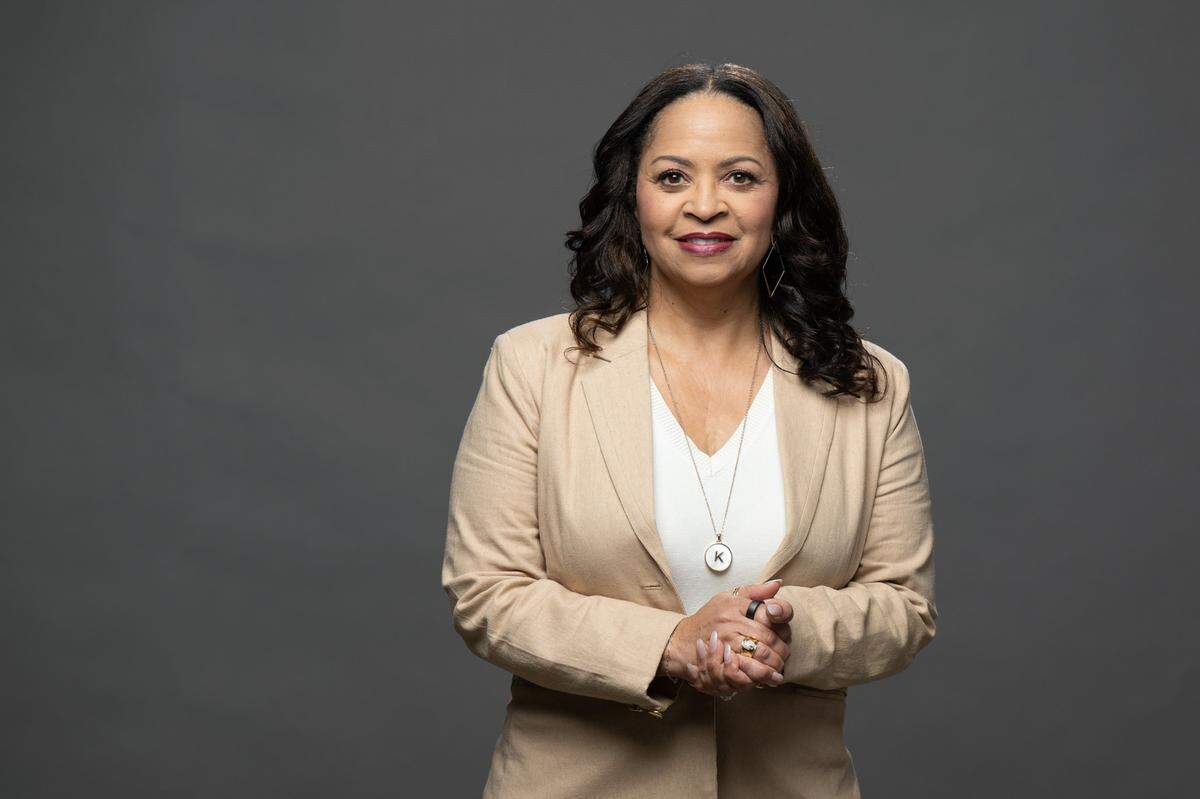
Kimberly Bankston-Lee
Executive Director, Saving Our Legacy, African Americans for Smoke-Free Safe Places
Before beginning her career in public health, Kimberly Bankston-Lee worked as a pharmacy technician in a hospital.
Her interest in health policy began in 1997, when an opportunity allowed her to get into tobacco control.
“I realized I really liked health policy work because it’s one thing to improve health and get individuals to change their behavior,” Bankston-Lee, 61, said. “But in health policy, you can change the health of a community by either adding policies or removing policies that might prevent health issues.”
During the next decade, she was part of efforts promoting voluntary policies asking businesses to not allow smoking in front of their operations. Public spaces such as the Sacramento Zoo and Fairytale Town became smoke-free zones.
Bankston-Lee and colleague Twlia Laster formed the nonprofit Saving Our Legacy, African Americans for Smoke-Free Safe Places in 2007 to address how tobacco is marketed in Black communities.
“I think about the industry and how they target African Americans, and how they target us with cheap flavored tobacco, menthol being the No. 1 flavor. It really made me angry and fueled my desire to continue the work,” Bankston-Lee said.
Her philosophy is “smoke is smoke.”
“It doesn’t matter if it’s coming from a forest fire. It doesn’t matter if it’s from the cannabis plant or tobacco plant or even synthetic products that emit aerosols that contain toxins,” Bankston-Lee said. “It is the toxins in the smoke that we’re aware of and that we’re concerned about.”
Bankston-Lee, who is also a real estate agent and member of the Black Realtors group Sacramento Realtist Association, said another goal of hers is to “create more home ownership in the Black community.”
“I just want to see us as a community, to get together and really address things like food insecurity, education, income, access to affordable health care, all those things that improve our health as a community that I would like to see us come together as Sacramento to do.”
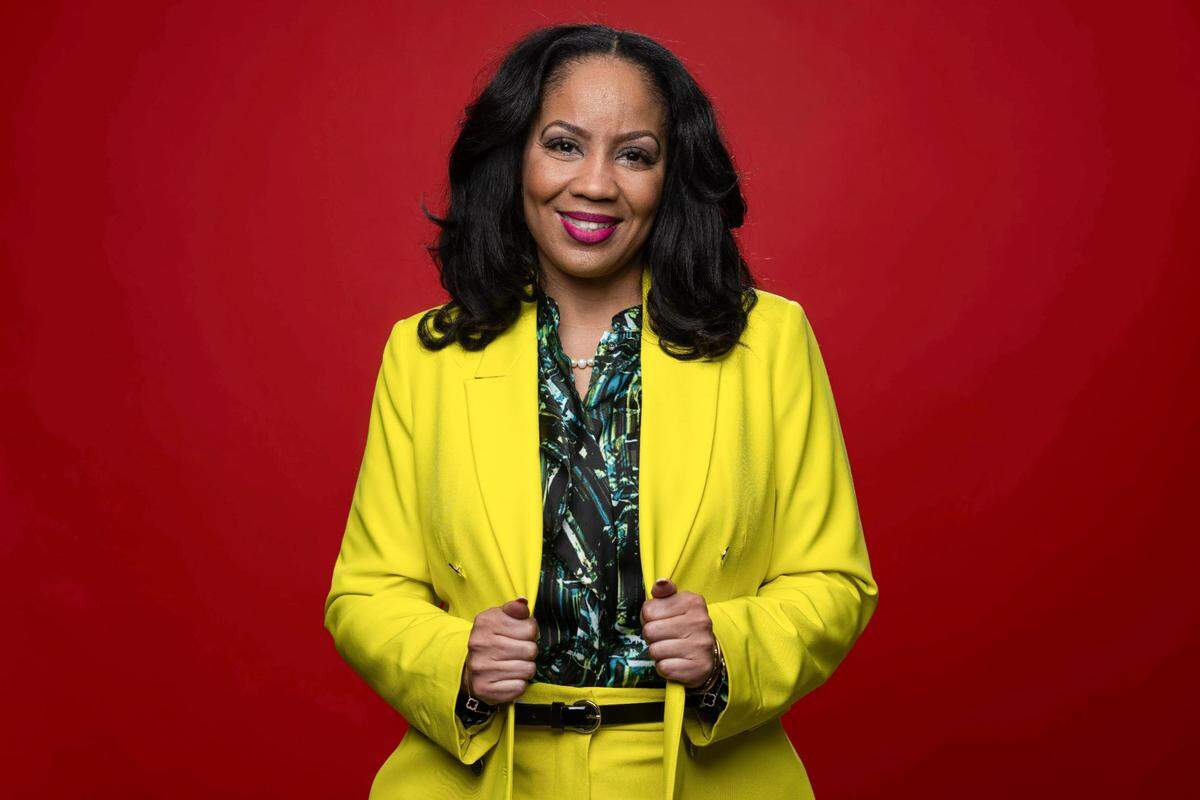
Davin E. Brown
Vice President of Student Services, Sacramento City College
Davin E. Brown insists divine intervention led her to a career in higher education.
Raised by her grandmother in San Francisco, Brown gravitated toward strong women with a sense of leadership and style, often teachers around her mother’s age.
“Education and educational administration was always a dream. I just didn’t know what it looked like,” Brown said. “I just knew I wanted to wear suits (and) to tell people what to do (like my mentors).”
While Brown was a student at California Polytechnic State University, San Luis Obispo, in the late 1990s, one of the few Black administrators at the time, Soncia Reagins-Lilly, took Brown under her wing, she said. That, paired with her own experience as the one of few Black students at the campus “sparked her fire” to help Black students navigate college.
Brown has worked at four-year public schools including the University of California, Riverside and Sacramento State, as well as the private Drexel University in Philadelphia. Brown, 47, now serves as the vice president of student services at Sacramento City College.
Throughout her career, she has dedicated herself to equity. She helped to create Sacramento State’s food pantry in 2015 and started a Black graduation at UC Riverside, which spotlights the achievements of Black graduates in an individualized cultural ceremony.
Today, she dedicates herself to the “heart work” of helping students at Sacramento City College. She engages students with empathy and equity while tackling projects including Black student success initiatives and the Panther Cares Center.
“For me, it’s not enough to be able to sit at a table and make decisions that would benefit students. You have to know what the students need,” Brown said. “The only way you would be privy to that information is if you interact and engage with the students.”
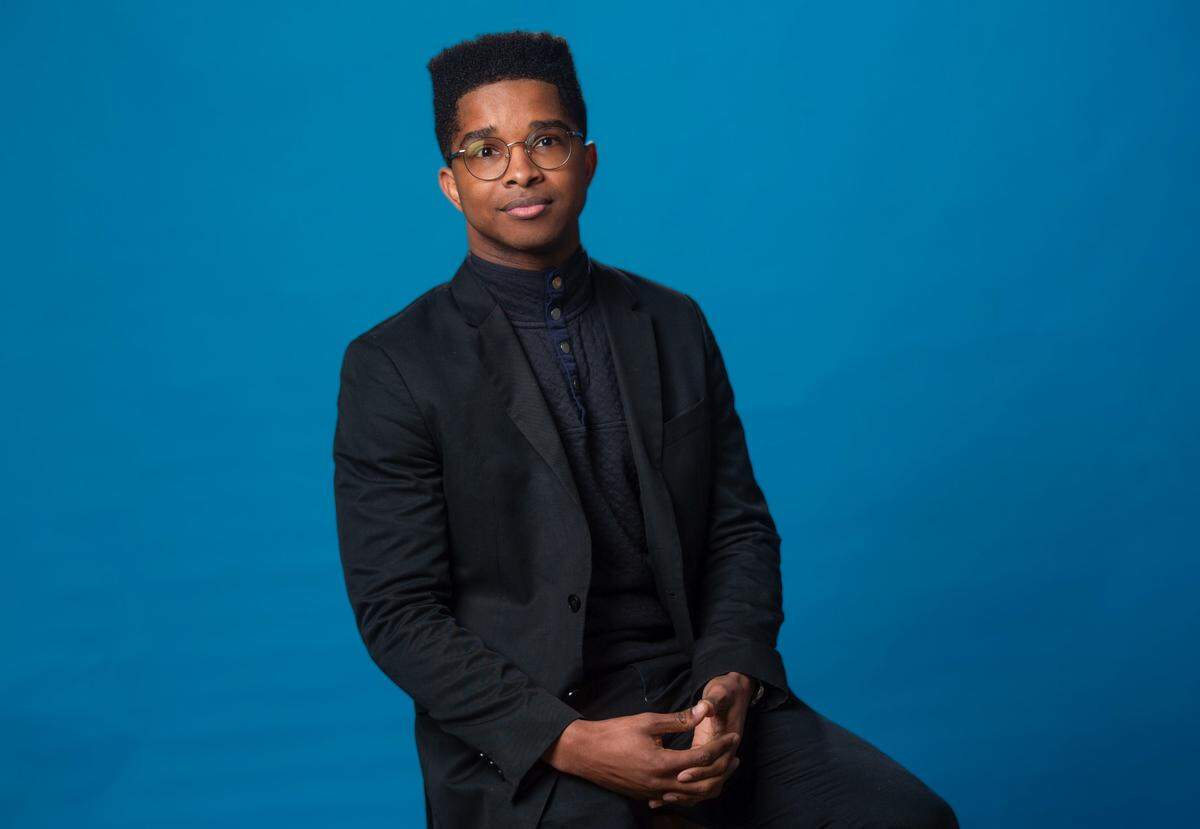
Edward Eldridge
Educator, Rosemont High School
When Edward Eldridge started as a math teacher at Rosemont High School in his early 20s, he didn’t smile. He didn’t want students to use his age against him. That changed when a student told him he’d been his first Black teacher.
“It was like a rush moment where all of my interactions with this student had come back to me because he’s a young Black kid, and I could just instantly see how he had been trying to connect with me as a teacher,” said Eldridge, 29. He’d been so concerned with his own image, he had missed it. “That’s when it clicked.”
Eldridge is committed to ensuring vulnerable students are set up for success, whether that’s through classroom work with students with diverse learning needs, leading a credit recovery class to keep students on track for graduation or offering a safe space.
Giving students opportunities to succeed takes investment during and after school hours, Eldridge said. It requires lending an ear when a student needs a sounding board or following up, no matter their circumstances.
When a student became homeless a few weeks before prom and graduation, Eldridge and another educator stepped up, finding solutions to ensure this student could participate and sleep in a warm bed.
“It’s important for me to be consistent with them, and when they see that consistency, it provides a sense of security,” he said.
Eldridge also advises a student-led campus clean-up club. In the past, tasks like picking up litter or taking out the trash were used as punishment. At Rosemont, being part of the club is a badge of honor.
“It really is building this sense of altruism, this desire to be involved,” Eldridge said.
An Elk Grove native, Mr. E’s father is an administrator with the Sacramento City Unified School District, and his mother is a mental health and wellness coordinator with the Sacramento County Office of Education.
“I like the level at which I make an impact; I like the granular details of working through even some of the student crises,” Eldridge said. “I do genuinely enjoy seeing them come out on the other side.”
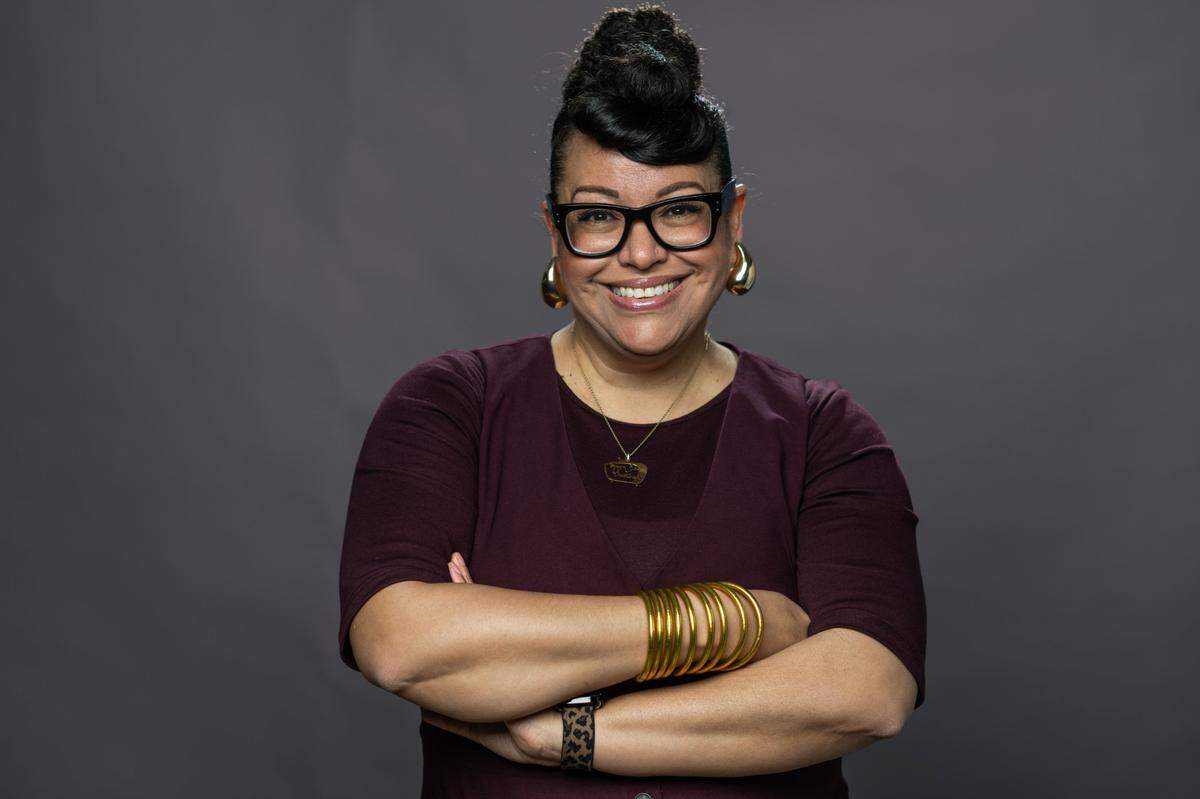
Michele Foss-Snowden
Communication Studies Professor, Sacramento State
As a mixed-race child growing up in a predominantly white town, Michele Foss-Snowden found an unexpected connection to one of television’s most iconic characters — Mr. Spock from Star Trek.
When Foss-Snowden was 8, her mother explained that Spock, a half-Vulcan and half-human character, mirrored her own heritage. This lesson sparked a lifelong passion for the power of media.
“My mom taught me that we can look to television, we can look to media to understand things about our real lives,” said Foss-Snowden, a self-described “Trekkie.”
Foss-Snowden, who was born in Bend, Oregon, and moved to Sacramento at 11, spent much of her childhood watching shows like “Sesame Street,” “Knight Rider” and “The A-Team.” Her fascination with television didn’t seem like a path toward a viable profession until she attended graduate school at UC Davis. There, she enrolled in a media criticism course that set the foundation for her career.
“It blew my mind because this was something that I had been doing kind of casually my whole life, watching TV and picking it apart,” Foss-Snowden, 49, said.
She earned a doctorate in journalism and mass communication from the University of Florida, hoping to later work with graduate students from historically marginalized populations. In 2006, Foss-Snowden became a professor in Sacramento State’s communication studies department.
She has since helped hundreds of students explore how television shapes societal narratives. The throughline for all her classes is “representational justice,” meaning she wants students to look beyond superficial representation in the media and grapple with the deeper ways in which marginalized communities are portrayed.
“The fight doesn’t end at being represented,” she said. “We have to be represented fully and well.”
In 2019, Foss-Snowden started a podcast called “The TV Doctor,” which includes the tagline “I’m not a doctor on TV, but I play one in real life.” As of this month, she has recorded more than 50 episodes.
Episodes center around Foss-Snowden’s belief that television can “treat and heal.” She interviews experts and prescribes shows to alleviate emotional ailments.
“These are stories that are meant to entertain us, but they’re also socializing us, and they’re educating us,” Foss-Snowden said.
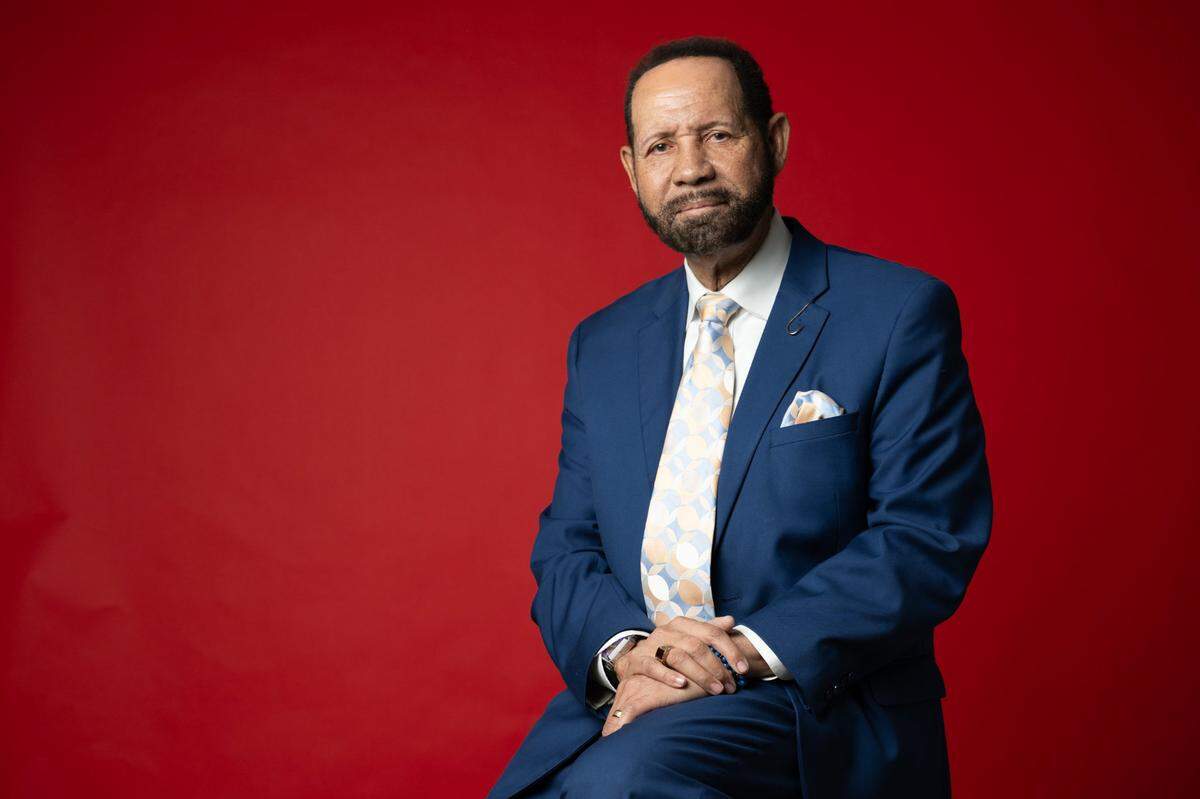
Phillip Goudeaux
Pastor, Calvary Christian Center
Phillip Goudeaux has always heeded the call to help others. It’s a calling that has guided him since he was a child, as a young man discovering a deep and abiding faith, and, for the past 45 years, as pastor and leader of Calvary Christian Center in Sacramento’s Del Paso Heights neighborhood.
“I don’t know when I started to have the urge to try to help people,” said Goudeaux, 75. “I didn’t know what a mentor was, but I wanted to help people and do things that made a difference.”
Goudeaux’s ministry began in the family’s living room in 1980, when he and wife Brenda, a Calvary center leader, opened their doors for Bible study.
Calvary has since sprouted centers in Elk Grove, East Sacramento and Loomis. Today, sons Phillip II and Nehemiah are Calvary ministers. Daughter Kimetra serves as the center’s administrator.
“It’s an honor to me. They’ve watched me help people. They’ve seen me do these things, and now they’re following me. It’s amazing,” Goudeaux said.
Calvary offers rehabilitation services to help those struggling to overcome addiction; a food ministry to provide meals and support for the food insecure; a partnership with the city of Elk Grove to provide refuge for the city’s homeless; and its Business Faith Connection to help people develop and build small businesses. Goudeaux calls it “marketplace ministry.”
“God wants us to be successful, to make other people’s lives better,” he said.
Though his faith was a constant, Goudeaux’s first passion was the law. He studied to be a criminal attorney at Sacramento State in the 1970s. He worked in Roseville’s railyards to pay his way, facing prejudice. He started a Christian fellowship at the railyards that lasted six years until establishing Calvary in 1980.
“If you can do something to make a difference, all of us should be change makers,” he said. “It’s not about getting ahead, it’s really about helping people. God wants us to use our faith for other people, to help them make a difference.”
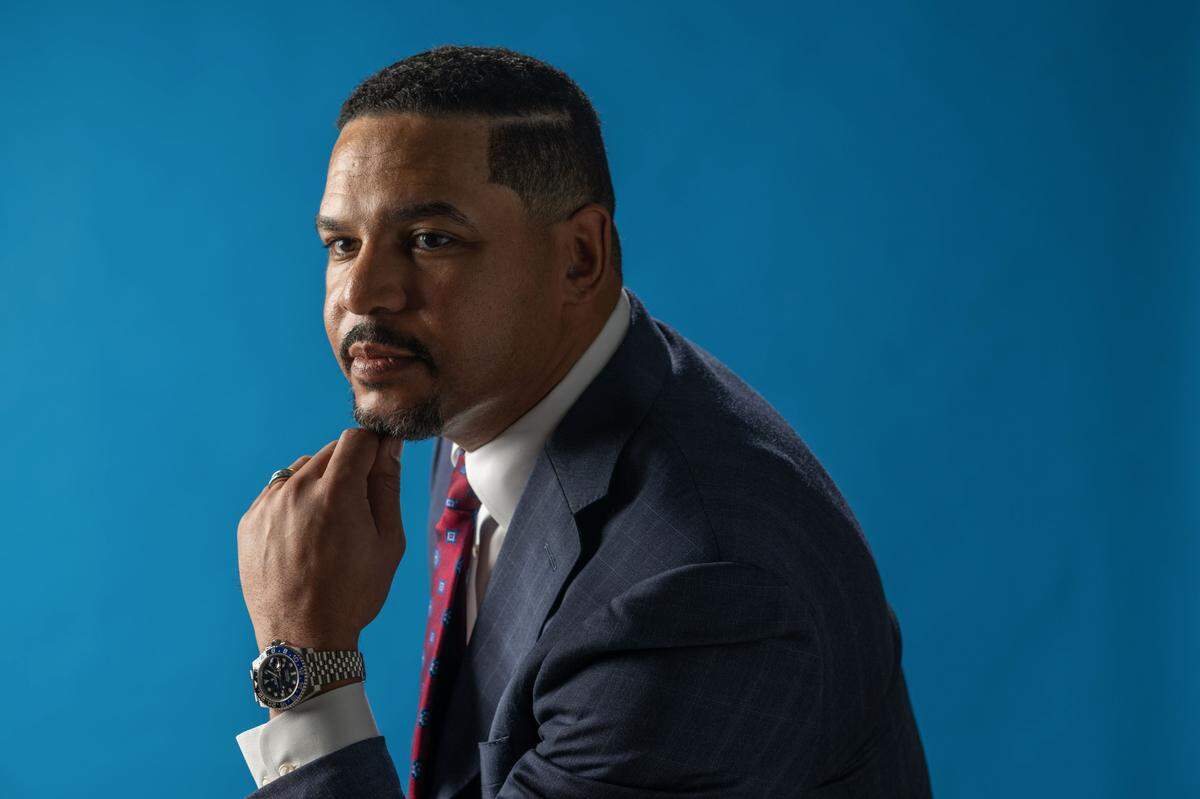
Ryan Harrison Sr.
Attorney, Fisher Phillips
Ryan Harrison Sr. started his career as a law enforcement officer in the California Senate, escorting senators and other dignitaries to events throughout the state. He remembers one day taking Darrell Steinberg, then Senate president pro tem, to a labor leader’s funeral in the Bay Area.
“As he was exiting City Hall, where the funeral was held, he was walking with a young Kamala Harris,” Harrison said. “And I didn’t know who she was. She seemed very important.”
That’s not the only reason he remembers that day well. On the drive back to Sacramento from San Francisco, their discussion switched from the future U.S. vice president and others at the funeral to Harrison’s future.
“And it pretty much ended with Darrell Steinberg daring me to go to law school,” Harrison said.
Harrison had already earned a bachelor’s degree in sociology at UC Davis, and, at the time, was getting his master’s degree in criminal justice from Sacramento State with aspirations of joining the FBI or the CIA. He said it was Steinberg, who would later become Sacramento’s mayor for eight years, who inspired him to head in a different path.
“I decided to go to law school and to see what would come of it, because I knew that I could do more,” he said.
Harrison, 41, grew up in Vallejo with his twin brother, Bryan Harrison, who also is an attorney.
He graduated from UC Law San Francisco in 2014 and is now an attorney with Fisher Phillips, an international labor and employment firm representing employers. It has more than 600 attorneys in 38 offices in the United States and three in Mexico. Harrison works in the firm’s downtown Sacramento office.
Harrison focuses on hospitality, sports, education and higher education industries, which includes work in litigation and trials, government regulations and workplace investigations.
“With Fisher Phillips, the biggest impact that I have is in my ability to help employers maintain compliance with the law,” Harrision said. “Employers want to maintain compliance with the law because violating law is bad for business.”
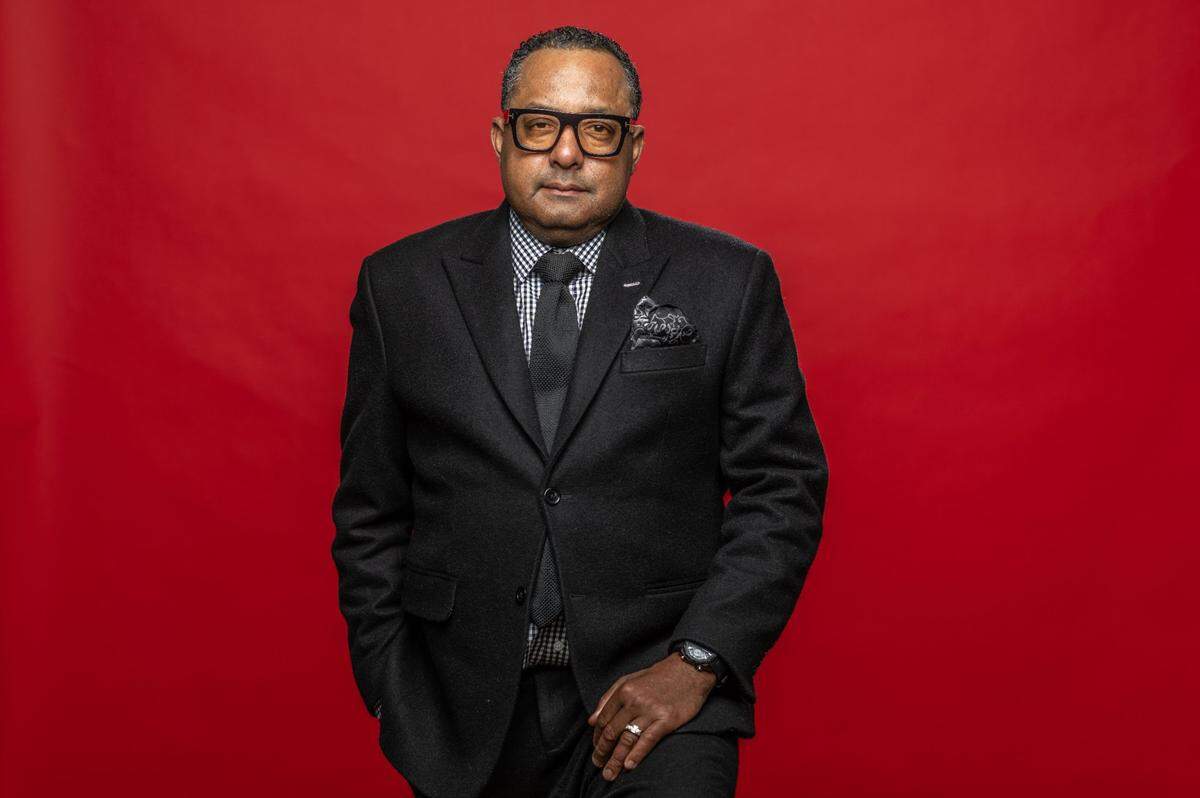
Kenneth ‘KJ’ Johnston
CEO, KJ 2 Productions
Throughout his childhood, Kenneth “KJ” Johnston saw expressions of creativity all over his hometown of New Orleans. But he found it difficult to imagine a stable future in the arts.
“I would see people peddling their art on the street for small change,” said Johnston, 53. “I felt like I needed to do something that yielded a career.”
Still, even as he tried to suppress them, his creative inclinations remained. When he went to college at Xavier University of Louisiana, he used a portion of his student loans to buy a camcorder. Later, when he was working a job in pharmaceutical sales, his company transferred him to Los Angeles, where he helped produce independent films in his spare time.
It took a leap of faith to quit his sales job and go to film school, and another after that to start his own business in 2010. His first production job — a short documentary — paid $175 for 36 hours of work. After paying a contractor, he netted about $3 an hour.
He struggled to charge a fair price for his creativity.
“I think that’s what a lot of creatives run into — I don’t know what to charge,” Johnston said. “We were really bad with collecting checks.”
His company — KJ 2 Productions — hemorrhaged money in its first few years, and Johnston questioned how it would continue to operate.
But he made some early decisions that paid off.
He moved his business from Los Angeles — a city saturated with production companies — to Sacramento. He started off doing pro bono work, making videos for nonprofits’ websites and galas.
“I said, ‘Who sits on nonprofit boards?’” Johnston recalled. “Decision makers for companies.”
Those early jobs provided the company a critical boost. As his work was viewed by more people, the phone rang more often. After a few lean years of operating with just two other employees, he began to hire.
Today, Johnston oversees a staff of 14 editors, cinematographers, producers and engineers at his office in downtown Sacramento. His client list includes major regional players such as Kaiser Permanente, Cache Creek and Golden 1 Credit Union.
And he’s learned some lessons about art and value.
His company doesn’t have to accept every job, Johnston said, or offer the lowest price in town.
“If you marginalize yourself, other people will marginalize you,” Johnston said. “We have to value what we do.”

Twlia Laster
Project Director, Saving Our Legacy, African Americans for Smoke-Free Safe Places
Twlia Laster, with perseverance and the guidance of mentors, pulled herself up through the ranks to start her own consulting firm and establish a 28-year career advocating for the health of African Americans and underserved communities.
“I was told the only way was to get a master’s degree in public health,” Laster said. “The powers-that-be were saying, ‘You’re not going to go any further.’”
They were wrong.
Laster didn’t get that master’s degree. She attended college later in life after starting a family. She earned a certification for human resource management in 2009 at the University of Phoenix, where she also was seeking a bachelor’s degree in June 2012 before a cancer scare compelled her to leave college to focus on her health and support her family. She later discovered her tumor was benign and refocused on her career.
Laster started her career as an administrative assistant, developing a passion for community health and well-being. She learned by doing.
“You jump into the deep end of the pool and start swimming,” Laster said.
Her success, she said, has been in outreach as a trusted member in the community. She developed advocates within the community to lobby the government.
Laster has been a catalyst in helping community-based groups develop programs with funding from California Proposition 99 and Proposition 56. The state initiatives approved by voters in 1988 and 2016 increased taxes on cigarette packs and other tobacco products for programs to reduce smoking, provide health care services, support tobacco-related research and fund programs for the environment.
“It opened up an avenue for me to realize where my talents were,” Laster, 56, said.
She started a consulting firm, Twlia Makes It Happen, in the late ‘90s to help others develop strategies to support their projects.
In 2007, Laster became a co-founder of Saving Our Legacy, African Americans for Smoke-Free Safe Places to improve health among African Americans in Sacramento County. The organization has expanded and now serves 14 Northern California counties working to adopt and implement smoke-free policies that protect people from the hazards of tobacco smoke and electronic smoking device vapor.
“Follow your passion,” Laster said. “No matter how crazy people might think it is.”
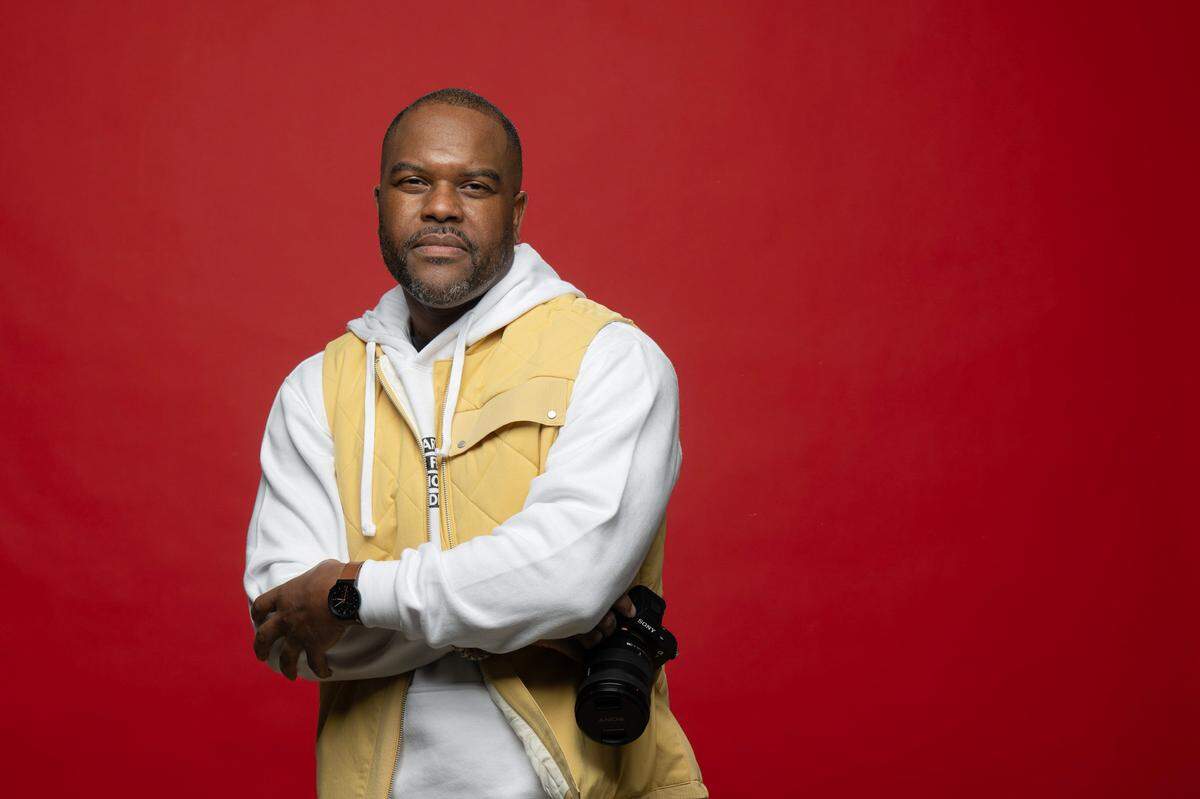
DeAngelo Mack
Senior Director of Equity and Training, The Health Alliance for Violence Intervention
DeAngelo Mack has held many roles throughout his life — pastor, organizer, photographer and actor. But at his core, Mack sees himself as a healer who is committed to building bridges and empowering marginalized individuals.
“My real job is humans and connecting humans to their humanity,” Mack, 45, said.
Mack was born in the small town of Joliet, Illinois, where he learned to support his community and developed a passion for theater. After graduating from high school, Mack followed his sister to Sacramento to further his acting career.
At 23, he found a calling as a youth pastor. Mack spent most of his 20s working with the church, community organizing and performing in local theater.
“I’m an actor in a lot of fields,” he said.
In 2010, Mack was hired to help develop the Sacramento Violence Intervention Program — an initiative that provided aftercare and support for young victims of violence. His eight years working with these clients led him to recognize the need to address deeper issues of generational and historical trauma.
“I learned that the antidote was love,” Mack said. “The antidote was love, honesty, compassion and curiosity. Those elements begin to create change in the clients and the patients that I dealt with.”
Mack was later hired by Public Health Advocates, where he briefly worked on policy focused on trauma and health disparities before transitioning into an equity role. Last November, he began working as the senior director of equity and training at The Health Alliance for Violence Intervention.
His work remains rooted in people and assisting them in building meaningful connections. Inspired by his own journey into photography, Mack founded an organization called Macknificent World in 2023. The goal is to help people reconnect with their “authentic selves” and share their stories through the arts.
“Authentic community is what is going to guide our livelihood going forward,” Mack said.
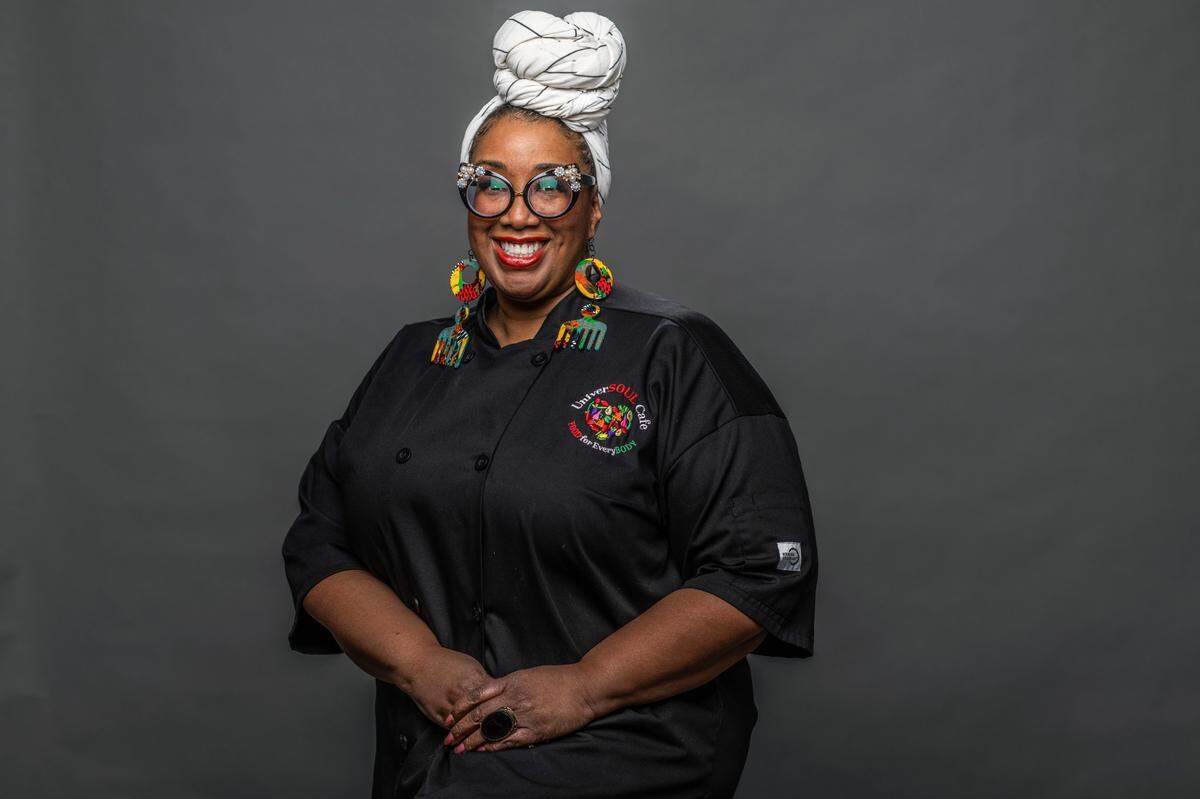
Tonya Mack
Founder, UniverSOUL Cafe
Tonya Mack stands out in her bedazzled cat-eye glasses and stylish earrings, as she lays out a vision for her nonprofit organization that is as bold as her fashion sense.
Through UniverSOUL Cafe, she and her team pick up food that grocers, restaurateurs, caterers and other businesses might otherwise send to landfills, and use it to feed food-insecure Sacramento residents.
This work curbs air pollution by reducing the amount of deteriorating food producing greenhouse gases, but Mack takes UniverSOUL Cafe’s work a step further. She trains teenagers and individuals returning home from incarceration to work in the food industry, paying starting wages of $25 an hour.
Mack, 56, said she relates to her trainees. Growing up in Marysville, she said she had to fight to enroll in college-track courses despite having top grades. She graduated high school at 16 but didn’t end up finishing college.
Instead, she found work in the fast-food industry, moving into management in her teens as her supervisors rewarded her ideas to improve workflow and reduce costs.
In her 20s, she landed a job in the mailroom at Blue Cross Blue Shield but eventually took on challenges in customer service, employee training, system integrations and grant-writing. Mack was so successful at securing funding that she was able to build her own grant-writing business.
“You build your business and take care of your business, so your business can take care of you,” Mack said. “If you’re really building a business, you’ve got to pour into it. You’ve got to bleed into it. You have to breathe into it.”
Her past experience helped, Mack said, as she developed a training curriculum for UniverSOUL employees, raised funds to get started and negotiated catering contracts.
Sacramento resident Rodney Abernathy, in nominating Mack, described her as a pillar of the community.
“Tonya Mack fed close to 800 people a day during the summer in 2023 and duplicated the production (in) 2024,” Abernathy said. “She feeds kids at the Robertson Center twice a week. She feeds and guides young men ... who have all had negative experiences with guns.”
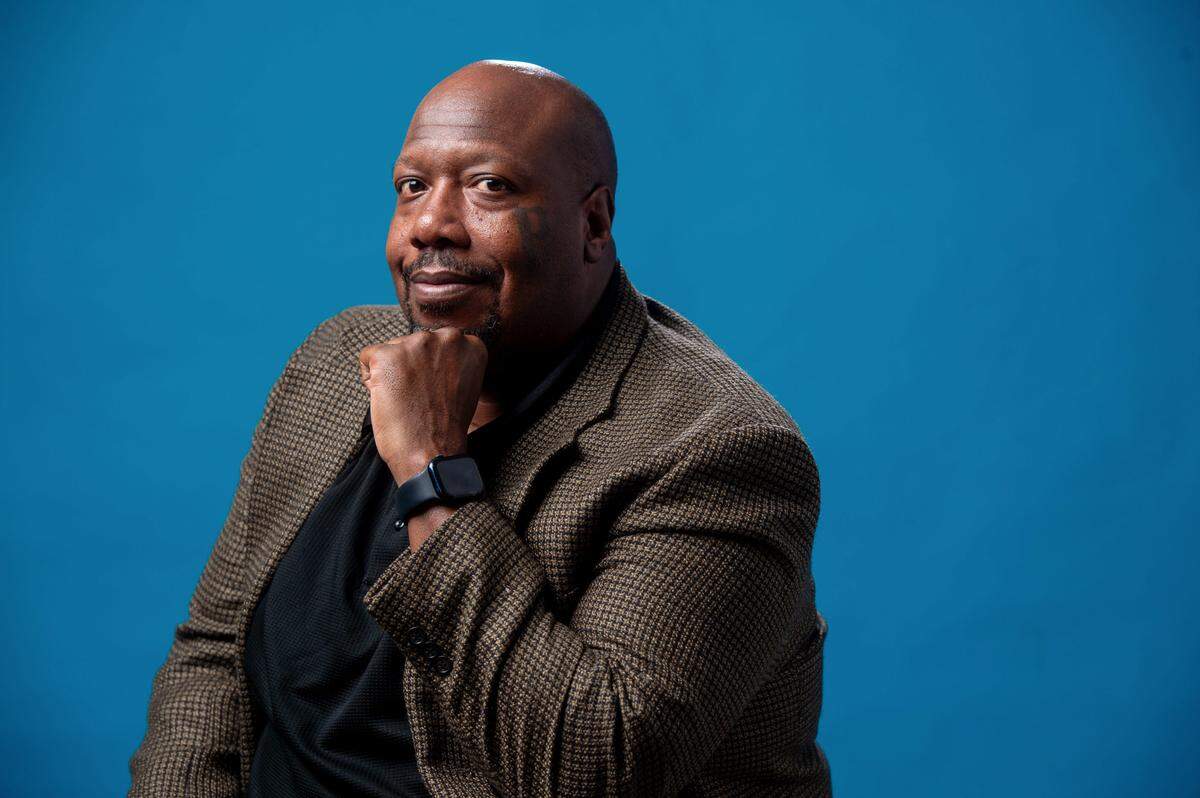
Wajuba McDuffy
Northern Regional Manager, The Anti-Recidivism Coalition Hope And Redemption Team
For most inmates, a release from prison means a fresh start elsewhere. But not for Wajuba McDuffy, who vowed to return and support incarcerated individuals.
Now, McDuffy works to reshape prison policies, advocates for resentencing and is committed to easing the transition from incarceration back to community. His mission is rooted in the belief that people deserve second chances.
“I really didn’t know how to get back, but I knew I had to come back and try to help be the bridge to get some of these guys back home,” McDuffy, 46, said.
Born and raised in Compton, McDuffy’s upbringing included many struggles. He was raised by a single mother and lived in the Ujima Village Housing Projects, where he was exposed to violence and criminal activity at an early age.
At 12, McDuffy joined his neighborhood’s gang. At 17, McDuffy was sentenced to life without parole for a felony despite maintaining his innocence. During his initial years in prison, McDuffy said he continued to engage in “destructive behaviors” — convinced that he would never experience freedom.
“I thought I was going to die in prison,” he said.
Nearly 15 years into his sentence, McDuffy confronted his trauma. He immersed himself in self-help classes, group therapy and became a mentor for youth in prison. A defining moment in McDuffy’s “transformation” came when he read the phrase “no child is born bad” in the book “House of Healing.”
He soon promised to return and help others if ever released. McDuffy’s opportunity came in 2017, when California passed a law to retroactively eliminate life without parole sentences for minors. Two years later, after spending 22 years, 12 days and 37 minutes incarcerated, McDuffy walked free.
McDuffy started volunteering at Anti-Recidivism Coalition, a Los Angeles-based nonprofit working to end mass incarceration. He was eventually offered a job as a life mentor, returning to prisons to facilitate support groups.
In 2023, he became the northern regional manager of Northern ARC’s Hope And Redemption Team. McDuffy, based in Sacramento, oversees life coaches for 15 prisons across the state.
“I knew coming home, if people just like me could hear me, I could possibly change somebody’s life,” McDuffy said.
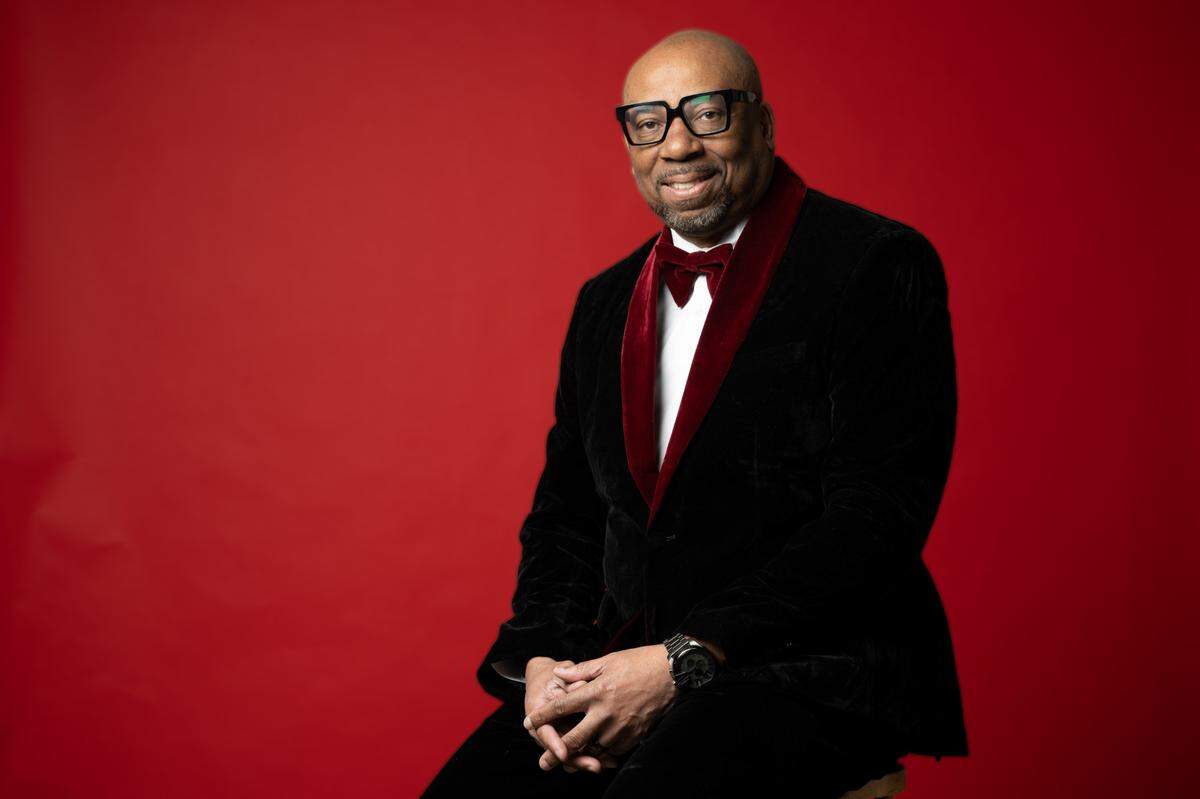
Terry Moore
Director of Adult Services, Center for Fathers and Families
The roots of Terry Moore’s work for Sacramento’s families are easy to trace — they lead to his mother and father in the city he calls home.
“My mom and dad, big-time, had the biggest hearts,” said Moore, director of adult services for Sacramento nonprofit Center for Fathers and Families.
Moore’s mother was a caretaker who routinely took in children from Sacramento Children’s Home.
“I grew up watching my parents. They were never looking for accolades or compensation. My mother would always say, ‘Stay busy. Idle hands are the devil’s workshop.’ She would say whenever I had success to reach down and help others,” Moore said. “I’ve always had success. God gave me success to pass that success down to other people.”
Teacher, mentor, volunteer, poet and community leader for the last 20 years, Moore, 58, has worked at the center, which supports and provides resources for single fathers and their children.
He leads courses on parenting and life skills, anger management to cope with the trials families face and self-esteem workshops for girls. Moore also helps fathers navigate child custody and support.
He has also founded the single fathers’ support group Daddy’s Here and the counterpart Good Parent Workshop for single mothers.
“Terry has a passion for helping people,” said colleague and nominator Eric W. Harris. “He uses that passion to drive and motivate him to aid in the healing process of our cities’ problems.”
At Fortune Schools, the Sacramento-area public charter schools dedicated to closing Black students’ achievement gap, Moore developed Life Skills 911. The anger management program helps students express their emotions in safe ways while steering them away from suspensions and expulsions and back to the classroom.
“There are so many different ways to reach the entire family,” Moore said. “It’s absolutely a joy knowing that every day I work, I’m helping somebody in some form or fashion. You see them doing well, that’s a dream job, seeing your efforts manifest. It’s life work. It’s not sitting behind a computer. It’s been a wonderful experience.”
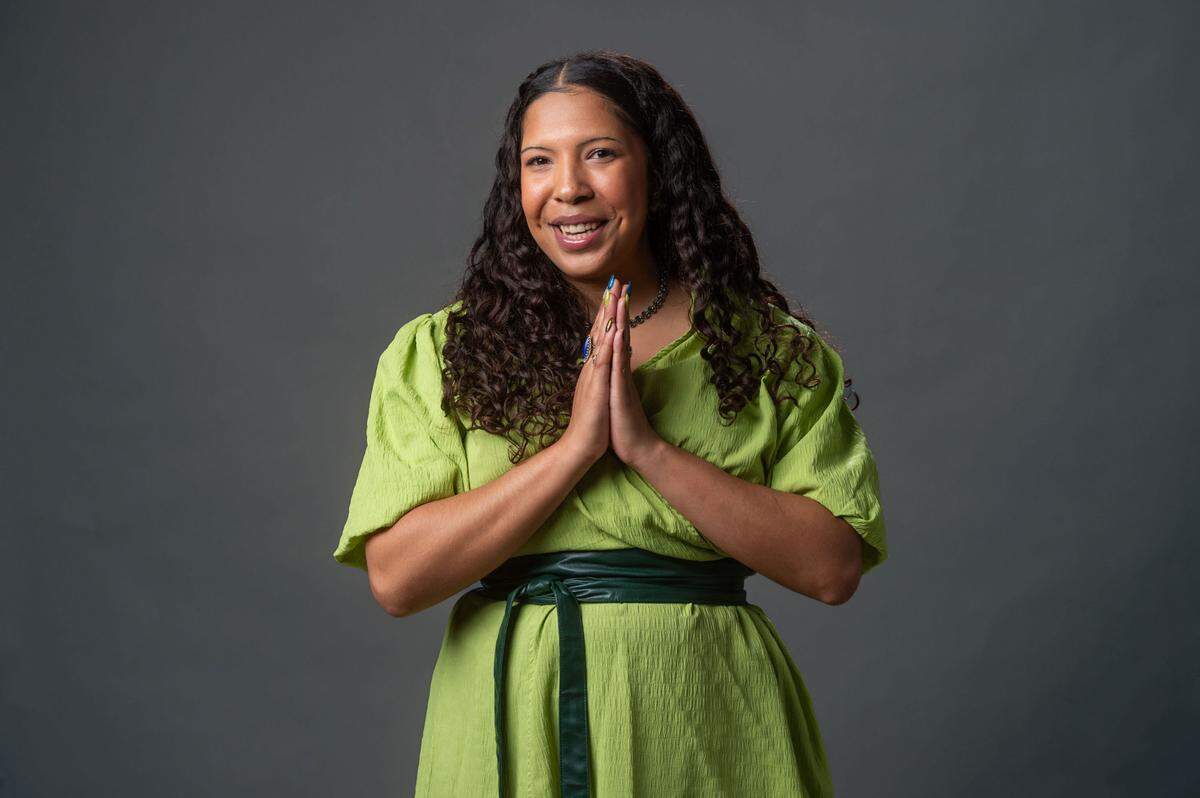
Nia MooreWeathers
Manager of Youth Justice and Equity Policy, Youth Forward
Nia MooreWeathers spent her childhood enthralled by ancient human civilizations — from reading books about ancient Egypt to watching National Geographic documentaries on Chinese dynasties.
For her, these history lessons served as an outlet to better understand her background. MooreWeathers, the daughter of a white father and Black mother, grew up in Sacramento navigating the complexities and nuances that come with being of mixed heritage.
“But when you learn about something like anthropology, it puts some lightness and some brevity into the study of who people are and where they come from,” MooreWeathers, 30, said. “I felt more seen in that. I felt like there was a space for me.”
MooreWeathers’ passion for ancient history led her to study anthropology at Cal Poly Humboldt. There, she expanded her cultural awareness and became committed to building bridges between different racial groups.
After graduating, MooreWeathers returned to Sacramento in 2017 during what she called a “difficult time.” The country had just elected a new president known for his divisive language and soon after, Sacramento police fatally shot Stephon Clark, an unarmed young black man, she recalled.
MooreWeathers, looking for a way to help her hometown, became the first employee of Youth Forward, a nonprofit organization seeking to improve the health, education and well-being of at-risk children and youth. She has since worked her way up to become the manager of youth justice and equity policy.
In late 2018, she spearheaded an effort that resulted in the expungements of 5,000 Sacramento County residents who had past convictions for marijuana possession. Two years later, MooreWeathers worked with Sacramento’s Juvenile Justice Coordinating Council to ensure community participation for people who had “lived experience” in the juvenile justice system. She is also part of the Racial Equity Alliance, a group of residents advancing racial equity in Sacramento.
MooreWeathers said all her past and future work is rooted in making the “world work better.”
“Making this community that we all share a more livable place for everyone — that’s my center,” she said. “That’s where my heart lives.”
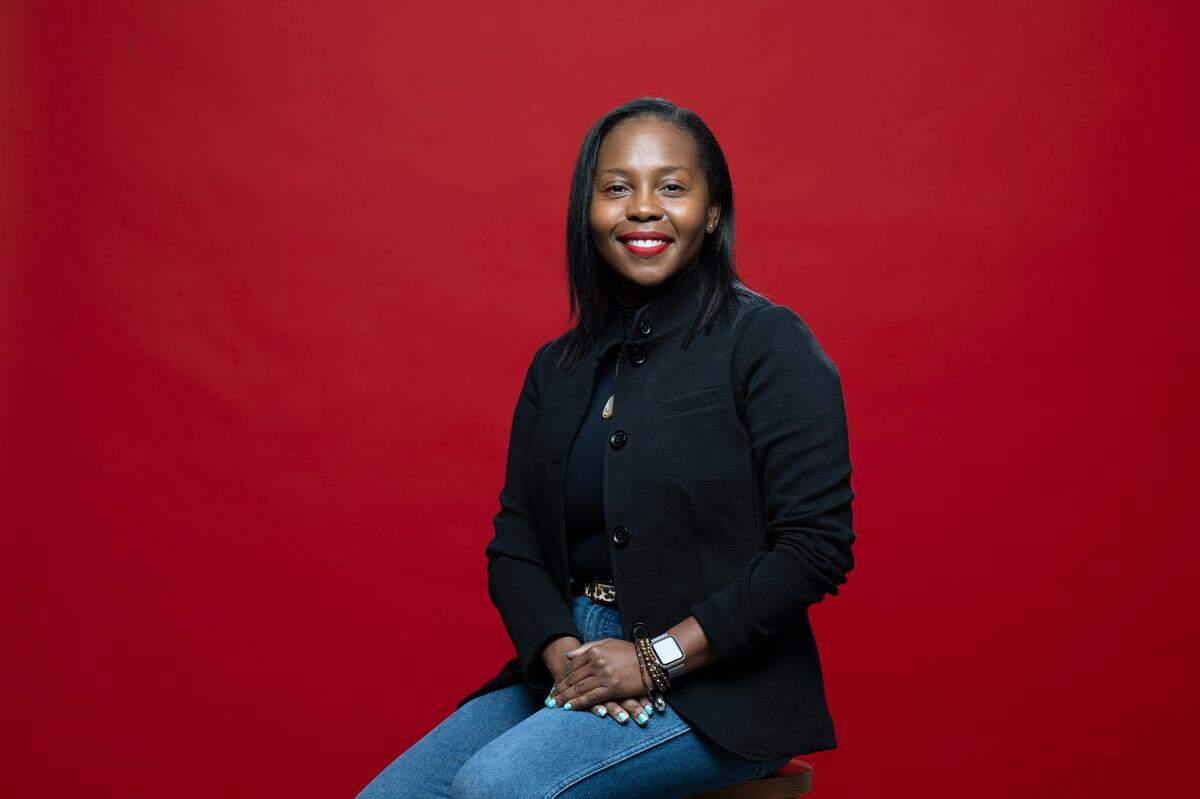
Candice Phillips
Founder and Managing Partner, C/P Fractional CFO
The night before Candice Phillips was set to move from Alabama, her new employer called.
Enrollment was down at the charter school in California where she planned to teach third grade. Though the school would allow her to keep her relocation allowance, there was no longer a job waiting for her on the West Coast.
“I just kind of dried my eyes and went back into my going-away party,” said Phillips, 40.
She went through with the move and began chasing down leads. Within a week of arriving in Sacramento, she secured a job in a local accounting department.
She loved the work and was promoted three times. But in 2009, the Great Recession arrived, and with it, more instability. Early that year, executives announced that the accounting department would be dissolved.
“We all hit the ground running, looking for work,” she said. “The market was dried up.”
Now, Phillips helps organizations avoid the kind of financial precarity she witnessed early in her career.
After years working in accounting and financial analysis at Sacramento-area firms, in 2023, she launched her own business, C/P Fractional CFO, as a “fractional” chief financial officer.
She serves as a member of the executive team for a smattering of charter schools and nonprofits, guiding financial strategy, assisting CEOs and overseeing audits. Her clients contract her for part-time work. For one organization, she might be considered 20% of a full-time employee, and for another, 50%.
She works more than 40 hours each week, and sometimes double that. But running her own firm, she said, is liberating.
“I really like my role,” she said. “I like knowing that little kiddos running around with their backpacks on the playground have access to resources because I helped their leader navigate their finances.”
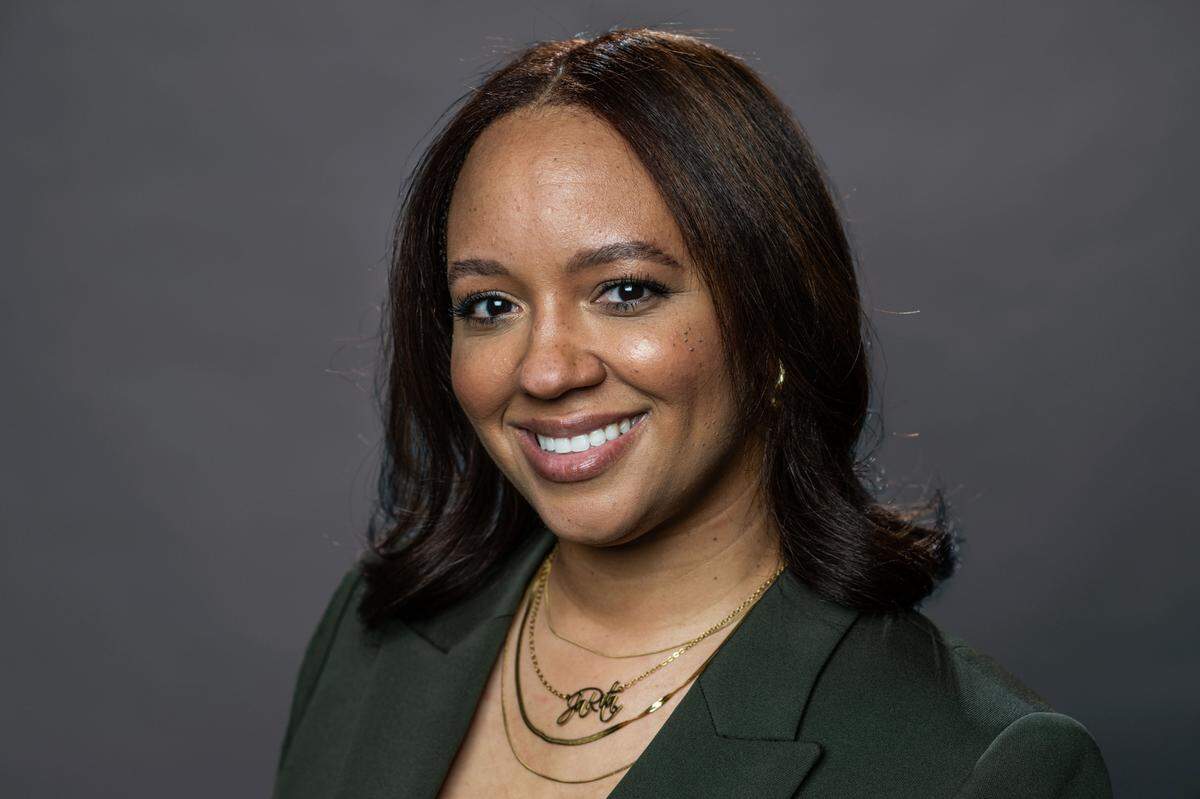
JaRita Pichon
Chief Equity Officer, California Department of Developmental Services
Born into a family with a history of Black excellence, JaRita Pichon has forged her path as a leader in public health and equity.
She has spent years spearheading programs to reduce racial disparities in health outcomes and recently became chief equity officer for the California Department of Developmental Services. Her work is rooted in the desire to continue her family’s legacy and create a more equitable society for her three children and community.
“I want to create the conditions so that other people don’t have to experience the negative things that I’ve experienced,” Pichon, 39, said. “I want to be the friend, the boss, the supervisor, the peer that I didn’t always get.”
Pichon was raised by a mother who worked as a nurse and a father who was a doctor, dentist and colonel in the Air Force. From an early age, Pichon was expected to become a medical doctor.
But as a junior in college, Pichon learned about potential ways to impact health outcomes without being a doctor. She soon pivoted her career and earned a master’s degree in public health from Tulane University.
“I had to follow my passion, and I loved it,” Pichon said. “I wanted to spend my life serving other people.”
Her early career focused on data research before shifting to health equity. In 2018, Pichon was hired to work with the California Department of Public Health.
Her next few years were spent overseeing programs that helped Black mothers navigate their pregnancies and decreased infant morbidity and mortality rates. She later led a statewide COVID-19 response team, which was charged with publishing public health policies and guidance during the pandemic.
Last month, Pichon achieved what she calls one of the proudest moments of her career. Gov. Gavin Newsom appointed her chief equity officer for the California Department of Developmental Services, a position instrumental in improving the lives of Californians with intellectual and developmental disabilities.
“I’m getting to lead a very passionate, capable team, and we’re doing life-changing work for some people,” Pichon said.
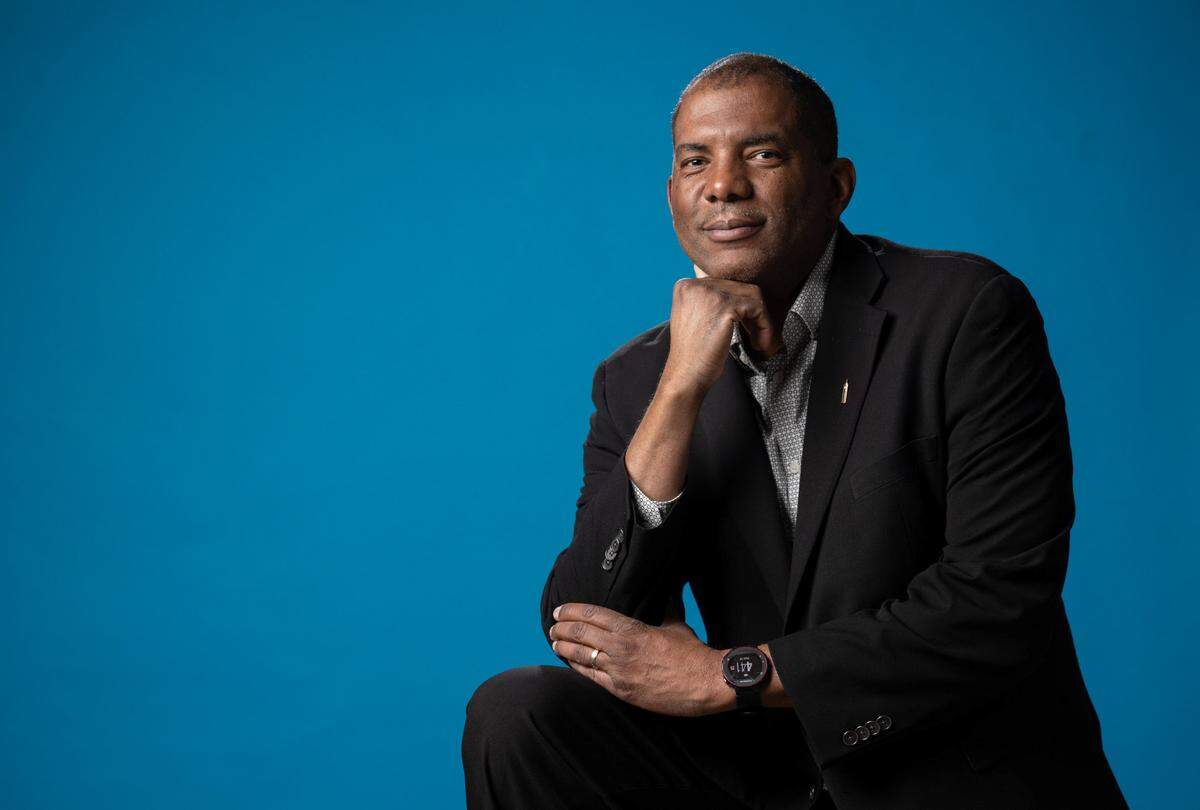
Martin Ross
Deputy Director of External Affairs, Partnerships and Workforce Development, Health Education Council
“Sawubona,” the Zulu word for “hello,” is one of the 30 different ways Martin Ross knows how to greet someone in their language.
His fascination with language stems from a desire to connect with people across differences. It’s a way to build bridges with the ultimate goal of increasing others’ access to places they might not otherwise have known about.
“Make the table round and try to invite as many people to it,” he said.
Others opened the door for Ross, helped him get to where he is today: the deputy director of external affairs, partnerships and workforce development at the nonprofit Health Education Council.
While growing up in Orangevale in one of the first few Black families in the area, Ross was invited to join a math and engineering program that revealed his talent for the subjects. Years later, he would graduate from the University of California, Berkeley, with a chemical engineering degree with an environmental engineering emphasis. By inviting Ross to join that club, the adviser changed the direction of his life.
He and his brother invited several of their basketball teammates from San Juan High School to join the after-school academic program. Without Ross’ invitation to the program, one of his teammates later told him, “I wouldn’t be where I’m at today.”
Ross, 56, said mentoring and tutoring programs can have an acute impact on young people and open new doors for them.
During his two decades of service with the Salvation Army between 2000 and 2020, he organized tutoring programs and developed workforce development initiatives and financial education courses after getting out of debt himself. Since he joined the Health Education Council in 2021, Ross has been piloting a micro-lending program with the organization.
Sometimes, people don’t have access because others don’t want to give it to them, but Ross said he works against those forces. As a professional and religious mentor, Ross prioritizes his accessibility to others to ensure he can pass along the knowledge he’s gained over his years.
“I want to leave the world empty because all the gifts I’ve been given, were given to me freely,” Ross said.
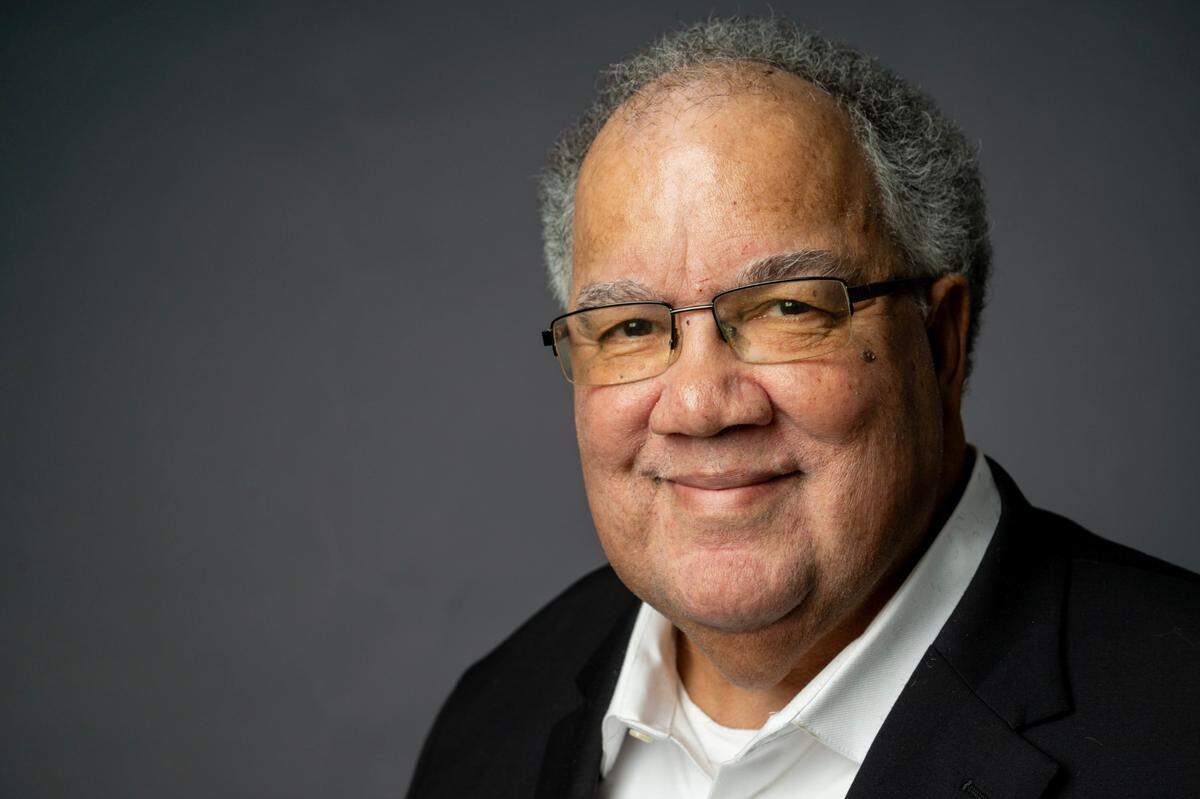
Alan Rowe
Founder and CEO, United College Action Network
More than 19,000 students have studied at historically Black colleges and universities as a result of Alan Rowe’s work with the United College Action Network (U-CAN), but Rowe credits the older of his two sons for planting the seed that inspired him and his wife, Donna, to found this nonprofit.
In 1988, Alan Rowe II was nearing the end of his senior year at Grant High School when he came home and told his parents he was going to attend Jackson State University in Jackson, Mississippi.
Rowe, who then sat on the board of the Grant Joint Union High School District, began researching the college. He said he couldn’t believe the exceptional value it offered: At the time, he and his wife would have to pay just $12,000 a year to cover the costs.
He decided to travel to Jackson to drop off his son, and as they were walking across the campus, Rowe saw the university president, James A. Hefner, strolling toward them.
Rowe said he greeted Hefner — and was floored when the college leader not only stopped to talk but also invited the father and son back to his office for a more in-depth conversation. Instantly, Rowe said, he felt his son and other students weren’t just numbers on that campus.
It’s been 37 years since the Rowes began offering U-CAN services, using their own money at the start to build a network that helps Black students connect with HBCU recruiters and build a financial package to pay for their education.
Hundreds of thousands of students have shown up for U-CAN’s annual HBCU recruitment fairs over the past 25 years. The events are now held in Las Vegas and 25 California cities. Students have received more than $61 million in scholarship offers, Rowe said, and U-CAN mentors young people to improve retention.
“Everybody has dreams, and we can help make those dreams reality,” Rowe said. “In spite of what people say or where they may come from, our kids can achieve greatness. We can change the world.”
U-CAN has grown to a staff of about 25 people, Rowe said, and about half of the workers are HBCU grads whom Rowe helped in some way to attend college.
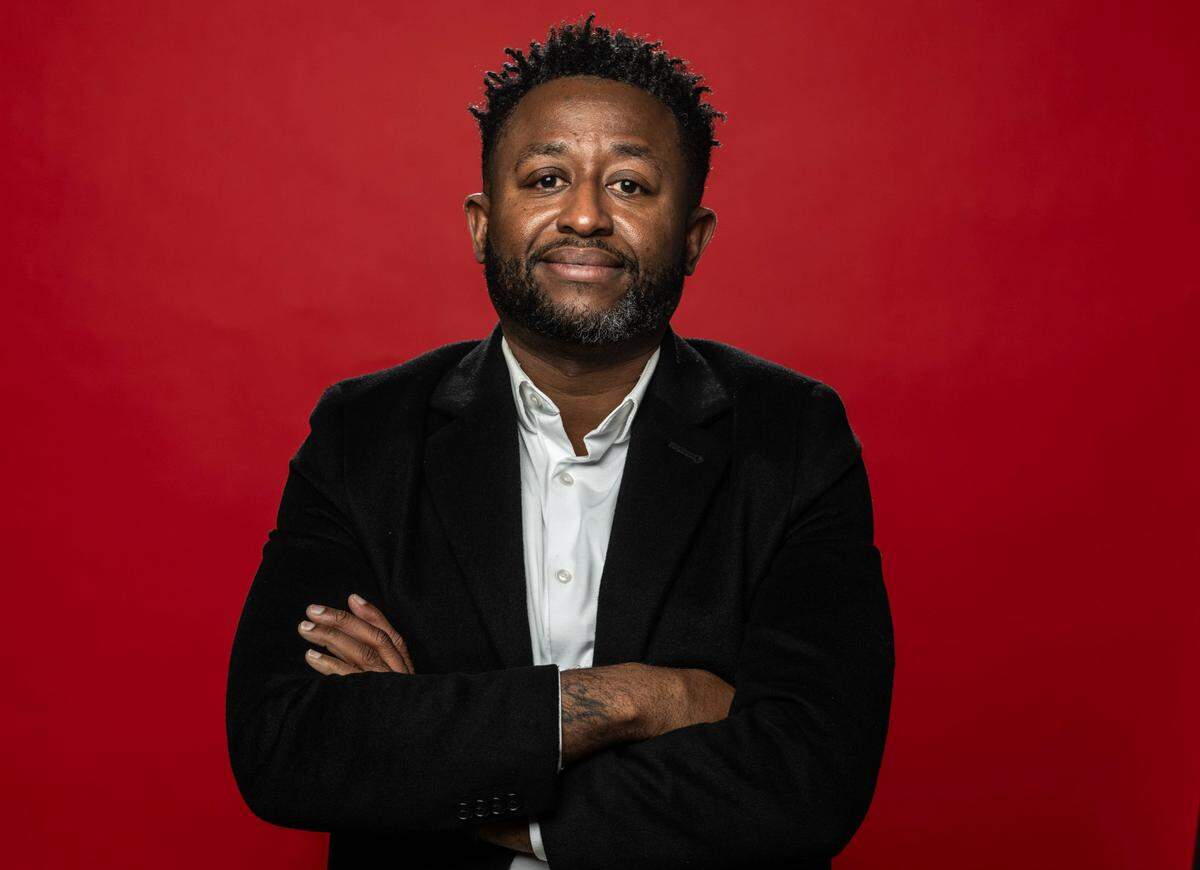
Volma Volcy
Chief of Staff, Sacramento Central Labor Council
When Volma Volcy was a kid, he dreaded Saturdays. His father would drag him and his siblings to a hospital or nursing home each week to visit strangers who didn’t have family nearby. They brought food and prayed with them.
Those visits, agonizing for teenage Volcy at the time, eventually taught him a lesson about service.
“This is where me wanting to serve my community comes from,” he said.
After his family immigrated from Haiti to Miami, Volcy watched his father work multiple jobs to provide for their family. While his father was involved, the significant amount of time he spent on the job took away from quality time with his family.
“Working two, three jobs just to be able to take care of your family, that’s not OK,” Volcy said.
Today, families are having to work more just to make ends meet, Volcy said. The American Dream — which he defines as being able to work and provide for a family — is slipping away from more people in this country. Meanwhile, Volcy noted, the wealthiest people in the world are getting richer and have unprecedented political power.
Volcy’s work as the chief of staff at the Sacramento Central Labor Council is focused on building a strong working middle class, by making sure people are paid fairly, receive benefits and are able to put money aside so they can take care of their families.
Another product of Volcy’s passion is his organization, The Ring of Democracy. As the executive director and founder, Volcy has educated workers about their rights during COVID-19, helped keep Californians in their homes through a mortgage relief program and encouraged others to be involved in the electoral process.
Volcy also serves as the District 3 commissioner for the Sacramento Children’s Fund, which has helped direct funding to youth-focused programs that provide mental health, counseling and street outreach services.
As a person of faith, Volcy said, “A lot of the work I do comes from me wanting to serve my purpose and wanting to do something greater than myself.”
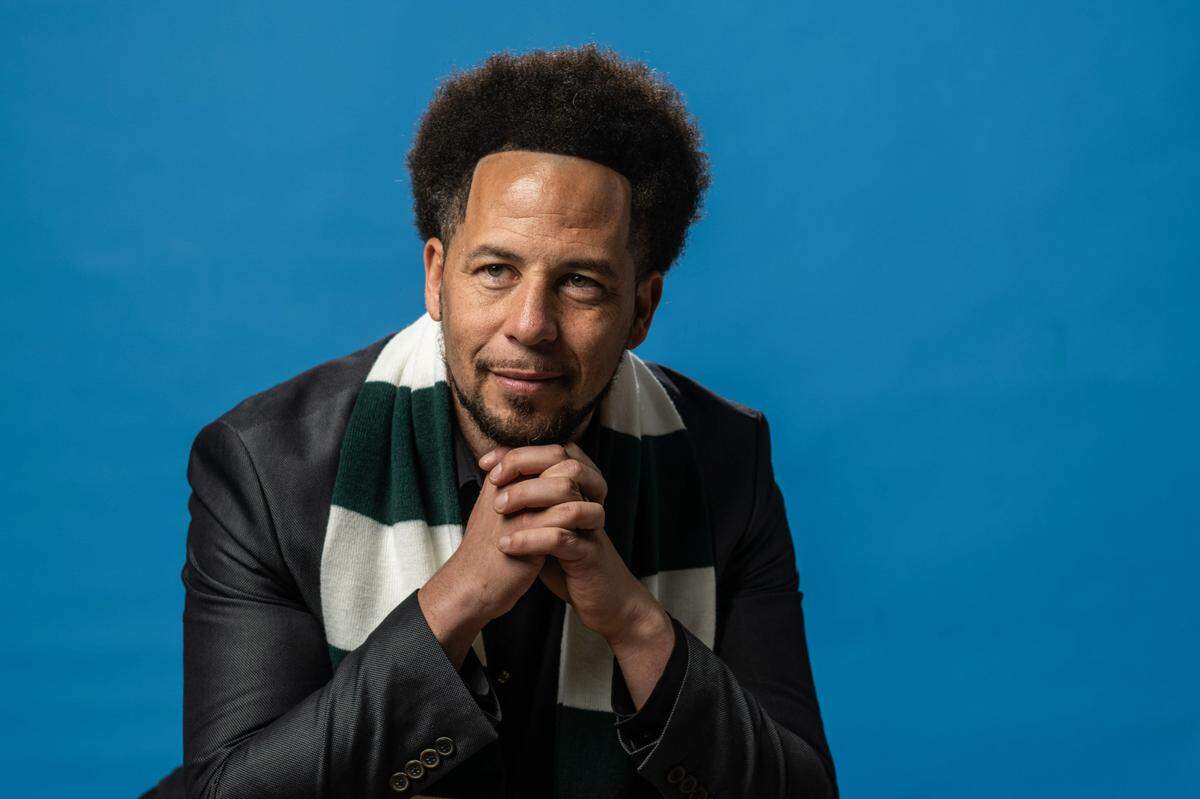
Luke Wood
President, Sacramento State
As Sacramento State’s president, Luke Wood hopes to foster an environment replete with experiences he didn’t have as an undergraduate on the East Sacramento campus.
Wood, a former foster child along with his twin brother, struggled with food and housing insecurity after arriving in the capital city for college after growing up in Siskiyou County. Involved in student government, Wood said he became critical of how the university served its students.
Those experiences guide Wood’s work as president, he said. He helped create the nation’s first Black Honors College, the California State University’s first Native American College, an artificial intelligence institute and Combat U, the nation’s first college fight school.
“I don’t feel like it’s a job,” said Wood, who turns 43 on Friday. “I feel like it’s a mission. And I would go further to say that I also feel like being in this role is walking in my destiny.”
Academia didn’t intrigue Wood at first, he said. But he dreamed of becoming Sacramento State’s president as an undergraduate, with little clue how to get there.
Wood credited faculty members for their mentorship.
His undergraduate GPA while studying Black history and politics was not high enough to enroll in a master’s program. But a professor vouched for Wood when he sought to enroll in a master’s program at Sacramento State and later at Arizona State University.
He attained his second master’s degree at ASU and said he completed his doctoral studies there in two years and six months in a program intended to last seven years.
For about 12 years, Wood climbed the administrative ranks of San Diego State University to become vice president of student affairs and campus diversity.
His goal is to eventually make Sacramento State the CSU’s flagship campus. Accomplishing that would include achieving the highest enrollment and graduation rates in California for former foster youth and wards of the court, community college transfer students and Indigenous students, according to a five-year strategic plan.
Wood said to ensure students’ success, he collaborates with people who helped him ascend. But any personal accomplishments Wood has achieved aren’t about him.
“I hope that any success that I have is … more of a symbol to the students that they can do it, and they can go far beyond what I’ve done,” he said.
This story was originally published February 20, 2025 at 5:00 AM.
CORRECTION: This story has been updated to add clarity in Davin E. Brown’s profile.