Free law clinic at California Capitol aims to clear records and restore lives
AI-generated summary reviewed by our newsroom.
- Clinic offers free expungement services to Californians statewide on Wednesday.
- Conviction record clearance improves job access, wages and housing opportunities.
- Laws AB 1076 and SB 731 expand eligibility for sealing misdemeanor, felony records.
Roughly 8 million people in California are living with an old criminal conviction record, but organizers of a free expungement clinic hope to help hundreds clear their records Wednesday on the west steps of the state Capitol in Sacramento.
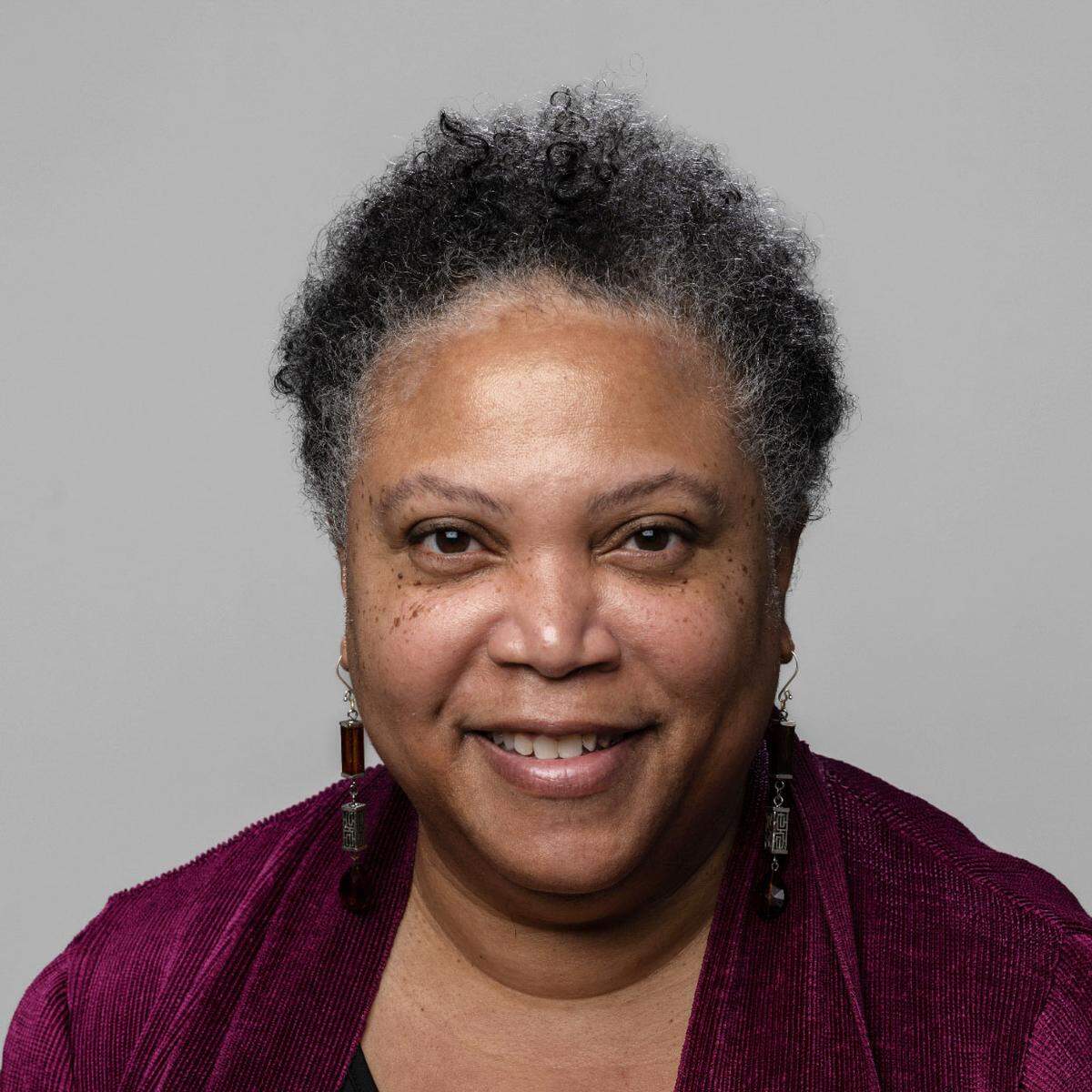
“The real goal behind this is around public safety. When people are walking around with things on their record, they’re limited in terms of their access to jobs and housing and other things that they need to stabilize their lives or even the lives of their children,” said Tinisch Hollins, one of the event organizers and executive director of Californians for Safety and Justice, or CSJ.
In 2018, Sacramento and three neighboring counties lost nearly $800 million from their gross domestic product, the total value of goods produced and services provided because people with a past felony record couldn’t obtain full-time jobs and contribute to the economy, according to a 2021 CSJ report titled “Getting Back to Work: Revamping the Economy by Removing Past Records.”
Statewide, the losses mount to $20.84 billion in GDP, the report concluded.
Research from many institutions has found that expungements reduce recidivism. People with sealed records are 11% more likely to be employed, earn 22% higher wages, and are far less likely to be re-arrested, according to researchers at the University of Michigan.
“When people have barriers, that’s a driver of crime,” Hollins said.
No matter the California county where residents committed an offense, they will be able to get assistance at no cost on Wednesday. This expungement clinic is the centerpiece event of a “TimeDone Day” celebration CSJ and its national sister organization, the Alliance for Safety and Justice, are sponsoring.
The day begins with a march starting from Sacramento’s Cesar Chavez Plaza at 9 a.m. and ending at the state Capitol. Demonstrators will rally on the west steps of the Capitol when they arrive and hear speeches and testimonies before the full-service expungement clinic begins at 10 a.m.
With onsite attorneys, public defenders, Live Scan fingerprinting and RAP sheet access, the clinic aims to remove a critical barrier standing in the way of jobs, housing and education for thousands of Californians. It will continue until 3 p.m.
Hollins said public defenders from the counties of Alameda, San Francisco, Contra Costa and Sacramento have indicated they will be there.
Wednesday’s expungement clinic should raise awareness for landmark California laws including Assembly Bill 1076 and Senate Bill 731, which created an expansive automated and petition-based record sealing framework, said Hollins.
AB 1076, passed in 2019, automatically expunges eligible misdemeanor convictions after a person has completed their sentence and remained arrest-free. SB 731, signed into law in 2022, extends expungement eligibility to nearly all convictions, including many felonies, with judicial approval.
“The process is complicated for a lot of people,” Hollins said. “They don’t know where to start. They don’t know about their eligibility. So this is about public education. It’s about making it accessible for folks and hopefully helping people clear barriers that might give them a second chance at life.”
Redemption stories fuel expungement movement
Among those organizing Wednesday’s event and leading the effort to expand the number of expungements is Ingrid Archie, a South Central Los Angeles native who benefited from state laws expanding access to a reduction of her charges and expungement. A mother of six, she now leads the TimeDone campaign for the Alliance for Safety and Justice.
Archie said she was incarcerated multiple times over two decades. She credits her transformation to a supportive reentry program called A New Way of Life and its founder Susan Burton.
Her final incarceration ended 10 years ago, she said. “I came home in 2015, and my felonies were later reduced down to misdemeanors. This helped the process of me being able to re-enter society without having to face so many barriers.”
When Archie previously had been released from prison, she had tried to find work, but her convictions dogged her and one employer after another refused to hire her. The last time, though, A New Way of Life helped her find a job at a shelter, pointed her toward an expungement clinic that cleared her record and educated her about how to surmount roadblocks.
“Finding a career path wasn’t even something that I even thought about, and it was basically because of my hopelessness,” Archie said. “This career that I have specifically was not something that I could have ever thought was going to happen based on employers telling me no for so many years.”
That past experience now helps her connect with the people she serves, she said, and they can see that real people are benefiting from the changes in the laws.
As an event organizer, she also wanted to bring all the services to the state Capitol, a centrally located spot, because accessibility was a critical factor for her when she was seeking assistance.
“The process was simple because the organization provided good lawyers who knew the expungement laws, how to apply them and how to make a claim,” Archie said. “Also, it was accessible in the community. I didn’t have to go travel far in order to go get the expungement.”
Expungement offers healing to some individuals
Organizers are expecting crowds to exceed those seen in Compton last year, where a similar clinic served 300 people and resulted in dozens of records being cleared.
Hollins recalled one story from that day: A licensed therapist had lived for 20 years with the secret shame of a prostitution charge from her youth.
“She’s a woman of faith and does a lot with her local church,” Hollins said. “She told her story about how this was the only way she could feed herself because her mother was addicted and her father was in jail.”
She worked with an attorney that day to get her record expunged, Hollins said, and when she was done, she cried tears of joy.
“She finally felt free like a whole person, like she didn’t have to hide a part of herself anymore,” Hollins said. “A lot of people don’t connect expungement with healing or with the opportunity for people to get their dignity and their pride back. We hear a lot of stories like that.”
For those unable to attend, Hollins recommended they visit the expungemyrecord.org website, which offers step-by-step guides and local resources. She hopes the Capitol event will serve as a model for replication across California’s 58 counties — and nationwide.
“People end up in the system very, very early in their lives, as children,” she said. “Before they even reach the age of 18, they’ve already had long periods of time where they’ve been in the system and incarcerated.”
These records become a barrier to turning their lives around, and then people take desperate measures to provide for themselves or their children, Hollins said.
This story was originally published June 23, 2025 at 5:42 PM.
CORRECTION: This story was updated to correct the spelling of Tinisch Hollins’ last name.