High demand, high pay drives HVAC training boom in Sacramento
AI-generated summary reviewed by our newsroom.
- HVAC training programs expand in Sacramento as labor shortages boost employer demand.
- Students in HVAC programs often secure six-figure jobs before earning certification.
- Sacramento City College and UTI report surging enrollment driven by job prospects.
Two Sacramento colleges have ramped up their training programs for heating, ventilation, air conditioning and refrigeration, preparing students for in-demand careers where six-figure salaries are increasingly within reach.
The surge comes as the U.S. Bureau of Labor Statistics projects HVACR employment to grow 9% from 2023 to 2033 — more than double the average for all occupations.
Richard Gentry, who chairs the mechanical electrical technology department at Sacramento City College, said the state of California and other employers have described acute shortages of qualified technicians, especially in commercial and industrial settings where downtime can cost millions of dollars.
“There is huge demand,” Gentry said. “Counties, cities, the state — everybody is having the same problem recruiting. … Every student is hired that’s employable.”
Sacramento City College’s HVAC program — founded in 1951 — has seen enrollment quadruple since the pandemic. Gentry said the program enrolled just 20 to 25 students per semester coming out of the COVID-19 pandemic, but he expects 100 to 125 students this fall. To meet demand, the college has added weekend courses and will virtually double the size of its adjunct faculty next year.
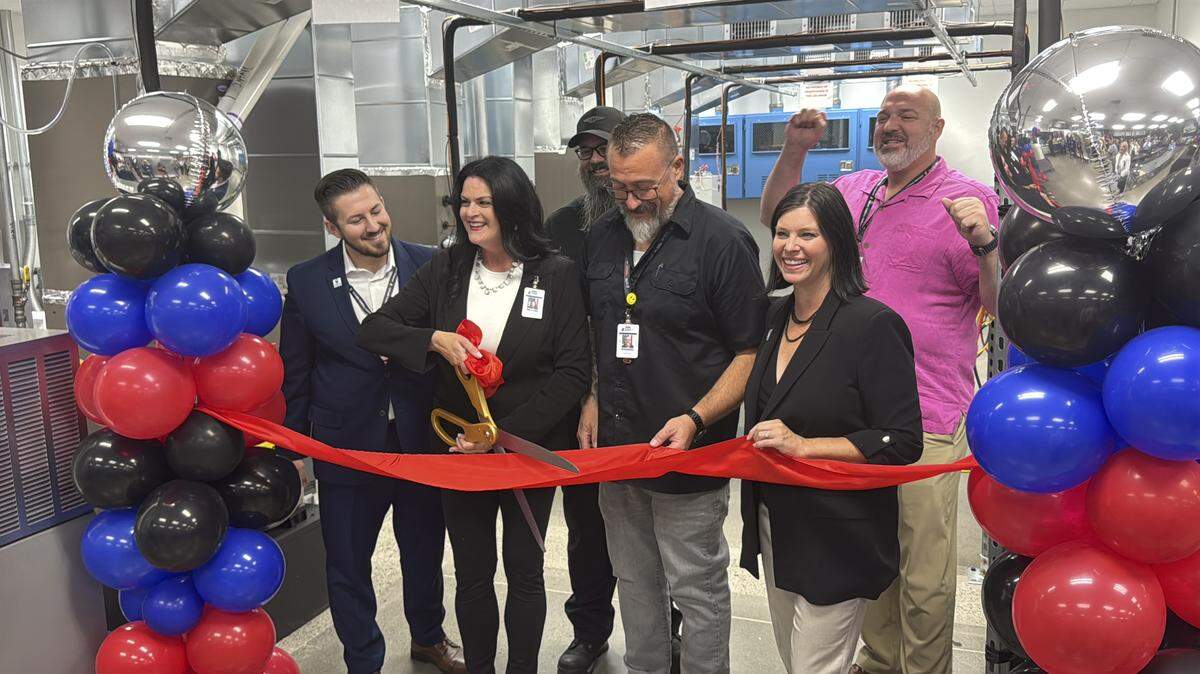
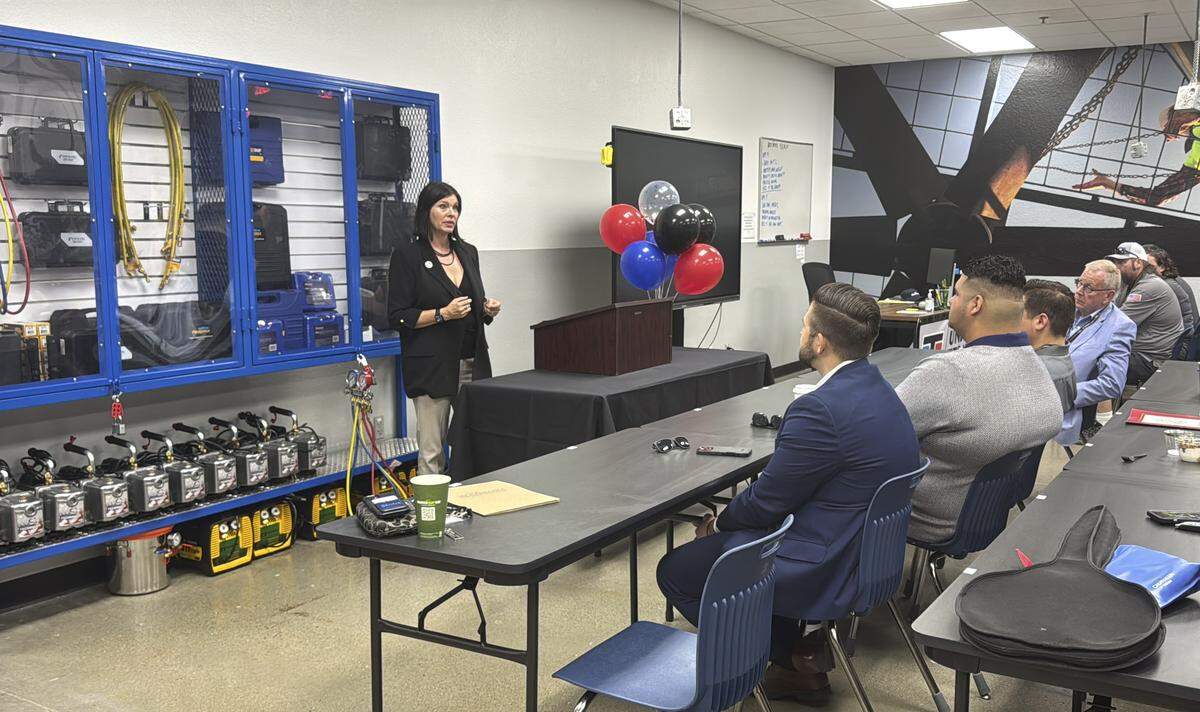
The demand for technicians is so great that private, for-profit Universal Technical Institute opened an HVAC and refrigeration program at its 20-year-old Natomas campus in March. Earlier this month, the campus in on walk-in coolers, commercial equipment and residential systems.
A growing field with strong pay
The median annual wage for HVAC technicians nationwide was about $57,000 in 2023, Gentry said, but in reality, wages in commercial and refrigeration work far exceed that. He said students working on grocery store refrigeration systems or large industrial boilers can earn six figures, with overtime boosting salaries into the hundreds of thousands.
“The commercial market is steadier pay, much higher income,” Gentry said. “Because the cost of the equipment is in the millions, downtime can cost hundreds of millions. Employers treat their technicians very well — they’re a resource that can’t be replaced.”
At roughly $3,000 for a two-year certificate at Sacramento City College, the program remains one of the most affordable in the region. Many students pay little or nothing thanks to tuition waivers and grants. Graduates often land jobs with government agencies, Budweiser, Raley’s and major contractors such as Johnson Controls and Trane.
UTI adds new HVACR lab
UTI Sacramento President Tess Kraiker said the campus has seen demand from employers looking to fill essential roles that keep homes and businesses running reliably and from students looking for opportunity.
“We’re running full every session we offer, 6 in the morning to midnight,” Kraiker said. “It’s pretty incredible, the demand that exists for the trades.”
During UTI’s nine-month program, students earn industry-recognized credentials such as the EPA Section 608 technician certification and OSHA safety training. Graduates are expected to move quickly into high-demand roles with local employers.
Similarly, Sacramento City prepares students for careers in a little less than nine months, Gentry said, and many of the college’s graduates decide to move into careers without ever getting their certificates.
The College Scorecard, a tool created by the U.S. Department of Education to allow students and parents to evaluate colleges, shows that UTI’s students have strong completion rates and post-graduation salaries than Sacramento City College students do, but it also notes that UTI students are often saddled with much higher loan debt than SCC’s former students.
Gentry said he envies how private, for-profit colleges have staff and systems to assist students in getting “the paper,” the certificates, and to track their pay after completing the program.
At Sacramento City, he said, students must log into the system, type in all the classes they have completed and providing other information to get their credential, and many don’t do so because they already have jobs. His community college also doesn’t do as much tracking of post-graduation pay, he said, relying on broad regional pay statistics often skewed by the large numbers of workers in low-paying residential HVAC jobs.
Perception of the trades is changing
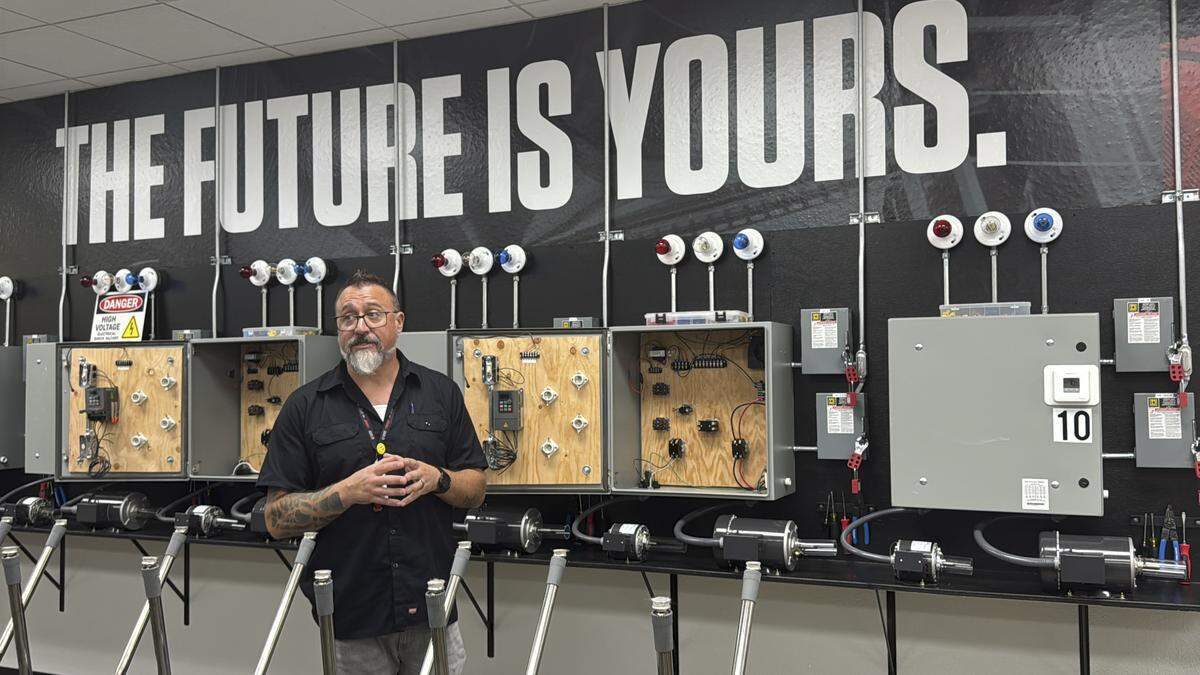
For years, trade jobs were stigmatized as less desirable than a four-year college path. But the reality of today’s HVAC industry looks very different, Gentry said.
“One of my adjuncts is about 5-foot-2 — she doesn’t do this by muscle, she does it by brain,” he said. “That’s what this job needs, We need people who think. Yeah, you have to be able to turn a wrench, but so much of our stuff, it’s complicated and it’s expensive.”
Sacramento City Councilmember Lisa Kaplan said she wants more students to see the trades as a viable, lucrative career path. She fondly recalled her time in shop class, learning skills that prepared her for home ownership.
HVAC is essential in a place like Sacramento, where summers are hot, Kaplan said at UTI’s ribbon-cutting earlier this month. These jobs offer good retirement and real opportunities that don’t always exist for working families, she said.
This story was originally published August 19, 2025 at 7:00 AM.