
Is prison labor enslavement? California Senate to take up ban on involuntary servitude
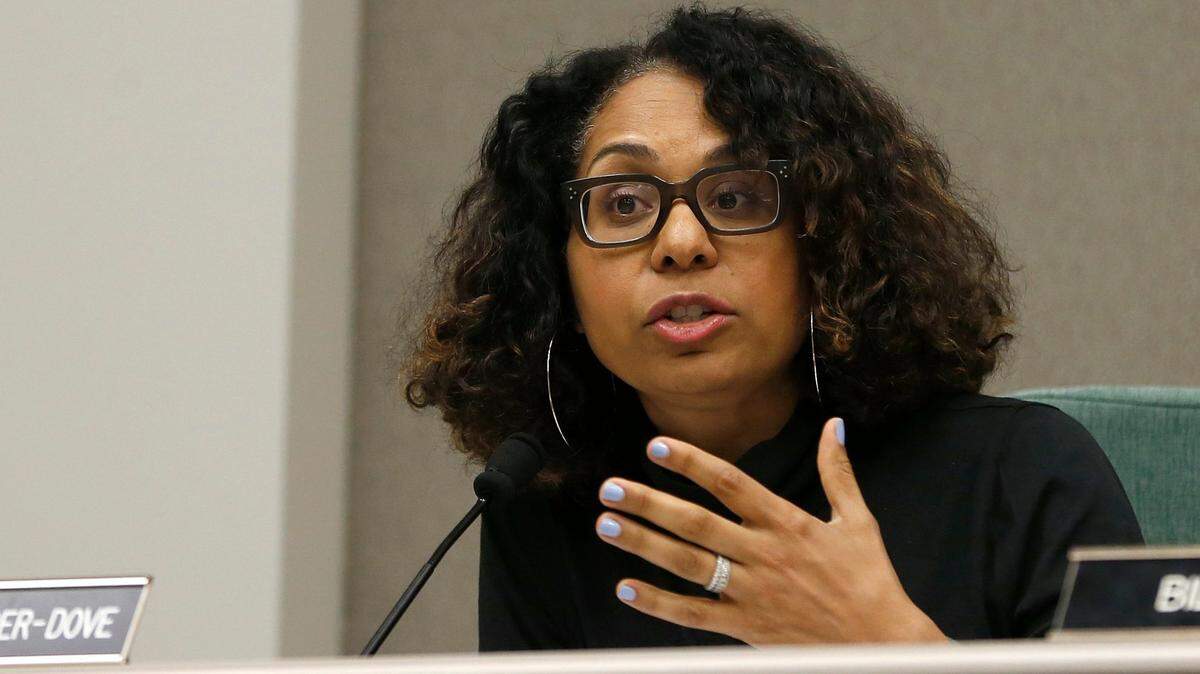
California lawmakers on Wednesday plan to try one more time to pass a constitutional amendment that would explicitly prohibit involuntary servitude, a measure that supporters say is critical to address the state’s legacy of enslavement.
The measure fell short in the Senate last week over concerns that it could disrupt rehabilitative work projects sponsored by county jails and state prisons.
Supporters this week amended the measure in a way they intended to address that criticism. The bill now allows for “voluntary work programs in correctional settings.”
Sen. Sydney Kamlager, D-Los Angeles, developed the bill with Samual Brown, a criminal justice reform advocate who served more than 20 years in state prisons.
Their bill sought to strike language from the state constitution that prohibits slavery except as a form of punishment. Kamlager argues the exception in the constitution effectively sanctions forced labor.
Brown said has experienced and witnessed the exploitation of forced labor in prisons.
“What has been taking place is the prison industrial complex doesn’t want to come flat out and say that they support slavery, so they’re finding more subtle ways to manipulate the process,” said Brown.
Kamlager expressed frustration with her colleagues earlier this week when the bill failed to get enough votes. Two-thirds of the Senate, or 27 lawmakers, would have had to approve the measure for it to appear on the November ballot.
Only 20 lawmakers voted for it, with six against and 14 not voting.
“The CA State Senate just reaffirmed its commitment to keeping slavery and involuntary servitude in the state’s constitution,” Kamlager wrote on Twitter after the vote.
“Way to go, Confederates,” she wrote.
If lawmakers pass the measure and voters approve it in November, the state constitution would read, “Slavery, in any form, including involuntary servitude, is prohibited.”
About 58,000 California prison inmates are assigned to jobs. They generally earn 8 cents to 37 cents an hour. Inmates serving on fire crews can earn more, although still far below minimum wage.
The bill could increase California prison spending by more than $1 billion annually if the corrections department is compelled to pay minimum wage of $15 an hour to all prison laborers, according to a Senate committee analysis.
California entered the union as a free state in 1850, but it permitted enslavement for years.
In 1852, the Legislature passed a fugitive slave law that rewarded patrolmen and white enslavers to abduct Black people, both freed or enslaved, and force them into captivity to capitalize from their labor.
Some Californians lived in enslavement through 1864, a full year after President Abraham Lincoln signed the Emancipation Proclamation, according to a recent report by California’s Reparations Task Force.
Brown, who earned two associate’s degrees and a bachelor’s degree during his incarceration, said he’s confident the bill will pass and appear on the ballot.
“We’re not doing this for nothing, this is how it goes bro. We’re not taking no for an answer. We know what needs to be done,” said Brown. “We’re fighting this thing at the core so we can have true change, long-lasting change. We’re going to get it done.”
This story was originally published June 28, 2022 at 1:16 PM.