
‘Fire is living’: How this Woodland nature preserve uses cultural burning for regrowth
Diana Almendariz often uses tule for basket weaving, but on this day she uses the dried bulrush wrapped around a cattail to carry fire across a narrow trail to a small field. She sets the tufted bundle down with intention to start the first of three new fires within a two-acre garden.
Minutes before, Eliud Rios attached a bright yellow bag to his back — a bladder full of water. In his hand, he wields a metal water hose. Acting as a watcher, the urban forester holds the flames at bay, keeping the fire contained to the desired acreage and plants, spilling water out onto the redbud trees.
Rios listens intently to Almendariz, who is leading this cultural burn at the nonprofit Cache Creek Conservancy in Woodland. It was the first of a three-day workshop for the public and fire professionals discussing Indigenous ways of environmental stewardship, teaching cultural sensitivity and burn practices.
“When we wet the shrub, we let the fire know where we want it,” Almendariz, of Maidu and Wintun heritage, said. “Fire is living; it can be worked with.”
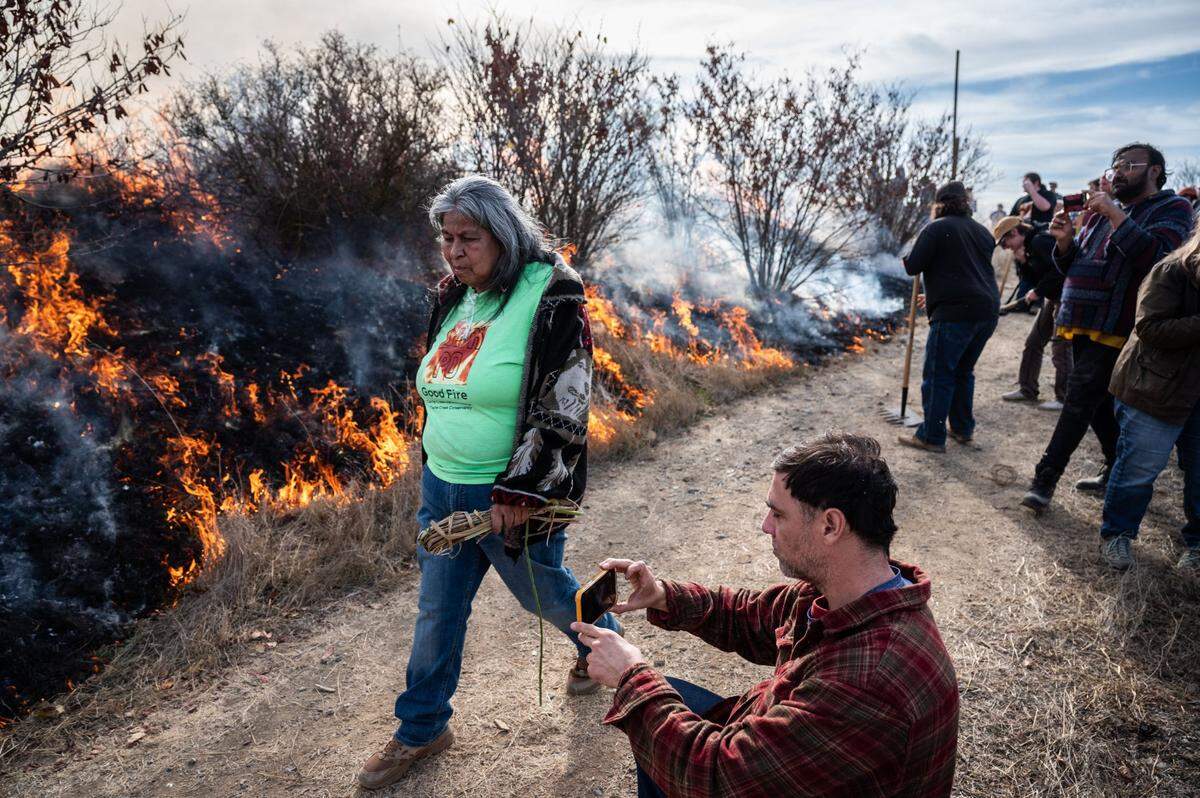
While a controlled or prescribed burn is used for wildfire management, cultural burns sit at a lower intensity, don’t use man-made chemicals for ignition, and often focus on the regrowth of native plants.
It’s an effort that requires many hands. Cultural practitioner Danny Manning of the Native American Mountain Maidu community built the small campfire that served as Almendariz’s source for lighting the tule bundles. He rubbed a wooden stick and plank together until an ember formed. With a helper, he tended the fire until Almendariz started the fire spreading ceremony.
Cultural burning on these lands at Cache Creek returned about five years ago. In that time, practitioners and land stewards have strategically promoted basketry plants for weaving, like tule, and managed the spread of coyote brush, which can choke out neighboring vegetation. Despite fire’s natural destruction, many plants native to the state are fire adaptive, and some require extreme heat for seed generation. These fires promote rebirth.
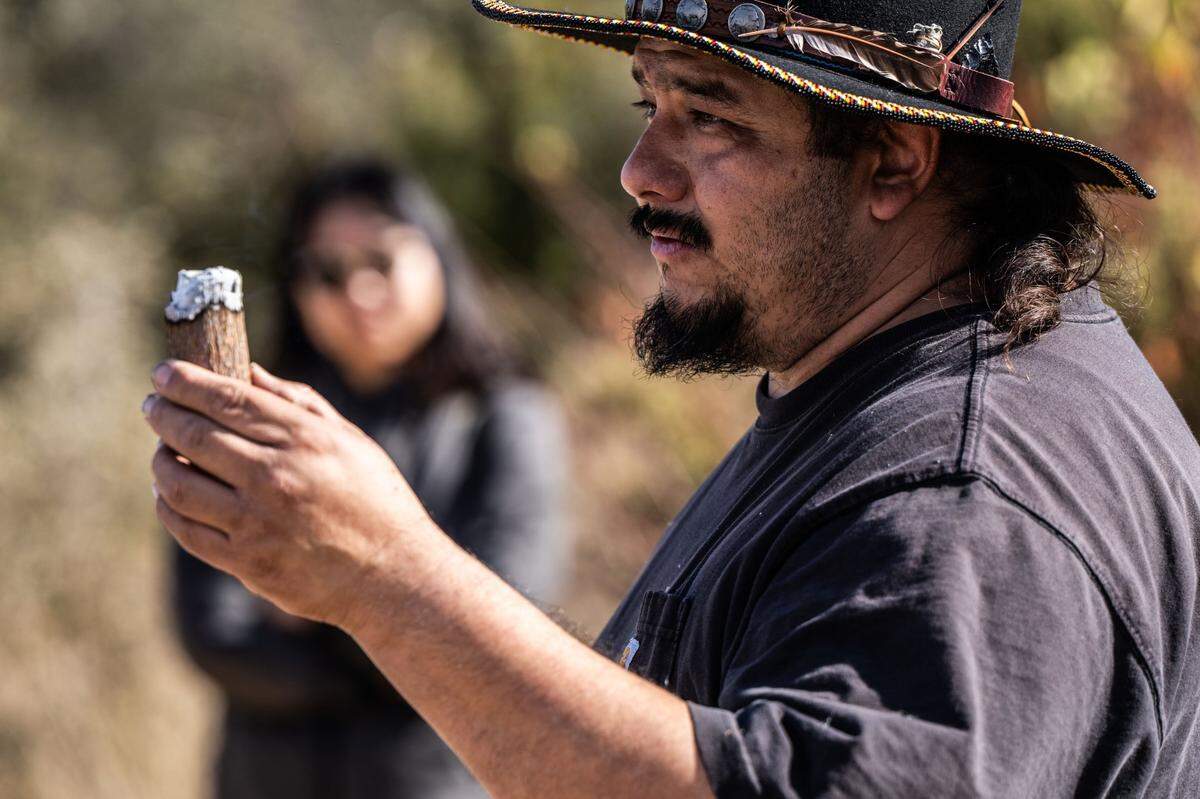
The conservancy’s Tending and Gathering Garden, where Almendariz started the fire, also supports redbud, willow, deergrass and sedge under the guidance of a Native steering committee. The demonstration garden honors the Wintun’s Patwin in this local watershed, focusing on how these tribes hunted, fished and gathered from the land and water.
Leok Po — (pronounced lay-oak poe) in the Wintun language meaning “Good Fire” — served as the theme of the weekend. Friday’s burns were limited to three small fires in the garden of the nature preserve.
“It’s not how much you get done, it’s the quality and being with the land,” said Manning, who is also a local firefighter.
This past weekend’s workshops mimicked a pilot event last year. This year, the workshop expanded to three days, with two specifically for fire professionals, like Yocha Dehe Wintun Nation Fire Chief Shawn Kinney, who stood watch at Friday’s burn.
Throughout Saturday and Sunday, Kinney and his team participated in burns on the fire department’s own tribal lands. This, he said, would provide a more in-depth, cross-pollination of knowledge that can be used in the future.
“If we can learn this, it can be part of the model,” Kinney said.
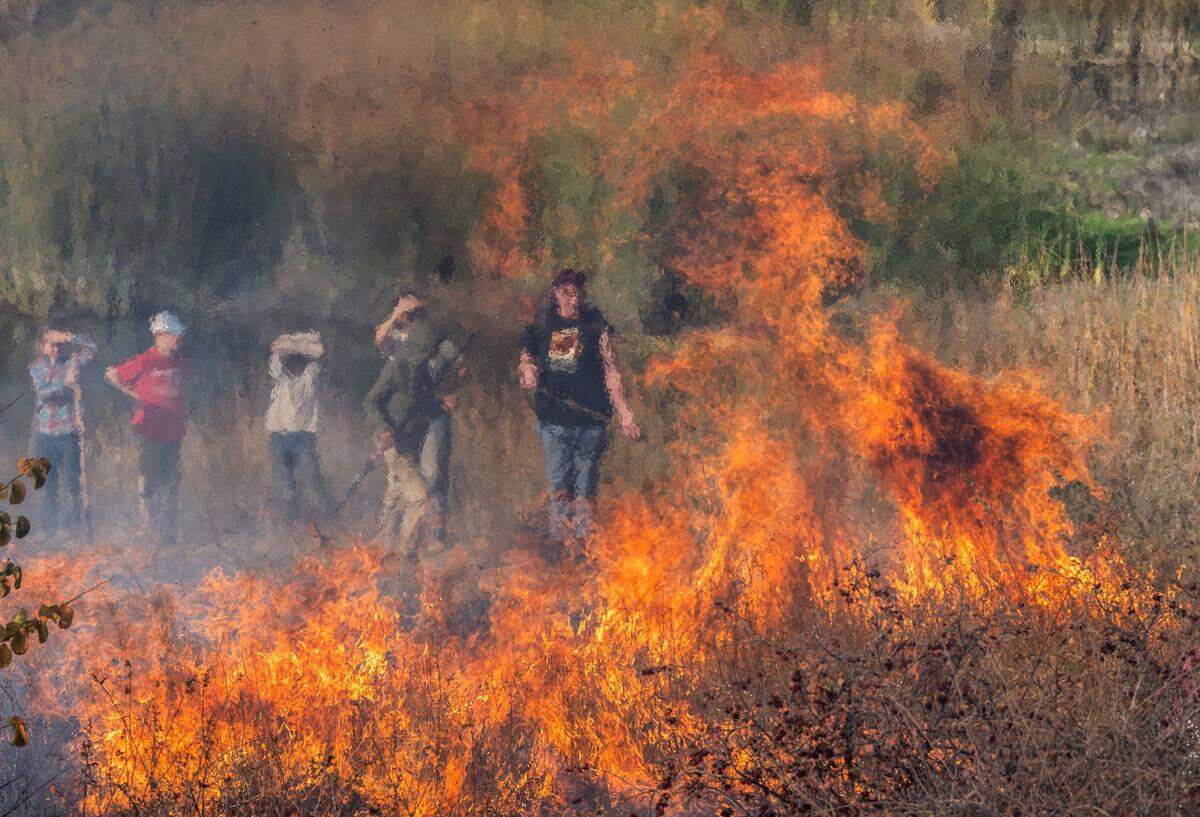
In 2022, Cal Fire’s “Strategic Plan for Expanding the Use of Beneficial Fire” acknowledged a renewed interest in using Native American methods of cultural burns for forest sustainability. A year before that, the state passed legislation promoting private burn bosses, supported by Native American tribes and experts.
While controlled buns thin vegetation and overall hazards ahead of time, they often don’t take into account for more specific future desires for the land and plants. Cultural burns, Indigenous Education Coordinator Clint McKay can serve more narrow, and even more broad desires.
“What makes it cultural is how and why we’re doing it,” McKay said.
Last year, McKay led the first cultural burn in more than 200 years at Pepperwood Fields. McKay’s grandchildren participated in the event, making them the first Indigenous stewards of those lands in seven generations.
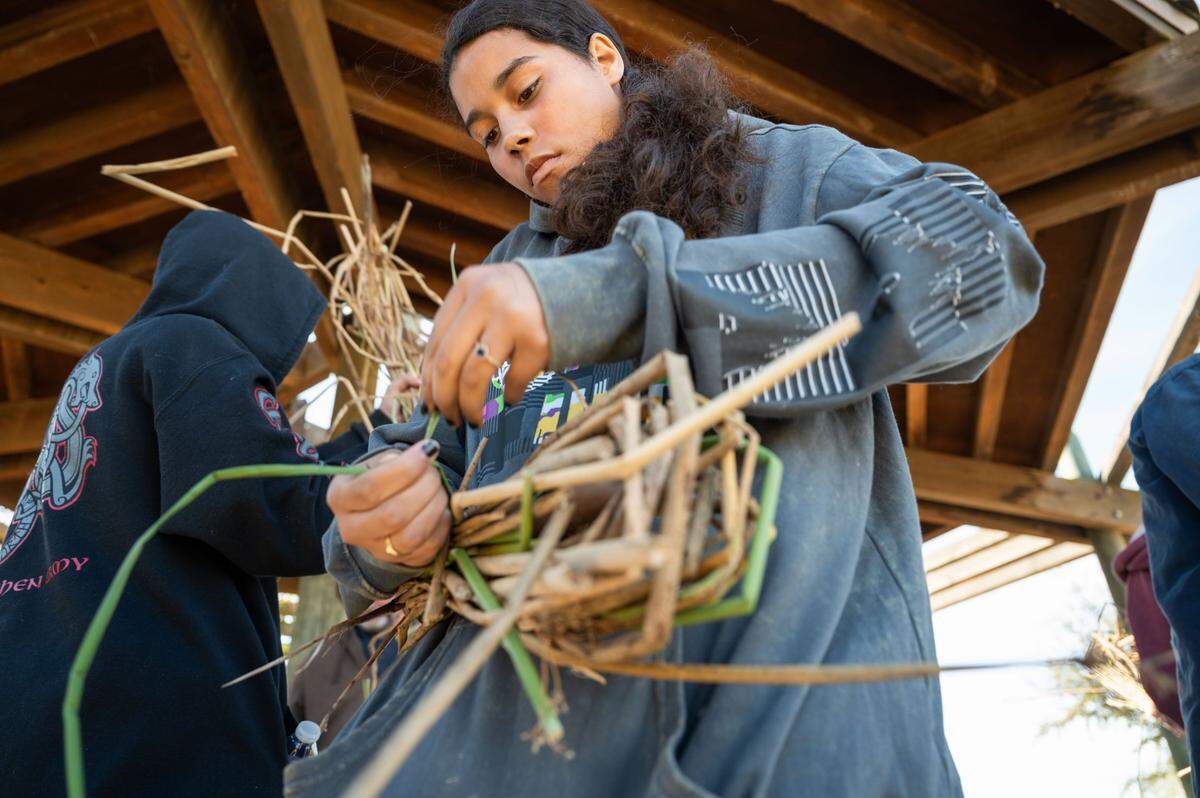
Here at the conservancy, Almendiaz wants to eventually regrow the tule to be strong enough to weave a boat. It’ll take routine fires clearing the old tule with new forging tougher bushels, she said, and a commitment.
“We’re not burning to get rid of the extra fuel,” Almendiaz reiterated. “We’re burning to take care of the plants.”
This story was originally published November 14, 2023 at 5:00 AM.