Sacramento reflects national trend of problematic discrimination toward Asian Americans
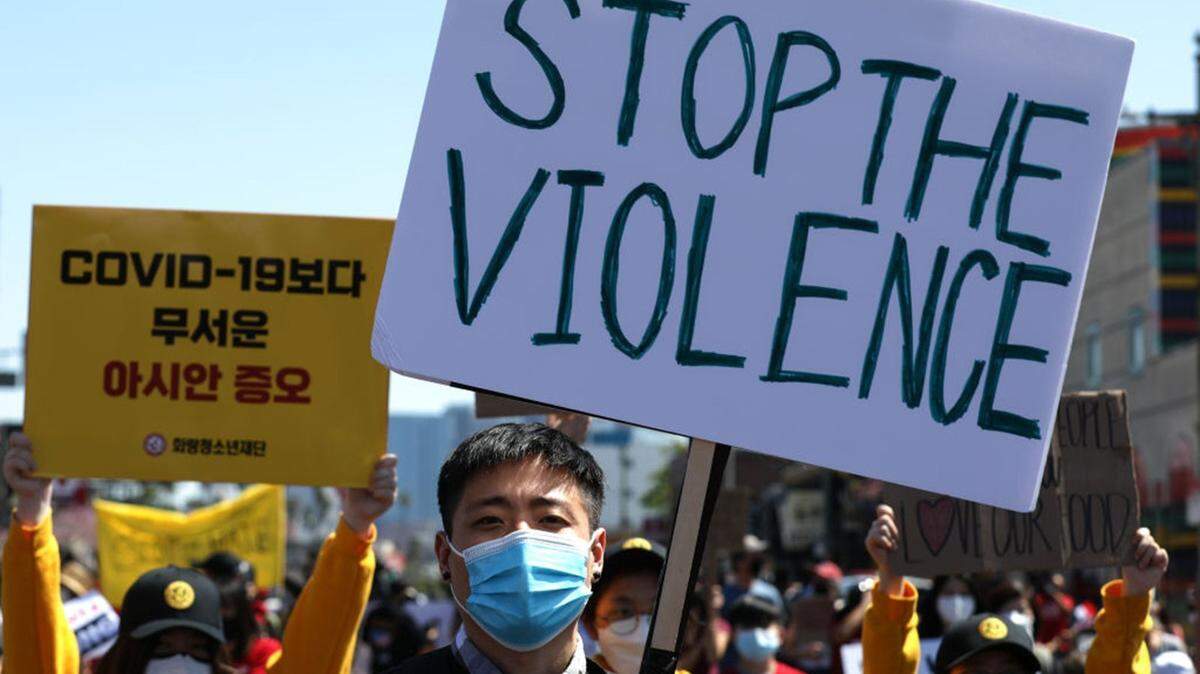
Negative stereotypes of Asians living in the United States continue to proliferate, according to a new study.
A majority of Asians living in the United States say discrimination against their communities is a major problem, new data from the Pew Research Center shows. Out of 7,000 Asians and Asian Americans surveyed, 58% say they have been treated unfairly because of their race or ethnicity.
Mark Lopez, director of race and ethnicity research at Pew Research, said COVID-19 has been “the forefront of attacks, discrimination, and hate crimes directed at Asian Americans.”
“The climate of this country is different today than it was 10 years ago,” Lopez said. “Oftentimes, the perpetrator would be linking what they’re doing in the situation with COVID and China.”
It’s an issue the Sacramento nonprofit Asian Resources Inc., which provides social services for immigrants, has seen firsthand.
Interim Executive Director Rejie Marie Baloyos said that anti-Asian hate was a “hidden issue,” but became more visible and apparent with COVID-19.
“It’s more deadly where people have been pushed on the street, where people are told to go back to their home country,” Baloyos said. “It has not just been an issue today ... but now, it becomes more out there.”
Asian and Asian Americans make up 18% of the population in Sacramento County, according to the most recent U.S. Census Bureau data.
About a third of Asian Americans said they changed their daily routine in the wake of a rise in hate crimes last year, with many fearing threats and physical attacks, according to a similar 2022 Pew report. The same study cited that 81% of Asian Americans said violence against their communities is increasing.
To combat that locally, the Sacramento Senior Safety Collaborative and the ACC Senior Services, began offer free senior escort programs as a response to anti-Asian hate incidents. The program continues to operate and is open to seniors of all backgrounds.
Feeling like a foreigner
Baloyos said, oftentimes, she comes across those who feel like they don’t belong while living in the U.S.
“We share this experience where we feel that we are a foreigner, even though you contribute to society,” said Baloyos, who is a Filipino immigrant. “For some of our clients, children who are born in the United States still feel that they don’t belong.”
Pew researchers found that regardless of citizenship, 78% of Asian adults are treated as a foreigner in day-to-day encounters. These incidents ranged from strangers telling those surveyed to go back to their “home country,” acting like they couldn’t speak English, criticizing them for speaking an Asian language in public, and mispronouncing their name.
The forever-foreigner stereotype is not only directed at Asian immigrants, but to Asian Americans, too, Lopez said. Regardless if Asian immigrants have been in the United States for decades, discrimination is tied to people seeing and treating them as foreigners.
While COVID-19 is connected to attacks and threats, prejudice against Asian communities dates further back than the pandemic began, Lopez said.
This year’s study found that 35% of South Asians said they’ve been held back at a security checkpoint for additional screenings because of their race. Lopez said this type of profiling saw a spike after Sept. 11 and the attacks against South Asian Americans that came afterward. Prejudice against Asian and Asian Americans began even earlier with the migration of Asian families to the United States, Baloyos said.
In regards to an increase in anti-Asian hate, Baloyos encourages education efforts focused on bias and how individuals can protect themselves from attacks.
Baloyos said she is also grateful for existing efforts, like the Stop the Hate grant and Transformative grant, which supports Asian community organizations.
“There’s a lot of things we need to do to ensure that our community continues to remain safe,” Baloyos said. “We need to ensure that we’re not only responding to crisis, but also ensuring that before crisis happens, we work with our community.”
This story was originally published November 30, 2023 at 7:00 AM.