
Report from the Hong Kong protests, new CA ethnic studies curriculum: Your AAPI newsletter
If you value coverage of California’s Asian American and Pacific Islander community, please spread the word about our new newsletter and send to a friend. Sign up here to receive this newsletter each week.
It is Wednesday, Sept. 25, and this is The Sacramento Bee’s AAPI weekly newsletter brought to you by yours truly.
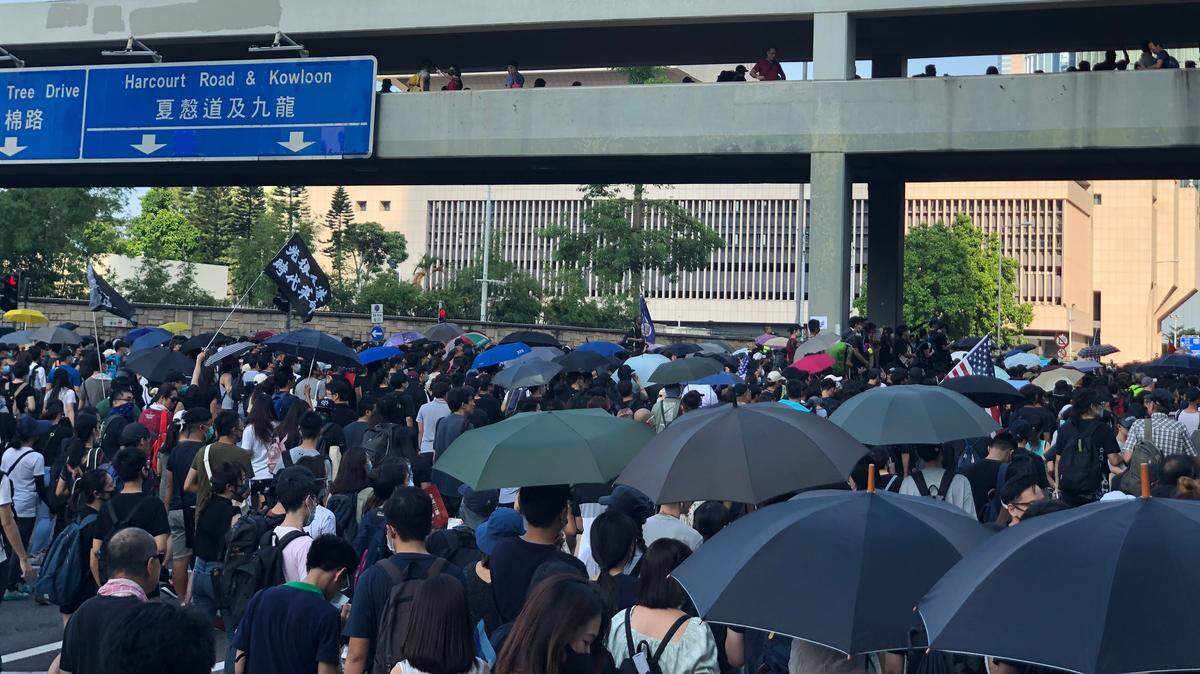
Please pardon me for my absence over the past two weeks – I just went back home to witness the protests in my native Hong Kong. The 15th consecutive week of protests since June escalated into a movement that still prevails, despite the retraction of the extradition bill in early September.
The protest appears to be easing into a phase where people are getting used to excessive violence and heightened distrust between the police and protesters. Not that Hong Kong residents are tolerating it, however: Self-driven locals have continued to publish translated videos to inform the public about the wrongdoings of the police and the government.
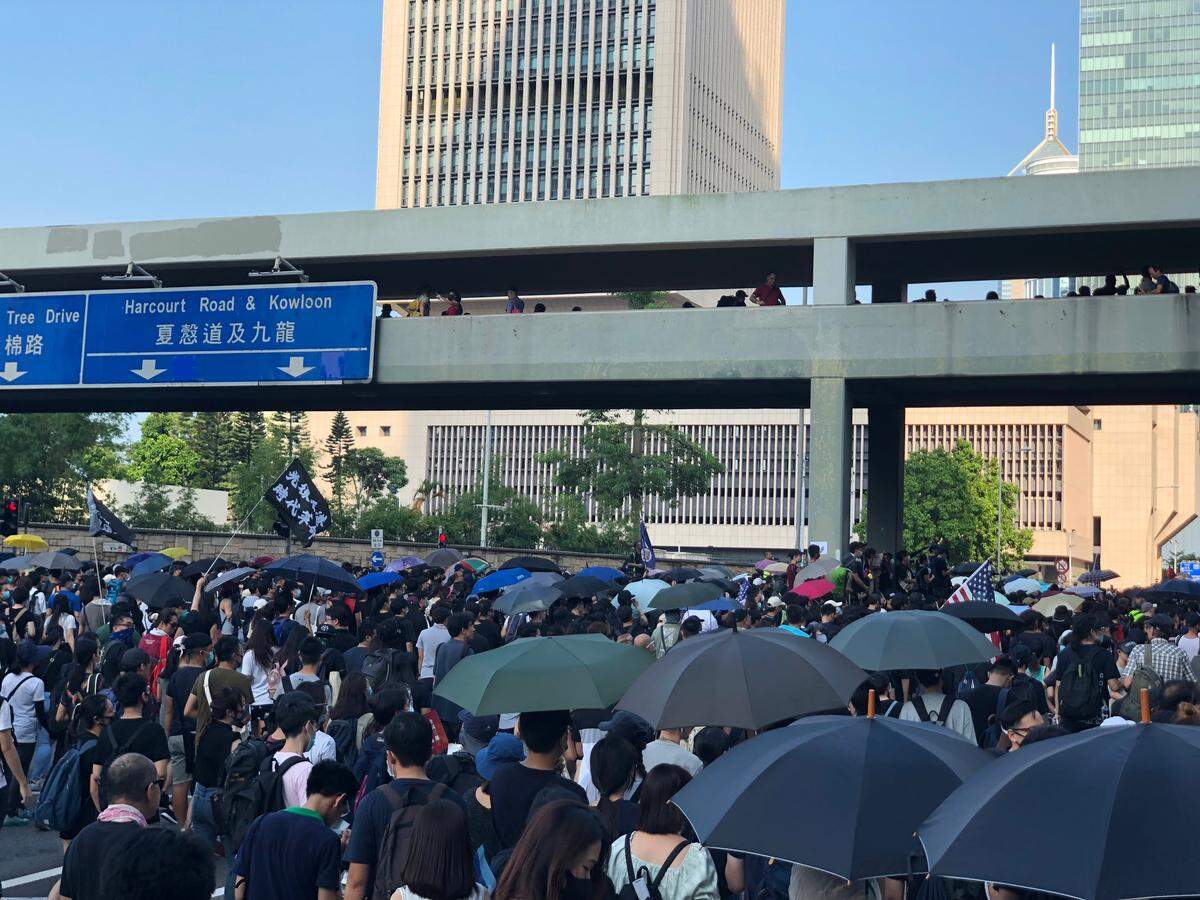
The past two weeks were less intense as compared to the previous protest on Aug. 31, a day locals vowed to never forget. That day, protesters were severely gassed and injured inside metro stations, and three protesters remained missing after allegedly being sent to hospitals for treatment. The mystery remained and was only made more confusing after police officials provided incomplete information at press conferences and one media outlet provided a different account than other news outlets, later proven to be inaccurate.
It was in this mood of uncertainty but nevertheless resilience that students participated in forming human chains to support protesters as early as 7 am before school during weekdays. Wearing masks and holding self-made placards, students held hands with one another, sang the protest anthem “Glory to Hong Kong,” and chanted slogans such as “stand with Hong Kong.”
During the nights, shopping malls in different districts of the city were swarmed by people who just got off work. The malls turned into public spaces, where people gathered and sang in solidarity, from 9 pm to 11 pm, to keep the movement going. To me, it is truly impressive how Hong Kongers were so willing to carve out their free time to the movement to fight for something they believe is right and wrong. I didn’t ask them about it, but I have a sneaky feeling that protesters are really doing it because they love their city.
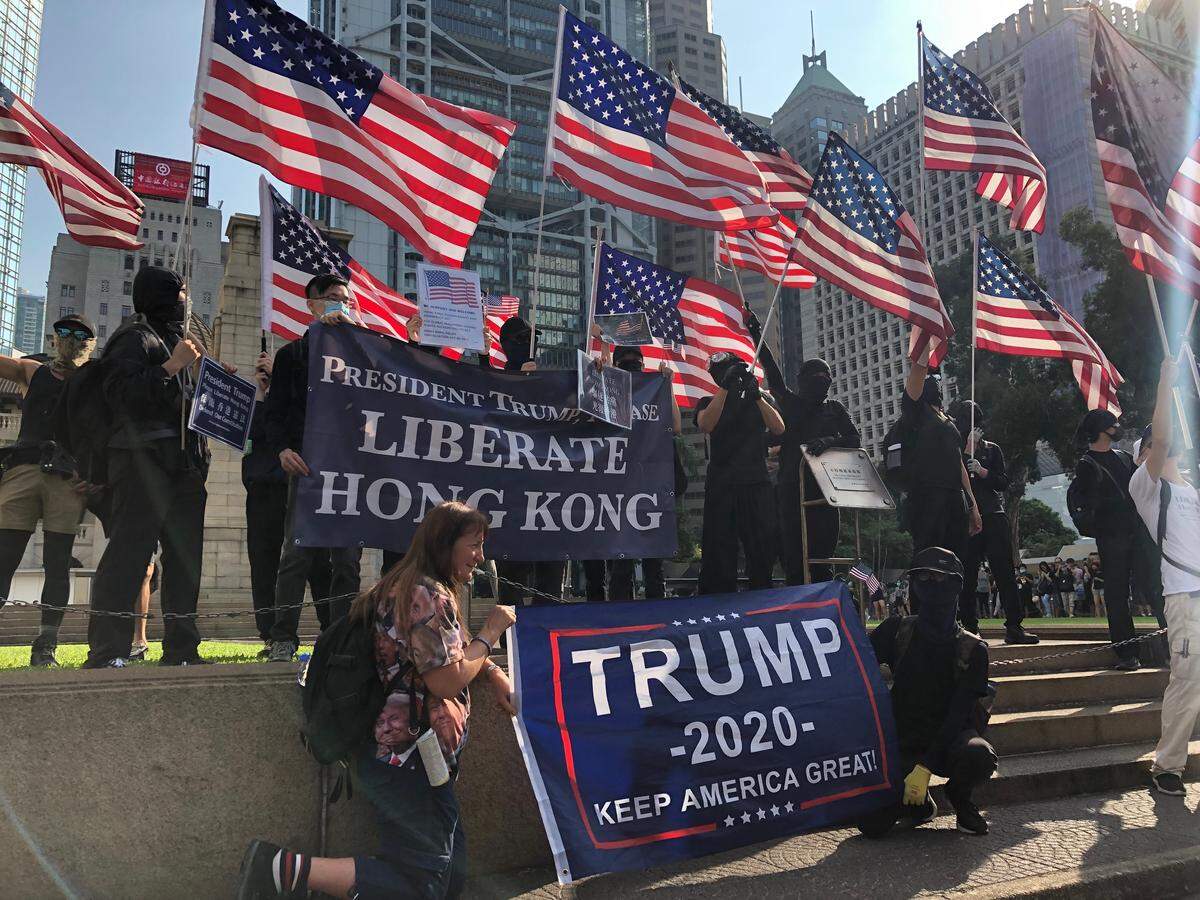
Protesters were cooperative, unified and clear about their goal: five demands and not one less. At the Sunday protest on Sept. 15, protesters who rallied outside the British Consulate stood in collective silence after a brief shushing to be respectful. Later that day, some protesters marched carrying the U.S. flag and called for the U.S. government to “liberate” Hong Kong. They were aware that they were appealing to a political leader not supported by many Americans, nor were they blind to the fact that countries will always put their own interests first. They did it out of desperation, thinking it was a necessary and practical step to seek help. Notwithstanding, protesters were scared and fled the frontlines when the police threatened to shoot and blasted colored water cannons to identify frontline protesters for arrest, but continued to protest in other parts of the city.
In other news: read this Slate article about how 43 percent of white students Harvard admits are “legacies, jocks, or the kids of donors and faculty,” according to researchers who studied how affirmative action works in favor of the affluent. They published a paper titled “Legacy and Athlete Preferences at Harvard” on Sept. 11 and their findings can be seen here.
On Sept. 23, The Sacramento Bee reported that a revised draft is coming for the ethnic studies curriculum. The curriculum, which was shelved because of its controversy, was put back on the table this week after State Superintendent of Public Instruction Tony Thurmond announced he supported a plan to revise the curriculum. The State Board of Education will vote on it in 2020. Currently, one out of five California high schools offer a course in ethnic studies.
On Sept. 17, Vox published an article on how Democratic presidential candidate Andrew Yang’s use of Asian stereotypes during the Democratic debates – such as “an Asian man who likes math” or “Now, I am Asian, so I also know a lot of doctors” – is reinforcing cliches that could do more harm than good. Yang is one of three historic Asian American and Pacific Islander candidates in this cycle, a milestone that’s been a source of pride for many Asian Americans whom the reporter, Li Zhou, has spoken with.
While some supporters think Yang as an Asian American has the right to allude to those stereotypes on his terms, experts think Yang’s actions undermine a lot of the important work his campaign is doing, as his message is setting the tone for how many people may see Asian Americans.
Yang responded to such claims saying that by “poking fun” at Asian stereotypes, he is “making Americans reflect more on it.”
For good stuff in Sacramento, mark your calendars for free health screenings, live zumba, karate demonstrations and more this Saturday, Sept. 28, at The Church of Jesus Christ of Latter-Day Saints at 10 am. The event “Health Fair: Pathway to a Healthy Living” is co-organized by Iu-Mien Community Services, Hmong Youth Parent united and the South East Asian Assistance Center.
That’s it for this week’s newsletter. Please send tips to tyu@sacbee.com. Can’t wait to hear from you. Thanks for reading!