
Film premiere to celebrate launch of UC Davis Bulosan Center for Filipino Studies
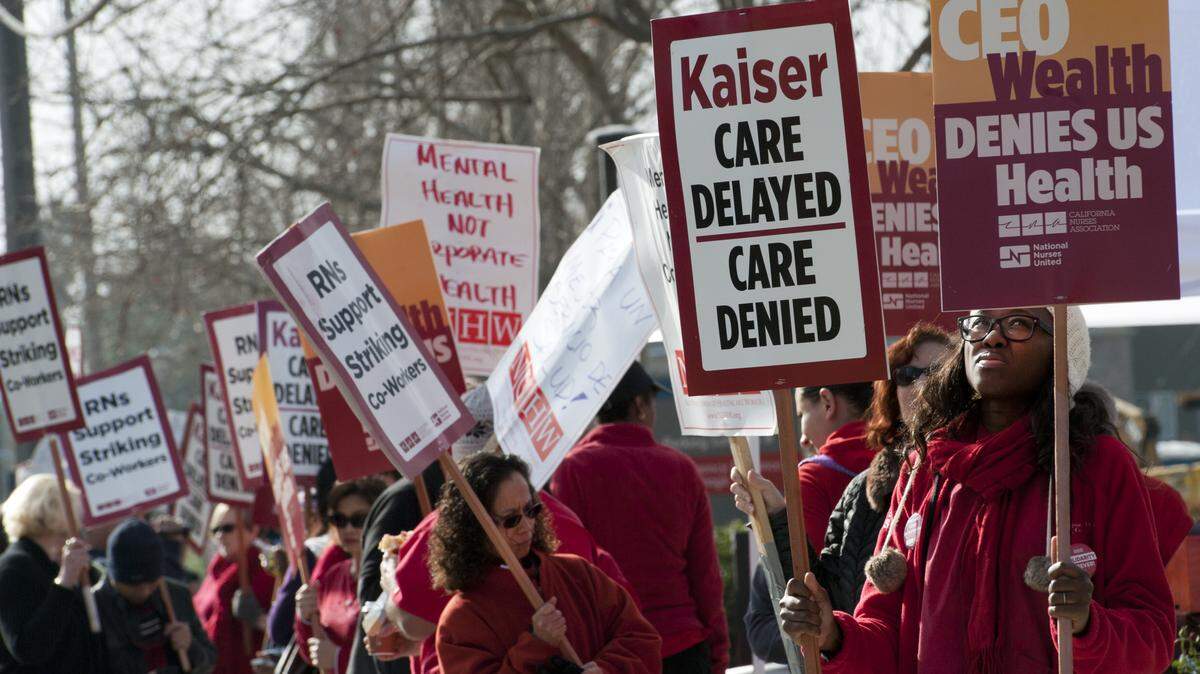
The California Nurses Association and the National Nurses United are co-hosting a film premiere in Sacramento on Saturday to celebrate the launch of the Bulosan Center for Filipino Studies at UC Davis.
The short film “The Strength of Many,” 13 minutes in length, spotlights the experience of nurses in the Philippines and honors their contribution in the labor movement. The film is directed by Marissa Aroy, an Emmy-winning director who produced and directed “The Delano Manongs: Forgotten Heroes of the United Farm Workers,” a documentary about Filipino farm labor activist Larry Itliong and the role of Filipinos in the Delano Grape Strike of 1965 in California.
Zenei Cortez, the first Filipina president of CNA and the only Filipina president of a national labor union in the U.S., will introduce the movie. Aside from her main job as a nurse, Cortez works as an activist advocating for workplace and patient democracy.
The film will be screened at 6 p.m. in Room 1000 at the UC Davis Betty Irene Moore School of Nursing. The school is at 4610 X Street in Sacramento.
The Bulosan Center for Filipino Studies is named after Carlos Bulosan, a migrant worker, labor activist and writer who chronicled the struggles of low-income Filipino workers in the 1930s through the 1940s in his book “America is in the Heart.” The first Filipino studies center with links to the Universities of California, the center aims to carry on Bulosan’s legacy by supporting education, research and advocacy of the Filipino community and diaspora in the U.S.
The Center received a $1 million funding last October to expand research on the Filipino community, one of the largest and fastest-growing Asian American groups in the U.S.
Dr. Robyn Rodriguez, founding director of the center and chair of UC Davis’ Asian American studies, said a celebration of the milestone has been long overdue.
One of the projects currently at the Center is the “Filipinx count,” a survey about Filipino and Filipino American health and well-being, covering topics such as migration, political involvement and education.
“Separate and along census outreach efforts, we realize it can only scratch the surface in understanding the complex issues faced by the Filipino community,” Rodriguez said, noting the last major data collection on the Filipino population in California was in the 1990s.
Researchers at the center are also investigating the labor trafficking of Filipino teachers into California schools, Rodriguez said, where workers signed fraudulent contracts with labor recruiters in the Philippines and later found their actual salary in the U.S. not as promised.
This story was originally published February 21, 2020 at 3:22 PM.