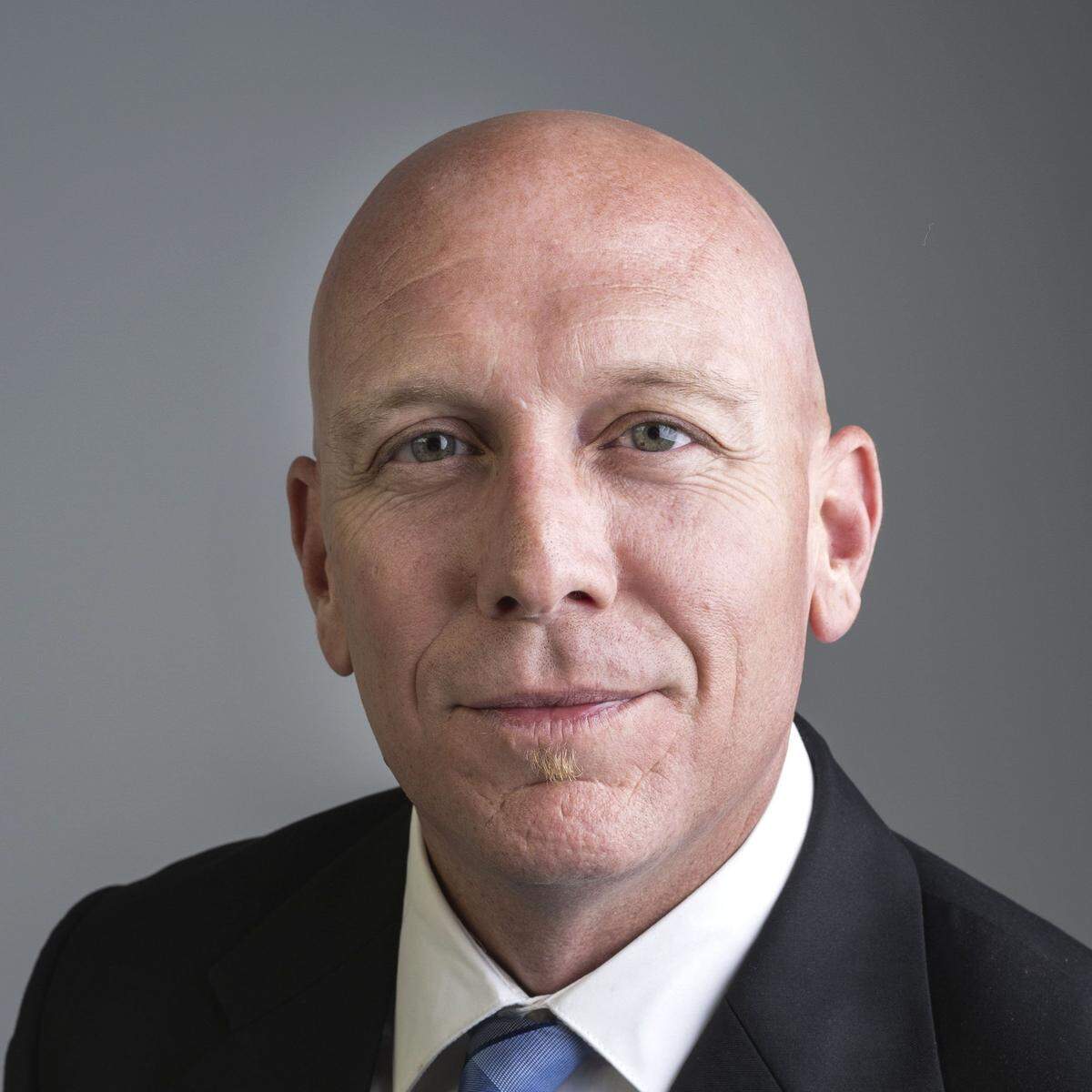
Sacramento chaplain in New York counseling hospital workers as coronavirus deaths there surge
A Sacramento woman is in New York with a crisis intervention team sent to help weary healthcare workers fight feelings of despair on the front lines of the fight against the coronavirus pandemic.
Crisis chaplain Julie Bevers and her team from the 10-33 Foundation are there to provide emotional and mental health support to thousands of medical professionals who came from all over the country to help New York hospitals treat patients. The foundation’s services are desperately needed in a state with over 10,000 COVID-19 deaths, more than any nation outside the United States.
“They came here to help people,” Bevers said. “They see a crisis and think, ‘Maybe I can help,’ and they come here and it’s more difficult than they imagined. It’s hard to feel like you’re helping when people are dying.”
Bevers is quick to remind them they are helping. They are heroes. They are saving lives, even if they can’t save everyone.
“One life lost during a shift or during a week is difficult because they’re trained to save people, and still people are dying by the 10s and 20s and 30s and hundreds,” Bevers said. “Acknowledge a life that is lost, but look at what you did do. It’s so important to remember. Their overall feeling is, ‘I couldn’t do anything to save them.’ We have to remind them that they did everything they could.”
Representatives of the 10-33 Foundation are available for counseling day and night, before and after every hospital shift, in person or by phone, 24 hours a day. They see the sadness. They hear about the suffering. They sense the frustration from hospital workers who wish they could do more to help their patients.
“So I ask them, ‘What are you doing?’” Bevers said. “And when they tell me the things they’re doing, the things they’re trying and the multiple life-saving efforts they’re putting in, it’s very powerful. They’re doing so much. They’re doing everything they know how to do and these are the most compassionate, incredible individuals. I’ve told them, if I end up with the virus and it’s going downhill, I want them by my side.”
‘Pushing them past their normal’
The 10-33 Foundation is a nonprofit organization that specializes in crisis intervention services to first responders, military members and their families.
Jim Wilson, a Dixon resident and president of the foundation, said his group was contracted for 21 days by Krucial Staffing, a firm that provides emergency and disaster staffing in crisis situations. Wilson has a team of six people, including Bevers and KC Peterson, a retired Sacramento firefighter who now lives in Virginia. Each of them will be required to quarantine for 14 days when their work in New York is done.
The 10-33 Foundation team arrived in New York on April 6, the same day Gov. Andrew Cuomo announced 20,000 medical workers were converging on the state to reinforce an inundated healthcare system. As of Wednesday morning, New York had more than 202,000 coronavirus cases and 10,834 deaths, accounting for nearly 42 percent of the deaths in the United States.
“Our health care workers have gone through hell,” New York City Mayor Bill de Blasio said on Twitter.
Morgues and funeral homes are reportedly full. Dozens of refrigerated trucks are parked outside hospitals to hold the dead.
“It’s emotionally draining and physically draining,” Wilson said. “These medical professionals are the heroes. They’re out there seeing it every day. They’re watching people die and they’re trying to help. It’s pushing them past their normal. They came to save lives and I think they were overwhelmed at how fragile the human body is to this. One nurse came back and said they lost 10 patients in one shift.”
‘Here to catch them’
Bevers and Wilson said their work begins each day at 5 a.m. as thousands of healthcare workers make their way through hotel lobbies to buses that transport them to one of about 20 area hospitals, where they work 12-hour shifts. Similar scenes play out later in the morning as night-shift personnel return to the hotels and again when the day-shift returns in the evening.
“We’re down there in the lobby to see them off,” Bevers said. “We’re scanning, looking for body language, looking at their faces, looking for fatigue. In the morning, it’s usually a word of encouragement to be safe. At the end of the day, sometimes people need to talk a little bit.”
Bevers spoke to a nurse from California who said he normally treats four patients at a time in a room in the intensive care unit. In New York, he said, there are four to six people per room, and each nurse is responsible for three to four rooms. Bevers said hospital workers are physically, mentally and emotionally exhausted when they return from a shift.
“Sometimes it’s hard to see them come back,” Bevers said. “I’ve never seen somebody come back from war, but now I feel like I have.”
Wilson agreed, noting that many healthcare workers are getting little or no hydration during their shifts because they don’t want to remove their personal protective equipment.
“After a 12-hour shift, seeing what they’re seeing, they do look like they’ve gone to war, and this is every day,” Wilson said. “It’s taking a toll, so we’re here to kind of catch them when they get back.”
Sense of isolation
Bevers shared a story about a nurse who is working in labor and delivery at a New York hospital. Two of the new mothers tested positive for COVID-19, so they were separated from their babies immediately after giving birth.
“The nurse says she wants to love on that baby just like the momma would, so what she does is FaceTime the mom for as long as she wants so mom can look at her baby,” Bevers said.
Wilson said that sense of isolation is everywhere. Due to the highly contagious nature of the coronavirus, patients are not permitted to see their families. That has been a source of angst for many hospital workers, some of whom are singing to patients in their final moments.
“One of the repeated things, because of the virus and how infectious it is, families can’t go in and see their loved ones in the hospital, so one of the overwhelming things is they feel like these patients are dying alone,” Wilson said. “We remind them, ‘They’re not alone – they have you.’”