
‘We’re not starting from zero’: Historian gives webinars on Sacramento’s Black history
When William Burg began working as a docent at the California State Railroad Museum, he discovered there were a lot of “missing pieces” in the dominant narratives around Sacramento.
“This guy built a fort. This other guy discovered gold. These four guys built a railroad,” said Burg, explaining what the public understood to be the end-all, be-all of Sacramento history. Maybe some had heard about the 15,000 Chinese workers who risked their lives on the railroad for next to no pay. But almost universally, Burg said, the unique struggles and successes of Sacramento’s Black communities remained unknown.
These omissions are what drove Burg — who grew up in Sacramento — to become a historian of the city. He’s written a total of seven books, many of which illuminate under-covered aspects of Sacramento’s past.
In light of recent Black Lives Matter events, he’s turned his extensive research into a free webinar series on local Black history.
“We’re not starting from zero. The history of protest, of activism and community response to injustice are very deep in the city’s fiber,” said Burg. “The stories I tell are intended to inspire, to let people know that this is what has been done, and so, what more can be done.”
The first part of the series spanned the Gold Rush to the Civil War, discussing how, even before the end of slavery, Sacramento’s Black communities organized statewide conventions to advocate for civil rights. The second surrounded the early 20th century, “an era of increasing racism in the United States,” said Burg.
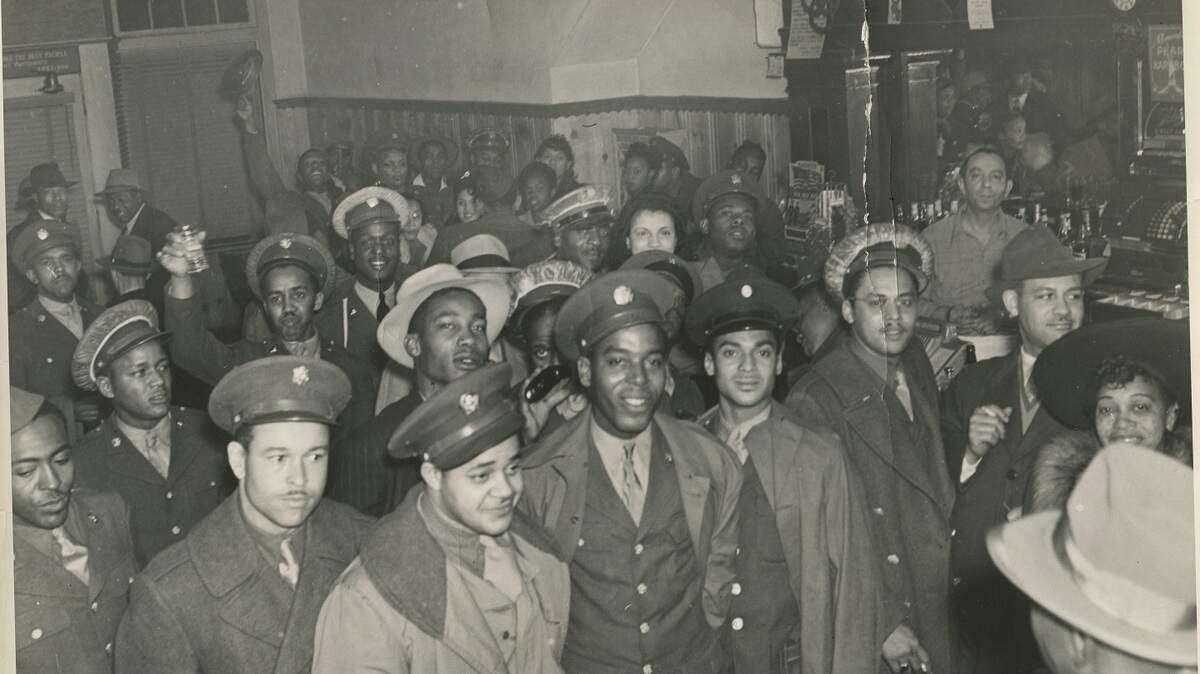
The third and final installment, slated for 6 p.m. on Thursday, July 30, will focus on what Burg has termed the “Sacramento Renaissance” — the period beginning at World War II and running through the 50s and 60s, during which Sacramento “grew dramatically.”
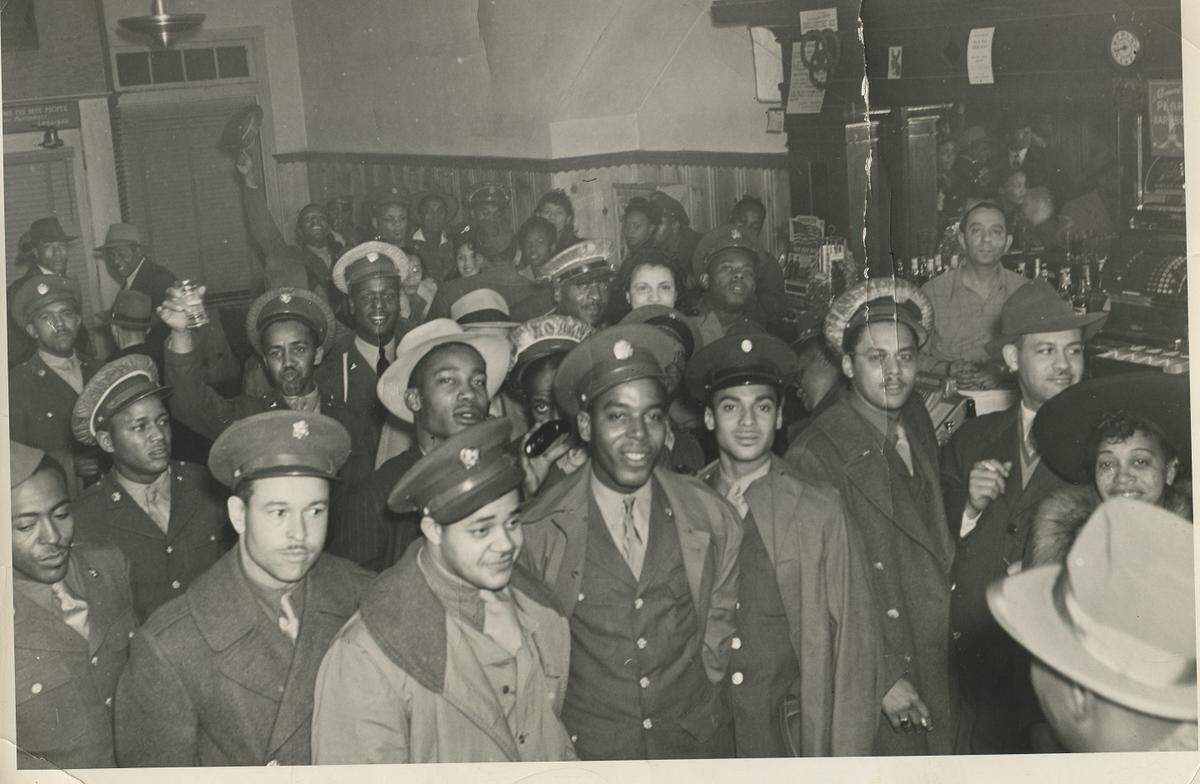
At the same time as those years experienced a boom in the city’s suburbs, it also witnessed the destruction of a different neighborhood. The West End occupied a square mile of Sacramento’s downtown — from the Capitol building to the Sacramento River — and housed a multiracial community of tens of thousands of people. After the war, the area was upended, residents displaced in the name of development. Or, as Burg puts it, “Because the people there weren’t white.”
This “missing” neighborhood is the subject of Burg’s most recent book, Wicked Sacramento. While the name could be a reference to the West End’s plentiful stories of sex work and prohibition, Burg intends it to be deeper than that.
“The assumption that one gets on picking up (Wicked Sacramento) is that it’s about crime,” said Burg. “But the greatest crime was the theft of a neighborhood’s legacy and the murder of a community.”
In spite of the West End’s demolition, something of a renaissance followed, said Burg. Residents moved elsewhere, bringing what they could — their businesses, churches, community organizations, families. There was a “flowering of culture, of music and activism” that mainstream Sacramento history neglects.
“Those communities were rebuilt and reborn. That’s what a renaissance means,” said Burg. “That’s the focus of this final talk: The rebirth of those communities in the wake of the disaster.”
Burg hopes to continue speaking about the West End, as well as the histories of Sacramento music, nightlife, and counterculture. He has a book about R Street in the works. But as he takes on these projects, he recognizes his position as a white historian, and his responsibility toward the people he writes about.
“I don’t want to speak for any community. I don’t have the right to do that,” said Burg. Instead, he wants to tell stories, help to spread them further. His books primarily center on oral histories and first-person interviews; Black Sacramento residents often urge him to explore certain topics and he follows their lead.
“Having white privilege means you have a seat that you didn’t earn,” said Burg. “If there’s an ethical use of white privilege, it is to amplify the message of communities of color.”
If you go
Black History in Sacramento Part 3: Redevelopment and Renaissance
The third part of a three-part series about African American history in Sacramento, focusing on the 1940s through the 1960s.
When: 6 p.m. Thursday
This story was originally published July 28, 2020 at 7:56 AM.