
Japanese American recalls WWII California detainment + ‘Mulan’ boycott: Your AAPI newsletter
It is Thursday, Sept. 10, and this is The Sacramento Bee’s AAPI weekly newsletter.
Here’s a recap of the stories I’m following:
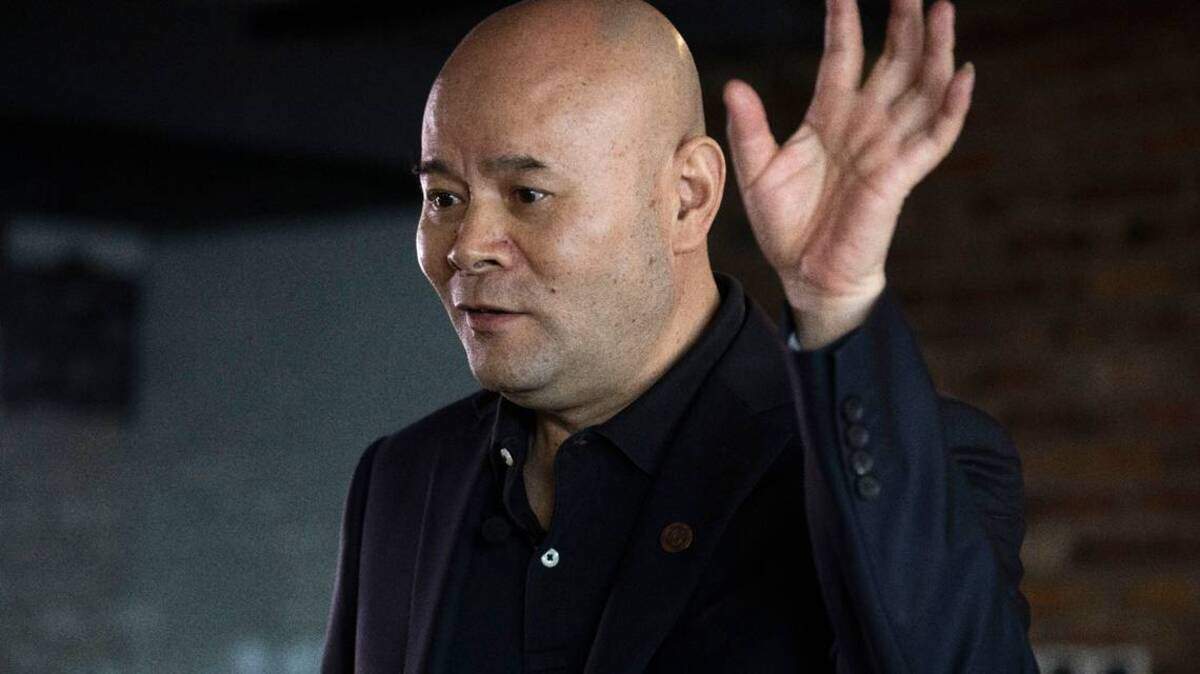
A Chinese group plans to try to recover a fighter plane from the legendary Flying Tigers group of American pilots that crashed in a lake during World War II. The Flying Tigers, who were sent to China in 1941 by President Franklin D. Roosevelt, have long been one of the most potent symbols of U.S.-Chinese cooperation.
The Tigers fought Japanese invaders from December 1941 until they were absorbed into the U.S. military the following July. The Curtiss P-40 the Chinese group wants to recover crashed in 1942 in Dianchi Lake near Kunming, the southwestern city that was the Tigers’ base.
The Tigers were credited with shooting down almost 300 Japanese aircraft while losing 14 of their own pilots. Their battles were some of the earliest American aerial victories in the war.
“We hope the project of salvaging the P-40 can be a warm current in the cold wave and ease people’s worries about Chines-U.S. ties,” said Han Bo, chairman of the China Adventure Association, a nongovernment group that promotes outdoor activities and historical monuments.
Amid 75th anniversary commemorations of the formal Sept. 2, 1945, surrender ceremony that ended World War II, Hidekazu Tamura, 99, vividly recalled his time locked up with thousands of other Japanese Americans in U.S. internment camps.
When Japan bombed Pearl Harbor in 1941, the first thing Tamura, a Japanese American living in California, thought was, “I’ll be killed at the hands of my fellow Americans.” Torn between two warring nationalities, the experience led him to refuse a loyalty pledge to the United States, renounce his American citizenship and return to Japan.
Born in Los Angeles to Japanese farmers, his parents earned enough money to return to Japan and settle on a farm near Osaka. Against his family’s wishes, Tamura moved back to the United States alone in 1938 when he was 17. The United States, he hoped, would provide him the same opportunities his parents received.
But Tamura arrived in California amid rising discrimination against Asians, and Japanese in particular. His uncle, who ran a grocery store, once drove him to a fancy hilltop restaurant in San Francisco and showed him a sign outside that read, “Orientals Not Allowed.”
“I saw that and thought, ‘Bloody hell!’ And that awakened me as a Japanese,” Tamura said.
Even though he resisted authorities in the camps, he said he has always liked Americans. There’s “no feeling (of being an) enemy or anything like that,” he said. Tamura still follows U.S. news, including incidents of racial injustice and the upcoming presidential election.
“Almost 70, 80 years since I knew America then, the same thing, discrimination, (is happening) now” against minorities, he said. It “never improves, this problem.”
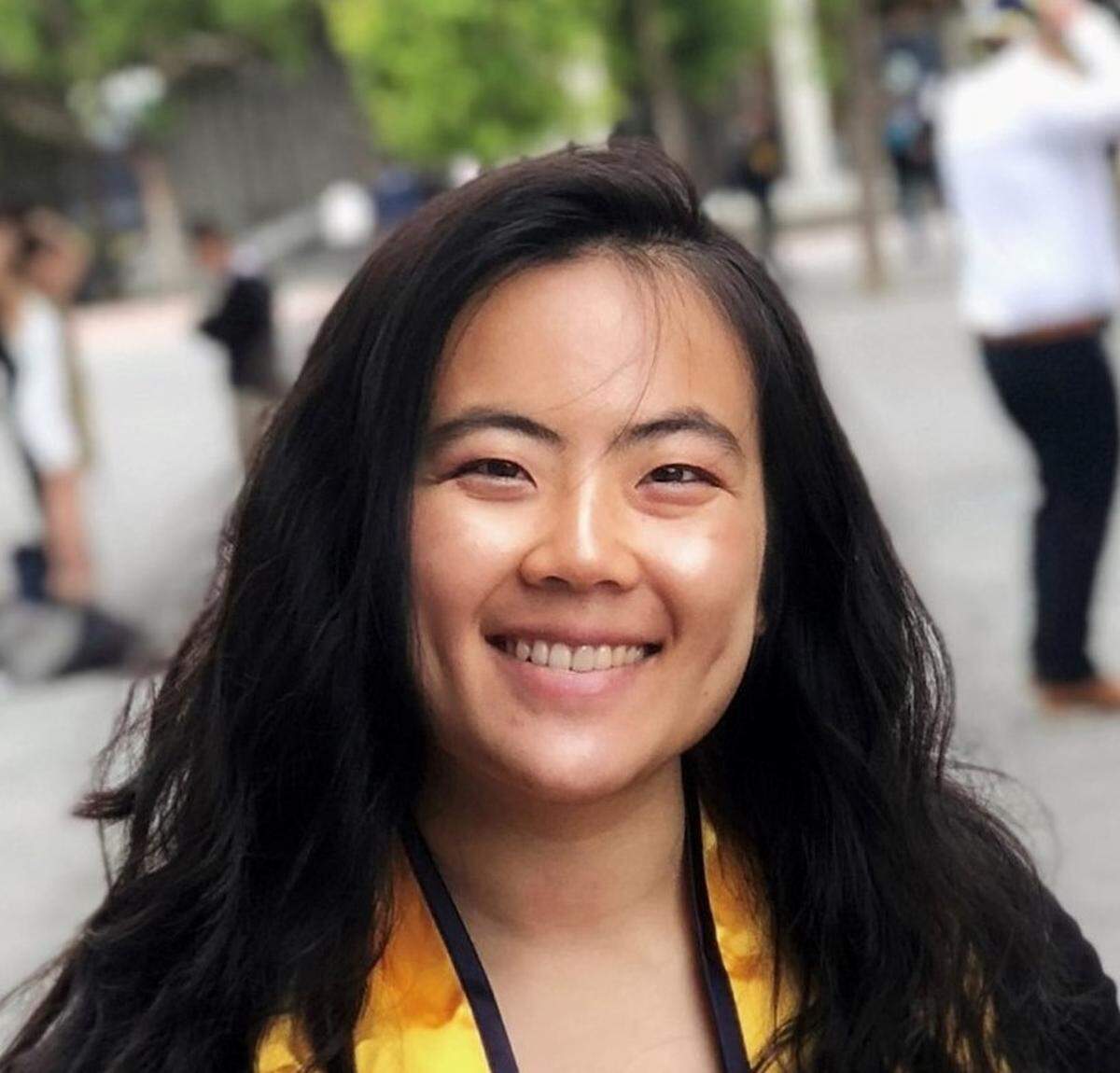
And say hello to our newest Capitol bureau reporter, Jeong Park! Jeong is joining The Bee through our community-funded Equity Lab after two years at The Orange County Register. He’ll be covering wages, unions and inequality with an eye toward how California state policies affect its working people.
Jeong is a first-generation immigrant from South Korea, coming to the United States when he was 11. He graduated from the University of California, Los Angeles, and he still has hope that Chip Kelly will make Bruins’ football good again. Welcome to The Bee, Jeong!
In other news
Fact check: Video showing Kamala Harris laughing at violent protests is fake [The Sacramento Bee]
Activists start movement to end hate crimes, violence against Asian Americans [ABC News]
Kamala Harris’ Identity is a Complicated Discussion for Indian Americans [KQED]
From Tagalog to Korean, these Asian Americans are using quarantine to learn their families’ languages [NBC News]
#BoycottMulan Movement Gains Momentum in Hong Kong, Taiwan, Thailand [The Hollywood Reporter]
The Forking Paths: Review of ‘How Much of These Hills is Gold’ [The Nation]
Iconic LA Koreatown Restaurant Beverly Soon Tofu Is Closing After 34 Years [Eater LA]
Skyline Boulevard In Daly City To Be Named After Filipina Activist Alice Bulos [CBS News]
The recent rise in Asian American hate crimes could have impacts beyond the pandemic [Popular Science Magazine]
How My Mother and I Became Chinese Propaganda [The New Yorker]
This week in AAPI pop culture
Controversy surrounding Disney’s live-action adaptation of “Mulan” only continues to grow, with a fresh wave of criticism this week over the revelation that parts of the film were made in Xinjiang, a Chinese region where Uighur Muslims have been imprisoned in mass internment and “re-education” camps.
The discovery was spread on social media by eagle-eyed viewers, who noticed that the film’s credits offer “special thanks” to eight government entities in Xinjiang, a region in western China. It’s where the Uighurs, a predominantly Muslim ethnic minority, have lived for years under increasingly expansive surveillance and repression from the Chinese government.
Of the eight government entities Disney thanks for their assistance in shooting the film, four known propaganda departments and a public security bureau are listed. It’s a disturbing connection, especially considering the film crew may have driven past detention centers where Uighurs and others are being held during location scouting and other research trips.
But trouble has actually been brewing with “Mulan” since last year, when the film’s lead actress, Liu Yifei, made a post on Weibo in defense of Hong Kong’s police, who have been heavily criticized for their violent crackdown on pro-democracy protesters.
Fans have also been disgruntled over several major changes made to the live-action, stripping the film of its musical numbers as well as several beloved characters from the animation such as Li Shang and Mushu.
The film was released on the streaming platform Disney+ last Friday after being bumped from its planned theatrical debut because of the COVID-19 pandemic. The catch: You’ll have to pay $30 if you want see it, even if you already have a Disney+ subscription. You can also wait until Dec. 4, when it’ll become free to all Disney+ subscribers.
Got a story suggestion? Please reach out to me at awong@sacbee.com.
That’s it for this week’s newsletter. Try to stay indoors and avoid the ash and smoke in the air as much as you can. Thanks for reading, and see you next week!
Please spread the word about our newsletter and send to a friend. Sign up here to receive this newsletter each week.
This story was originally published September 10, 2020 at 5:00 AM.