New light rail line over Tower Bridge between Sacramento, West Sacramento moves forward
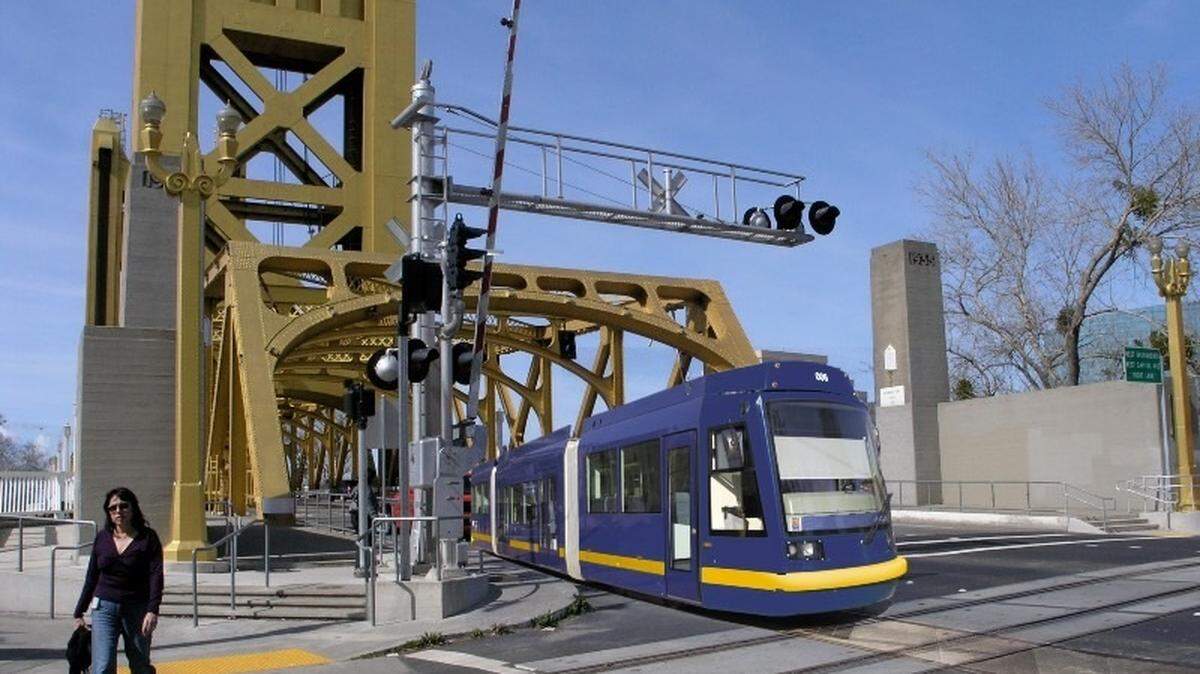
A newly-revived controversial $130 million passenger rail line over the Tower Bridge took a step forward Monday.
The Sacramento Regional Transit board, which previously rejected the scaled-down version of the long-discussed project, took a vote to move the project forward Monday, reversing its previous decision.
The project would run light rail cars about 1.5 miles from Sutter Health Ballpark (formerly Raley Field) to the downtown Sacramento Valley Station, Amtrak’s train depot, with three stops.
The project still needs approval from the Federal Transit Administration, said RT spokeswoman Jessica Gonzalez. In order to apply for FTA approval, the cities of West Sacramento and Sacramento would have to provide about $3.16 million, Gonzalez said.
Rep. Doris Matsui, D-Sacramento, secured $50 million in federal funds for the project six years ago.
“This is an important milestone for the future of our transportation infrastructure,” Matsui said in a statement Tuesday. “Local transit systems are crucial for our economy and adding this connector project is another critical step towards enhancing transportation equity and access for our region. An investment in our infrastructure is a clear promise of progress and (Monday’s) vote is Sacramento saying yes to economic development, transit access, and a more sustainable tomorrow.”
Sacramento Mayor Darrell Steinberg and West Sacramento Mayor Christopher Cabaldon are in favor of the project. Steinberg last month voiced strong support for moving forward with the project in order to build “political capital” with federal officials.
“We have a congresswoman who consistently delivers for us,” Steinberg said of Matsui during an Aug. 18 City Council meeting. “And she has told us that unless we continue to try to gain that $50 million of federal funding, that our credibility will be harmed at the Federal Transit Administration. Under this administration and under the Biden administration.”
On Aug. 24, the RT board rejected the project by a split vote under the transit district’s “weighted” voting system – 48% to 42% in favor of moving forward with the project. Items need at least 50% to pass. Then on Monday, the board reconsidered the item, and it passed with 59%.
RT board member Jeff Harris raised major concerns with the process.
“I take great umbrage that we’re revisiting this topic,” said Harris, a Sacramento City Council member. “I think this is the worst seedy underbelly of local politics that I’ve ever seen.”
Along with Harris, Councilman Patrick Hume of Elk Grove, Councilwoman Linda Budge of Rancho Cordova, and county Supervisor Patrick Kennedy voted against the project. Those who voted in favor included Sacramento City Council members Steve Hansen, Jay Schenirer, Rick Jennings, county Supervisors Phil Serna and Don Nottoli and Citrus Heights’ representative Steve Miller.
Folsom Mayor Kerri Howell, who previously voted no, recused herself Monday. Miler, who was absent last time, voted yes. Nottoli switched sides.
After the vote, RT board chairman Hansen assured the board that concerns would be addressed.
“I know that this was painful,” said Hansen, a Sacramento council member. “I know that this is a complicated project in a lot of ways. But I do commit over next few months to working with all of you and other partners to make sure this goes forward taking into consideration all the comments that were made.”
Harris said RT should instead focus on creating a second light rail track to and from the downtown Railyard in Sacramento to serve the planned projects there – a Kaiser Permanente Medical Center, a Major League Soccer stadium, offices, housing, entertainment and museums. The Railyard is in Harris’ council district.
Steinberg has said local officials can focus on both the “double track” and the streetcar at the same time.
“Think like a big city, not like a small city,” Steinberg said at the August meeting.
Not all members of the Sacramento City Council are supportive, however. In addition to Harris, Council members Larry Carr and Angelique Ashby raised concerns about the project at the August meeting, saying the line is too short for the cost and would not benefit Sacramento residents.
The project originally was supposed to be a much longer 4.4-mile streetcar line with 21 stops that would have gone through downtown and part of midtown Sacramento, then over Tower Bridge and past the ballpark to West Sacramento City Hall.
If the cities fund the $3 million to apply to FTA and FTA approves, RT expects to receive the federal grant agreement between December 2021 and January 2022, and construction would begin, according to Gonzalez. The remainder of the roughly $80 million would come from both cities, as well as state and federal sources.