
Sacramento health chief calls Asians ‘yellow’ + CAPIAA hires Hmong director: Your AAPI newsletter
It is Thursday, Nov. 19, and this is The Sacramento Bee’s AAPI weekly newsletter.
Here’s a recap of the stories I’ve covered and ones I’m following:
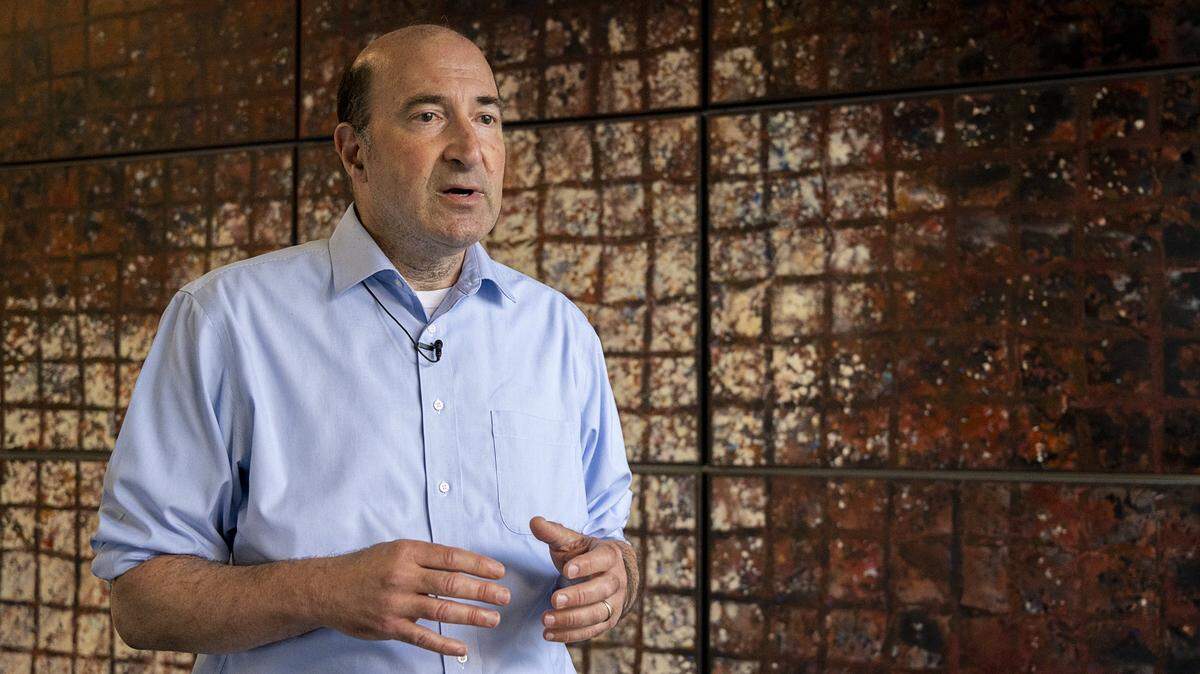
Sacramento County health chief Dr. Peter Beilenson used the term “yellow folks,” considered a racial slur, to refer to Asians during a Board of Supervisors meeting Tuesday declaring racism a public health crisis.
As first reported by Capital Public Radio, Beilenson used the phrase while speaking in support of Tuesday’s resolution declaring racism a public health crisis in Sacramento County.
“It’s a crucial thing we need to be doing to address the issues of the African American, and brown, and yellow folks, as well as the white folks,” Beilenson said, according to Capital Public Radio.
In a phone interview with The Sacramento Bee, Beilenson sounded flustered and apologetic, but it was not clear whether he fully understood the context or history of the term’s usage.
“I wasn’t calling them ‘yellow people.’ ... This is ridiculous, I’m gonna tell you,” Beilenson said. “I was saying African American, brown, yellow, whatever color. ... I certainly apologize. I did not mean to offend anyone. If I have, I’m terribly sorry.”
The term “yellow” emerged in the late 19th century to depict East Asians as a faceless, ominous threat to the Western world. Derogatory phrases like “Yellow Peril” were commonly used during the 1880s and the early 1900s, when anti-Asian laws such as the Chinese Exclusion Act of 1882 were passed to block Asian immigration to the United States.
It’s a term with long historical roots in xenophobia and anti-Asian sentiment, reports of which have been on the rise since the coronavirus pandemic began.
Longtime Sacramento community organizer Nkauj Iab Yang was sworn in Monday as the first executive director of the California Commission on Asian Pacific Islander American Affairs.
Born in Del Paso Heights to Hmong refugee parents, Yang has more than 10 years of experience in community organizing and policy advocacy for Sacramento’s AAPI community. Yang most recently served as co-director for Sacramento-based Hmong Innovating Politics, and was the California director of policy and programs for Southeast Asia Resource Action Center (SEARAC).
“I am humbled for the opportunity to serve as the first executive director of the California Commission on (APIA) Affairs Commission,” Yang said in a news release. “The love, guidance, and dedication of my entire village has gotten me here today ... and it is my village, you, who I will continue to lean on to lead and guide the work of the APIA Commission to move California towards healing, equity, and access.”
Yang was sworn in through a virtual ceremony by the chair of the commission, Dr. Karthick Ramakrishnan.
“Never did my Hmong refugee parents think ... one of their children, who they raised in low-income Del Paso Heights, right here in Sacramento, would serve … for a commission whose role is to uplift the diverse narratives of Asian and Pacific Islander communities in California,” Yang said during the ceremony.
If you’ve ever hankered for durian paste and want it delivered right to your doorstep, Tuk Tuk Box is at your service — with a twist that uplifts Southeast Asian refugees and migrant stories.
Founded by Christy Innouvong and Sacramento State alumna Beatriz Aurelio-Saguin, Tuk Tuk Box is a monthly subscription snack box that delivers Southeast Asian snacks and ingredients like hot and sour seaweed and banana chili chips.
But for Tuk Tuk Box, food is also a vehicle to raise awareness about ongoing issues in the Southeast Asian community, such as racism, colorism and war trauma. Each box comes with a postcard featuring personal stories across the Southeast Asian diaspora, from Filipino American farmers to Hmong refugees in Thailand.
“By sharing a meal, we can break down those barriers and have those uncomfortable conversations,” Innouvong said. “Now that we’ve given you our food, let’s talk about where this food came from. Let’s talk about the refugees or the war they stemmed from … Let’s talk about those things that you maybe didn’t want to talk about before you sat down at the table.”
Last month’s story featured Alina, a Hmong refugee living in Bangkok who fled Vietnam with her family of eight on foot. In Vietnam, Hmong people still face threats of ethnic cleansing due to their role in the Secret War, when Hmong soldiers were recruited by Americans to fight on the Vietnam War’s Laos front.
It’s stories like Alina’s that Tuk Tuk Box is ultimately working to uplift.
“People are left in the shadows and left to fend for themselves,” Innouvong said. “(Alina’s) dad and two brothers have been detained in an immigration detention center … We never know if her family will be resettled.”
In other news
Mai Vang claims Sacramento’s District 8 City Council seat after Les Simmons’ concession [The Sacramento Bee]
Filipino American nurses are part of an overlooked community hit hard by COVID-19 [ABC News]
Making history: Three Korean American women, two representing California, win seats in Congress [Los Angeles Times]
After an incarcerated firefighter was nearly killed on the frontlines, California delivered him to ICE [The Guardian]
Henry Golding: ‘I’m Never Going to Be Asian Enough for a Lot of People’ [The Daily Beast]
Nguyen vs. Nguyen race in California highlights rise of Vietnamese American electorate [NBC News]
What we know about who Asian American voters supported in the election [Vox]
Kim Ng Has Been Ready for Years [The New York Times]
This week in AAPI pop culture
“Crazy Rich Asians” director Jon M. Chu is in talks to helm Disney’s live-action remake of “Lilo and Stitch,” based on the 2002 animated film following a 6-year-old Hawaiian girl named Lilo who adopts a blue alien creature nicknamed Stitch.
Stitch, who is genetically engineered to cause chaos, grows and matures when Lilo teaches Stitch the importance of ohana, the Hawaiian concept of family. The movie was a moderate box-office success, but has since become one of Disney’s most beloved stories.
It’s not clear yet whether the film will be released in theaters or on Disney’s streaming service, Disney+, and a screenwriter or cast has yet to be announced. Let’s just hope Stitch’s CGI animation will look better than a certain other blue animated creature’s nightmare fodder.
Got a story suggestion? Please reach out to me at awong@sacbee.com.
That’s it for this week’s newsletter. Thanks for reading, and see you next week!
Please spread the word about our newsletter and send to a friend. Sign up here to receive this newsletter each week.