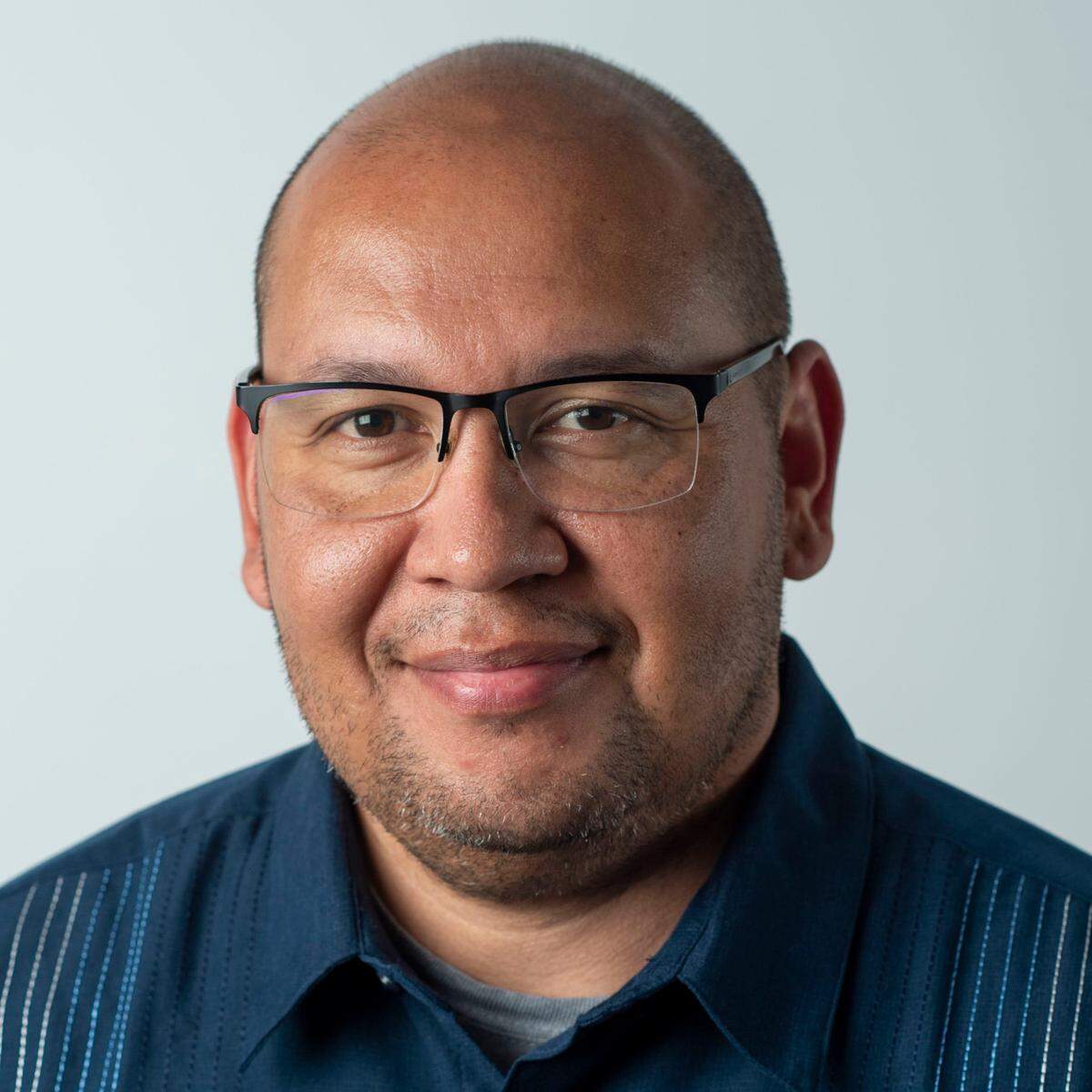
A ‘fierce advocate’ for Native American culture, Marshall McKay dies from COVID-19
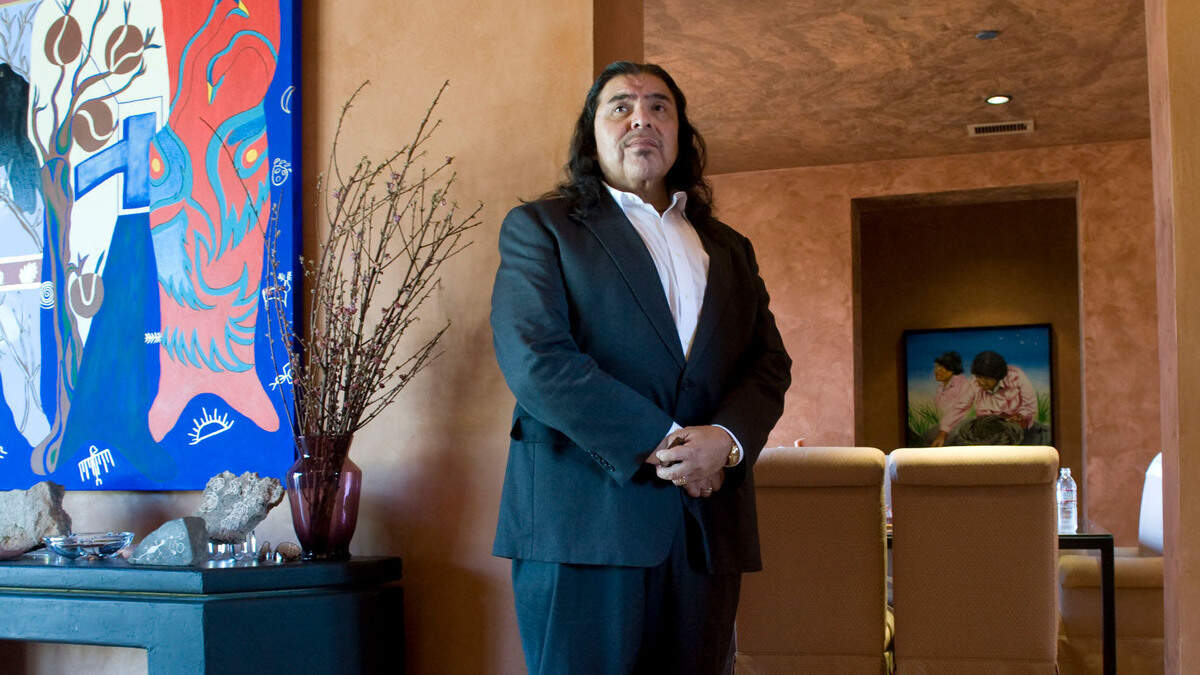
Marshall McKay spent most of his life dedicated to preserving Native American arts and culture in California, supporting education and sustainable land-use practices at University of California, Davis and protecting the rights of all indigenous people.
Last week in a Los Angeles hospital, the tribal elder died due to complications from COVID-19. He was 68.
For nearly a decade, McKay was the chairman of the Yocha Dehe Wintun Nation, owners of Cache Creek Casino Resort in Yolo County and one of the three federally recognized Patwin tribes.
“We know our pain is shared by so many families facing the devastating effects of this pandemic,” the tribal council said in a written statement about McKay’s death. “We know also the pain of Marshall’s loss is shared by the many who loved him and learned from him.”
He also was recognized as a “good friend” to UC Davis for his commitment to educational efforts on campus, which sits on Patwin land. He served as a board member of the UC Davis Foundation.
“We are endlessly grateful for his friendship and partnership,” Chancellor Gary S. May said in a written statement. “We will remember with fondness and gratitude how much he inspired our students, faculty and staff and do our utmost to honor him and carry his legacy forward.”
The Los Angeles Times reported that McKay died Dec. 29 at Hollywood Presbyterian Medical Center. McKay and his wife, Sharon Rogers McKay, last month tested positive for COVID-19, the respiratory disease caused by the coronavirus. They were both hospitalized after suffering severe COVID-19 symptoms. She recovered and was eventually released.
McKay became the first the first indigenous chairman on the board of the Autry Museum of the American West in Los Angeles. Rick West, president and chief executive at the Autry, told The LA Times that McKay was “one of the five — maybe even three — significant Native leaders in the late 20th century and early 21st century period.”
He was born in Colusa near his tribal home within Yolo County’s Capay Valley. McKay was the first of his tribe to go to college, attending Sonoma State University. For 15 years, he repaired and maintained nuclear submarines for the U.S. Department of Defense and later supervised those work crews.
Educational efforts under McKay’s leadership included the tribe steward gifts for the Mondavi Center for the Performing Arts and two endowed chairs; one for Native American studies and another in pediatric endocrinology. Campus officials called him “a kind, inclusive and friendly man.”
The Yocha Dehe Endowed Chair in Native American Studies at UC Davis has supported undergraduate student internships, graduate student research and hosting California Indian speakers. It also has supported the development and publishing of research on California Indian land and water rights and restoration, according to a statement from the UC Davis Department of of Native American Studies.
“Marshall was a visionary leader; a champion of Indian education, self-determination, tribal government, economic development, and the arts,” according to the statement. “His visionary leadership had a broad and deep influence nationally and internationally.”
McKay was a founding member of the Native Arts & Cultures Foundation, and he was appointed to the Board for the Smithsonian’s National Museum of the American Indian.
McKay served as a member on the Yocha Dehe Tribal Council for 31 years, from 1984 through 2015, which included his time as the council’s elected chairman. He continued to serve on the Tribe’s governmental bodies, including the Cache Creek Casino board of directors.
Along with his focus on promoting Native American culture, the Tribal Council said McKay was a “fierce advocate” for the environment and tribal land rights, and championing efforts for sustainable living and land-use practices. McKay was a founding commissioner on the California Native American Heritage Commission dedicated to protecting Native American cultural resources, including places of religious and social significance such as tribal cemeteries.
“We will miss his strength and wisdom,” the Tribal Council said. “He was a resolute protector of Native American heritage here, within our own homeland, but also throughout California and Indian Country.”
This story was originally published January 5, 2021 at 4:56 PM.