
Force mental health patients into treatment? Sacramento County OKs use of Laura’s Law
Sacramento County will join a statewide program that gives judges the power to order people to participate in mental health treatment, adding the county more than a dozen others that already offer “assisted outpatient treatment.”
Faced with a looming deadline, the Board of Supervisors this week unanimously agreed to add the program to its list of mental health initiatives and services. The topic sharply divided community members between those who praised the effort as a cost-saver and others who said it was coercive and limits liberty.
“I think we have an opportunity here to do something in Sacramento County,” said Supervisor Rich Desmond. “Obviously it’s not a panacea but it’s one more tool ... that will allow us to save some people out of the hopelessness and desperation that they’re experiencing.”
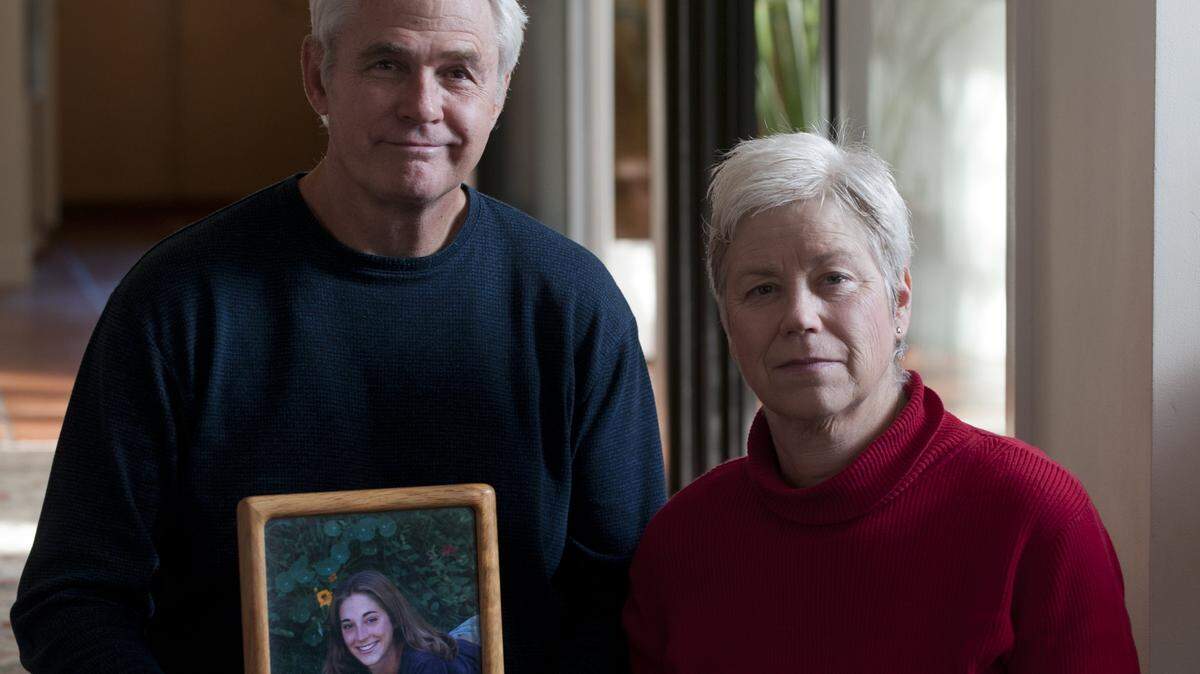
The California Legislature passed the law AB 1421 in 2002. Lawmakers responded to the killing of 19-year-old Laura Wilcox who was shot inside a Nevada County clinic by a man with an untreated severe mental illness.
Now referred to as Laura’s Law, the policy allows court-ordered outpatient treatment for people who have been jailed, hospitalized for psychiatric care, or have made threats or committed acts of violence against themselves or others. To qualify, a resident would have first been offered voluntary treatment in the last 10 days.
But local participation in the program was optional, and Sacramento County has historically chosen not to join. Then last year, a new law was passed that required counties to participate unless the Boards of Supervisors have specific reasons for not doing so by July 2021.
The county’s mental health director must file petitions with the court to trigger a proceeding and the defendant is appointed a public defender. A judge can require as much as 180 days of assisted outpatient treatment but cannot force a person to take medication.
“It comes down to improving access to mental health services for some of the most difficult to reach populations. Without (assisted outpatient therapy), the alternative is much more significant inpatient treatment or law enforcement and involuntary holds,” said Colin Sueyres, the government affairs director for the California Psychological Association.
Advocates urge ‘recovery-oriented treatment philosophy’
At least 19 counties currently participate in the program, including Alameda, Yolo, Placer and El Dorado counties.
Sacramento County staff estimated the program will cost about $2.5 million every year but how it will be funded is still unclear.
Karen Larsen, the director of Yolo County’s Health and Human Services Agency, told the board that the program generated significant savings for the mental health system. She said they saw significant reductions in emergency room visits, inpatient psychiatric evaluations and saved between $150,000 to $350,000 per client.
Larsen said the program is limited to five clients but can expand to include eight if necessary.
“Rarely have we had to take a client through the actual court process; only a handful of times in the past seven years,” Larsen said.
Opponents of the program argued that existing initiatives are enough to nudge hesitant clients into treatment. What’s more, they said the program leans on the legal system to make health care decisions.
“Mental health treatment should be based on a recovery-oriented treatment philosophy which is grounded in giving the client self-determination in making treatment decisions. This should be the starting point in all our interactions with mental health clients,” said Ann Arneill, a member of the county’s Mental Health Board, which recommended the supervisors not approve the program in March by a 3-2 vote (two members abstained).
“Assisted outpatient treatment is based on coercion and violates this principle.”
This story was originally published May 19, 2021 at 2:38 PM.