
‘Flat out abuse.’ California lawmakers demand review of inmate welfare fund spending
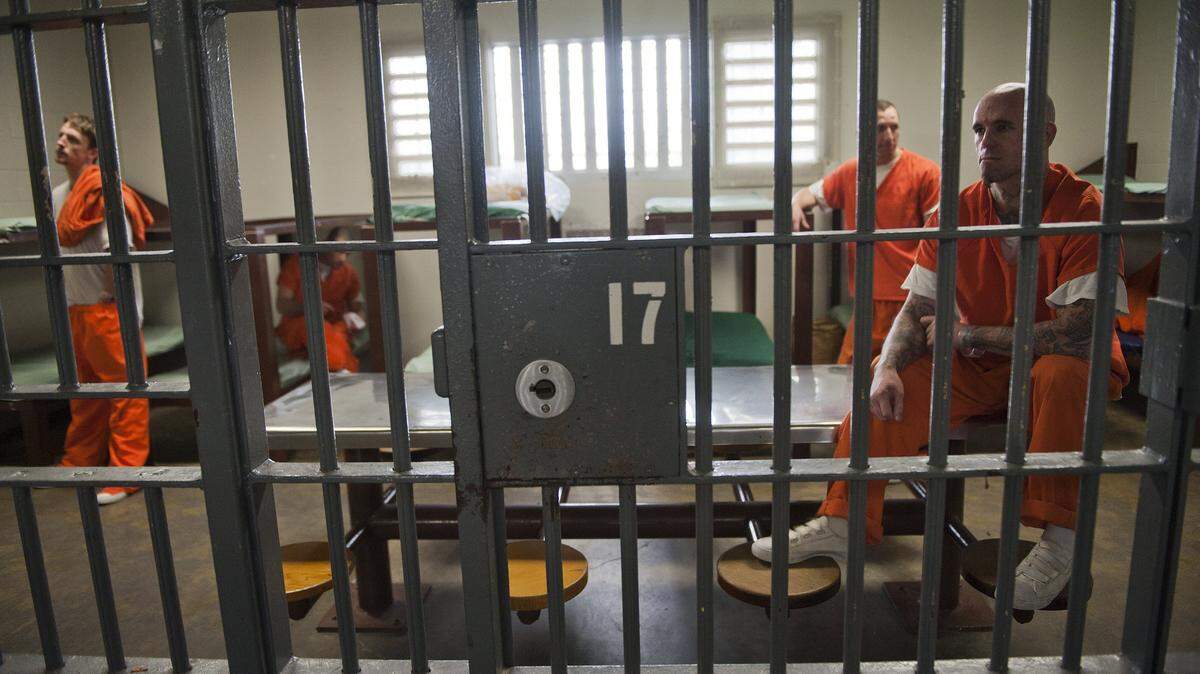
California lawmakers have joined a chorus of incarceration-reform advocates — including the author of “Orange Is the New Black” — in demanding reforms over how county sheriffs spend money they collect from inmate phone calls and commissary items, calling the system an abuse and pledging legislative changes.
Their outrage follows a Sacramento Bee investigation that detailed how the Sacramento County Sheriff’s Office has regularly dipped into its inmate welfare trust fund while spending comparatively small amounts on programming for inmates.
Instead, Sheriff Scott Jones’ office has used the cash to pay for parking lot improvements, surveillance cameras, airline flights and even hotel stays on the shores of Lake Tahoe.
“As soon as I saw the story I immediately contacted the office of inspector general and asked him to do an investigation to see what recourse, if any, the Board of Supervisors might have,” Sacramento County Supervisor Patrick Kennedy said.
The board may need to create a new policy, he said. “But first we need to do an investigation and get all the facts.”
The Bee’s review of financial ledgers found that the Sheriff’s Office has accumulated a roughly $7 million dollar fund balance off of the fees it charges inmates and their families to make phone calls and buy items, such as toothpaste and ketchup packets.
While originally intended “solely” for the benefit of incarcerated people, a change in how the law was worded nearly 30 years ago gave sheriffs broad discretion in how to spend the inmate welfare fund. Instead of education for inmates and programs to help them re-enter society, the Sacramento County sheriff has spent much more of the money on salaries, maintenance and travel for its own staff.
Assemblyman Reggie Jones-Sawyer, D-Los Angeles, on Wednesday pledged that he would advocate for a bill in the next legislative session that bolsters transparency and puts guardrails on how sheriffs can spend inmate welfare funds.
Jones-Sawyer, chair of the Assembly Public Safety Committee, said he was unaware that Gov. Gavin Newsom vetoed a similar bill last September until he read The Bee’s investigation.
“If I had read the veto letter, I guarantee you I would have had a bill on the floor moving forward with whatever recommendations or whatever the governor felt was a problem,” Jones-Sawyer told The Bee. “I guarantee you now, next year, we’re going to come back with a bill to remedy that because, as we can see now, that bill was needed last year and is needed this year.”
The money collected from inmates and their loved ones is supposed to be “primarily” for the benefit of those locked inside. Counties can also use it for salaries, maintenance and other purposes “deemed appropriate by the sheriff.”
And they have. Jones’ staff used the fund to purchase a $1.45 million camera system in 2018 — the single most expensive purchase listed in financial records reviewed by The Bee. They also took more than $900,000 from the welfare fund to pay for radio leases, surveillance cameras, and inmate tracking software.
In the past two years, the staff spent at least $12,000 for flights and lodging, apparently for conferences. The spending also has included $1 million for parking lot improvements, $150,000 for perimeter fences, and more than $15 million in employee salaries since 2014.
“This is flat out abuse,” wrote Assemblyman Bill Quirk, D-Hayward, in a statement on Twitter.
Quirk wrote that his previous efforts to cap phone call fees were met with pushback because the money goes to inmate welfare funds that support people in custody. “When we challenged expenses like radios, vehicle upgrades, the sheriffs said ‘it all benefits inmates’ ...yeah right!” Quirk’s tweet read.
Those equipment and salary expenses have historically come from the department’s general fund, which relies on county taxpayers, instead of the inmate welfare fund, which is built on the backs of the incarcerated and their families.
“What it looks like is the sheriff uses this budget not to care for people but instead to continue to build his power and expand the criminal justice system,” said Tifanei Ressl-Moyer, a co-founder of the advocacy group Decarcerate Sacramento. “The Board of Supervisors has a responsibility here too. They don’t have a lot of control of all the intricate responsibilities of the sheriff day to day, but they do have control of the budget.”
‘How are we going to rehabilitate ourselves?’
The bill Newsom vetoed last September, SB 555, would have capped fees and limited how sheriffs could spend the revenue that goes into the inmate welfare fund. It would have required the money be used solely for incarcerated peoples’ benefit.
Despite having support from more than 50 justice-related organizations, Newsom vetoed it after facing opposition from the California State Sheriffs’ Association. They warned the in-custody programming could be hindered if the bill became law — a rationale Newsom largely echoed in his veto letter.
Jones-Sawyer isn’t so convinced. Either way, there needs to be more transparency and accountability about what precisely this money is being spent on, he said.
“We need to shine the light on all of this so that we can get the outcomes that we want,” Jones-Sawyer said.
In some years, more than 9 out of every 10 dollars from Sacramento’s inmate welfare fund was spent on personnel salaries, benefits, training and facility maintenance. Salaries and maintenance accounted for between 66% and 93% of the money spent from the inmate welfare fund.
Meanwhile, programs that directly benefit inmates, like the law library and inmate education, account for, at most, 31% of expenses. Most years, those programs cost less than $1 million, The Bee found, and those expenses hardly changed in at least the last two fiscal years.
After settling a federal civil rights lawsuit in 2019, the Sheriff’s Office was ordered to improve treatment services and in-custody programming. But a monitor’s report from February said the Sheriff’s Office was only providing inmates “a very limited range of activities to participate in when they are released from their cells.”
Some said religious services and materials were lacking, according to the report. Others said that inconsistent access to computers made it impossible to make any progress toward education degrees or other credentials.
The meager spending on programming is apparent to inmates, too.
Jamaine Barnes, who is awaiting trial for a federal case at the Sacramento Main Jail, told The Bee that resources like the law library and schooling could use some extra money.
“They’ve denied all the federal inmates, and especially (accused) murderers in state cases. They don’t get access to programs,” Barnes told The Bee on a phone call that cost his wife 21 cents a minute. “If we don’t get any programs, then how are we going to rehabilitate ourselves?”
Sheriff invokes ‘Orange Is the New Black’
The Sheriff’s Office would not answer The Bee’s questions about the spending and declined to comment about the findings. After the story was published Tuesday morning, the Sheriff’s Office in a Facebook post defended its use of the money.
“Remember when the ladies of Orange is the New Black would buy snacks from the commissary?” the post began. “Or the fee they paid to make phone calls? That money adds up, but where does it all go?”
The post then listed a dozen or so programs the money has helped pay for including “vocational welding, automotive repair, custodial, barista and warehouse/forklift training (to) prepare participants for reentry to our communities.”
“Landscaping, engraving skills and wild horse training are mentored by business minded effective professionals giving students the confidence to obtain livable-wage jobs,” the post continued.
Officials then cited, without evidence, data about recidivism rates being as low as the single-digits in Sacramento County, ostensibly as evidence that the department’s use of inmate welfare funds is more effective than elsewhere in California.
“#Facts” they wrote.
Hours later, Piper Kerman, whose bestselling memoir “Orange is the New Black: My Year in a Women’s Prison” inspired the wildly popular Netflix series, shared The Bee’s story on Twitter. “This is a system of punishment, not ‘getting people back on their feet,’” she wrote.
She also added to the string of comments on the sheriff’s Facebook post.
“GET MY NAME OUT YOUR MOUTH, this is an obscene, perverse line of horse manure,” she wrote. “...This post is WACK LIES.”
This story was originally published July 15, 2021 at 8:59 AM.