
On eve of trial, feds ask to drop yearlong prosecution of UC Davis Chinese researcher
In a surprise move days before the trial was to begin in Sacramento for a Chinese researcher accused of lying to gain entry to the United States, federal prosecutors asked a judge late Thursday to dismiss the case.
On Friday, the judge did so, freeing Dr. Juan Tang to leave the country.
The motion filed in federal court in Sacramento asks U.S. District Judge John A. Mendez to dismiss the remaining count against Tang, a prominent cancer researcher who came to the United States in December 2019 to conduct research at UC Davis.
Her trial was set to begin Monday on a charge of lying on her visa application about whether she had been a member of the Chinese military. Mendez previously had dismissed a separate count charging her with lying to the FBI because agents violate her Miranda rights by not advising her that she did not have to answer their questions.
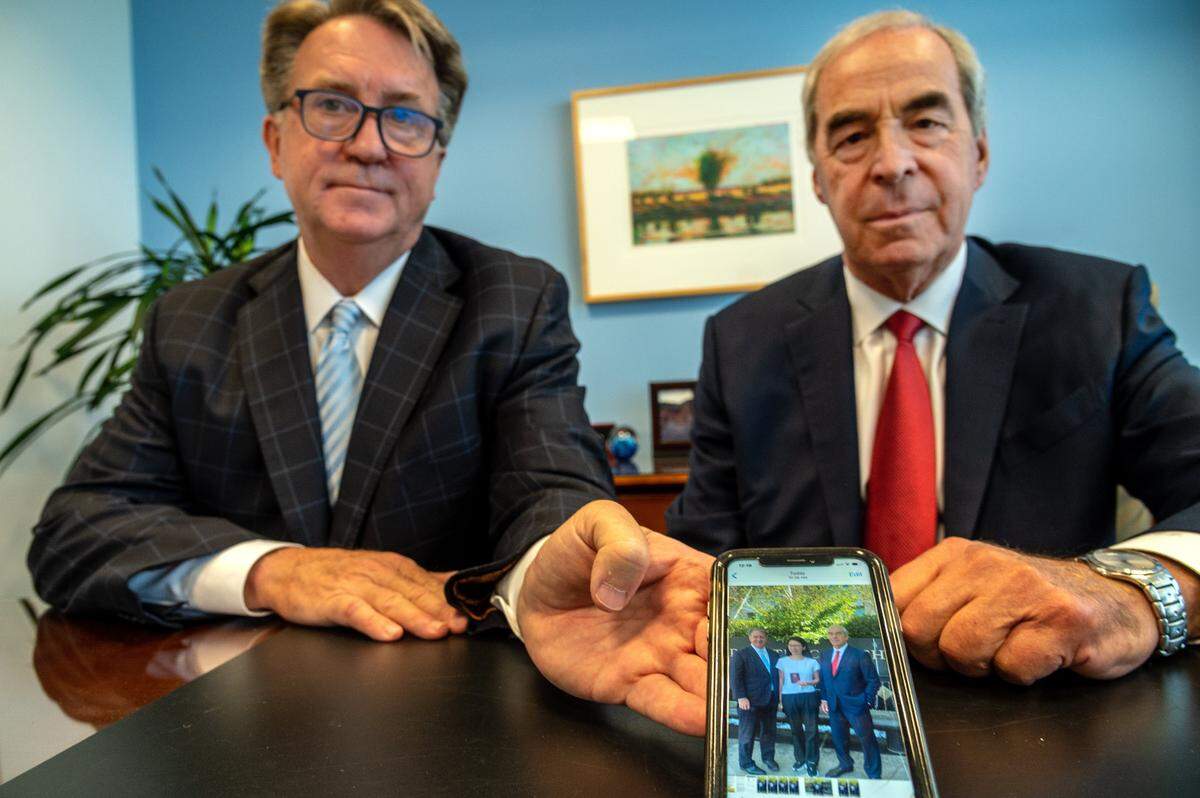
Her Sacramento-based attorneys, Malcolm Segal and Tom Johnson, had argued that the doctor was not a member of the Chinese military but had worked as a civilian at a Chinese military facility and had done nothing wrong.
They had pressed for the case to go to trial and were preparing for a motion hearing Friday when the government filed its motion to dismiss.
“We are glad that the government decided to dismiss,” Segal and Johnson said in a statement released to The Sacramento Bee. “We provided ample reason to do so. It was teetering anyway.
“We hope Dr. Tang is allowed to return to her daughter and husband on her own.”
The motion by Assistant U.S. Attorney Heiko Coppola gave no reason for seeking the dismissal, and acting U.S. Attorney Phillip Talbert declined to comment.
On Friday, Mendez signed an order formally dropping the case, and Tang had her GPS ankle bracelet removed, her Chinese passport returned and she headed toward a flight home to see her mother, husband and 9-year-old daughter for the first time in a year.
Tang’s case is one of dozens initiated by the Trump Administration through its “China Initiative” in 2018 to prosecute alleged instances of trade secret theft and economic espionage by researchers who were accused of lying about their backgrounds to obtain access to American research institutions on behalf of the Chinese military.
Those cases and Tang’s had exacerbated tensions between the Chinese and U.S. governments, with concerns that Americans in China might find themselves detained.
Tang never was able to begin her cancer research at UC Davis because the coronavirus pandemic shut down the lab where she was to work.
She was preparing to return to China in June 2020 when FBI agents questioned her at the small Davis apartment she was living in with her mother and young daughter.
She subsequently went to the Chinese consulate in San Francisco and remained there for weeks until she emerged for a doctor’s appointment and was taken into custody by the FBI.
Initially, Tang was held at the Sacramento County Main Jail but later was allowed to remain on house arrest at the Bay Area home of a Chinese-American lawyer who offered to put up his home as collateral.
Tang since was allowed to move into a hotel in Sacramento pending the start of her trial, and this week was given permission to venture out with an investigator to shop for clothes to wear during trial.
Her attorneys said it was not immediately clear how soon Tang will be allowed to return to China and her husband and young child.
Tang’s lawyers have argued that photos of her wearing a military-style uniform that investigators found on the internet did not indicate she was actually a member of the Chinese military.
And, they noted, the charge of lying on her visa application likely would have resulted in a six-month sentence at most, less than the 10 months she spent in the jail and at the Bay Area home under house arrest.
This story was originally published July 22, 2021 at 4:54 PM.