
COVID booster shot: Is it necessary and who can get it?
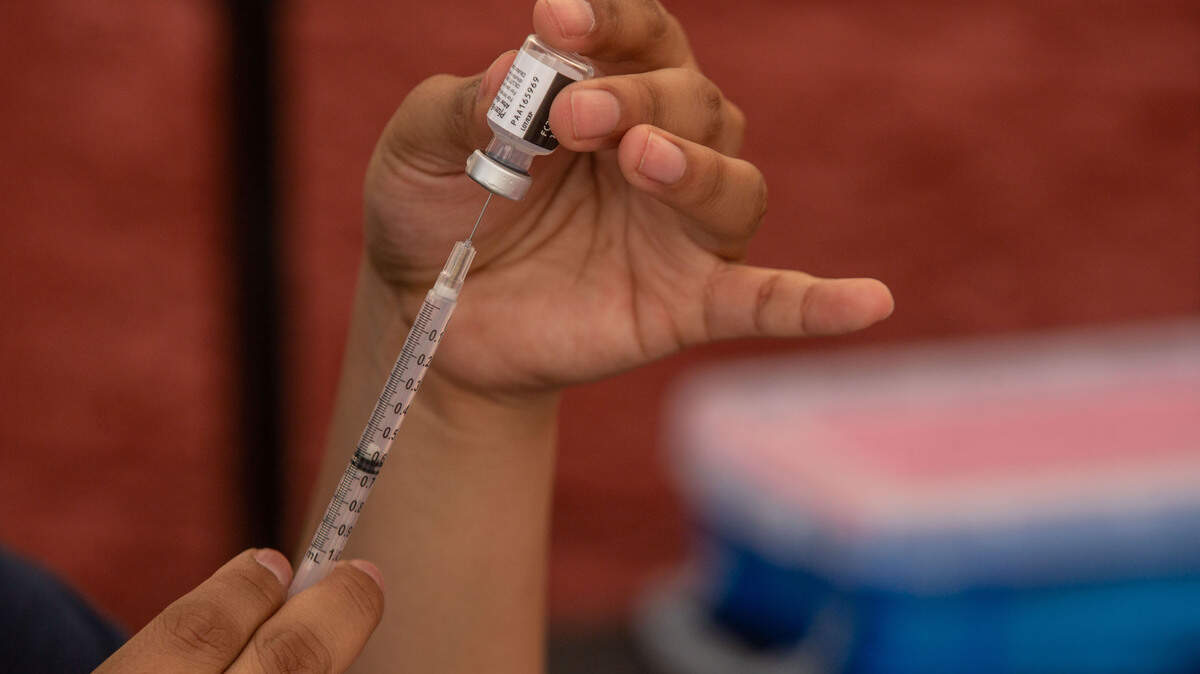
An advisory panel for the Food and Drug Administration (FDA) met last Friday and determined that booster shots of the Pfizer vaccine are not necessary at this time for all people 16 years and older.
During the meeting, government officials, scientists and other public health experts debated the necessity of boosters for the general public, when they should be administered and what part of the population should receive them.
The panel did vote in favor for an extra dose of the Pfizer vaccine for Americans 65 years and older and high risk individuals 16 years and over.
However, the FDA needs to officially authorize these booster shots, which they will likely decide whether or not to this week, the New York Times reports. A panel from the Centers for Disease Control and Prevention (CDC) will also be meeting this week to talk about booster shots before announcing recommendations.
Previously, the FDA authorized a third dose for individuals that have weak immune systems. The CDC echoed this recommendation, updating on their website that “people with moderately to severely compromised immune systems” should receive an additional dose at least 28 days after their second dose of the Moderna or Pfizer shot.
U.S. health officials had announced a plan in August to make booster shots available for everyone beginning Sept. 20. In a joint statement, medical experts and public health officials said that while COVID-19 vaccines are effective in reducing disease, hospitalization and death, data shows that protection decreases over time.
But scientists and other medical experts are raising concern over the booster plan, stating that there is not enough data yet.
According to a review published in The Lancet by international scientists, which include officials from the FDA and World Health Organization, the COVID booster shots are not necessary for everyone.
“Current evidence does not, therefore, appear to show a need for boosting in the general population, in which efficacy against severe disease remains high,” the group wrote.
The scientists said that an additional shot could be helpful for people with weak immune systems. However, they add that it is not known yet if these individuals would reap more benefits from getting a third dose of the same vaccine or from a different vaccine.
They also wrote that booster shots may eventually be necessary for the general public due to waning immunity or new variants, but careful assessment of new data is needed first.
Here is a guide with the latest information regarding coronavirus vaccine supplemental shots.
I’m not immunocompromised. Can I still sign up for a booster?
The CDC does not recommend any other group right now, other than individuals that have moderately to severely compromised immune systems, to receive the third dose.
The plan to roll out additional doses for the general public, those 65 years and older and people who have a high risk of contracting severe COVID is still subject to approval by the FDA and a recommendation by the CDC. Individuals can expect more guidance from the FDA and CDC this week.
What’s the difference between the third dose and the booster?
The third dose and booster have the same dosage and ingredients as the COVID vaccine mRNA shots.
The difference in the terms pertain to who is receiving them. “The third shots for immunocompromised patients are simply referred to as ‘third shots’” because these individuals didn’t have the adequate immune response from their first two doses, a representative from University of California, Davis Health said.
The booster shot is for the general public and is called as such because they “boost” immunity.
Do I qualify as immunocompromised for the third dose?
According to the CDC, moderately to severely immunocompromised people entail individuals that:
Are undergoing active cancer treatment due to tumors or blood cancers
Have advanced or untreated HIV infection
Had an organ transplant and is currently under medication to suppress their immune system
Have moderate to severe primary immunodeficiency
It is advised that people discuss with their healthcare provider to determine if an additional dose is necessary for their medical condition.
Do I need the booster if I got the Johnson & Johnson vaccine?
The FDA’s authorization and CDC recommendation for third doses currently apply to mRNA coronavirus vaccines only, which includes the Pfizer and Moderna vaccine. Booster shots for the Johnson & Johnson vaccine are still pending data.
What if I have a weak immune system and I received the Johnson & Johnson vaccine?
At this time, the CDC states, that there isn’t enough data yet on whether or not an additional dose of the Johnson & Johnson vaccine will improve antibody response for those that got the vaccine and are immunocompromised.
Does Moderna have booster shots?
Similar to the panel discussions for the Pfizer vaccine booster shots, the FDA and CDC will need to convene and review data before they determine who needs a Moderna booster shot and when.
Can I get a different vaccine for my third dose?
No, for the third dose, you’ll need to get the same mRNA vaccine you received the first two times. In the case that Pfizer or Moderna is not available or records of your shots are unknown, then either vaccine can be used.
Are there side effects to the third shot of the COVID vaccine?
While there is not enough information on the risks of booster shots, the CDC reports that the symptoms of the third dose were similar to the two previous mRNA shots. This includes mild to moderate side effects, such as fatigue and soreness at the site of injection.
Where can I sign up for a third dose?
Immunocompromised California residents can sign up for their third dose on the state’s scheduling system.
Individuals in the Sacramento area can also schedule their third jab at the UC, Davis Health website. Be sure to bring your COVID vaccination card so that the provider can update your records.