
Four decades after Robin Brooks’ slaying, trial starts in Phillip Lee Wilson rape-murder case
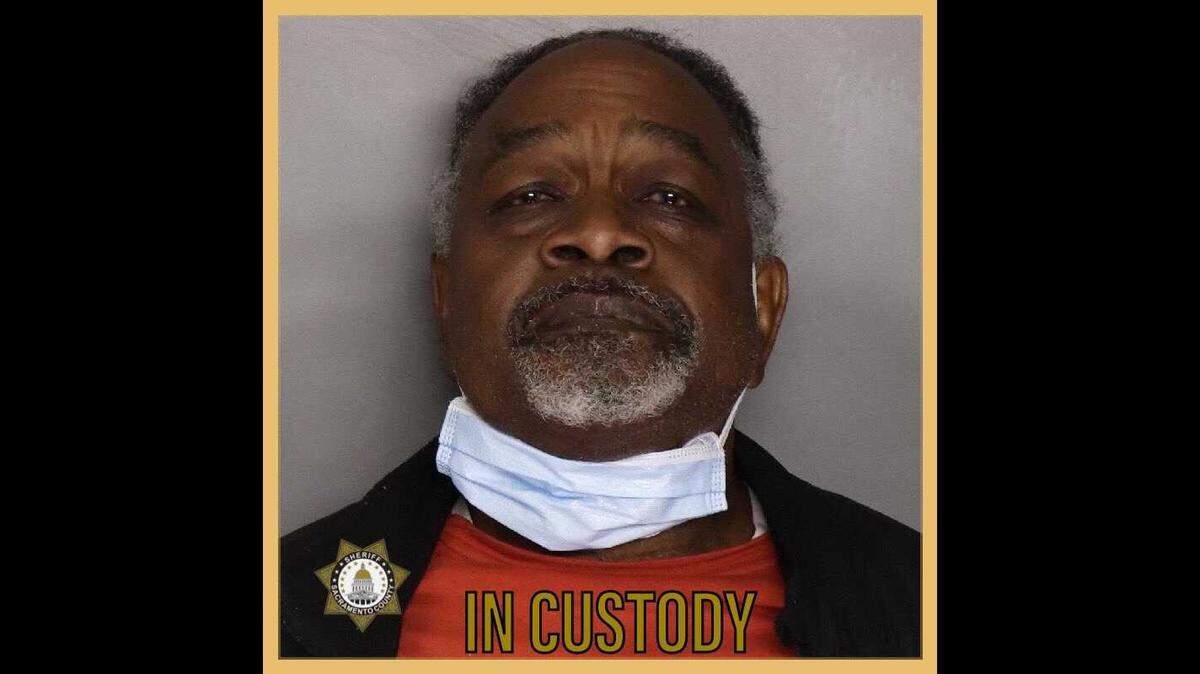
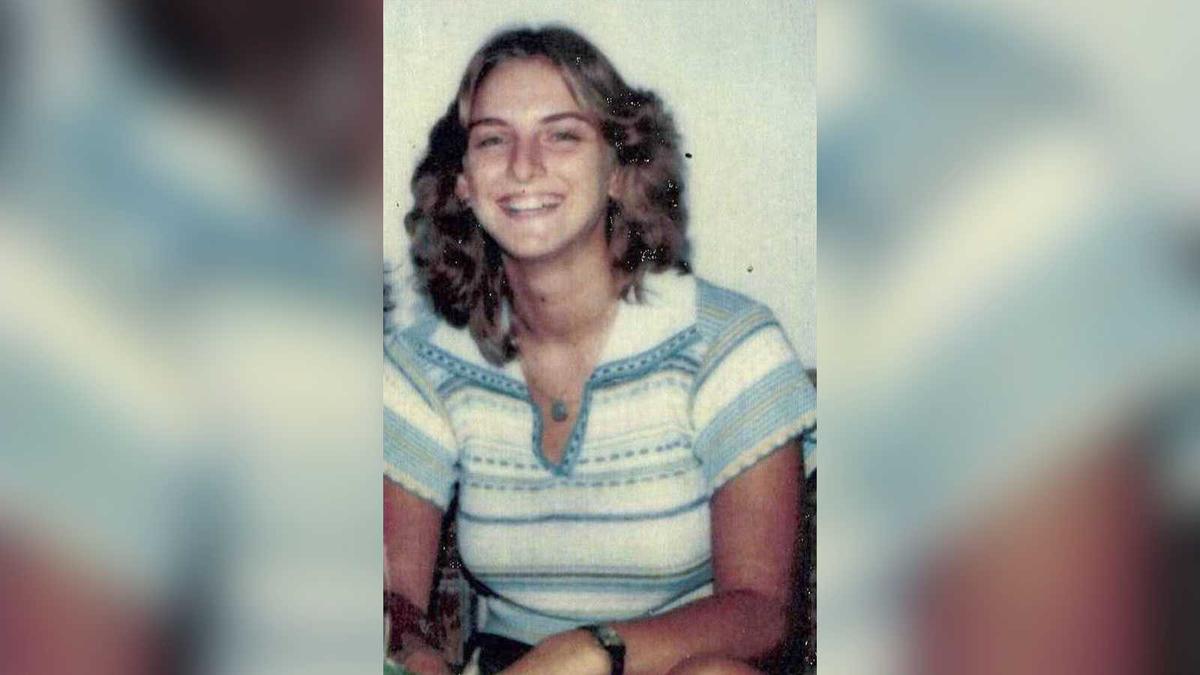
Forty-two years after Robin Brooks was raped and stabbed to death inside her Rancho Cordova apartment, a jury on Wednesday began to hear the damning evidence that led authorities to arrest Phillip Lee Wilson two years ago and charge him with murder.
His blood was inside her apartment, Deputy District Attorney Timothy Carr told the Sacramento Superior Court jury in his opening statement.
DNA from semen found with the slain 20-year-old doughnut shop worker matched Wilson’s, Carr said.
And his prints were found at the crime scene.
“He knew Ms. Brooks from the doughnut shop, he became obsessed with her,” Carr said as the 72-year-old defendant sat in a wheelchair watching quietly as Carr displayed photos of the young woman’s nude, lifeless body on a courtroom video screen. “He snuck into her apartment through a window while she was sleeping.
“He bound her, he raped her, he killed her with a knife.”
Wilson’s lawyer, Assistant Public Defender Thomas Clinkenbeard, didn’t dispute the evidence that led authorities to arrest Wilson decades after the crime.
The DNA was Wilson’s, as was the blood, Clinkenbeard conceded.
But not because he’s a killer.
“This is a case about a man who had a consensual sexual relationship with his neighbor 40 years go, leaving behind his DNA before she was killed by another person,” Clinkenbeard said, suggesting instead that Brooks may have been killed by her sister’s volatile boyfriend at the time, a deceased former Sacramento man named Norbert Holston.
“You will learn after the murder that this man admitted to law enforcement that he had broken into Robin’s apartment,” Clinkenbeard said. “He broke into her apartment. He admitted it.
“The exact same window that law enforcement suspected the murderer climbed through.”
The dueling versions of who killed Brooks on April 24, 1980, come as District Attorney Anne Marie Schubert’s office is trying to notch another courtroom victory using its expertise in DNA evidence.
The trial is underway in the downtown courthouse’s largest courtroom, the same one where prosecutors won a conviction of NorCal Rapist Roy Charles Waller in 2020 based on DNA he left behind years earlier, the same one where hearings were held for Golden State Killer Joseph James DeAngelo, who also was brought to justice by DNA evidence.
The prosecution theory in the Brooks case is that Wilson, who lived in the same Rosemont apartment complex as Brooks, knew her from his visits to the Donut Time shop where she worked nights and became obsessed with her.
Carr told jurors Brooks died from five stab wounds to her chest area, including a fatal one that pierced her heart, and that Wilson cut his hand in the attack, leaving behind his blood.
He also said he planned to call another rape victim as a witness, a woman identified as “Sharon Doe,” who was attacked inside her apartment not far from Brooks’ three weeks before the slaying.
That assailant was a masked man who attacked the victim while he was armed with a knife, Carr said. Although the case was never solved, Wilson had been questioned about it at the time.
“I will say that Sharon Doe in the days since her assault saw a man that she believed to be her assailant at her apartment complex,” he said. “She reported it to police, that man was contacted.
“That man is the defendant, Mr. Wilson. He was interviewed and released.”
Clinkenbeard countered that Wilson was cleared at the time in the first assault.
“That was investigated thoroughly when recollections were fresh, when witnesses were available,” he said. “Law enforcement was diligent, and Mr. Wilson was essentially exonerated.
“These allegations were disproved back in 1980, but we’ll deal with them again in 2022.”
He said a fingerprint found on the inside of Sharon Doe’s door did not match his client, and that the victim at the time described her attacker as being 5-foot-11.
Wilson was 6-foot-4 and 400 pounds at the time, making it difficult to believe he could have entered Sharon Doe’s yard to break in, Clinkenbeard said.
“The evidence will show that the actual rapist had to scale a 6-foot fence, and the evidence will show that my 400-pound client did not scale a 6-foot fence,” he said.
Authorities haven’t said specifically what led them to take a look at Wilson two years ago as a suspect in the Brooks slaying, but Carr told jurors that detectives retrieved items from trash at his home and recovered DNA that correlated to that from the Brooks slaying.
“The case was never truly closed,” Carr said.
But Clinkenbeard said the DNA evidence is meaningless, that Brooks and Wilson were neighbors, that Wilson frequented the doughnut shop and that he and Brooks smoked marijuana together and were intimate.
He also told jurors that Wilson worked in a warehouse where injuries were common, and that the blood in Brooks’ living room came from a small cut Wilson had gotten at work. The blood was found in her living room, not the bedroom where she was stabbed on her waterbed, he said.
He said Brooks’ sister, Maria, had a boyfriend at the time — Holston — who was a much more likely suspect, and that the couple had fought in the days before the murder, and Holston had threatened both women.
“Nelson Holston was a volatile man, a man with a very hot temper, a man who was controlling, a man that Robin Brooks was not happy her sister was dating,” Clinkenbeard said. “She was concerned for her sister.
“Her sister was, in fact, afraid of this man.”
Clinkenbeard added that Holston called Robin Brooks at the doughnut shop and warned her that if she let Maria come live with her to get away from him “I will kill both of you.”
Carr dismissed that notion, telling jurors detectives investigated Holston at the time.
“The evidence will show that he was investigated and cleared by law enforcement,” Carr said.
Brooks’ older sister, Maria Arrick, was the first witness to testify Wednesday and agreed with Carr, saying Holston was sleeping with her the night of the murder and that she is “a very light sleeper” who would have known if he had left the bed that night.
The trial is expected to continue into next week.
This story was originally published February 16, 2022 at 1:53 PM.