
Is American River Parkway safe? Sacramento-area residents rattled after Emma Roark slaying
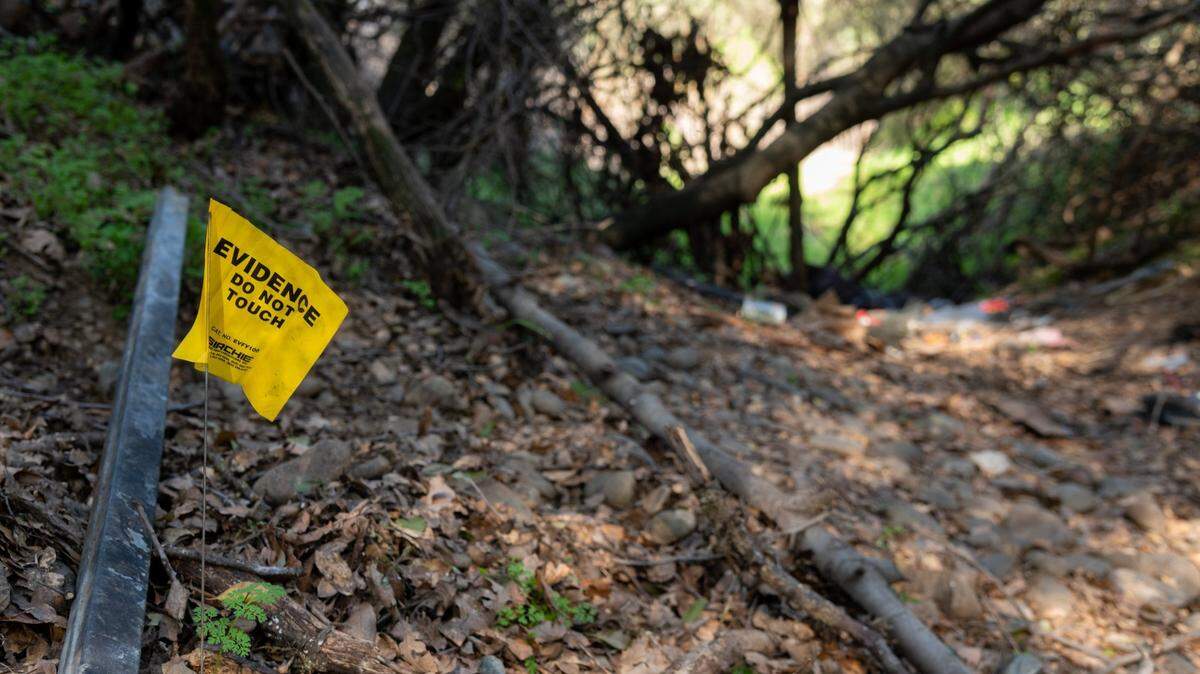
Two weeks before Christmas in 2017, Sheryl Kent arrived at her Rancho Cordova home near the American River Parkway looking to catch up on some holiday chores.
“I was going to decorate the Christmas tree,” Kent said. “I hung my purse on the door and literally within five minutes of getting home my purse is gone and all the presents I was going to wrap that were on a shelf were gone.”
A burglar had gotten inside the home, apparently grabbing a bag from inside the garage and stuffing it with her belongings, including a piggy bank with $200 in coins and a cellphone, then slipped out as she and her husband called 911.
The burglar, a homeless man named Mikilo Morgan Rawls who had been living along the parkway behind Kent’s home, was arrested down the street and six months later pleaded no contest. He was sentenced to 365 days in jail, then given credit for 369 days of time served and released.
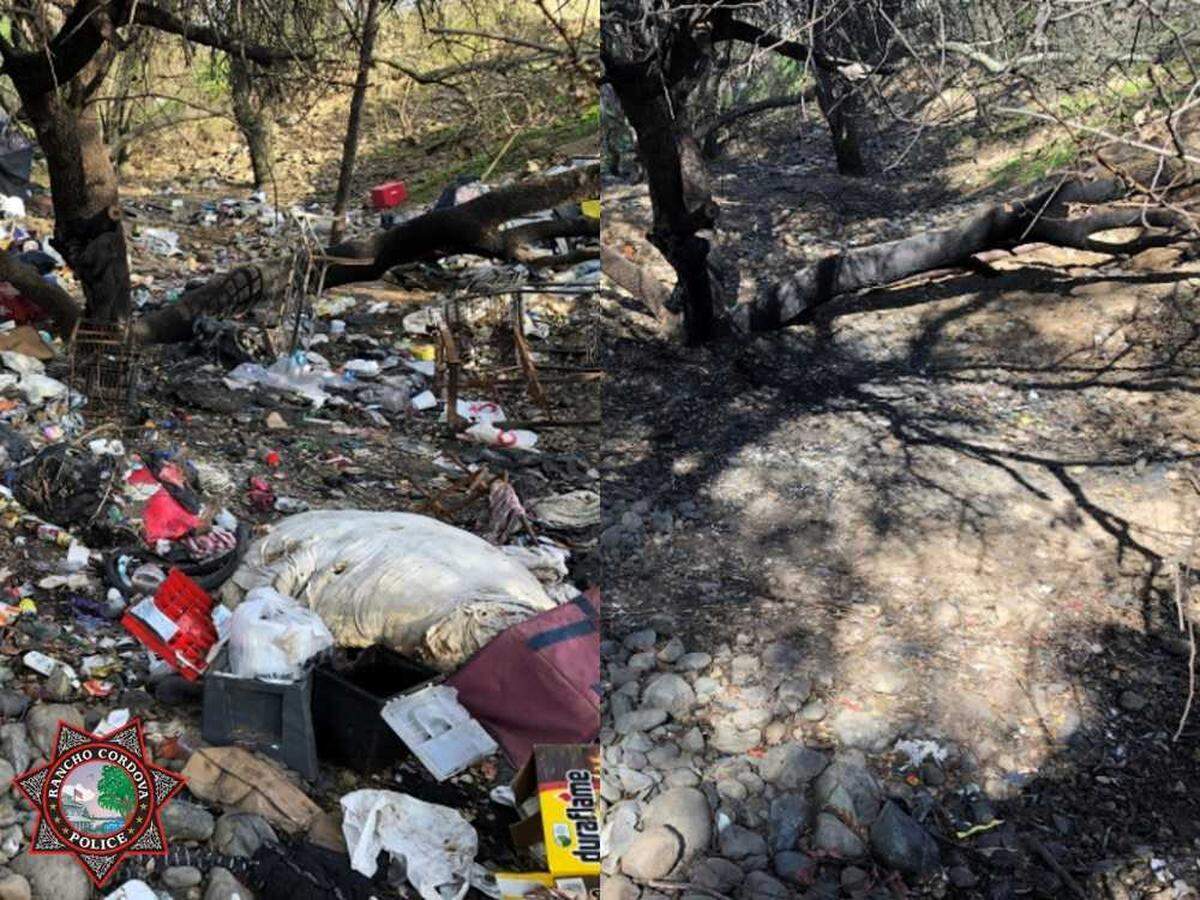
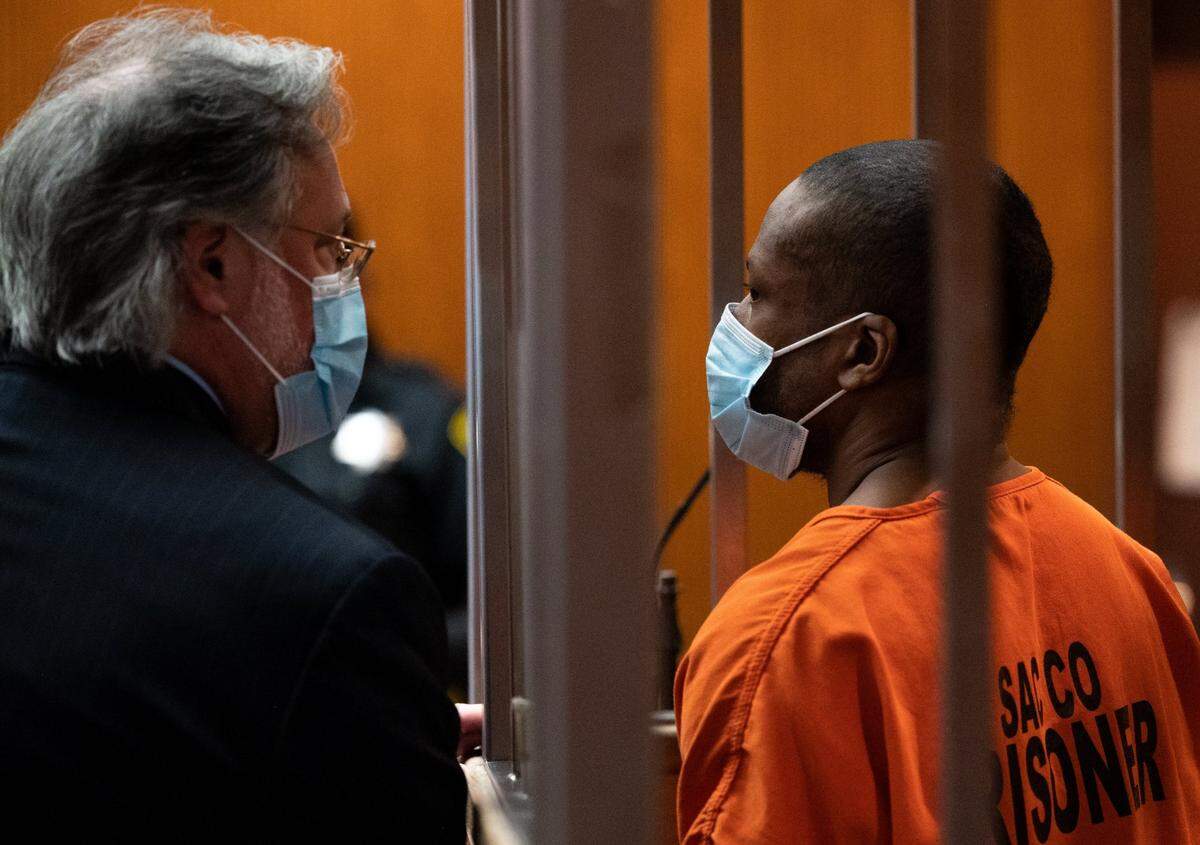
For the next five years, the 37-year-old Rancho Cordova man continued to live along the parkway in an encampment near Ambassador Park until his arrest Feb. 11 in the brutal sexual assault and slaying of 20-year-old Emma Roark, a woman accustomed to spending time shooting photographs along the parkway.
“It was very scary,” Kent said in a recent interview about the burglary. “He could have killed us just as easily as he killed her.”
Neighbors see campsites rising
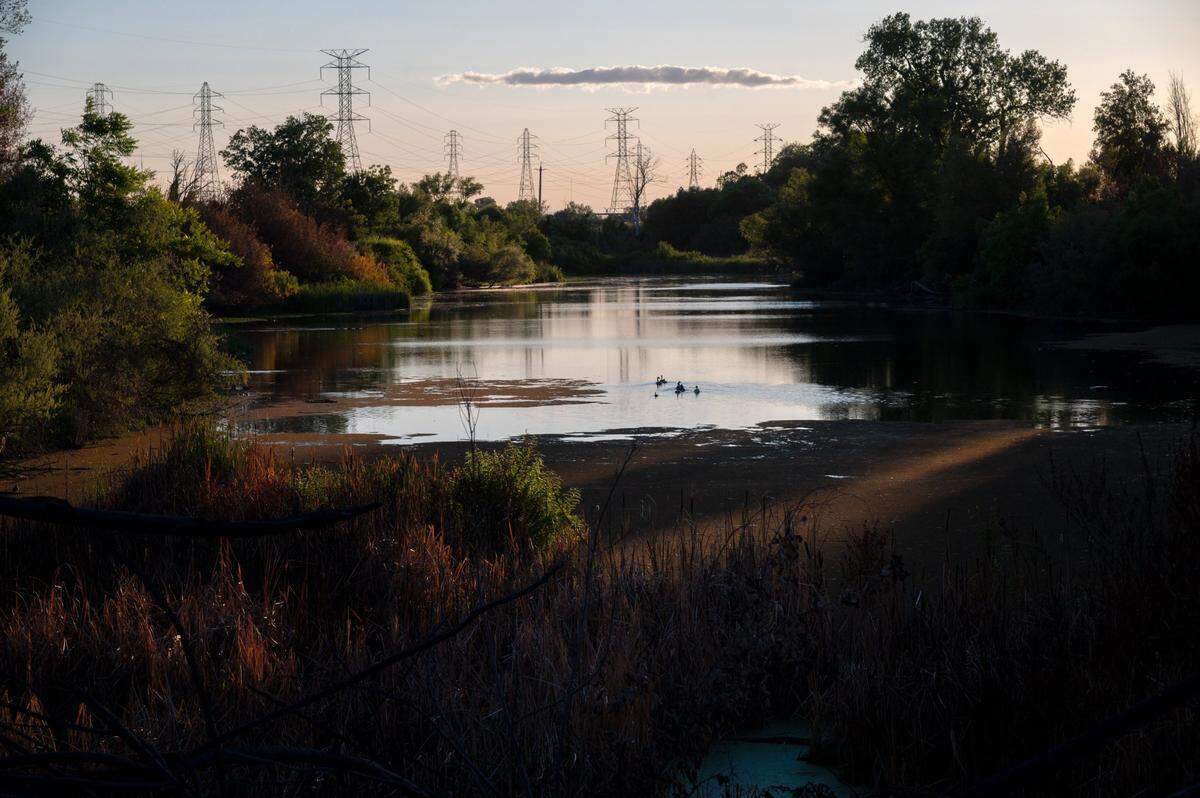
The arrest of Rawls, who faces murder and rape charges that could lead to a death penalty prosecution, has rattled residents of the Sacramento region who use or live near the parkway. Some say the number of camps along the parkway has made them hesitant to use the 32-mile parkway, which for years has been considered the crown jewel of the area’s outdoor spaces.
“I go down there all the time,” said Victoria Harris, a retired urban planner who lives on Rossmoor Drive not far from where Roark’s body was found Feb. 1 inside a campsite surrounded by brush and trees. “Ever since that girl was killed, I have been a lot more afraid of going down to the park.”
Harris said she frequently rafts the river, and has noted the increasing number of campsites she floats by.
“Why should they be using our prime real estate?” Harris asked. “If I wanted to go down the river and camp overnight with my raft, I’m not allowed to do that because there’s no camping in the park. But if I’m homeless I can live in the park? That’s not right. I feel unsafe, and I feel like the homeless population is more important than the people who live around the parks.”
Such sentiments were echoed at a meeting last month in a Rancho Cordova church, where about 400 area residents turned out for an update by law enforcement and city officials about the Roark slaying and the homeless situation along the American River.
“Homelessness is not a crime,” Walter Little, director of the Rancho Cordova Food Locker, told the crowd as speaker after speaker rose to complain about problems in the area they attribute to transients. “We need to have compassion.
“I’m begging you.”
But Little’s view was in the minority as speakers talked of how Roark’s killing had affected their view of the area.
Slaying ‘is not reflective of this community’
“This is out of control,” said Mike Koe, an American River fishing guide. “I live here. I want safety.”
Officials hosting the meeting emphasized that the Roark slaying, while tragic, is an aberration and should not produce animosity toward homeless residents looking for shelter.
“Many families are one paycheck away from losing their homes, from losing the roof over their heads,” said Rancho Cordova City Manager Cyrus Abhar. “This terrible crime, this terrible incident, is not reflective of this community.”
“These are terrible circumstances, very, very tragic,” added Sacramento County Chief Park Ranger Leonard Orman.
But he added that the parkway is safe for people using the area for recreation during the day.
“I know it doesn’t feel like it as we sit here right now, but the parkway is a safe area,” he said.
Other law enforcement leaders say there are legitimate questions about the safety of the area, both for people using it for recreation and homeless residents who find themselves victims of assaults and other crimes.
“I would not go to the parkway, nor would I suggest to my friends or my family that they go to the parkway,” Sacramento District Attorney Anne Marie Schubert said in an interview in her office after Rawls’ arrest. “I mean, I live in this world. I see what’s going on, the warrants, the requests for warrants, the facts.
“We have a significant problem that needs to be addressed.”
13 unsolved transient homicides
Schubert added that portions of the parkway upriver from downtown are safe, but that violent crime — both by and against homeless individuals — is not unusual in areas near downtown.
“Imagine what it’s like for a female transient woman on the parkway, or a female with a drug problem who’s out there,” Schubert said.
The region’s homelessness problem has been growing for years, and Schubert blamed decriminalization of drugs, reductions in supervision of people on probation and a lack of appropriate shelter and treatment for increasing problems.
“In less than a year, our office has either filed or been aware of 13 murders that involve transient victims or a transient suspect, and not all of them are solved,” she said.
Sheriff Scott Jones echoed her concerns about the parkway.
“It’s certainly less safe than it used to be,” Jones said. “I think it’s less safe than people who use the parkway deserve. ...
“I would not let my wife and kids go on the parkway without protection.”
Rawls lived on parkway for years
Whether anything could have been done to get Rawls off the parkway and into some kind of treatment or shelter is unknown.
He had been living along the river for years not far from where his mother lives, and had a lengthy history of involvement with law enforcement and park rangers dating back to a weapons charge in 2005.
Court records, which list his address as “general delivery,” show that in May 2020, he was cited by park rangers for possession of a black pellet rifle with a scope on the parkway and released with an order to appear in court Aug. 10. He failed to appear and a bench warrant was issued.
In October 2020, while he was still on probation for burglarizing Kent’s home, he was arrested again and charged with resisting a sheriff’s deputy, possessing a stun gun, possession of tear gas by a felon and possessing narcotics paraphernalia, court records say. He was booked and released four days later and ordered not to use or possess illegal drugs.
Two months later he was back in custody, charged with possessing a .45-caliber bullet near the El Manto access point to the parkway. He pleaded no contest and was given a 105-day sentence and a year of informal probation.
This story was originally published March 28, 2022 at 5:00 AM.