California churches celebrate first full, in-person Easter gatherings since COVID pandemic
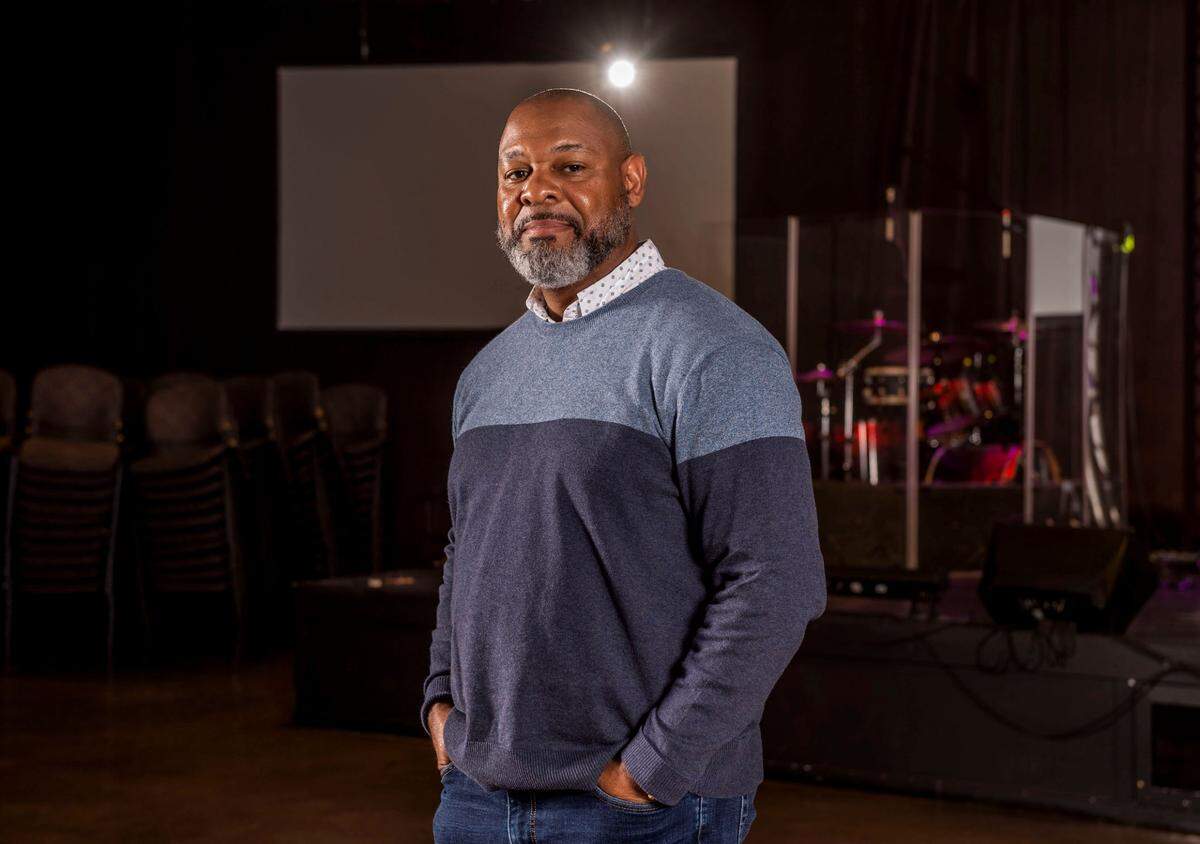
Before coronavirus, roughly 3,300 people would attend Midtown Church in Sacramento any given weekend. The church offered six services a week.
But last Easter, in the throes of COVID-19, the church had less than a third of its parishioners on-site, co-pastor Efrem Smith said. A majority participated in online worship through video livestreams.
Today, out of the pall of the pandemic, they find their way back.
“To be able to come together in worship and prayer and have an experience of community and unity and deeper connection, and not just watching service on my laptop or TV or phone, I do believe there’s something healing and transformative in that,” Smith said.
For many places of worship, the past two years have been one of the most difficult, confusing periods in their history.
Just as prayer was needed most — in the face of the worst pandemic in a century, which has now killed more than 6 million people and infected more than half a billion worldwide — government officials in California made an unprecedented call: Church gatherings were listed among activities deemed too risky to proceed as a novel virus began to spread.
A few large churches would go on to openly defy state and local health officials, claiming persecution or otherwise unfair treatment.
Some sued.
But most pivoted. They shut their doors. They held services on a drive-up basis in their parking lots. They shifted to virtual gatherings. Some held prayer meetings on the front lawn of their grounds, if the weather allowed.
After nearly 25 months marred by four waves of infection and an accompanying yo-yo of health protocols, Sunday marks the first Easter since 2019, and one of the first of any major religious observances, to be celebrated largely free of the specter of the coronavirus.
The pandemic is not over, but COVID-19 numbers are near all-time lows. And neither state nor local health orders in the Sacramento region set any limitations that would significantly hamper Easter and Passover celebrations.
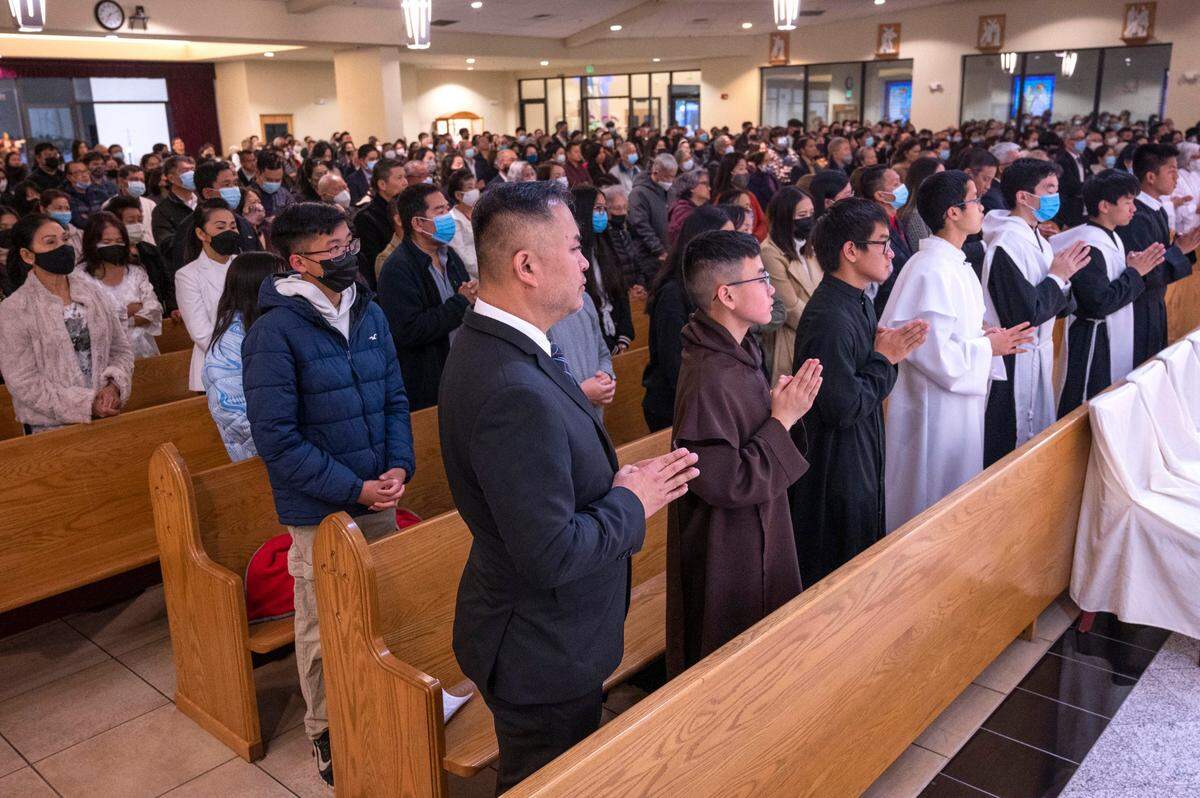
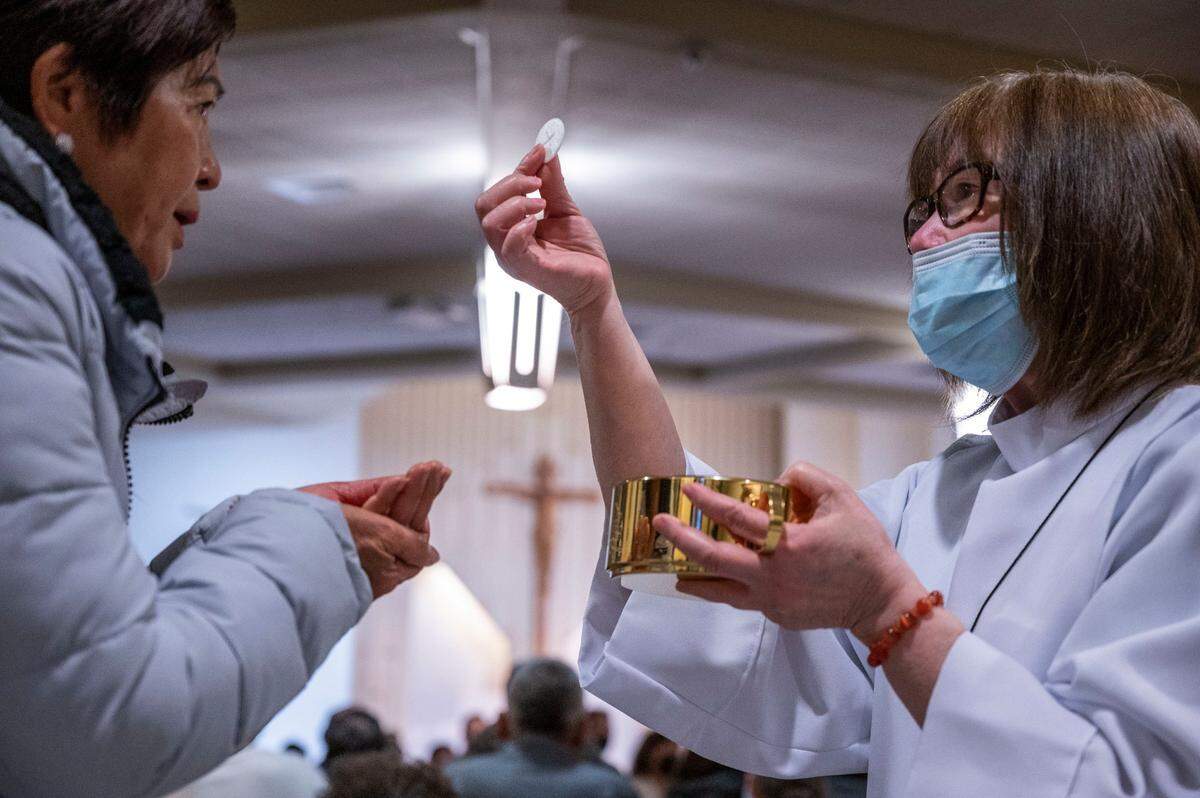
That means Sacramento-area churches and synagogues can observe the holidays much the same as they did pre-pandemic. Many of them will do so — some with precautions in place like showing proof of vaccination — while also giving options for congregants to watch live online.
But they won’t ignore recent years’ events.
The theme for Easter Sunday service at Midtown Church’s campuses in midtown and Elk Grove is “The Comeback” — a reference to both the resurrection of Jesus from the dead, and a call to action for parishioners emerging from two years of the pandemic.
Some are recovering from COVID-19, or grieving the loss of a loved one, or stabilizing after financial hardship, Smith said.
“There are some folks that were so excited just to be a greeter at the parking lot or the door, so excited to sing with people in the same room.”
Bayside Church, which has large campuses in Folsom, Roseville, Davis and Granite Bay, will hold Easter service at each of them, with video also streamed on its websites and social media pages. The Davis campus, which marked Easter last year from its courtyard, will head back inside its 325-seat auditorium at Veterans Memorial Center, per the church’s website.
South Sacramento Christian Center Les Simmons, pastor of South Sacramento Christian Center, said that this year’s services will also have modifications.
The church will still practice social distancing, but masks are optional, he said.
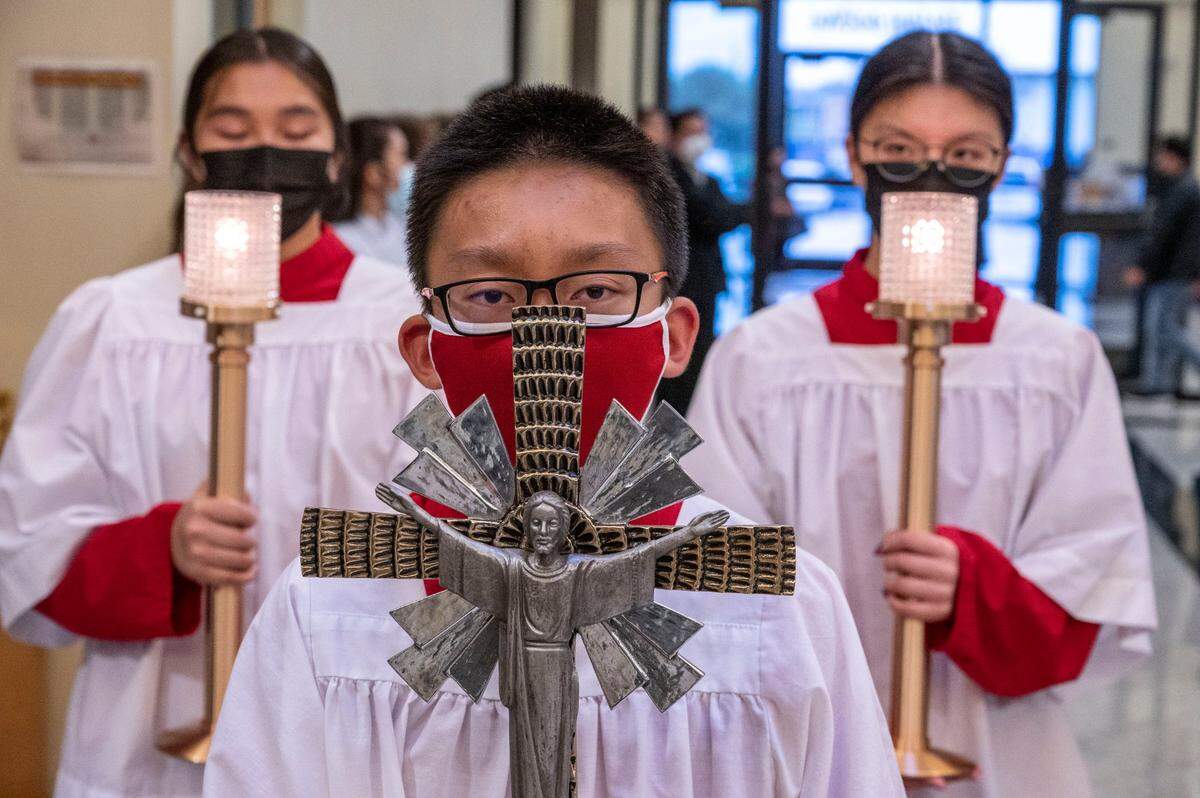
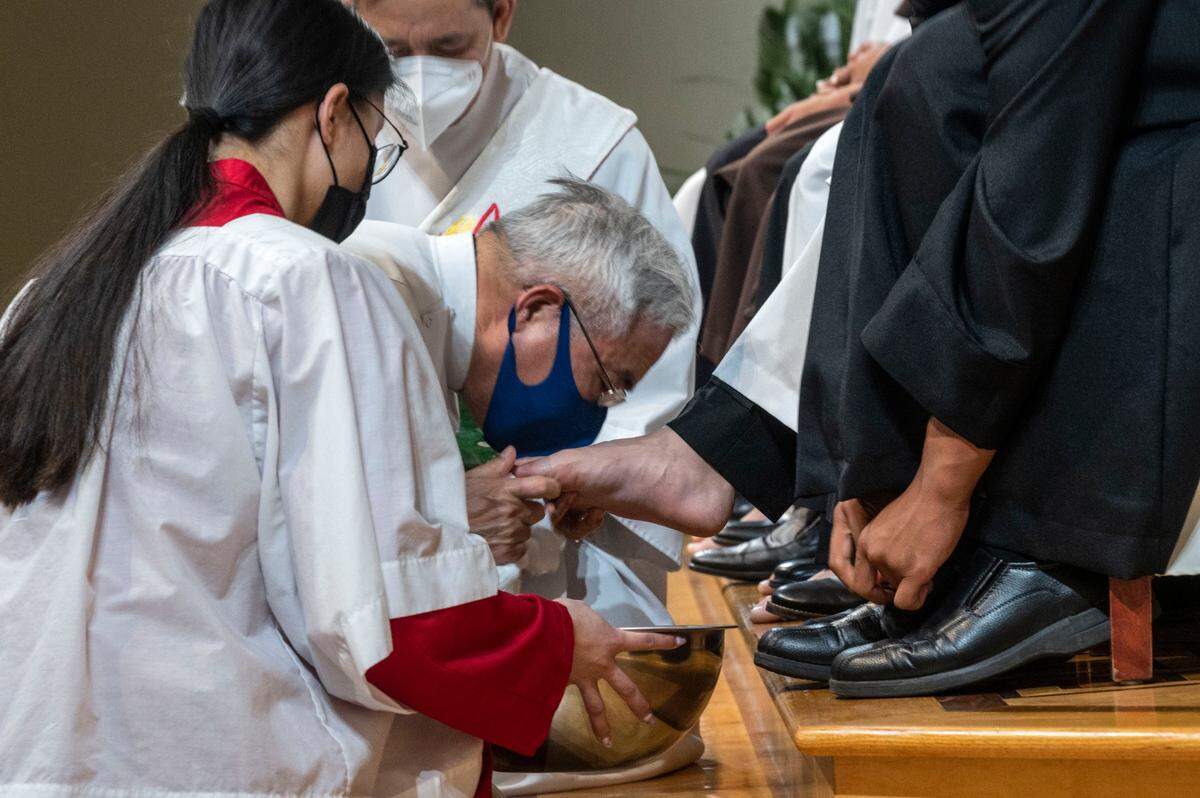
On Good Friday, Sacramento-area Catholics carried a processional cross through the streets of downtown, starting at Crocker Park and ending two hours later at Cathedral of the Blessed Sacrament near 11th and K streets.
Months ago, many had hoped this return to normalcy would come by last Christmas.
The virus instead erupted for a second straight winter, soaring to its highest caseload yet as the wildly contagious omicron variant took over. California reverted for two months to mandatory indoor masking as it braced for more severe illness and death.
Easter in the early weeks of COVID-19
The theme of resurrection is likely to be in full force in this year’s sermons and prayers, given the events of the past two years.
In 2020, Easter fell less than a month after California entered stay-at-home restrictions that shuttered pews during the point of most uncertainty in the then-emerging crisis.
As officials grappled with a still-unknown virus, even outdoor gatherings at that point were barred, effectively relegating religious services to online-or-nothing.
“If we know from medical professionals what is necessary to preserve life, this is a religious act of love,” Cecilia González-Andrieu, an associate professor of theology at Loyola Marymount University, said at the time regarding whether congregations should adhere to health guidelines.
Not everyone agreed. Church worship within weeks became one of the biggest points of contention regarding virus restrictions.
A week before Easter, a Lodi church planning to meet for Palm Sunday was instead met with police officers enforcing a local health order that prohibited the in-person service.
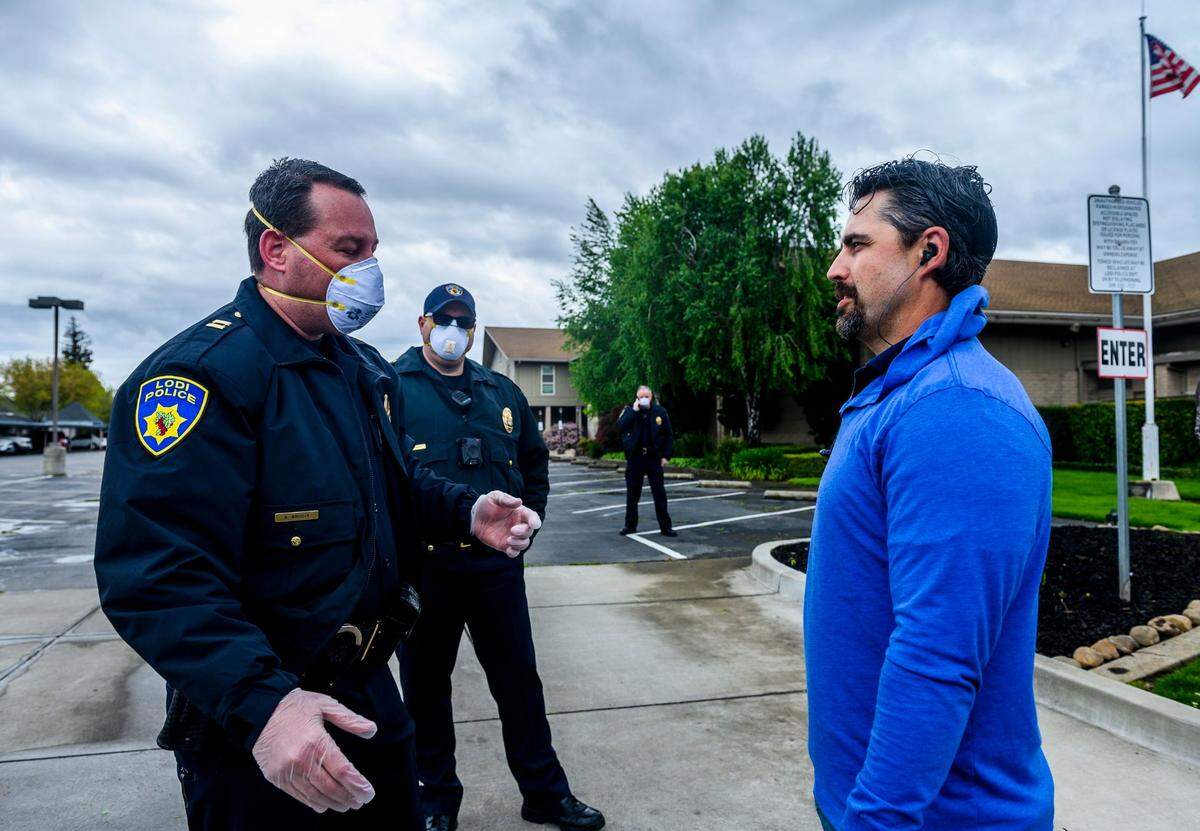
The church, Cross Culture Christian Center, sued the state and eventually received a $100,000 settlement plus $400,000 in legal fees.
That same month in Sacramento, county health officials linked one of the area’s first known large clusters of COVID-19 cases to a Pentecostal church near Rancho Cordova.
The county’s then-health director Dr. Peter Beilenson publicly identified the church, Bethany Slavic Missionary, after officials had linked it to 71 infections – about one-fifth of the county’s overall tally at the time.
Bethany Slavic disputed claims that it was not taking the virus seriously, along with the county’s account that church leaders had told the local health office to leave the church alone.
Three days before Easter, the two sides reached a “collaboration” following a 45-minute conference call between church leaders and county health officials, a county spokesperson said at the time.
.JPG "SAC_PK_CORONAVIRUS_4577 (1).JPG")
Supreme Court overrules California’s church ban
By April 2021, California’s virus numbers and outlook had improved significantly.
The U.S. Supreme Court had also freshly overruled Newsom administration restrictions banning places of worship from convening in-person in counties with high virus numbers.
“The state’s present determination — that the maximum number of adherents who can safely worship in the most cavernous cathedral is zero — appears to reflect not expertise or discretion, but instead insufficient appreciation or consideration of the interests at stake,” Chief Justice John Roberts wrote in his concurring opinion to the 6-3 decision in favor of a San Diego-area church that had sued.
California churches by Easter last year were allowed to open at up to either 25% or 50% of their normal capacity, depending on the level of community COVID-19 spread.
But not all did so, as the state at that point remained only a couple of months removed from the end of a brutal surge that killed more than 30,000 Californians that winter.
Among them: Friends. Loved ones. Parents. Congregants. In some cases, pastors.
Several Sacramento-area churches tread with caution last year, keeping Easter services online-only. Some moved them outdoors. Many that did convene held events like socially distanced egg hunts, or instructed worshippers to stay with their family units, keeping physical distance from other families.
Vaccines were still a little more than a week away from rolling out to the adult population at large. To that end, churches throughout the pandemic have served as some of Sacramento’s largest community sites for COVID-19 vaccination and testing, including St. Paul Missionary Baptist, Liberty Towers and Rosemont’s Capital Christian Center, all three of which still offer weekly vaccine clinics.
.JPG "SAC_DMK_1809 (1).JPG")
Passover, and prayers for peace
Mona Alfi, rabbi of Congregation B’nai Israel in Sacramento, said her congregation will be praying for peace, freedom for all and a “sense of safety in our homes” during Passover, which began Friday and continues through this coming Saturday.
She called it unfortunate that, even with the pandemic appearing to subside, there are many other conflicts still in need of prayer.
“Sadly, the world may have gotten healthier in the past two years, but not safer,” Alfi said. “There’s a horrific war in Ukraine. There are still people of color who don’t feel safe walking the streets.
“We’re still a very polarized nation ... While we have vaccines, that’s great, we still need to live together in peace.”
Alfi said 2022 is the first year back to in-person Passover celebrations for the Land Park temple. Last year, B’Nai Israel held Passover over Zoom.
“In 2020, we didn’t do anything,” Alfi said. “We weren’t equipped as a congregation to celebrate.”
Resilience after Sacramento gun violence
The pandemic is just one of the hardships that California’s capital city will reflect upon during Easter and Passover.
“Just when we feel like life is returning to normal, we witness the worst mass shooting in the history of Sacramento,” wrote Michael O’Reilly, pastor of Cathedral of the Blessed Sacrament, in a bulletin promoting Easter service.
O’Reilly was referring to the April 3 shootout that left six dead and 12 others wounded in a volley of gunfire, which police have since described as a gang-related dispute.
The bloodbath happened one block west of the K Street cathedral.
“As we pray for those directly affected by this tragedy, we can’t help but feel something of the emptiness and great sadness caused by this senseless act of violence. ... We, too, are challenged to see that the dark moments we experience can all be signs of how much God is alive and with us.”
Simmons, the pastor at South Sacramento Christian Center, also called it a “really challenging time in our city, not only because of the pandemic and COVID exacerbating some of the social kind of challenges around health and equity, jobs and income insecurity, but with the cost of inflation, gas prices, the war in Ukraine, and then more recently, the city’s gun violence.”
Racial disparities and divisions also remain rampant, said Smith, the co-pastor at Midtown Church, and the city continues to experience tragedies.
“What makes this Sunday special is the fact that we’re back to being able to look out at the congregation, and see a diversity and a picture of our community that is so needed in times like these,” Smith said.
Another mass shooting took place weeks before the one downtown, this one inside a place of worship.
In February, a 39-year-old man fatally shot his three daughters, a chaperone and then himself during a supervised visit at The Church in Sacramento, a nondenominational church just outside city limits in Arden Arcade that had yet to return to in-person services and functions.
The slain chaperone was 59-year-old Nathaniel Kong, a church elder. In a statement mourning his loss, the church said Kong had a “servant’s heart.”
“Nathaniel loved to give, lived to give and ultimately died to give.”
This story was originally published April 17, 2022 at 5:00 AM.