
These 8 bugs could be in your Sacramento home this summer. Here’s how to prevent them
It’s that time of the year again: pesky, annoying insects have found their way into your home and you just can’t figure out how.
For starters, an insect’s recent stay may not be entirely your fault. As Sacramento’s weather continues to warm, all types of bugs are crawling out of cracks and crevices.
Soon the insects will be looking for a reprieve from the heat and your home is the perfect chill spot.
Besides the common ants, fleas, roaches and general spider visitors — Sacramento is known to harbor some tough critters carrying illnesses and even venom, ramping up the number of calls pest control experts receive.
“Everyone’s level of tolerance is different,” said Jayson Gaultney, Vice President of Direct Hit Pest Control in Rio Linda. “Some people see one bug and they’re calling pest control, it’s very individual.”
The Bee cited Direct Hit Pest Control’s guide to “Common Summertime Bugs near Sacramento,” and crossed referenced the list with Gaultney and other online resources to get a better idea of the type of bugs to expect, their habits and where they’ll most likely be found.
Here’s what we learned, plus how to best keep these bugs out of your home:
Box elder bugs
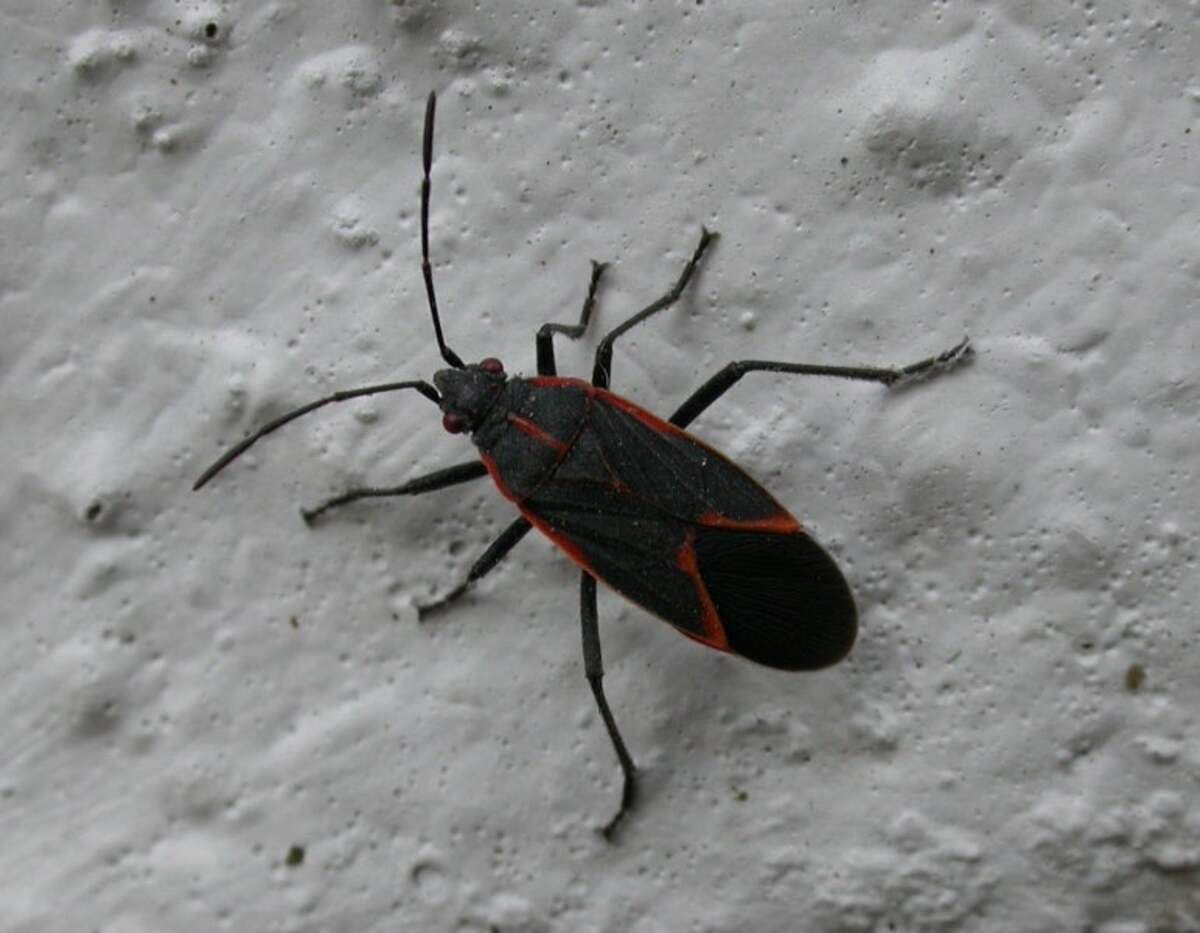
From the same family as stink bugs, box elder bugs have a flattened, elongated half inch oval-shaped body with six legs and two antennae, according to Direct Hit Pest Control. These insects usually enter the home in large numbers but typically don’t damage property — just stain surfaces.
“Generally when you start to see them, it’s pretty common to see a lot of them at once,” Gaultney said. “They kind of come in huge numbers because they tend to collect around specific trees and they get in a breeding cycle and next thing you know you have hundreds of them.”
Where you’ll most likely find them: in sunny areas within your home, particularly in small spaces where they can get the most warmth.
Cockroaches
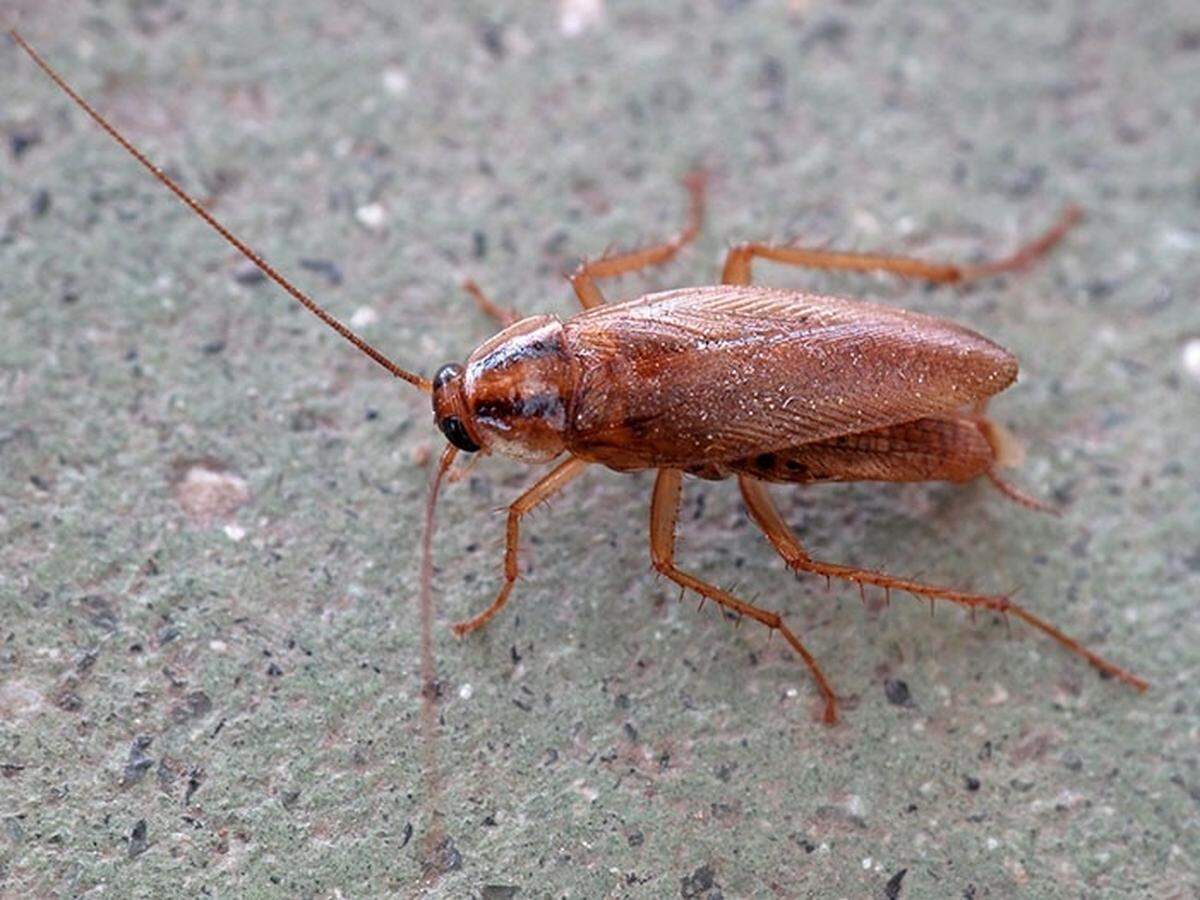
Roaches, including small German roaches traditionally found in food cabinets, are prevalent all year round. But the Turkestan roach has taken over the Sacramento area. These outdoor, sewer roaches are currently breeding, which means you’ll likely see a few the big crawlers summer, Gaultney said.
“There’s a lot of them outside so they get into the cracks and crevices around your foundation where the cement meets the foundation of the home, but they’re generally coming from the storm drains or the sewers,” he said.
Where you’ll most likely find them: in dark, damp places.
Black Widows
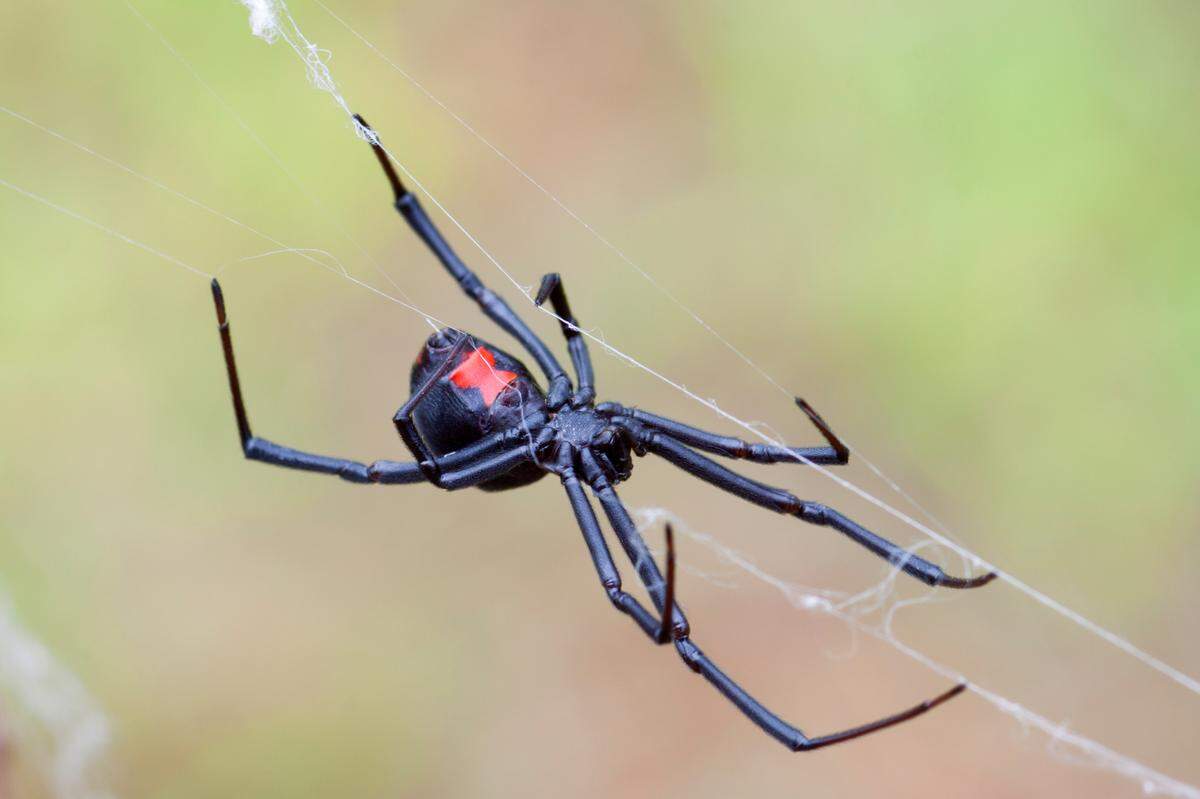
Spiders flourish during the summer, with a rise specifically in black widows. With venom 15 times stronger than a rattlesnake’s, their bite causes aches, nausea and trouble breathing, according to National Geographic.
“Black widows are more of a concern because they can be dangerous, they’re really the only dangerous spider per say that we have in our area,” Gaultney said. “Black widows do warrant a call to pest control.”
The spiders are extremely common in Sacramento during the summer but they’re hard to spot during the day because they hide in gaps and underneath objects, Gaultney said. Black widows are commonly identified by their strong web.
“Black widows are identified by their red hourglass marking on the underside of their shiny black abdomen,” according to Direct Hit Pest Control’s website.
Where you’ll most likely find them: in “low sheltered places” including firewood, foundation gaps, lawn furniture and outdoor toys.
How to know if you’ve been bitten: According to National Geographic, while bites can be fatal (more likely in babies, seniors and those who are sick), it’s not very likely you’ll die.
“In humans, bites produce muscle aches, nausea, and a paralysis of the diaphragm that can make breathing difficult; however, contrary to popular belief, most people who are bitten suffer no serious damage—let alone death.”
They only bite in self defense.
Springtails
The nearly invisible jumping springtails don’t sting or bite but they do cause trouble for house plants, according to Direct Hit Pest Control. The slender, elongated insects jump using their abdomen.
“Those guys come in huge numbers, they have detachings and they are very persistent,” Gaultney said. “They are resistant to pesticides, so they are pretty tough to kill.
Where you’ll most likely find them: in over-watered houseplant soil, indoor plumbing leaks and underneath outdoor mats.
House flies
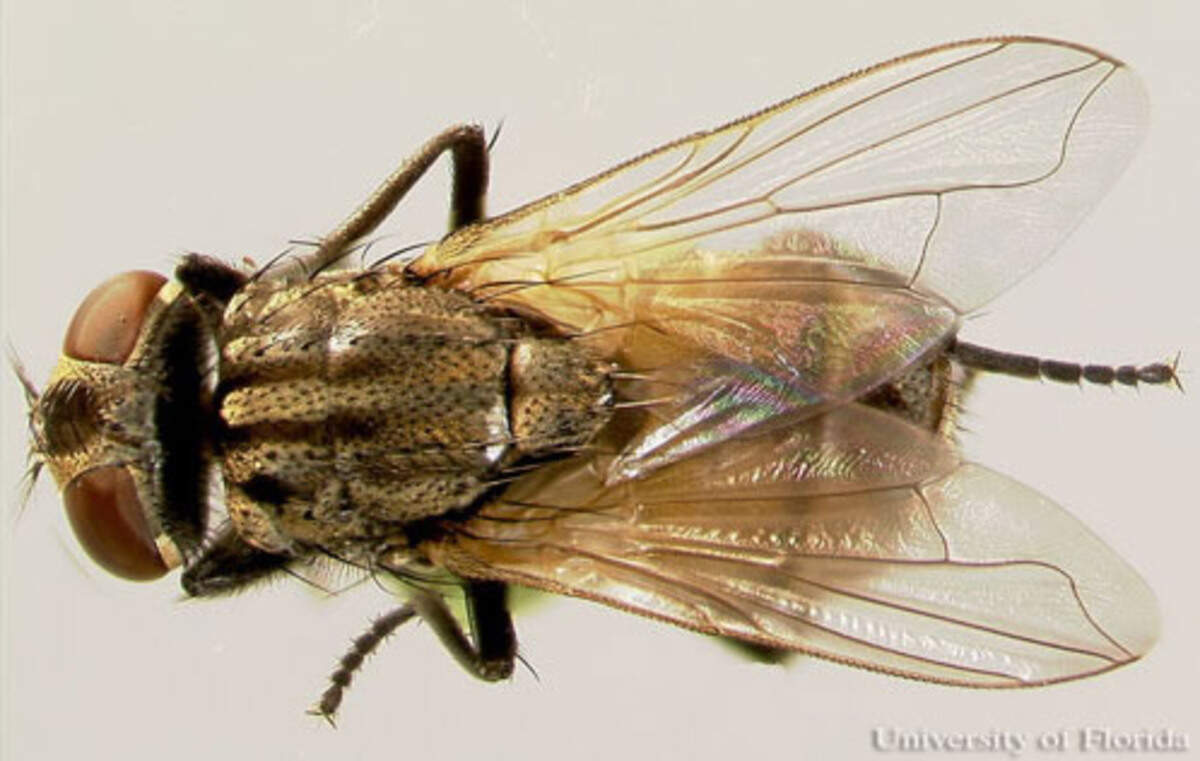
The house fly is the most common fly found in homes and while they only live up to 25 days, they reproduce fast and carry diseases, according to Direct Hit Pest Control. House flies enter the home through its “structural issues,” attracted to “cool air currents” on summer days.
“The main control for house flies is sanitation,” Gaultney said.
Where you’ll most likely find them: window sills, door cracks and garbage.
Midges
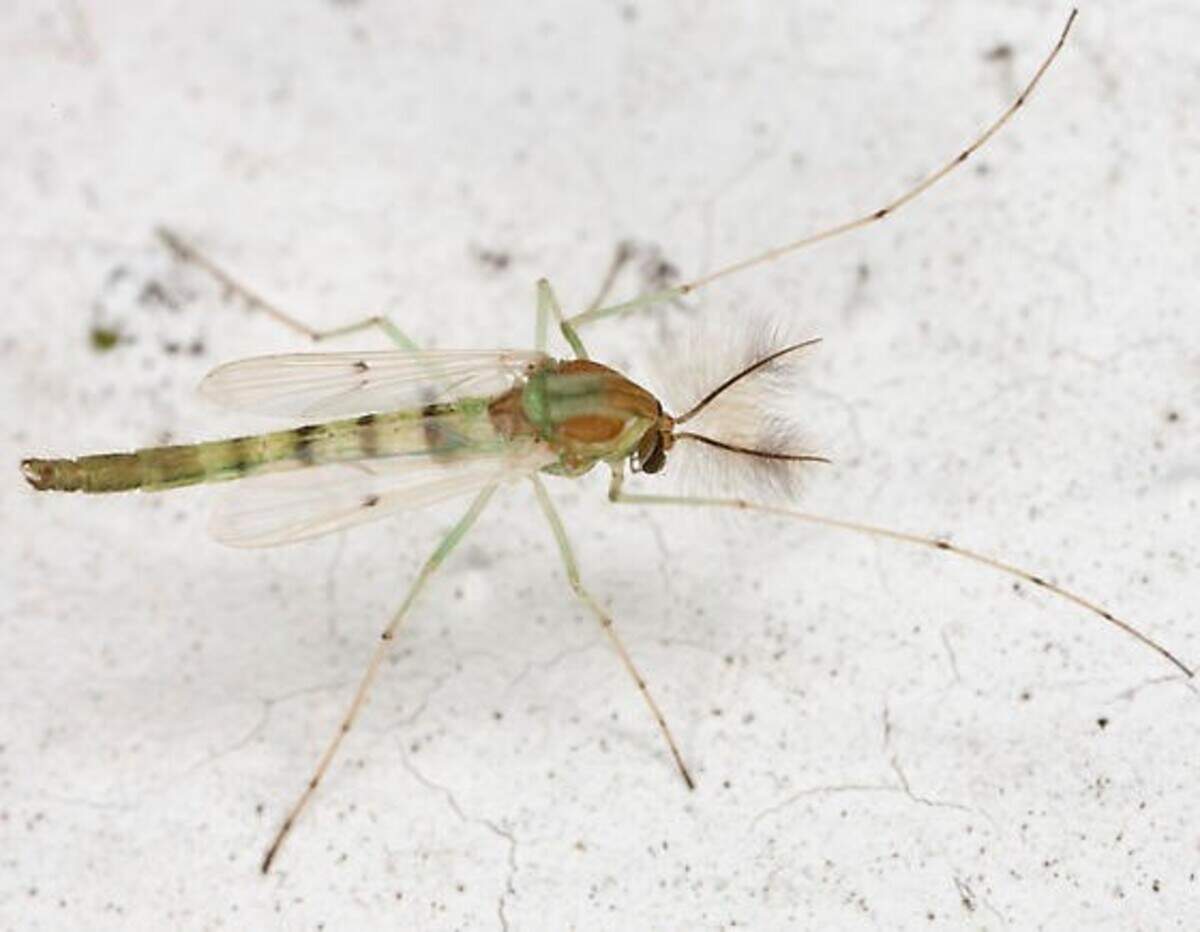
Tiny, six-legged midges aren’t very common but they can take residence in homes particularly where fruit is left out, according to Direct Hit Pest Control. The grey, blood sucking flying insects resemble mosquitoes and are often referred to as “blind mosquitoes,” according to the Missouri Department of Conservation.
“They are seasonal, they do come in big numbers, sometimes you’ll see little swarms coming through,” Gaultney said.
Where you’ll most likely find them: near open fruit.
Here’s how to specifically limit the number of house flies and midges in your home, according to the California Department of Public Health:
- Remove rotting organic material including meat, leaves, grass, clippings, household garbage and animal waste from the home.
- Use insect repellents with DEET, picaridin, oil of lemon, eucalyptus or IR3535.
- Turn off or limit lights at night.
- Cover human and pet food.
Gnats
Gnats are small, long-legged flying insects attracted to wet and damp areas, according to Direct Hit Pest Control. Some bite for blood and pass on illnesses.
Where you’ll most likely find them: near food waste and moist soil.
Thrips
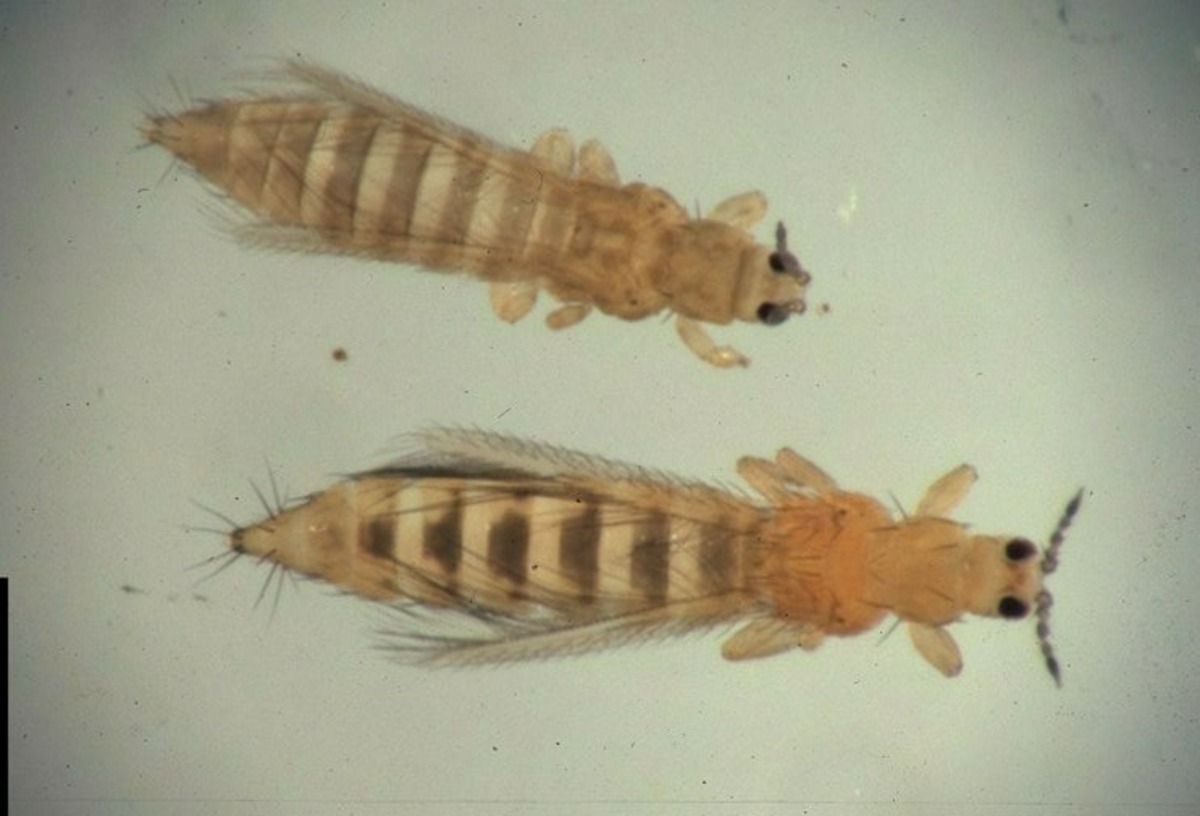
Out of the 6,000 species of thrips, most are only harmful to plants, according to Direct Hit Pest Control.
The tiny, slender winged bugs that do feed puncture the tissue of the host and “suck out the cell contents,” resulting in a discolored marking. Gaultney said they’re similar to midges in that they’re tiny, flying insects.
Where you’ll most likely find them: in onion, bean, carrot or squash plants.
How do I limit bugs in my home?
Pests and insects are attracted to a home for the same reasons you are: food, water and shelter — so eliminating those elements will force unwanted critters to move on, according to pest control company Ortho.
Here are a couple of tips to help keep the bug count in your home at bay, according to Ortho:
▪ Don’t leave gaps around doors and windows.
▪ Keep kitchen counters dry and clean.
▪ Sweep regularly.
▪ Keep the outside of your home debris-free.
▪ Kill bugs as you see them.
This story was originally published June 9, 2022 at 5:00 AM.