
Avian flu concerns are rising in California. How is the Sacramento Zoo protecting birds?
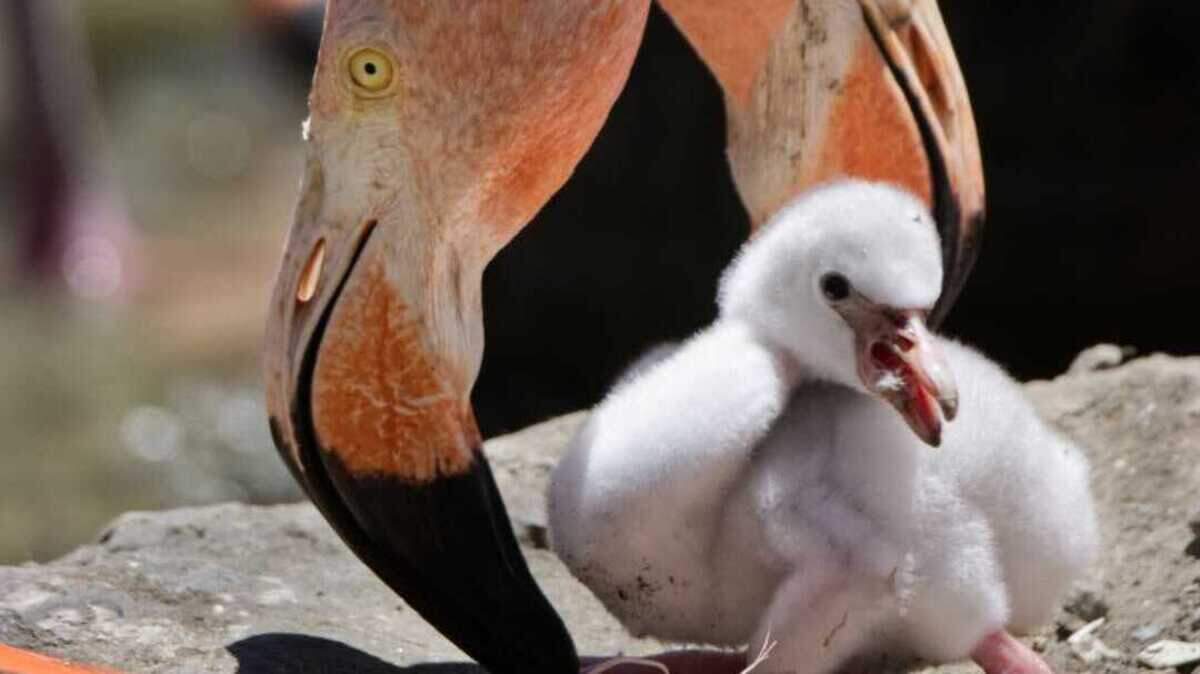
The detection of avian flu cases in Northern California has put the Sacramento Zoo on high alert, driving zookeepers to quarantine their flock of flamingos and drain the zoo’s lake exhibit.
On July 14, the California Department of Fish and Wildlife announced that avian influenza H5N1 had been detected in two Canada geese and one American white pelican in Glenn and Colusa counties. In response to rising concerns around the virus, the Sacramento Zoo has implemented an array of additional biosecurity measures to protect its birds from infection.
“We are definitely concerned about the health of our birds with the detections that have been relatively close to the Sacramento area,” said Jenessa Gjeltema, an associate veterinarian at the zoo. “We know it’s in wild birds and we know it’s not that far away from the Sacramento Zoo. Combined with the amount of wild birds we often see — it is considered a risk.”
“We have a plan for every single bird at the zoo,” Gjeltema said.
Although avian flu viruses circulate naturally among communities of waterbirds, the strain of the virus currently spreading through the United States and Canada has caused illness in a broader diversity of bird species than in previous outbreaks. Primarily transmitted through the droppings and nasal discharge of wild birds, the virus is typically not harmful to humans but can be deadly to birds.
When cases of the avian flu are found in farm poultry, the U.S. Department of Agriculture orders that the entire flock be euthanized within 24 hours to prevent further transmission — a fate that has already been met by over 40 million chickens and turkeys since the outbreak of the virus began in February.
USDA officials have said that zoos will likely not be ordered to euthanize their bird collections if an outbreak occurs, but zoos nationwide have taken similarly stringent precautions to reduce the risk of transmission.
“Avian influenza started on the East Coast, and as it’s worked its way over west, we have had a few zoos who have had clinical sickness,” Gjeltema said. “To deal with that in our collections at the Sacramento Zoo, we are trying to make sure that we are prepared ahead of time.”
Focus on waterbirds
Since the virus is particularly pervasive among waterfowl, Gjeltema explained that the zoo has focused its efforts on limiting interaction between its waterbirds and the local ducks and geese living in Land Park.
The zoo has drained its lake, which Gjeltema said is often frequented by “wildlife visitors,” to prevent captive birds from contact with wild birds. The flamingos and ducks who usually live in the lake habitat have been temporarily moved to an enclosed quarantine area away from public view.
While the avian flu is well-documented in waterfowl and poultry, Gjeltema explained that it is still unclear how it affects other species — cases have been found in owls, hawks and even large, exotic cats like jaguars.
Subsequently, the zoo has also taken measures to protect the most vulnerable of its birds. To protect its flock of thick-billed parrots — a critically endangered species — the zoo has lined their enclosures with additional netting to prevent smaller wild birds from entering or dropping feces into the habitat.
“Unfortunately, with this particular disease, we don’t fully understand which species are most susceptible,” Gjeltema said. “We have an idea, but especially with this newer strain, it’s a little hard to tell how serious of an infection it could potentially cause in some of our endangered or less common species, and those tend to be the species where we don’t really want to find out what could happen.”
This story was originally published July 28, 2022 at 5:21 PM.