
Sacramento County’s only wildlife rehab center closed by regulators after staff walks out
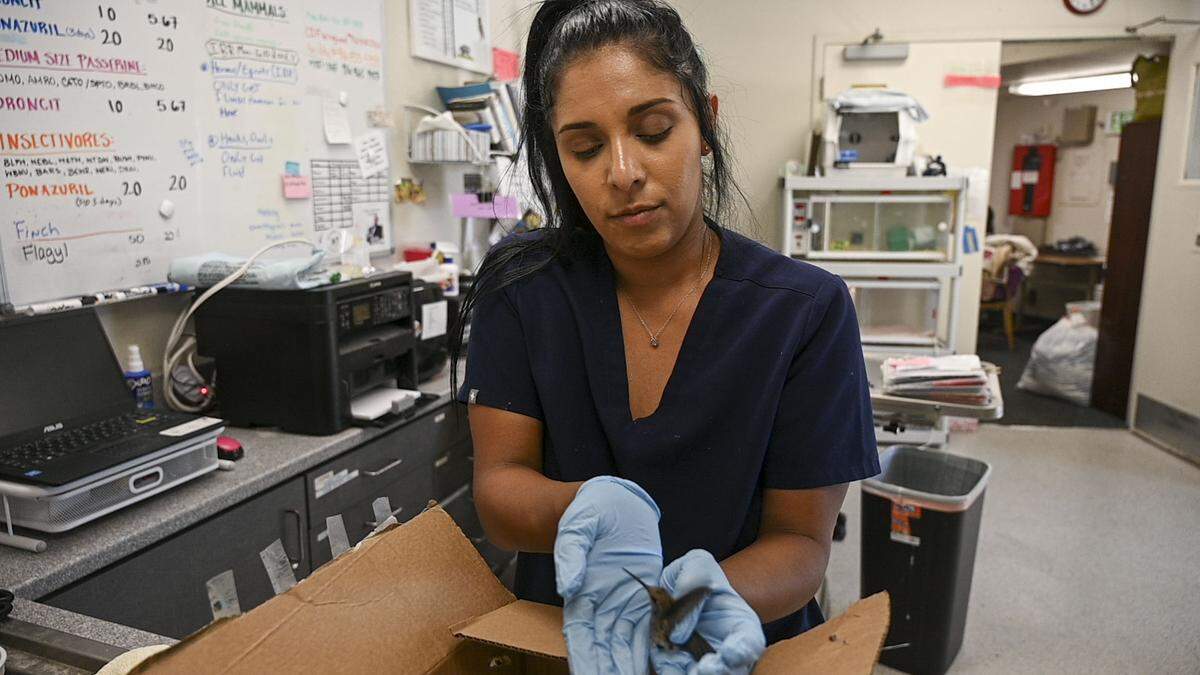
State wildlife officials temporarily shut down Sacramento County’s only wildlife rehabilitation facility for treating thousands of sick and injured animals a year after most of its staff members walked off the job on Wednesday.
Officials with the Department of Fish and Wildlife hung signs Wednesday evening on the entrance to the Wildlife Care Association in McClellan Park telling people bringing wildlife to the facility to take the animals to Gold Country Wildlife Rescue in Auburn.
One former employee told The Sacramento Bee that she and other employees quit due to a hostile work environment as well as concerns about substandard care for wildlife. A recent state inspection found problems including unsanitary conditions for birds and squirrels, though inspectors didn’t report any disease outbreaks, abuse, die-offs or other egregious violations that would have caused them to revoke the facility’s permit.
Officials from Fish and Wildlife took 23 animals from the McClellan Park facility Wednesday, mostly birds such as pigeons and doves, and drove them to the Auburn rehabilitation center, said Heather Perry, who oversees California’s 83 nonprofit wildlife rehabilitation centers for the state agency.
There’s no set date for when the Sacramento facility will reopen.
Wildlife Care is a nonprofit that’s been “rescuing and rehabilitating wild animals for well over 40 years,” according to a 2020 tax filing. Founded in 1975 by, among others, well-known area conservationist Effie Yeaw, the organization runs on a budget of about $240,000 a year, mostly funded by grants and donations.
The center receives around 7,000 injured or sick wild animals a year, mostly birds and small mammals such as squirrels, though they do sometimes receive coyotes and fawns.
Perry said the decision to temporarily close the center was due in large part to concerns its remaining staff and volunteers would be overwhelmed by people dropping off animals during the upcoming Labor Day weekend. She said that more folks over the holiday would be outside and more likely to encounter stressed and injured animals. The punishing heatwave the Sacramento region is experiencing also puts additional strain on wildlife.
“It was just pretty obvious that they were understaffed and not able to triage intakes very well,” Perry said. “And with the walkout, that seems to be the biggest problem: The animals that come in injured or sick, they just don’t have the staff right now that have the ability to triage effectively. And so animals are not necessarily getting the medical treatment as fast as they should.”
Tensions lead to walkout
Tensions with staff and management have been boiling over for months, and this isn’t the first walkout, said the association’s board president, Theresa Bielawski.
“We had something similar several months ago,” Bielawski said. “And these were the few people that were left that were still disgruntled.”
She said four employees quit on Wednesday, leaving only three employees and a group of volunteers, including her, to pick up the slack. Bielawski said the employees who quit were frustrated that a new manager “is actually … making sure animals are properly being taken care of” and the employees didn’t care for the new rules.
“I’m not going to stand for bad animal care,” she said. “And if people leave because they don’t like that they have to actually do their job, then so be it. That’s the best thing that could happen.”
But Rachel Hirota, a veterinary medicine student at UC Davis, said she quit this summer due to being constantly micromanaged and belittled by the association’s board members who failed to provide adequate “training or trust.”
She said she and her fellow employees also were troubled by what she described as substandard animal care, such as birds not being given proper food.
“We were providing substandard care at the time,” she said. “It’s what you’re told (to do), even if you have other experience. You’re being constantly degraded.”
She provided The Bee with photos, taken by other employees, that she said depicts a fly and maggot infestation at the facility.
Various state inspections at the facility in recent months haven’t shown any serious problems, such as animals dying off in mass, Perry said, but a July inspection Perry conducted did find some problems that she noted needed to be fixed immediately.
Inspectors found “fly larvae” on a trash can lid inside the building near the baby bird nursery area and evidence of a possible rodent infestation, according to Perry’s inspection report The Bee obtained through the California Public Records Act. The report also noted potentially unsanitary conditions for the birds and squirrels due to fecal build up and food debris waste.
Perry with Fish and Wildlife said subsequent inspections didn’t turn up anything too egregious, although it was obvious that the facility needed help to get organized and better protocols, “to be able to properly care for wildlife.”
“They’re the only ones in the Sacramento area, and it will put an undue burden on some other facilities if they shut down because they do take in several thousand animals a year,” Perry said. “So we would like to do what I call ‘coach to compliance’ with them to get them back on track.”
She said she planned on meeting with the staff and its new manager in the next week to come up with a plan to get it reopened as soon as possible.
Bielawski, the board president, took responsibility for the upheaval.
“Hey, this is on me,” she said. “I’m the president of the organization. And I’m not okay with us not taking care of animals. And that’s the bottom line is what was happening is that animal care was not to the standard that we should be at. And this is a good change. Because we have experienced people already coming on board.”
This story was originally published August 31, 2022 at 8:22 PM.