
How much do holiday lights cost a SMUD customer per month? We did the math for you
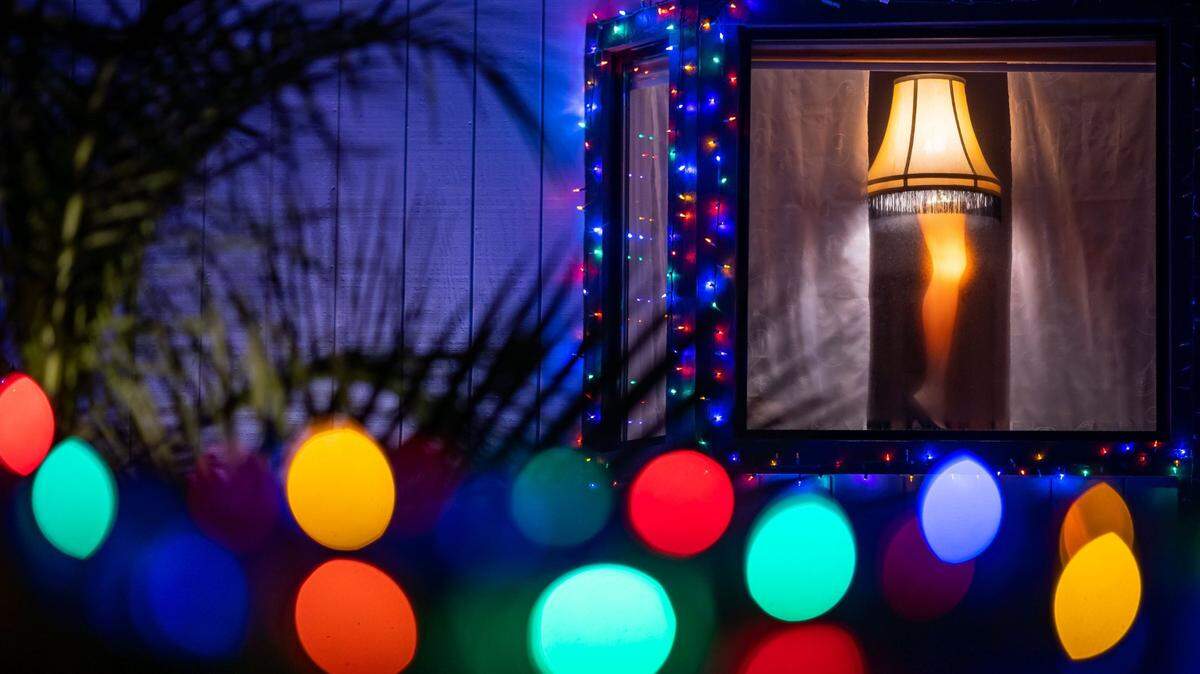
The weekend after Thanksgiving often kicks off holiday light decorations across the country — and Sacramento neighborhoods take it seriously.
Decorative lights account for 6.6 billion kilowatt hours of electricity consumption every year in the United States, according to a study from the U.S. Department of Energy. Considering the use of LEDs, holiday lights can help reduce electricity bills and also contributes to a more energy efficient holiday season.
We crunched some numbers and calculated an estimate of what your December bill could look like if you’re planning on hanging lights this year.
Calculating the cost
SMUD calculates kilowatts per hour used in the area on an off-peak and peak pricing system. The winter pricing began on Oct. 1 and runs through May 31.
Below are SMUD’s price per kilowatt for the winter season:
- Off-peak: 12 a.m. to 5 p.m. at $0.1098 per kilowatt hour all day weekends and holidays
- Peak: 5 p.m. to 8 p.m. $0.1516 per kilowatt hour
- Off-peak: 8 p.m. to 12 a.m. $0.1098 per kilowatt hour
To calculate the electricity cost of your December holiday lights you need to know the following:
- How many watts per bulb
- How many bulbs you’re using
- The number of hours you will run them
- The time-of-day rate that applies to each hour or set of hours
You’ll calculate your kilowatt hour using this formula:
- kWh = (watts per bulb × hours) ÷ 1,000
Multiply the kilowatt hour by the number of bulbs you’ll use for your total.
Then, take into account peak and off peak prices. For our purposes, we’ll say you run lights from 4 p.m. to 11 p.m. every day in the month of December. That combined rate from SMUD would come out to $0.1277 per kWh. Multiply your kilowatt hour by this rate and take that number times 31.
Let’s do that for real:
Based on the combined SMUD winter rates, 100 LED mini lights at .07 watts per bulb would run for roughly 19 cents over the month of December. The average house uses about 500 lights, according to online home improvement website The Spruce, coming out to roughly 97 cents per month.
One hundred non-LED incandescent mini lights at .41 watts per bulb would cost $1.14 for the month. Five hundred would cost $5.68, a significant increase from the energy-efficient LEDs.
Larger non-LED C7 incandescent bulbs at 5 watts per bulb would run $13.85 for 100 lights per month. It would cost nearly $70 per month for 500.
The takeaway: Bigger, higher-wattage bulbs will cost you more — and LED makes a difference in cost.
Energy efficient holiday lights
The type of Christmas lights you use matters — especially when you’re paying your electricity bill at the end of the month.
LED lights are the best for their “energy-efficient technology” and ability to use 75% less energy and last up to 25 times longer than incandescent lighting” according to the Department of Energy.
Incandescent lights use 90% of the energy they consume to produce heat, not light.
How long should holiday lights be on?
Holiday lights should be turned off when you leave your house or when you go to bed to help prevent fire hazards, according to Cal Fire.