Gwen Mayse had savings and a job. The Sacramento woman died without a home
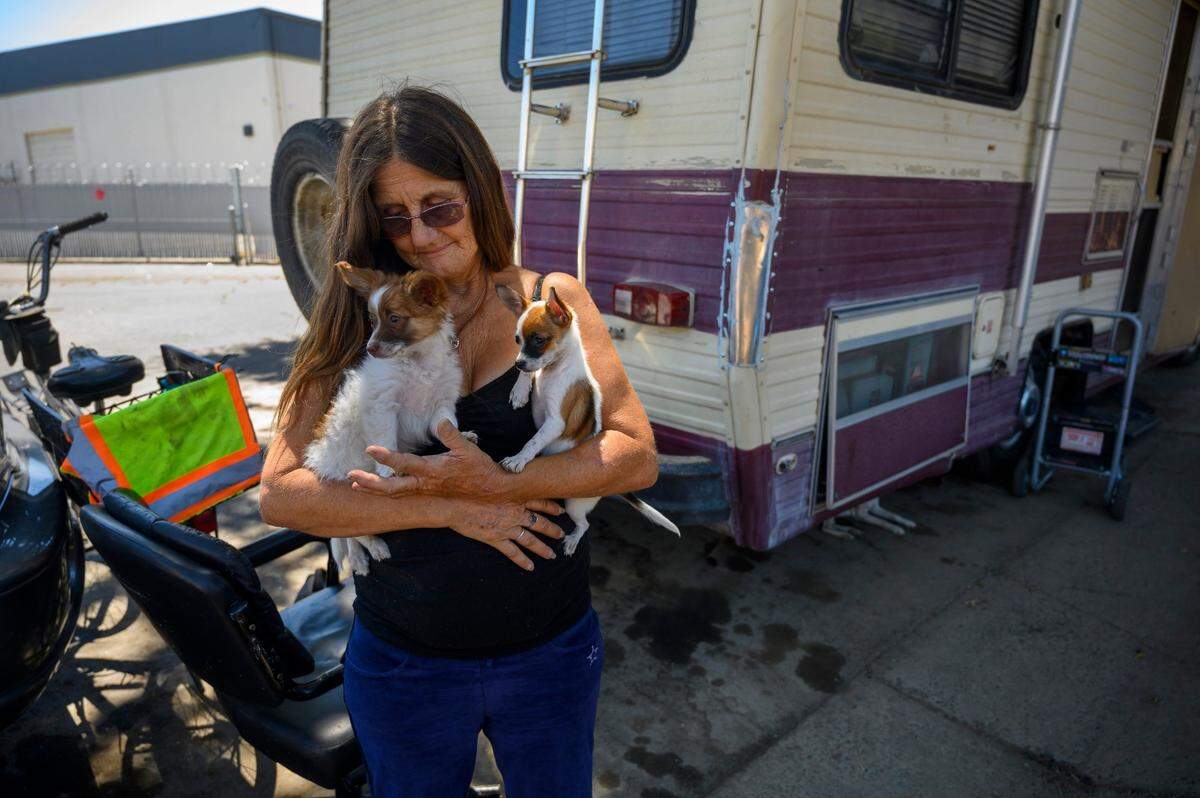
In the spring of 2019, Gwen Mayse slept in a car with her daughter outside of a closed homeless shelter. She had her three dogs, Phat Phat, Queenie and Princess. She was desperate to find housing.
She did all the right things. She saved $10,000 in Social Security checks. She made sure she was added to all the wait lists, including Section 8. She constantly scoured the internet for new apartment listings. She went on tours.
But with a low credit score and an eviction on her record, she faced an uphill battle.
Three years later, she was still living outdoors. By then, the rent of an average Sacramento apartment had skyrocketed to become more expensive than both New York City and Washington DC. Finding housing seemed impossible, but she somehow kept the faith.
“Hopefully someday we’ll have a place,” Mayse said in late August from inside a tent under a north Sacramento overpass. “We just don’t know where to start. There’s nowhere.”
She died 10 days later.
Mayse was one of at least 190 homeless Sacramentans who died in 2022, a Sacramento Bee analysis found. She was one of 40 people who were older than 60 — unable to get indoors to live out their twilight years.
Her situation was common in the capital city, where more than 9,000 people experience homelessness on any given night. Her story is uniquely hers.
Shut out in Sacramento
Originally from Pasadena, she lived in Sacramento for nearly four decades. She had been homeless for about five years, putting her in the so-called “chronically homeless” category.
She had an income — from Social Security and her jobs cleaning houses and doing yard work. She was able to afford an apartment, even with the cheapest ones here costing $1,100 monthly.
But with her credit score and rental history, she was shut out. She was evicted in 1997 from a Sacramento rental, when her daughter was 21, according to court records. It still shows up when landlords search unlawful detainer cases despite the passing of time.
Shelters weren’t a good fit for her. She had four small dogs — more than most shelters allow.
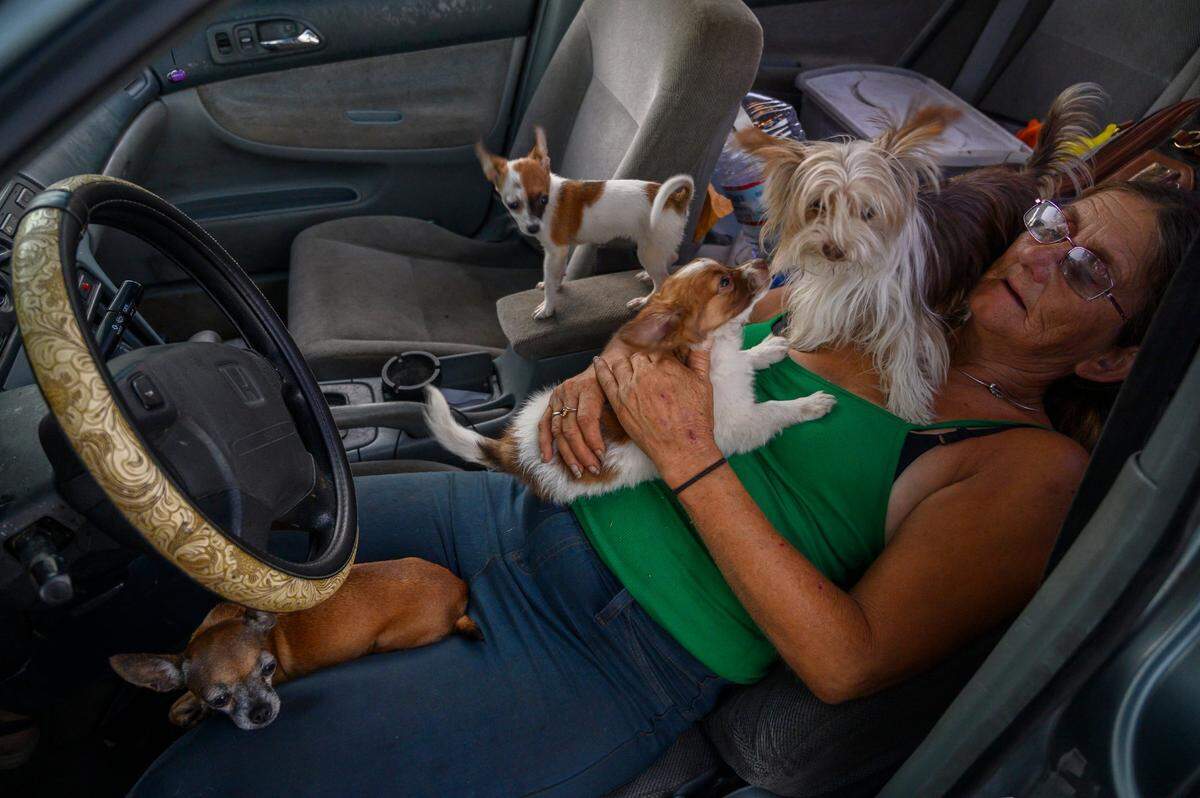
She settled for living in vehicles and RVs, where at least she had a locking door — a necessity for a self-described “scaredy cat.”
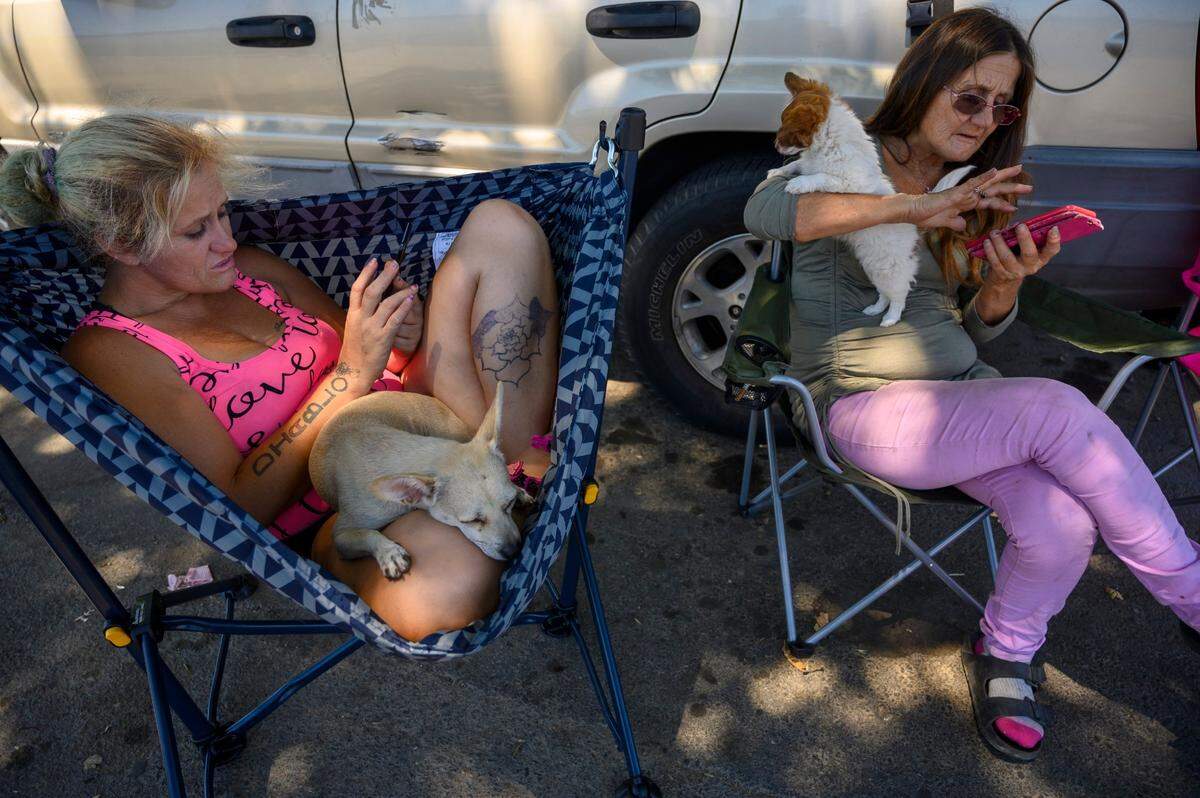
That left her a target for sweeps. Every year the city tows hundreds of vehicles used by homeless people for emergency shelter. The council considered stopping the practice in December 2021, but a motion to halt the sweeps failed 6-3.
As a result, Mayse was displaced. A lot.
“If we had to leave here I really don’t know where I would go,” Mayse said in 2019, standing near her beat-up gray Honda Accord outside the shuttered Railroad Drive city shelter. “We’ve already been to so many spots we can’t go back to.”
By the time the coronavirus pandemic struck, Mayse was living in her vehicle in Elverta north of Sacramento. She was isolated but she was still especially scared of COVID as a senior. She was also too far from the city for the free meals and survival supplies that nonprofits and churches provide.
Moving camp to camp
In April 2021, she was part of the homeless community in Commerce Circle, a North Sacramento industrial park. One day she was helping a friend clean up a trailer that had burned, and sweeping debris from the street in the hope of minimizing complaints from nearby business owners. Her grandson Jonathon, 19, was living with her by then.
But cleaning could only do so much for the growing camp.
Complaints from nearby businesses continued to pour into the city, alleging some of Mayse’s neighbors had broken into buildings, stole items, and vandalized them. Later that year, with winter temperatures starting to dip, the city tagged 100 vehicles that homeless people were using for shelter, including hers. By the time dozens of tow trucks showed up, she was gone.
In 2021, a highly visible camp grew at the corner of Fair Oaks Boulevard and Howe Avenue. The camp, called “The Hill,” was full of people, mostly women, who did not feel safe camping along the Parkway. They wanted the safety of the well-lit, highly visible camp. It had a mayor, rules, and everyone looked out for each other.
Mayse was there.
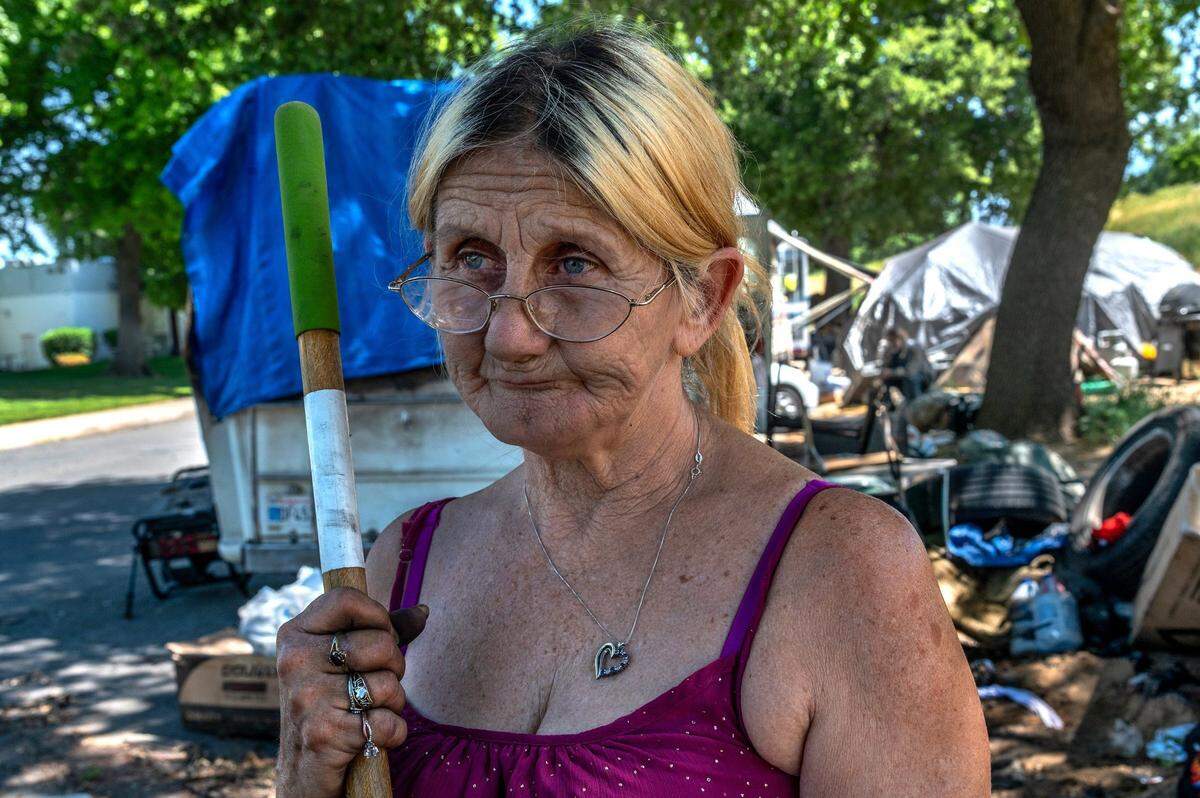
Mayse had not experienced that type of community in a camp before. It was very different than the empty cul-de-sac, where she slept in her car in 2019.
The city cleared that site in April, after businesses and residents pressed local government leaders to sweep the encampment. A business group now leases the site at no cost. It remains clear of tents, with a high black metal fence surrounding it.
“I thought we were allowed to be here,” Mayse said as word spread about the city’s plan to clear the site. She packed her stuff up yet again in her sedan with her grandson, a confused and exhausted look on her face.
Again, by the time the bulldozers arrived, Mayse was gone. This time, she entered a shelter in the River District, but was kicked out because of her dogs, she said.
She moved to a small encampment under a freeway overpass in north Sacramento. Her daughter, who suffers from seizures, slept in an RV, while Mayse slept in a tent next to it.
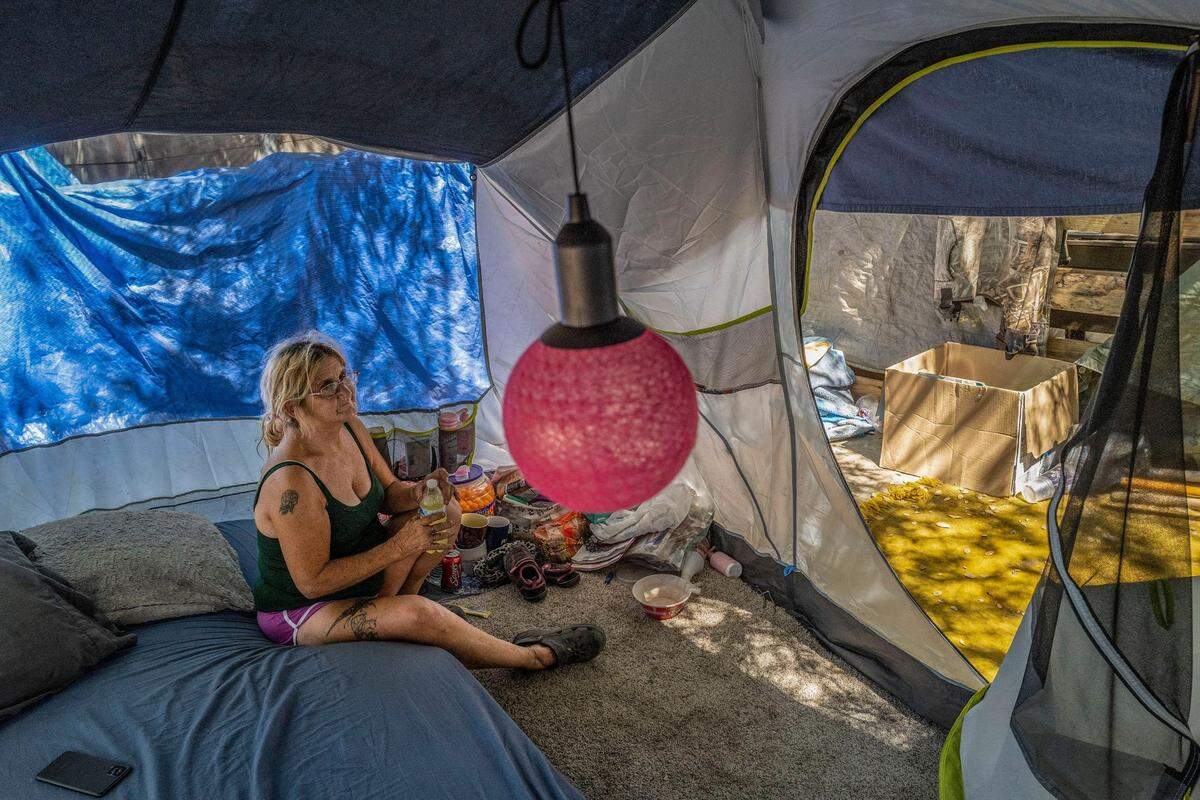
She hung a pink circular lamp from the top of her tent. Beige carpet covered the dirt floor. A cooler sat in the corner with water and Pepsi. She had a mattress with navy blue sheets on it.
She was with her dogs, who had grown since 2019. She had another, Baby. They ran around a small wire pen outside the trailer, bringing a smile to Mayse’s weary face.
Large rats ran by, too, which Mayse would kill with a BB gun, scared of the diseases they could bring, she said. She talked about being a mother.
She was about to pack yet again — she was hearing rumors of another sweep.
Loss without rest
Just 10 days later, on Sept. 4, Mayse died. She was driving in Tulare County when she fell asleep at the wheel, got in a crash, and died on impact, along with two of her dogs, said her sister in law Rhonda Burch. She was 62.
If Mayse had not been homeless, she likely would not have been out driving that night, Burch said.
To prevent more seniors dying on the streets, Sacramento Homeless Union President Crystal Sanchez said private landlords should stop or limit rental history and credit checks.
Because that’s unlikely, Sanchez said the county should lease housing units from private landlords, and then sublease them to the homeless even if they fail the checks. Different than a shelter, the county would still receive rental revenue from the units, but the barriers would be eliminated.
“People over the age of 60 should be in the golden years of retirement, and living in their home,” Sanchez said. “Not on the streets.”
Burch believes Mayse would possibly be alive if she had a home to sleep in.
“If Mayse was housed,” Burch said, “she would have gotten some good rest.”
This story was originally published January 20, 2023 at 5:00 AM.