
Egg prices are on the rise in Sacramento. Here’s why and where you can still find some
Brandie Gutierrez was thrilled to find eggs in stock at her local Rancho San Miguel on Monday night. Even better, it was only about $4 for a dozen brown eggs – the lowest price she’s seen lately.
“It’s ridiculous,” Gutierrez said of the egg shortage and ballooning prices. “I usually have to go to multiple stores to get everything I need. Making another trip on top of that just to find eggs is really extra.”
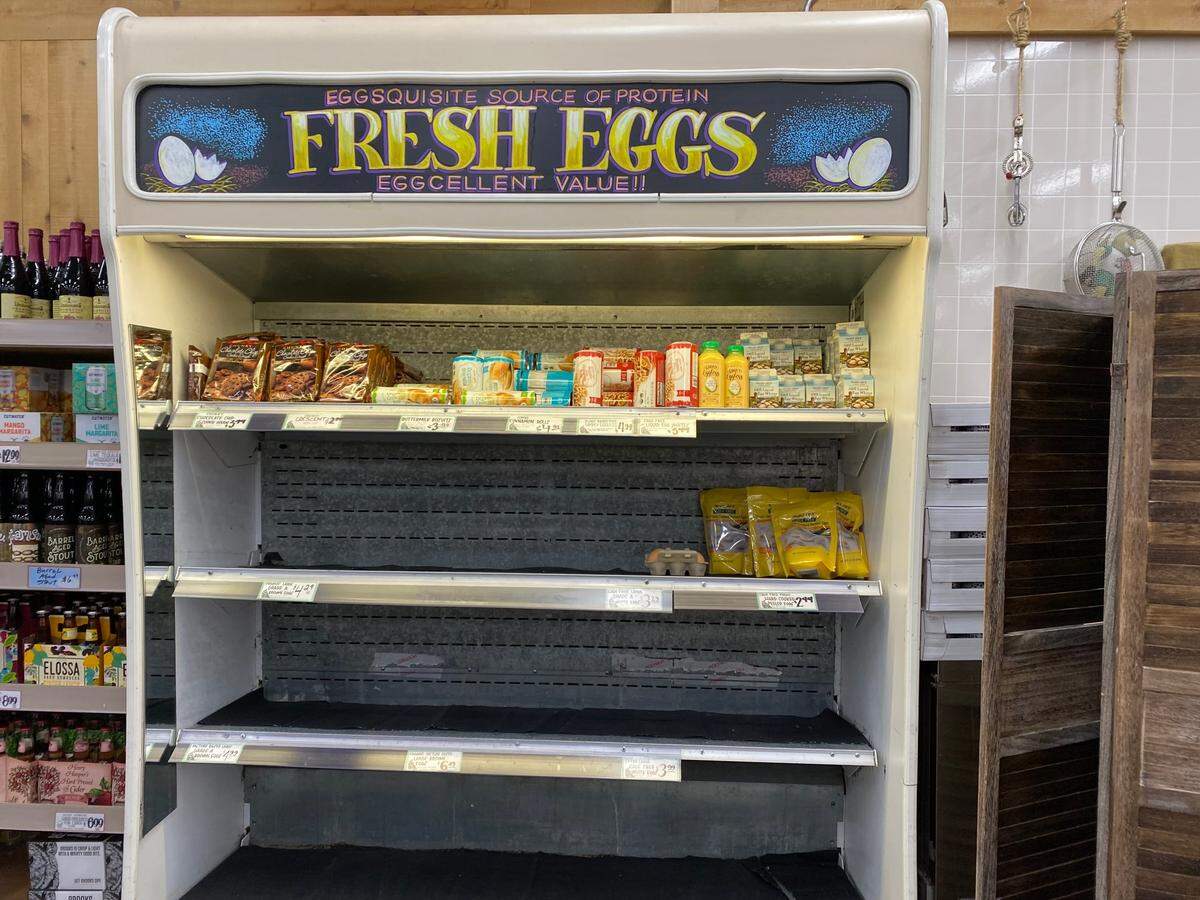
Californians have recently found empty shelves and astounding prices in their grocery store’s egg cases. The average price for a dozen large eggs in California hovered around $6.72 this week, according to the U.S. Department of Agriculture.
The cause? A national shortage induced by an outbreak of highly infectious avian influenza, commonly known as bird flu.
“There’s a huge shortage of layer chickens,” said Bill Mattos, president of the California Poultry Federation.
The outbreak has killed over 57.8 million birds across the country since early 2022, the U.S. Centers for Disease Control and Prevention estimates, most of them egg-laying hens.
Bird flu hasn’t struck any California producers yet. But growers worry that migration season could contaminate their coops and ranches.
“They’re very nervous right now,” Mattos said. “Just one little bird that flies into a coop or a ranch can cause a big problem.”
California gets about 40-50% of its eggs from out-of-state providers in Iowa and Ohio, Mattos said, which were hit hard by the flu outbreak. While producers across the country are working hard to rebuild their populations, it takes a few months for the chickens to mature enough to be able to produce eggs.
The Golden State’s commitment to cage-free-only eggs has also pushed prices higher for Californians.
In 2018, voters overwhelmingly approved the animal welfare initiative known as Proposition 12. The law introduced minimum space requirements for egg-laying hens, breeding pigs and calves raised for veal. Pork producers challenged the law, saying it violated interstate commerce laws, and the Supreme Court heard oral arguments in October.
Since the law went into effect last January, all eggs sold in California have to be produced in cage-free settings. But cage-free production takes much more space than conventional egg production, and California producers aren’t able to keep up with demand.
“They’re selling everything they can possibly grow,” Mattos said.
On top of the outbreak, the state now has to contend with at least seven other states that passed similar cage-free laws in the last five years. Colorado and Washington’s bans on conventional eggs took effect this year on Jan. 1, placing even more strain on the West Coast’s demand for cage-free eggs.
The shortage is especially hard for lower-income families in California who’ve long relied on eggs as a low-cost source of protein. Beneficiaries of the Special Supplemental Nutrition Program for Women, Infants, and Children, or WIC, face strict rules on what kinds of eggs they can buy. Only a dozen large, white, cage-free eggs are eligible for WIC dollars. Historically, those have been the cheapest option at most stores, and often are the first to sell out.
Where can I find eggs in Sacramento?
Grocers big and small have struggled to keep eggs on their shelves.
Safeway on Alhambra Blvd. and Trader Joe’s in East Sacramento were completely out Monday night, while Save Mart on Folsom Blvd. and Rancho San Miguel on Broadway had white eggs in stock for nearly $7 a carton.
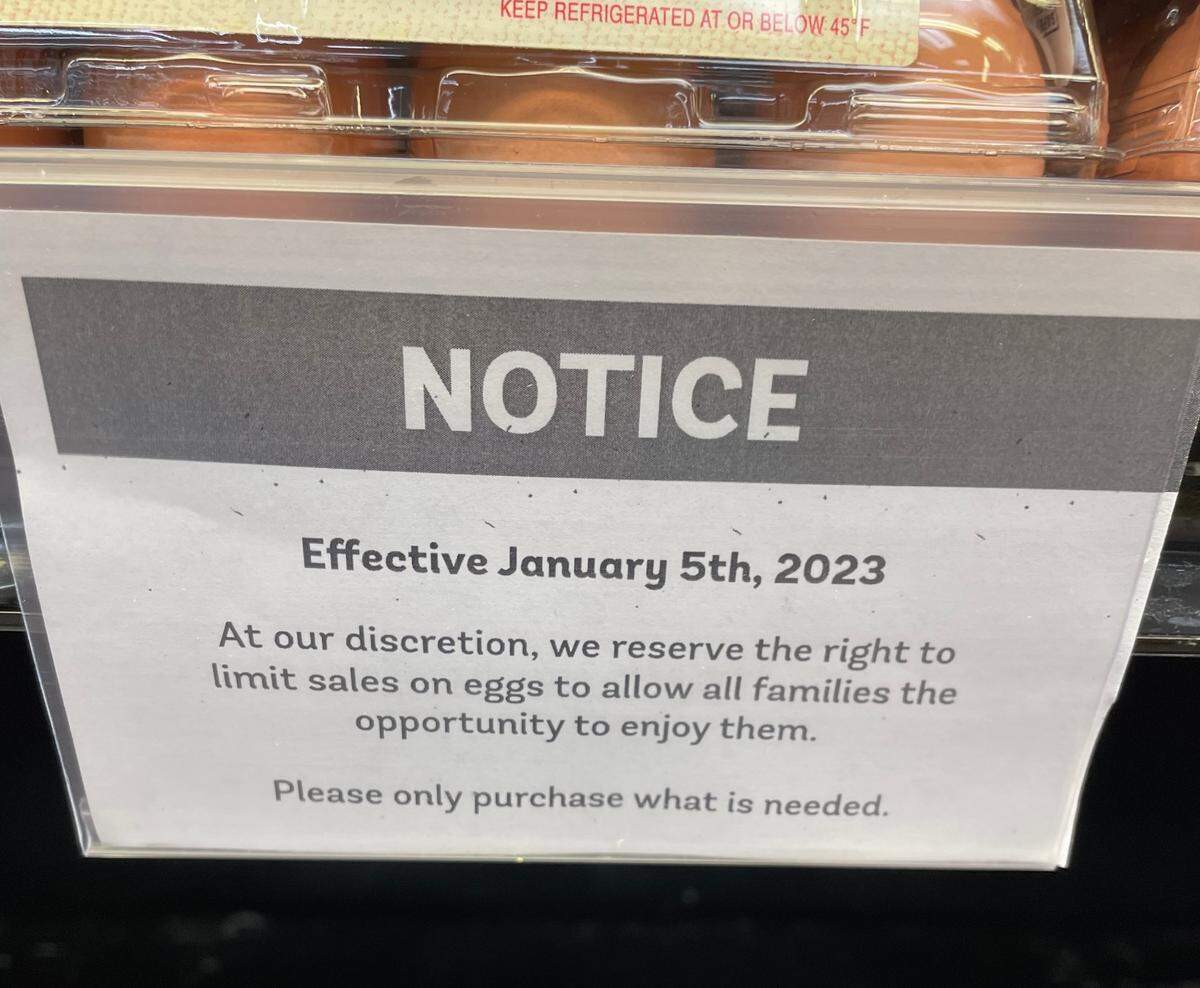
“Last week, our supplier told us they had nothing,” said Preet Singh, owner of Pacific Market on P Street. The locally owned corner store sells its eggs for $7.99 — a price that barely lets the store break even.
Most of Singh’s customers are regulars who live in the neighborhood and don’t have cars. If Pacific Market doesn’t have what they need, they won’t be able to drive somewhere else to get it. That puts the store in a tricky spot.
“Sometimes we have to go out of our way to other stores just to keep the product in stock for our customers,” Singh said.
If you’re looking to score a dozen, try hitting the store earlier in the morning.
A Trader Joe’s employee told the Bee they receive new egg shipments every day, but they usually sell out before mid-afternoon. Managers at Safeway and Save Mart said they stock their eggs twice a week, usually on Tuesdays and again on Thursdays or Fridays.
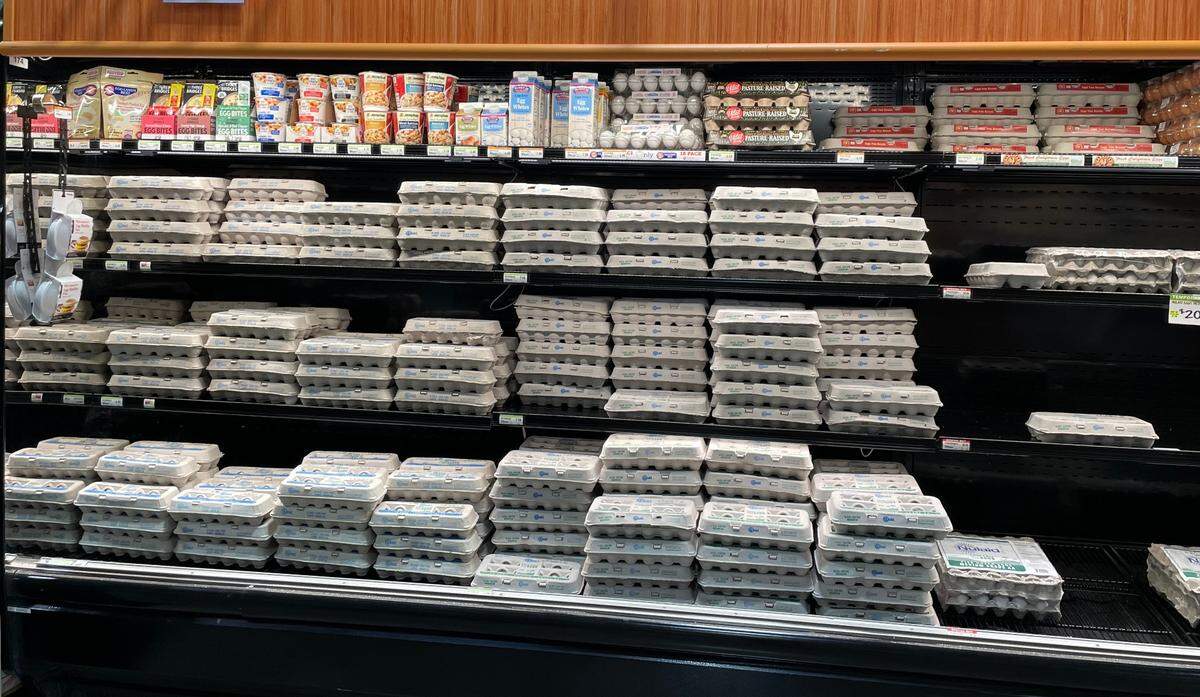
Surprisingly, the brown eggs that Gutierrez found at Rancho San Miguel were only $3.98. One explanation is farms that produce organic and specialty eggs haven’t been hit as hard as conventional farms by the bird flu, Business Insider reported in December, and have been able to maintain steadier prices and quantities.
Experts aren’t sure when the shortage will end, but Mattos suggested it might take another few months until the number of chickens has rebounded.
“Repopulation is the important thing,” he said, “and I think that can happen in the next three months or so.”
This story was originally published January 10, 2023 at 1:48 PM.