
Return of spring stench: Why do these beautiful Sacramento trees smell so bad?
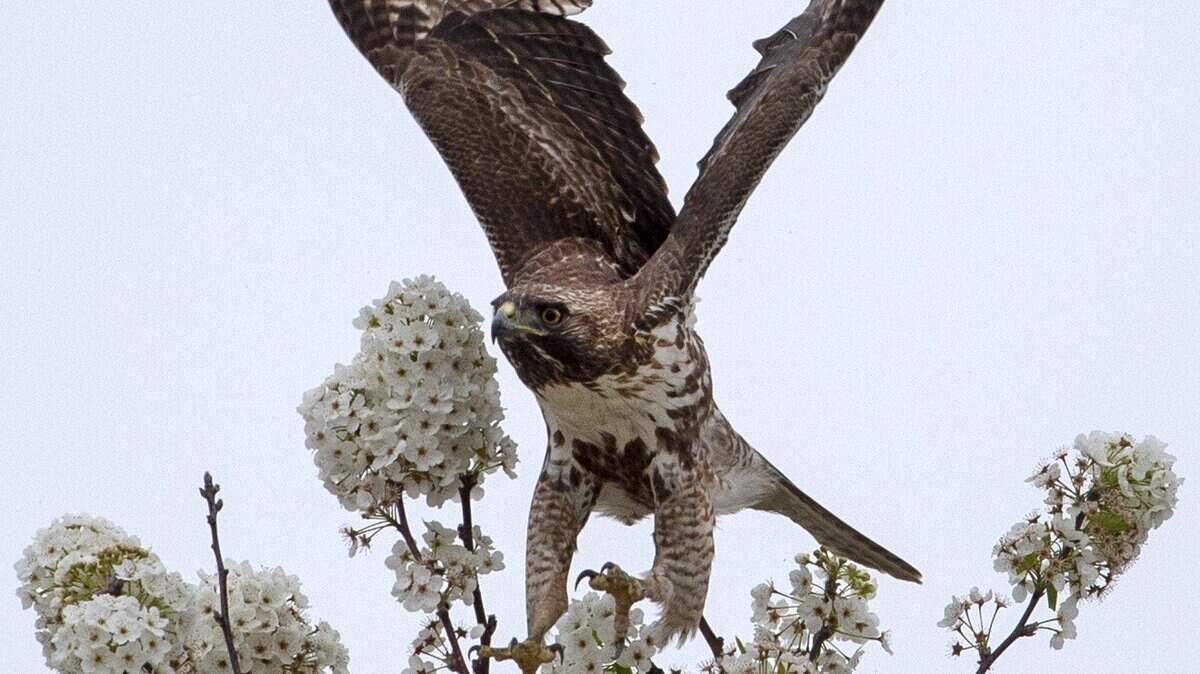
Callery pear trees are already blooming throughout Sacramento, and although they are beautiful, they are notorious for their smell.
Spring is often associated with fresh aromas, but the white, fluffy Callery pear tree releases an unusual stench. Some compare the smell to a rotting fish, while others compare it to trash.
Sacramentans stormed Reddit last spring to air their grievances, complaining about the smell and allergens of the invasive tree, also known as a Bradford.
Towns in states like Kentucky have offered residents free alternative trees to anyone who cuts their Bradfords down. Ohio is taking a more aggressive approach and banned the tree altogether, according to local reports.
In Sacramento there are no bans or incentives to cut down Callery trees, but people don’t necessarily love them.
Why do these trees smell so bad?
We spoke to Alex Binck, an arborist with the Sacramento Tree Foundation to learn more about Callery trees and their stinky qualities.
What’s that smell?
Pear trees can produce chemicals “that smell similar to decaying or dead things” to attract pollinators, Binck said.
Although the stench from a Callery tree is unappealing to most people, animals find the smell alluring which helps attract pollinators.
In Sacramento there are two types of these stinky trees: The Evergreen, which is blooming now, Binck said, and the Bradford, which comes blooms later in the spring.
Pretty, but invasive
Callery trees are considered invasive in the East Coast and “wetter climates where they can spread aggressively and outcompete native plants,” Binck said.
According to the California Invasive Plant Council, Callery trees are on the watch list in the Golden State.
Though the tree isn’t a problem in California yet, it is a concern.
The appeal
Callery trees grow quickly and have beautiful white flowers which add to the appeal of the tree despite it’s fishy stench.
People still request the tree but most arborists try not to plant them anymore, Binck said.
“I would say most arborists or other tree planters have moved away from them,” Binck said. “They do still get some people that are wanting them, either unaware of the smell of it just doesn’t bother them for whatever reason.”
Below are some alternatives to Callery trees according to the U.S. Department of Agriculture Forest Service:
- Flowering Dogwood tree
- Redbud tree
- Serviceberry tree
This story was originally published February 14, 2023 at 2:19 PM.