Sacramento County will close 2 pandemic homeless shelter programs amid housing crisis
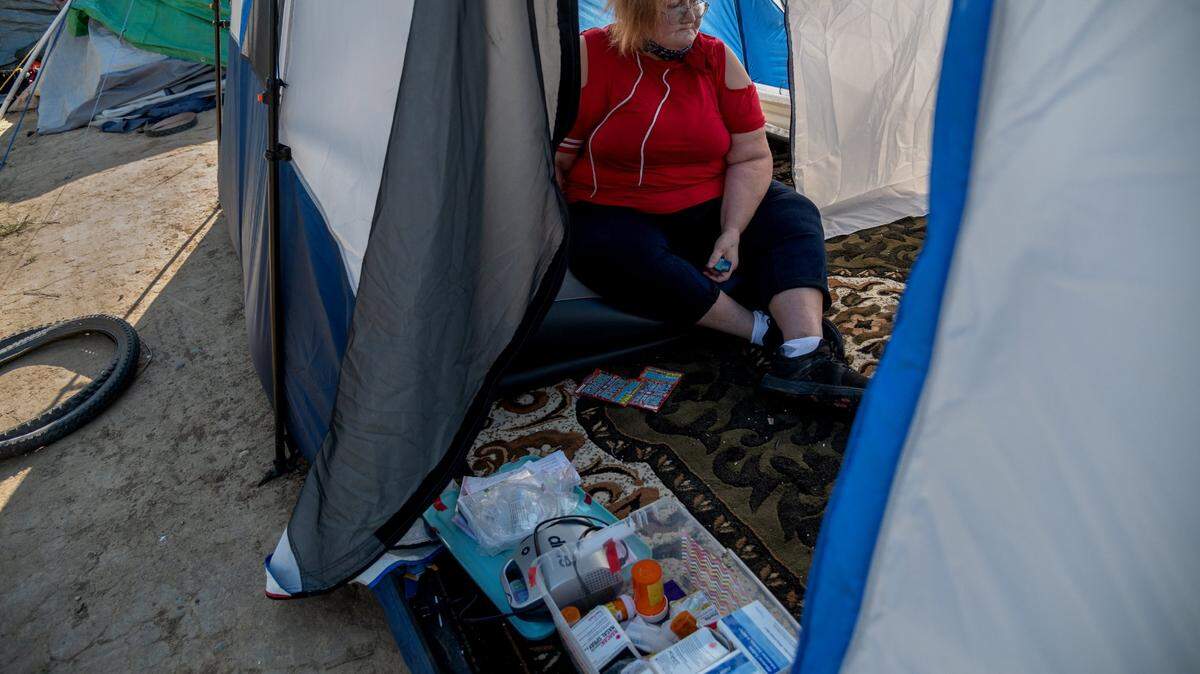
The Sacramento County Board of Supervisors voted unanimously Tuesday to close two motels where 212 homeless people live. The hotels became shelter space through Project Roomkey, a pandemic-response homelessness initiative.
The new resolution clears the way for the county to spend $6.3 million in federal funding to “ramp down and close this emergency sheltering program.” The supervisors did not discuss the item at the public meeting before approving it, along with all other consent matters.
The 212 people, a county spokesperson said, will not be guaranteed permanent housing.
The vote comes two months after the supervisors axed an organization — Sacramento Self-Help Housing — that housed 560 low-income people in the county. The county also has at least 7,000 more unsheltered residents than it has beds to offer on any given night.
“Sacramento (County) needs not to ramp down any shelter situations,” said Crystal Sanchez, president of the Sacramento Homeless Union. “Sacramento Self-Help Housing is closing and we do not have enough shelter space as it is.”
The supervisors cut funding to that nonprofit without setting a path to keep those 560 people in their homes. Weeks later, they voted to redirect county money to landlords to pay rent temporarily for Self-Help Housing participants, but did not take over those residents’ leases.
Three Project Roomkey motels initially opened shortly after COVID-19 hit the U.S. in early 2020. Between that spring and the winter of 2022, more than 2,500 people spent time in the hotels. In that nearly two-year span, only 17% of the participants were connected to permanent housing. The county previously defunded the third hotel.
On average, said county Public Information Manager Janna Haynes, people now in Project Roomkey hotels have been living in their rooms for 277 days — more than nine months. These residents work with community-based providers who are often focusing more efforts on clients still living on the streets, Haynes said. The new resolution will dedicate onsite rehousing navigators who only work with Project Roomkey participants.
According to a document attached to Tuesday’s agenda, working with the new housing navigators will be compulsory; those who do not work with the navigators — or who decline housing twice — will be evicted.
The proposed agreement says, “Refusal to engage with the rehousing navigator within 10 days of intial (sic) contract (sic) will be exited from the program. Refusals of two viable and reasonable housing options will result in the exit of the PRK participants.”
People in these rooms have had access to services for the duration of their stay.
The resolution will makes changes for them: Haynes said in an email that the new navigators will help people look for housing, fill out applications, find transportation to housing and work out move-in logistics. She said, “Having a caseload of persons on-site and available daily will make for better outcomes.”
The $6.3 million to close the hotels comes from the federal American Rescue Plan Act. The county’s Department of Human Assistance recommended this new plan, with projected closures on June 30 and Oct. 31 .
According to the agency’s request to the board, $167,000 of the requested funds will go to “rehousing services” through June, while $96,000 will go to security and $1.9 million will go toward “sheltering services,” including keeping the motels running during the wind-down period.
This story was originally published April 18, 2023 at 5:00 AM.