California lawmakers pressure Sacramento County to remove foster kids from cells
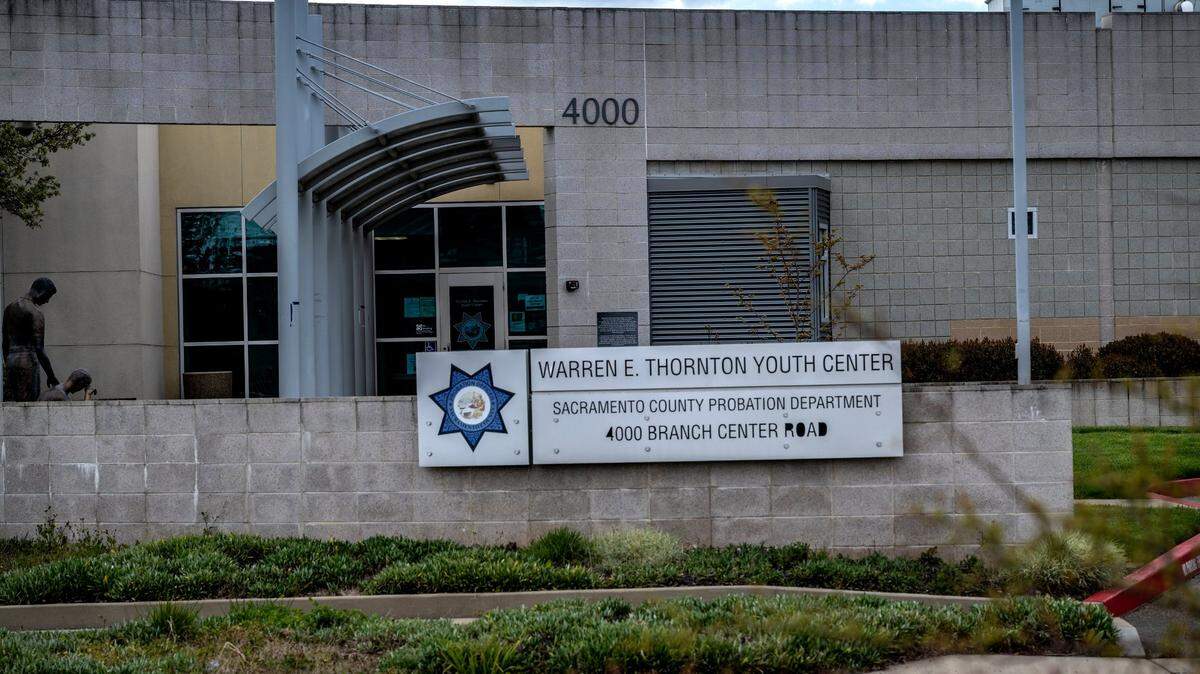
Four California lawmakers are criticizing Sacramento County officials for housing foster kids in “jail-like” cells.
The criticisms follow an April 10 story first reported in The Sacramento Bee that revealed the county has been housing foster kids in a former juvenile detention facility without a state license for the last six months.
Assemblyman Mike Gipson, D-Carson, Thursday sent letters to the Sacramento County Board of Supervisors Chair Rich Desmond, Gov. Gavin Newsom, Attorney General Rob Bonta and the state’s Department of Social Services (DSS), Gipson’s spokesman John Schaeffer said. The letters call for the county to remove the kids from the facility, and for the state to deny a license to allow the county to keep housing kids there.
“Using an unauthorized and unlicensed former detention facility for foster youth is criminal, and there has been no response from local law enforcement to rectify the issue,” Gipson’s letter to Desmond states. “There are laws specifically designed to protect the rights of foster youth and ensure that they are treated with dignity and respect. The county should be held accountable for flagrantly disregarding these laws, and we must find alternative solutions for these kids. I respectfully urge you to take immediate action to address this situation because being foster youth is not a crime.”
Desmond said welcomes the help of lawmakers on the issue.
“We welcome the opportunity to partner with state legislators and others to meet the challenges for our youths that are awaiting placement with resource (foster) families,” Desmond said in a statement. “These are issues that counties are grappling with statewide, and we are encouraged by the introduction of state legislation to address these concerns. In the meantime, we will continue to work diligently to find a licensed provider for our youth pending placement and to engage more community members to become resource families to care for and support our teenage youth population.”
Sen. Angelique Ashby, D-Sacramento, in February introduced Senate Bill 408, which is aimed at helping Sacramento and other counties find better places for foster kids to live while awaiting placement. The bill would provide more state funding for counties to build better housing, and also to spark the creation of new desperately-needed short-term residential therapeutic programs.
“We have kids all across the state of California in inappropriate placements and it needs to be addressed as quickly as possible,” Ashby said Thursday. “I’m pushing as hard as I can on SB 408. Primarily the kids who find themselves without a placement are the ones with the highest needs and the greatest traumas.”
If the bill passes it would go into effect Jan. 1, unless Ashby can get an urgency clause, she said.
Sacramento only has a couple licensed residential therapeutic foster programs left, and when kids get kicked out or don’t want to go, they often have nowhere else to go, said Michelle Callejas, director of the county’s Department of Child, Family and Adult Services, which oversees Child Protective Services.
Assemblywoman Mia Bonta, D-Oakland, is also exploring ways to address the issue this legislative session, either through the budget process or with a standalone policy bill like Ashby’s, she said. She called the situation “incredibly unacceptable” and said she would start by using the Assembly Budget Subcommittee on Public Safety, which she chairs, to look into things.
“This is wrong on so many levels,” Bonta tweeted Wednesday.
Bonta was responding to a tweet by Assemblyman Isaac Bryan, D-Los Angeles, which read: “Which of my colleagues represents this place? Because something needs to happen immediately.” Bryan included a link to The Bee’s April 10 story.
Like Desmond, Callejas said she welcomed the criticism from lawmakers because the county needs the state’s help.
“I welcome the outrage and the attention this is getting because this is an issue that is not only impacting Sacramento County but other counties across the state,” Callejas said. “County directors have been talking with DSS for years about the issue. While it is a small number of foster youth, they have significant needs and they should be in licensed settings where they can get supports they need. That is our goal.”
Sacramento NAACP President Betty Williams earlier this week filed a lawsuit against the county. The lawsuit alleges Williams’ 14-year-old relative, who lives at the facility in question, fell victim to sex trafficking while in the county’s care. The county declined comment on that lawsuit because it does not comment on pending litigation.
The county has been housing about 12 to 16 youth, mostly teens, at the Warren E. Thornton Center (WET) in Rosemont for six months despite several letters from state officials advising against it.
A September letter to the county from the California Department of Social Services Foster Care ombudsperson Larry Fluharty stated the county is housing teenagers in “jail-like” cells, containing metal beds, and metal toilets covered with wood. The environment could “retraumatize” youth and make them feel “physically and psychologically unsafe,” he wrote.
Prior to the WET center, the county housed the children in an office building nearby, which the state also deemed unsuitable.
Although it used to be a detention facility, the WET center bedrooms do not have bars on them and they are not locked, so the kids can come and go as they please, Callejas said.
“The WET center is not a long term solution,” Callejas said. “It’s the best option we have to keep our kids safe. They have showers, we provide services, we take them to school, and meet their educational needs. We are doing the best we can, but at the end of the day we simply do not have the capacity, either locally or across state, that can meet the needs of these young people.”
County officials are currently in negotiations with a local organization in the hopes of signing a contract so the kids can be housed elsewhere, Callejas said. She did not provide a timeline for the contract to be signed.
The supervisors next meeting is May 9. It’s unclear whether the topic will be discussed.
This story was originally published April 28, 2023 at 5:00 AM.