
Yes, it’s illegal to leave a dog in a hot car in Sacramento. Can you break in to help?
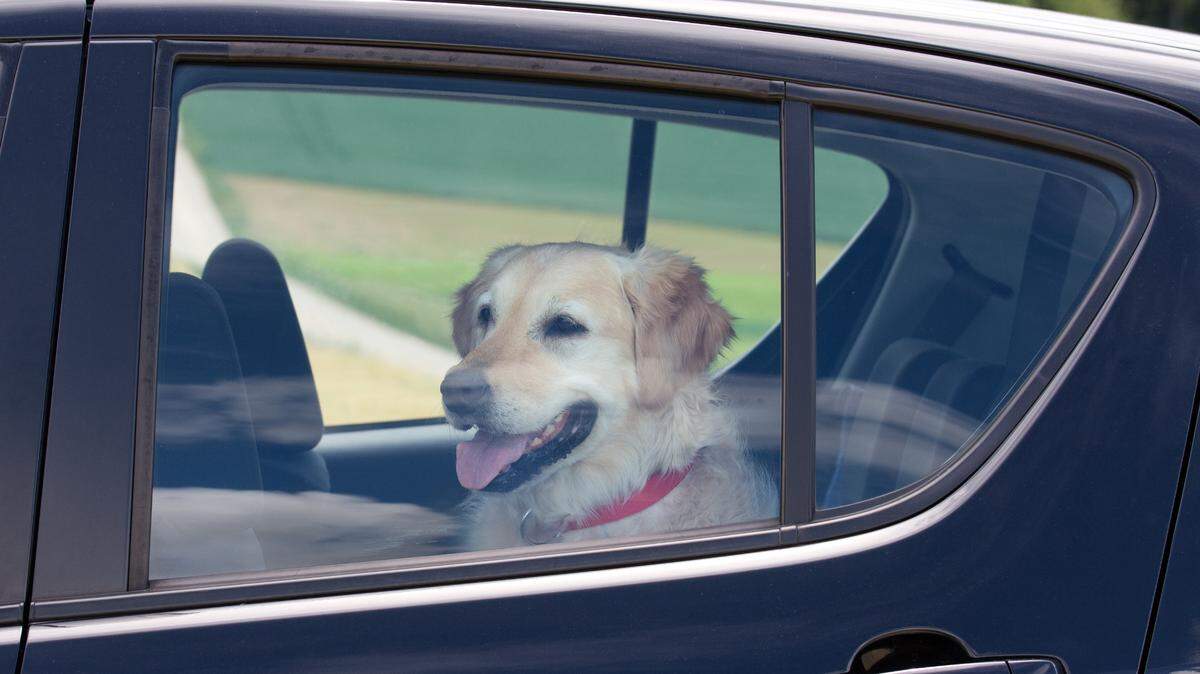
Temperatures inside a car can rise rapidly on a hot day, leaving your dog susceptible to a heat stroke or death if left alone without proper ventilation.
As temperatures continue to rise across California, remember confining your pet inside an empty car with a cracked window won’t suffice.
According to California penal code 597.7, it’s illegal to leave any animal — dog, cat, rabbit or pig — inside an empty car if it’s too hot and the animal could be in danger. The same rule applies to temperatures that are too cold, as well as vehicle conditions that lack adequate airflow, food or water.
If you see a pet confined to an empty car under conditions that could endanger their health, it’s your right to step in and help them.
Spokeswoman Allison Harris with Sacramento County Animal Services said bystanders should dial 9-1-1 immediately if they see a pet in “danger or suffering.” In an email to The Bee, she said it’s legal to break into someone’s car in Sacramento County to save a pet if:
- You called 9-1-1 first
- Law enforcement doesn’t arrive on time
- The owner of the vehicle cannot be found
- And the pet is clearly suffering or in danger
The person must stay with the pet until law enforcement arrives, she said.
First-time violators could receive a fine of up to $100 per animal, according to California law.
Pet owners could receive a fine of up to $500 and be imprisoned for up to six months if the pet suffered a significant physical injury while left unattended.
How hot is too hot?
According to a 2005 study from the American Academy of Pediatrics, outside temperatures of around 70 degrees can heat the inside of a car to over 115 degrees within minutes.
Dogs experience heat exhaustion when their body temperature hits 103 degrees, according to pet food company Hill’s Pet Nutrition. It’s typically safe to leave your dog in the car for no more than five minutes when the outside temperature is above freezing and below 70 degrees, pet health author Jean-Marie Bauhaus wrote on Hill’s blog.
If you have a passenger in the car with you, have them stay behind and keep the air conditioning running.
What are the symptoms of heat stroke?
Dogs don’t sweat across their entire body like humans because their body is covered with fur.
Instead, they sweat mainly through their merocrine glands located in their paw pads, according to American Kennel Club.
Dogs will also pant and rely on the expansion of their blood vessels to regulate their body temperature but none of it is as effective in cooling dogs down as sweating is for humans.
“Heat stroke is a serious concern for all dogs,” the American Kennel Club wrote on its website, especially those with short noses and flat faces.
Obese dogs and animals with dark coats are also at a higher risk of stroke.
The signs of heat stroke include:
- Dehydration
- Body temperature over 105.8 degrees and the dog feels warm to the touch
- Bright red gums
- Rapid or irregular heart rate
- Muscle tremors
- Lack of coordination
If you’re outside of a locked car and cannot physically access the dog, look out for the following symptoms:
- Unconsciousness
- Seizures
- Vomiting
- Excessive drooling
Heavy, frantic panting
Some cars have safety modes
Some cars — including many electric vehicles — have modes that allow you to keep your car cool while you’re not in it. However, these modes are not recommended for long periods of time.
For example, Tesla owners can control the inside of their car’s temperatures with an app.
According to the electric vehicle company, the “dog” function maintains a comfortable cabin temperature for pets while left alone inside the car.
When in dog mode, the car’s touchscreen will display the inside temperature to inform those walking by that the pet is safe.
The setting should only be used for short periods of time while the pet owner is close by, according to Tesla.
Rivian has a similar feature.
The electric vehicle’s “pet comfort” mode allows owners to set their car’s inside temperature between 68 degrees and 74 degrees.
Like Teslas, those passing by the car can read a message that the pet is safe and comfortable inside.
Editor’s note: This story has been updated to include information on electric vehicles.
This story was originally published May 15, 2023 at 12:26 PM.