Sacramento jails violate consent decree, fail to observe suicidal inmates, grand jury says
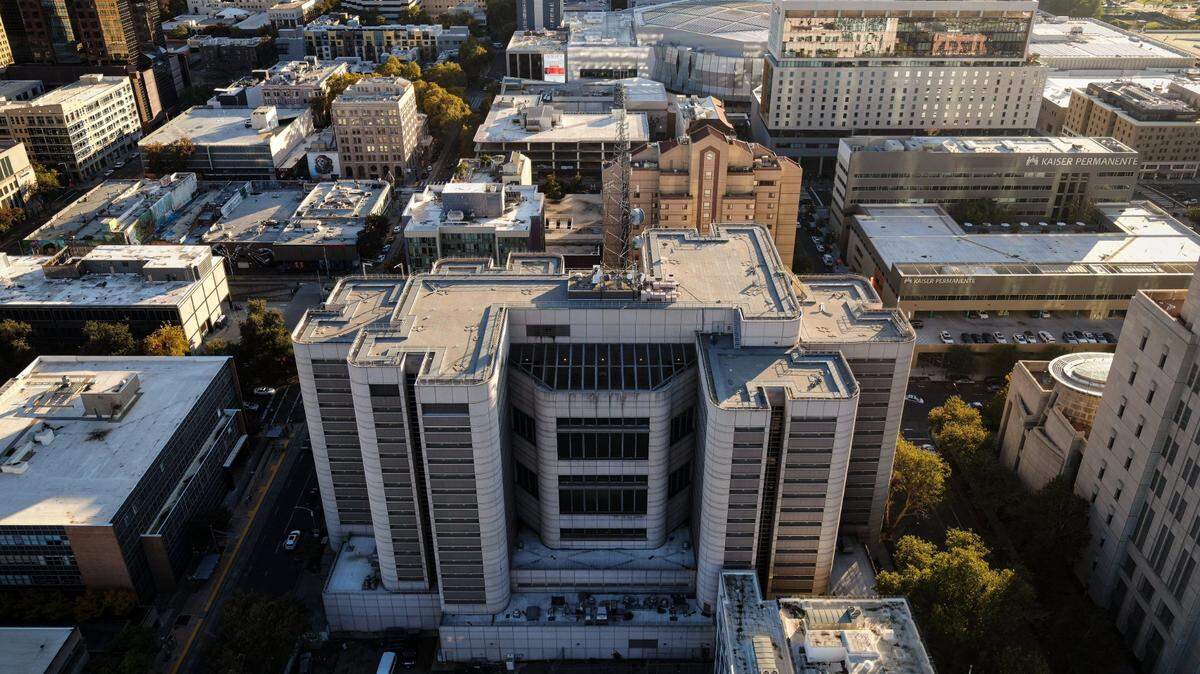
Sacramento County’s housing and handling of inmates is in violation of federal law and an agreement to improve mental-health and medical conditions for inmates, a civil grand jury found.
Federal law requires inmates who are suicidal to be housed in cells without so-called blind spots, so deputies can monitor them on security cameras 24/7 to make sure they are safe. But instead, the county is placing most suicidal inmates in cells not entirely visible to cameras, including booking cells, where they may stay for over six hours, the report found.
The other violation relates to a 2019 county settlement of a major class action lawsuit regarding jail conditions, called the Mays Consent Decree. But over three years later, the county has not made many of the vital required improvements, the new report found.
“Failure to make the changes could be catastrophic,” Norval Wellsfry, grand jury foreperson, said in a news release that will be issued Friday. “This stalling increases the risk of serious illness for jail staff and inmates and heightens the possibility of more inmate suicides. Continuing to wait will cost taxpayers millions of dollars and could trigger a federal receivership where a court could appoint a neutral expert to be in control of the jails for an extended period of time.”
For its investigation, the grand jury visited the jail, and also reviewed 18 reports written by county consultants and court-appointed witnesses in recent years. One of those reports included a September report from the plaintiffs’ attorneys that stated “the conditions in the jails remain deplorable.”
In 2017 an inmate at the main jail died by suicide. The coroner’s office has no records of any inmate deaths by suicide since at least Jan. 1, 2020, to present, Coroner Rosa Vega said.
In addition to the treatment of suicidal inmates, the county is also providing substandard medical care, as well as inadequate cleaning and sanitation, the report found.
Among the report’s findings:
▪ The medical intake area lacked space for private interview rooms, a privacy violation under the federal Health Insurance Portability and Accountability Act (HIPAA). To fix it, the county purchased white noise machines, which do not solve the problem, the report stated. “During the history intake, the responses by the inmates to questions about HIV status, prior history of communicable disease, sexual orientation, and mental health issues can be heard anywhere in the room. This is a specific violation of the HIPAA requirements.”
▪ In 2021 at least 58 inmates in restrictive housing identified as mentally ill — violating the decree. Many inmates, including those with mental illness, are denied access to the outdoor recreation yard, the report found. “The jail’s restrictive housing units serve as a warehouse for people with mental health needs. Consultants fear this will result in severe and foreseeable harm to those with mental health illnesses.”
▪ At the main jail, a June 2022 report found clogged drains and drain flies throughout the shower rooms, soiled floors, clean inmate clothing being stored on the floor. It also found most of the vents were clogged with dust, and food service carts “filthy with old food spills and dried food debris.” The medical exam tables had severely cracked vinyl cushions, putting inmates at risk for MRSA. At the Rio Consumnes Correctional Center in Elk Grove, they observed mattresses left outdoors in the central yard, which could spread infectious diseases, the report said.
▪ As of February, dozens of medical positions were vacant, including four physicians, 37 nurses, and 16 mental health workers — a partial violation of the decree, the report found. The booking area is overcrowded, and people cannot be 6 feet apart, which is another decree violation.
At least three inmates have died so far this year when they were found unresponsive at the main jail. Keith Still, 35, died of end-stage renal disease, which is a kidney disease, as well as cardiovascular disease, according to the coroner report. Still also was schizophrenic and homeless, the coroner report said.
The main jail has a dialysis unit but presently it is “unused due to staffing limitations,” the grand jury report said.
Recommendations for funding annex
The board approved $450 million in jail controversial medical and mental health improvements in December 2022, which will help the jail comply with the decree, but will take at least three to five years to build and the board has not approved a funding source, the report stated.
In the meantime, the county has no “immediate plans” to address the many violations of the decree, the report found.
“Vigorous interim plan execution is vital to avoid the threat of federal receivership, increased liability for non-compliance, preventable illness for the jail staff and inmate population, and higher costs due to escalation of capital costs interest,” the report stated.
Before the annex opens, the report recommends the county and its Sheriff’s Office should increase the number of intake stations to decrease overcrowding in the booking area; should install temporary trailers in the main jail parking garage to reduce HIPPAA privacy violations; should create a permanent jail leadership position; and implement a sanitation and disinfection program.
The report also recommends some items for the elected Board of Supervisors — to approve the funding for the construction of the annex and other improvements by July 1, 2024, and to approve an additional 18 mental health treatment rooms in the main jail by the end of this year.
The county has achieved partial compliance with the consent decree, said county spokeswoman Kim Nava.
“The county has made progress in areas such as decreased jail bed contracts by other agencies, increased pre-trial and collaborative courts programs, re-entry programs, intensive outpatient programs, and a new subacute facility,” Nava said in an email. “The county acknowledges that more work is needed. Out-of-cell time, booking time, and treatment compliance is difficult to non-feasible within the current facility. Plans for a new facility and facility renovations will address those issues and will improve conditions to better treat acute (intensive) and subacute (rehabilitation/recovery) mental health services.”
Supervisor Rich Desmond, board chairman, directed The Sacramento Bee to Nava for comment.
Sgt. Amar Gandhi, spokesman for the Sheriff’s Office, did not immediately respond to an email seeking comment on the report.
The board is required to formally respond within 90 days, and the and Sacramento Sheriff Jim Cooper is required to respond within 60 days.
This story was originally published June 2, 2023 at 5:00 AM.